Oily Scalp FAQ: Your Questions on Remedies and Care Answered

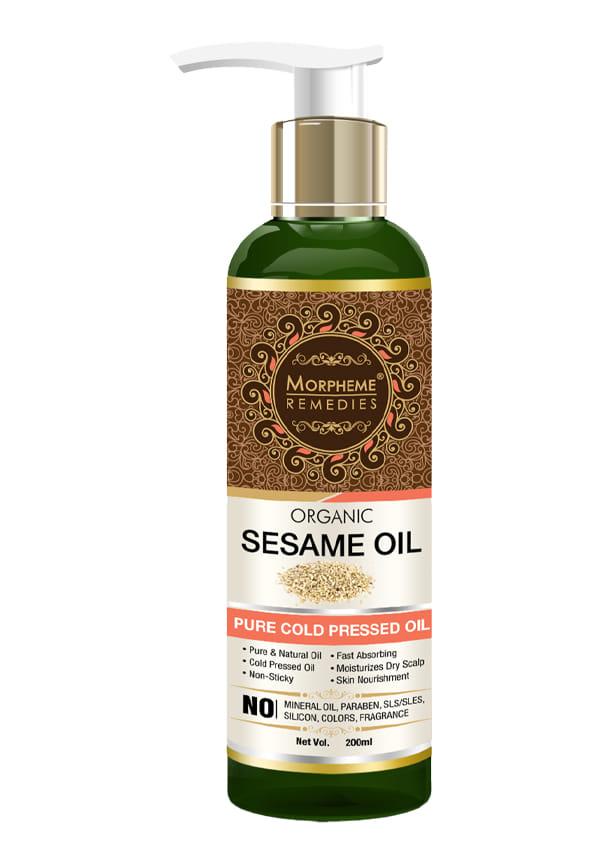
Remedies Organic Sesame Oil (Pure Coldpressed Oil) For Hair, Body, Skin Care, Massage
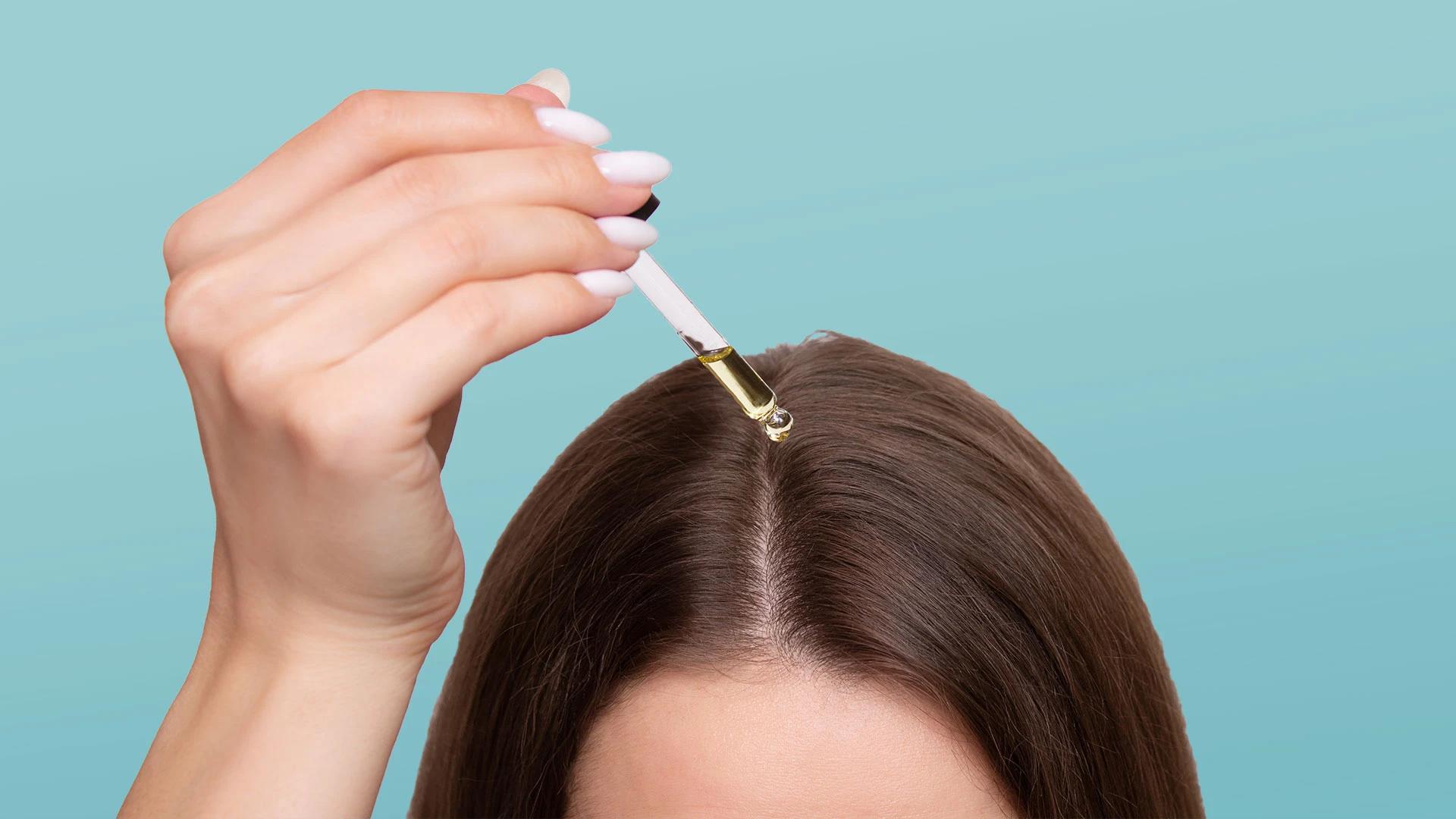
That moment when you wash your hair in the morning and by lunchtime it looks like you haven't shampooed in days? Yeah, we've all been there. An oily scalp can feel like a never-ending battle, especially when you're doing everything "right" but still dealing with greasy roots and flat hair. The good news is that understanding your scalp's oil production and finding the right care routine can make all the difference. Let's dive into the most common questions about oily scalp care and get you some real answers that actually work.
Before jumping into solutions, it's worth understanding why your scalp produces excess oil in the first place. Your sebaceous glands naturally produce sebum to keep your scalp and hair moisturised, but sometimes they go into overdrive. Hormonal fluctuations during puberty, pregnancy, or menstrual cycles often trigger increased oil production. Genetics play a huge role too—if your parents dealt with oily hair, chances are you might as well.
Environmental factors can make things worse. Hot, humid weather, pollution, and even over-washing can actually stimulate more oil production as your scalp tries to compensate. Stress is another major culprit, as it affects hormone levels and can throw your entire system out of balance. Diet also matters—foods high in refined sugars and dairy might contribute to increased sebum production.
Recognising the signs of an oily scalp goes beyond just greasy-looking hair. You might notice your roots feeling heavy or sticky within hours of washing, your hair falling flat despite styling efforts, or even experiencing scalp irritation and clogged pores. Some people develop what looks like dandruff but is actually product buildup mixed with excess oil. If you're dealing with these issues consistently, it's time to adjust your approach to scalp care.
When it comes to oily scalp remedies, the key is finding treatments that regulate oil production without completely stripping your scalp. This balance is crucial because over-cleansing can actually trigger your sebaceous glands to produce even more oil as a protective response.
Salicylic acid shampoos are brilliant for oily scalps because they gently exfoliate and help unclog hair follicles. Look for formulas with 0.5% to 2% salicylic acid for effective sebum control. Glycolic acid treatments work similarly but penetrate deeper, making them excellent for weekly clarifying sessions. If your oily scalp comes with persistent irritation or unusual symptoms, a dermatologist can recommend stronger treatments or investigate underlying conditions like seborrheic dermatitis.
Tea tree oil is a game-changer for greasy scalp treatment, but always dilute it properly—mix 2-3 drops with a tablespoon of carrier oil like jojoba or coconut oil. Apple cider vinegar rinses help balance your scalp's pH and remove buildup. Mix one part ACV with three parts water and use it as a final rinse after shampooing. Aloe vera gel applied directly to the scalp can soothe irritation while providing gentle oil control without over-drying.
Pre-wash treatments work wonders when done correctly. Apply a clay mask or oil-absorbing treatment to dry hair 15-20 minutes before shampooing. This gives active ingredients time to work without the interference of wet hair. Weekly clarifying routines should include a deep-cleansing shampoo followed by a lightweight, protein-free conditioner applied only to the mid-lengths and ends.
The secret to scalp oil control lies in consistent daily habits rather than dramatic interventions. Your washing routine, product application technique, and even the tools you use all impact how much oil your scalp produces throughout the day.
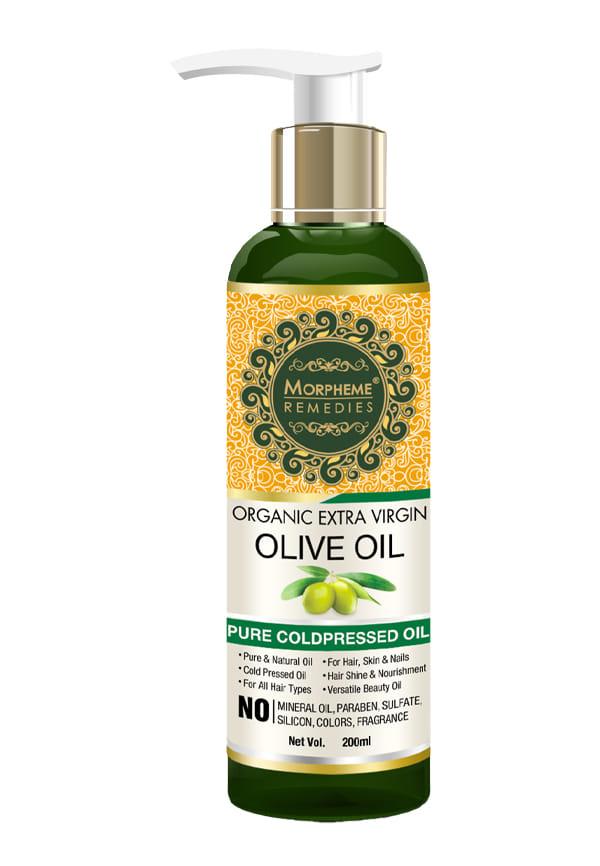
Remedies Organic Extra Virgin Olive Oil Pure Coldpressed Oil For Hair & Skin
Contrary to popular belief, washing oily hair daily isn't always the answer. Some people benefit from daily cleansing, while others find that every other day works better. The key is paying attention to how your scalp responds. When you do wash, focus the shampoo on your roots and scalp, massaging gently with your fingertips (never nails) for at least 60 seconds. This ensures proper cleansing without irritating your scalp.
Water temperature matters more than you might think. Hot water stimulates oil production, so stick to lukewarm water for washing and finish with a cool rinse to seal the hair cuticles and add shine. This simple change can significantly reduce how quickly your hair becomes greasy after washing.
Never apply conditioner to your roots—this is non-negotiable for oily scalp care. Start conditioning from your ears down to the ends of your hair. Dry shampoo can be your best friend, but timing is everything. Apply it to clean, dry hair before bed to absorb oils overnight, then brush it out in the morning for fresh-looking hair that lasts longer.
Choosing the right shampoo is crucial for managing an oily scalp effectively. Look for formulas that contain clarifying ingredients without being overly harsh. Zinc pyrithione helps regulate oil production while fighting bacteria and fungi that can contribute to scalp issues. Niacinamide (vitamin B3) is excellent for controlling sebum production without causing dryness.
Clarifying shampoos should be used 1-2 times per week maximum, while your daily shampoo should be gentler but still effective at removing oil and buildup. Sulfate-free options work well for people with sensitive scalps, but make sure they still provide adequate cleansing power. Ingredients like cocamidopropyl betaine and sodium lauroyl sarcosinate are gentler alternatives that still clean effectively.
Product rotation can prevent your scalp from becoming too accustomed to one formula. Alternate between a gentle daily shampoo and a weekly clarifying treatment. This approach helps maintain clean hair without over-stripping your scalp's natural protective barrier.
Managing oily hair extends far beyond your washing routine. The way you style, the tools you use, and even your lifestyle choices all play a role in how quickly your hair becomes greasy and how healthy your scalp remains.
When blow-drying, focus on lifting your roots to create volume and help oils distribute more evenly down the hair shaft. Use a round brush to lift sections away from your scalp while drying. Avoid touching your hair throughout the day, as the oils from your hands transfer to your strands and make them look greasier faster.
Hairstyles that keep hair away from your face and neck can help disguise oiliness while preventing additional oil transfer from your skin. High ponytails, braids, and buns are practical options that also look polished. When using heat styling tools, choose lightweight heat protectants that won't weigh your hair down or add extra oils.

Aromablush Intense Repair Hair Oil
Your hairbrush and styling tools can harbour bacteria and old product buildup that contributes to scalp issues. Clean brushes weekly with a mixture of warm water and gentle shampoo, removing all hair and debris first. Replace pillowcases frequently or use silk ones, which are less likely to absorb and redistribute oils.
What you eat affects your skin and scalp health. Reducing dairy and high-glycemic foods might help some people control oil production, though individual responses vary. Staying hydrated helps your body regulate oil production more effectively, while managing stress through exercise, meditation, or other techniques can help balance hormones that trigger excess sebum.
Sometimes oily scalp care becomes more complex when additional issues arise. Understanding how to address these complications while maintaining oil control is essential for long-term scalp health.
Excess oil can clog hair follicles and contribute to hair thinning over time. If you notice increased hair fall along with oily scalp issues, gentle but thorough cleansing becomes even more important. Use a soft-bristled brush to stimulate circulation without irritating your scalp, and consider scalp massages with lightweight oils like jojoba to improve blood flow.
Product buildup mixed with excess oil can create a stubborn layer on your scalp that regular shampoo can't remove. Signs include persistent greasiness despite frequent washing, itching, or flaking. A clarifying treatment followed by a scalp detox routine can help reset your scalp health. Sometimes taking a break from styling products for a week or two allows your scalp to rebalance naturally.
Start with proper cleansing technique using a shampoo formulated for oily hair, focusing on your roots and scalp. Avoid over-washing, which can trigger more oil production, and never skip conditioner—just apply it only to your mid-lengths and ends. Use dry shampoo strategically and consider incorporating weekly clarifying treatments to remove buildup that can make oiliness worse.
While you can't permanently eliminate oil production (and wouldn't want to, as some oil is necessary for healthy hair), you can effectively manage it long-term. Consistent use of appropriate products, maintaining good scalp hygiene, managing stress levels, and addressing any underlying hormonal issues can significantly reduce excessive oiliness. The key is finding a routine that works for your specific scalp type and sticking with it.
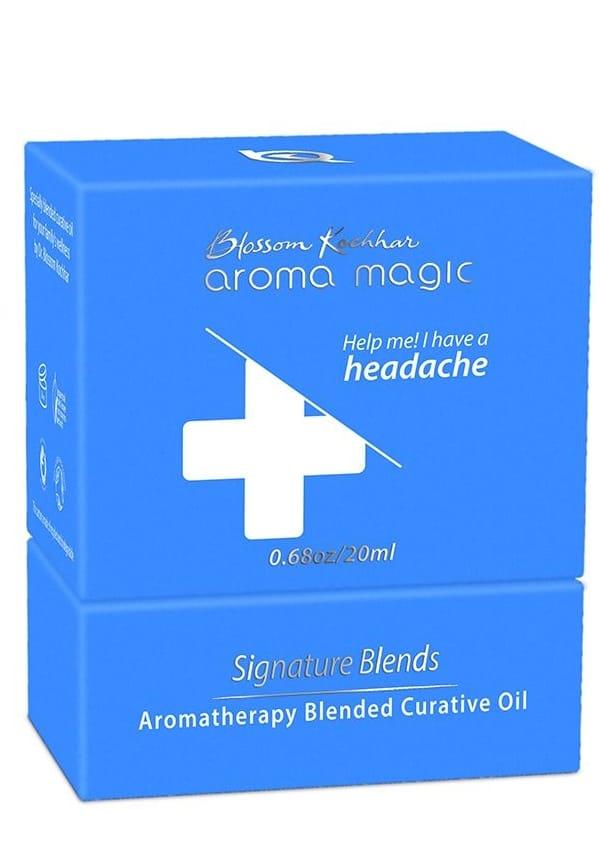
Help Me I Have A Head Ache Signature Blended Oil- 20ml
The goal isn't to make your scalp completely oil-free, but to balance oil production. Use gentle, sulfate-free shampoos that clean effectively without stripping natural oils completely. Incorporate scalp-balancing ingredients like tea tree oil or salicylic acid gradually, and always follow up with appropriate conditioning. Avoid harsh scrubbing or over-cleansing, which can damage your scalp barrier and actually increase oil production.
Greasy hair isn't inherently unhealthy, but it can indicate an imbalance that needs attention. Normal oil production protects your scalp and hair, but excessive oiliness might signal hormonal changes, product buildup, or scalp conditions that benefit from proper care. If your greasy hair is accompanied by itching, unusual odour, or hair loss, it's worth consulting a dermatologist to rule out underlying issues.
Over-washing is the biggest mistake, as it strips natural oils and triggers your scalp to produce even more. Using heavy, oil-based products near your roots, touching your hair frequently throughout the day, and applying conditioner to your scalp all contribute to increased greasiness. Skipping regular brush cleaning and using dirty pillowcases can also worsen oily scalp issues by reintroducing bacteria and old oils to freshly washed hair.
Building an effective routine for oily scalp care requires patience and consistency. Start simple and gradually introduce new products or techniques to avoid overwhelming your scalp or causing irritation.
Week one should focus on establishing basic good habits. Wash your hair every other day with a gentle, clarifying shampoo, condition only the lengths and ends, and use dry shampoo on non-wash days. Keep a simple log of how your scalp feels and looks each day to identify patterns and track improvement. Avoid introducing multiple new products at once, as this makes it difficult to identify what's working.
Once you've established a basic routine, you can fine-tune based on seasonal changes and your scalp's evolving needs. Summer might require more frequent washing due to heat and humidity, while winter could call for slightly gentler products to prevent over-drying. Pay attention to how your scalp responds to stress, hormonal changes, and dietary shifts, adjusting your routine accordingly.
If your oily scalp doesn't improve after 6-8 weeks of consistent care, or if you experience persistent itching, unusual odours, significant hair loss, or painful bumps, it's time to consult a dermatologist. These symptoms might indicate conditions like seborrheic dermatitis or hormonal imbalances that require professional treatment. A certified trichologist can also provide specialised scalp analysis and personalised treatment recommendations.
Managing an oily scalp doesn't have to be a constant struggle. With the right combination of proper cleansing techniques, suitable products, and consistent care habits, you can achieve balanced, healthy-looking hair that stays fresh longer. Remember that everyone's scalp is different, so what works for others might need tweaking for your specific needs.
The key is patience and consistency rather than dramatic changes or harsh treatments. Focus on gentle but effective cleansing, strategic product application, and maintaining overall scalp health. Your hair will thank you for taking a thoughtful, balanced approach to oil control.
Not sure which products might work best for your specific scalp concerns? Smytten offers trial-size versions of many haircare products from trusted brands—a smart way to test different formulas before committing to full-size bottles. With options from clarifying shampoos to scalp treatments, you can explore what works for your oily scalp without the guesswork.
