Natural Scalp Relief FAQ: Your Questions Answered
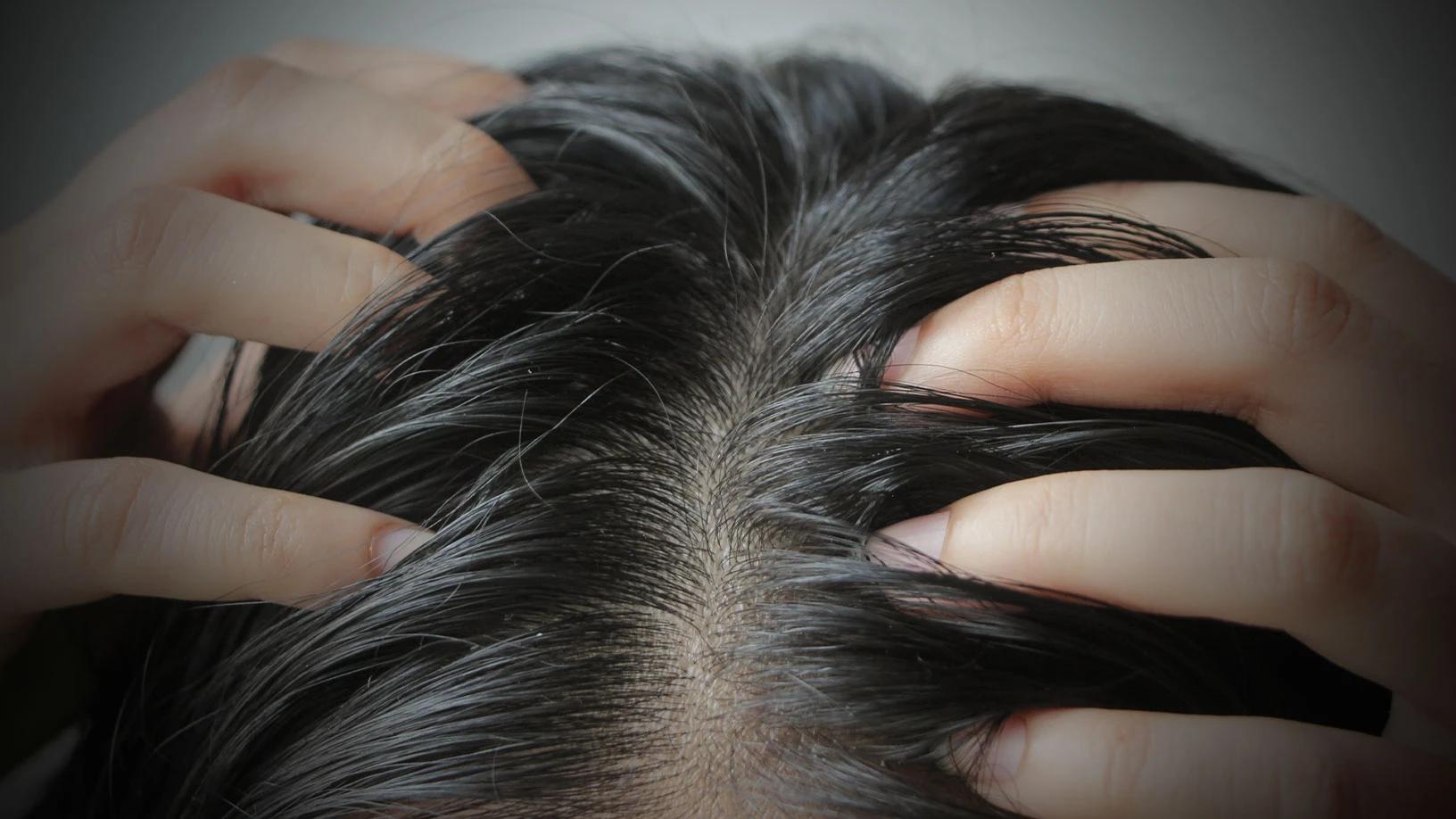

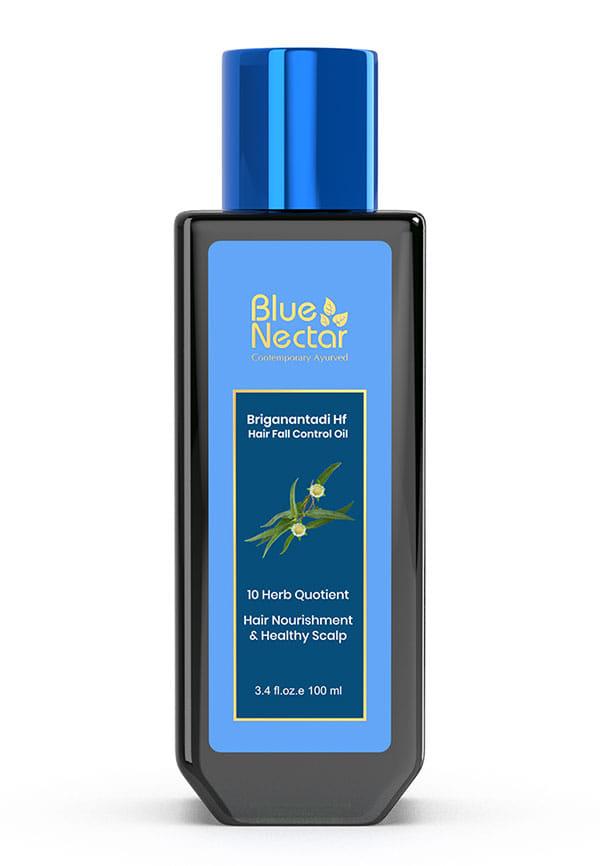
Briganantadi Hair Fall control and Healthy Scalp Hair Oil 10 Herbs
You know that moment when your scalp starts acting up—maybe it's the constant itch that makes you want to scratch in public, or that tight, flaky feeling that no amount of regular shampoo seems to fix? We've all been there. Your scalp is basically the foundation for healthy hair, but when it's irritated, dry, or inflamed, everything feels off. The good news? Natural scalp relief doesn't have to be complicated or expensive. Sometimes the most effective solutions are sitting right in your kitchen cupboard, waiting to give your scalp the TLC it deserves.
Natural scalp relief is all about using gentle, plant-based ingredients and home remedies to soothe scalp irritation without harsh chemicals. Think of it as giving your scalp a spa day using ingredients your grandmother probably swore by. Unlike medicated treatments that can sometimes be too aggressive for sensitive scalp care, natural approaches work with your skin's natural healing process.
Common scalp issues like dryness, itching, inflammation, and dandruff often stem from factors like overwashing, product buildup, stress, or even seasonal changes. Your scalp produces natural oils to protect itself, but when this balance gets disrupted, problems start popping up. Natural remedies help restore this balance without stripping away your scalp's protective barrier.
The beauty of natural scalp solutions lies in their gentleness. They're perfect for people with sensitive skin who find that traditional treatments cause more irritation than relief. Plus, most natural ingredients have multiple benefits—coconut oil doesn't just moisturise, it also has antimicrobial properties that can help with minor infections.
Real talk—your kitchen probably has more effective itchy scalp remedies than you realise. The key is knowing which ingredients work for specific issues and how to use them properly. Let's break down the most proven methods that actually deliver results.
Coconut oil is probably the most versatile option for dry scalp treatment. Warm a tablespoon in your palms, massage it into your scalp, and leave it for 30 minutes before washing. The lauric acid in coconut oil has antimicrobial properties, making it great for both dryness and minor scalp infections.
Tea tree oil is your go-to for more stubborn issues, but always dilute it—2-3 drops mixed with a carrier oil like jojoba or olive oil. It's particularly effective for dandruff control because of its antifungal properties. Jojoba oil is brilliant because it mimics your scalp's natural sebum, making it perfect for balancing oil production.
Aloe vera gel straight from the plant (or a pure store-bought version) provides instant cooling relief for scalp inflammation. Apply it directly to irritated areas and leave for 15-20 minutes. The anti-inflammatory compounds help calm angry, red patches while providing deep hydration.
Witch hazel works brilliantly for oily scalps that are also irritated. Its astringent properties help balance oil production while soothing inflammation. Just apply with a cotton pad to affected areas—no need to rinse.
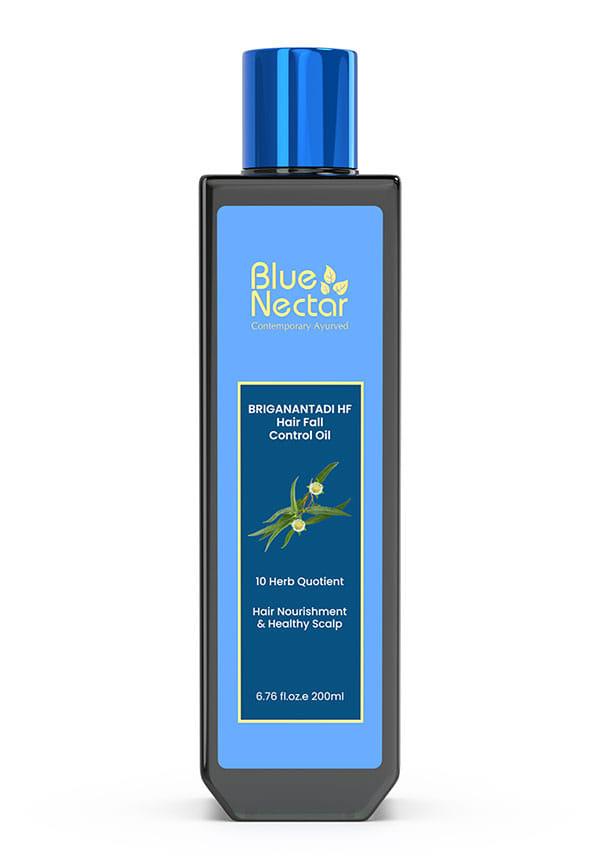
Briganantadi Hair Fall control and Healthy Scalp Hair Oil 10 Herbs
Dry scalp can feel like your skin is constantly tight and flaky, and regular moisturisers just don't cut it. The trick is using ingredients that can penetrate the scalp while restoring the natural pH balance.
Apple cider vinegar is honestly a miracle worker for scalp irritation relief. Mix equal parts ACV and water, apply to your scalp after shampooing, leave for 5 minutes, then rinse. The acetic acid helps restore your scalp's natural pH while removing product buildup that might be causing dryness.
Lemon juice works similarly but is stronger, so use it sparingly. The natural acids help exfoliate dead skin cells while the vitamin C provides antioxidant benefits. Mix with water and apply only to problem areas.
Sometimes dry scalp is actually dead skin buildup, not true dryness. A gentle baking soda scrub (mix with water to form a paste) can remove flakes without being too harsh. Massage gently and rinse thoroughly.
Colloidal oatmeal is perfect for sensitive scalp care. Grind oats into a fine powder, mix with water, and apply as a mask. The beta-glucans in oats are incredibly soothing for irritated skin.
When your scalp is driving you mad with itching, you need relief now, not in a week. These quick fixes can provide immediate comfort while you work on longer-term solutions.
Peppermint oil diluted in a carrier oil provides instant cooling relief. The menthol creates a numbing effect that stops the itch cycle. Mix 2-3 drops with coconut oil and massage in—you'll feel the cooling sensation immediately.
A cold compress can provide instant relief for inflamed areas. Wrap ice in a thin cloth and apply for 10-15 minutes. This reduces inflammation and numbs the area temporarily.
Yogurt masks might sound weird, but the probiotics and lactic acid can provide quick relief. Apply plain, unsweetened yogurt to your scalp for 20 minutes. The cooling effect plus the beneficial bacteria help calm irritation.
Let's be honest—dandruff and scalp psoriasis are more complex than simple dryness, but natural remedies can definitely help manage symptoms. The key is consistency and realistic expectations.
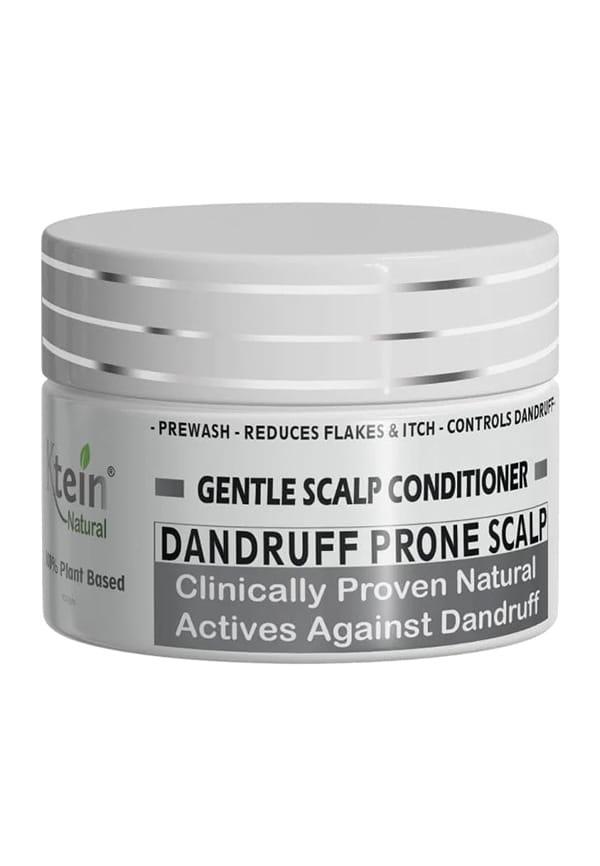
Natural 100% Plant Based Gentle Scalp Conditioner Dandruff Prone Scalp
Tea tree oil is clinically proven to help with dandruff because it targets the fungus that often causes it. Use it consistently 2-3 times per week for best results. Neem oil, a traditional Indian remedy, has similar antifungal properties and is gentler for sensitive scalps.
For scalp psoriasis treatment, natural remedies work best as supportive care alongside medical treatment. Coal tar alternatives like pine tar soap can help with scaling, while oatmeal baths provide systemic relief for widespread irritation.
Turmeric paste (mix turmeric powder with water or oil) has powerful anti-inflammatory properties. Apply to affected areas for 15 minutes before washing—just be aware it can stain, so wear old clothes.
Remember, if natural remedies don't improve symptoms within 4-6 weeks, or if you have severe scaling, bleeding, or spreading patches, it's time to see a dermatologist. Natural doesn't always mean sufficient for serious conditions.
Prevention is honestly better than treatment when it comes to scalp health. Building good habits now can save you from dealing with irritation later.
Wash your hair 2-3 times per week max, unless you have very oily hair. Overwashing strips natural oils and can actually make your scalp produce more oil to compensate. Use lukewarm water—hot water is harsh and drying.
Your diet affects your scalp more than you might think. Omega-3 fatty acids from fish, walnuts, and flaxseeds help maintain healthy skin. Zinc deficiency can cause scalp issues, so include pumpkin seeds, chickpeas, and lean meats in your diet.
Stress management isn't just good for your mental health—it directly impacts scalp conditions. High cortisol levels can worsen inflammation and disrupt your skin's natural healing process. Regular exercise, meditation, or even just good sleep can make a noticeable difference.
Yes, coconut oil can help with itchy scalp due to its moisturising and antimicrobial properties. The lauric acid in coconut oil helps fight bacteria and fungi that might be contributing to the itch. Apply warm coconut oil to your scalp, massage gently, leave for 30 minutes, then shampoo out. You should notice improvement within a few applications, but give it 2-3 weeks of consistent use for best results.
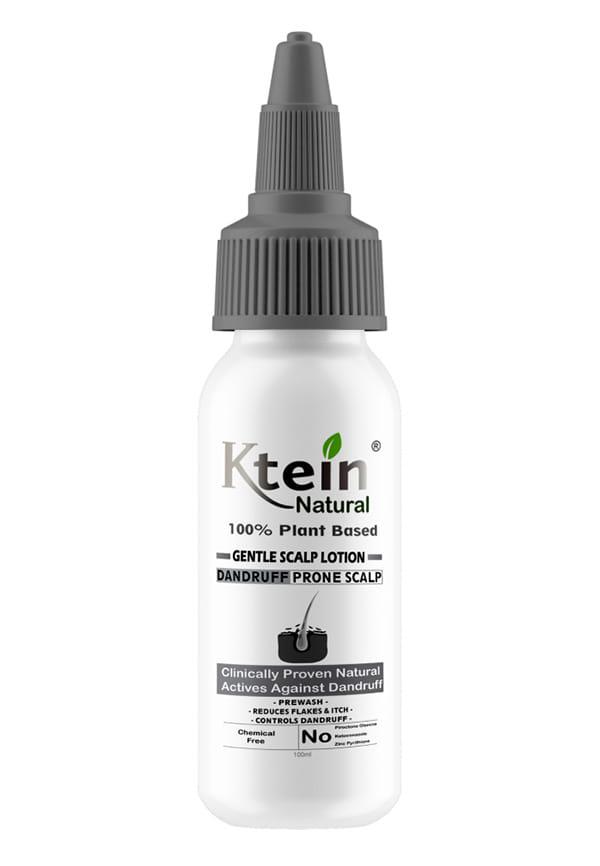
Natural 100% Plant Based Gentle Scalp Lotion Dandruff Prone Scalp
While you can't completely cure dandruff in 5 minutes, you can get quick relief. Mix equal parts apple cider vinegar and water, apply to your scalp, massage for 2 minutes, then rinse thoroughly. This helps remove loose flakes and restore pH balance. For immediate flake removal, gently brush your hair with a fine-tooth comb after applying the mixture. Remember, true dandruff control requires consistent treatment over several weeks.
Traditional Indian remedies include neem oil, which has powerful antifungal properties perfect for dandruff and itching. Fenugreek seeds soaked overnight and ground into a paste make an excellent scalp mask. Curry leaves boiled in coconut oil create a nourishing treatment that many swear by. Amla (Indian gooseberry) juice mixed with lemon juice helps with both dandruff and premature greying while soothing irritation.
See a dermatologist if your scalp issues persist after 6-8 weeks of consistent natural treatment, if you have severe scaling or bleeding, if the irritation spreads beyond your scalp, or if you develop signs of infection like pus or severe redness. Also consult a professional if you have sudden, severe hair loss accompanying scalp problems, as this could indicate an underlying condition that needs medical attention.
Most natural remedies are gentler than chemical treatments, but they're not automatically safe for everyone. Always patch test new ingredients on a small area first. Essential oils must be diluted properly—never apply them directly to your scalp. If you have allergies to specific plants or foods, avoid related ingredients. Start with milder options like aloe vera or oatmeal before trying stronger remedies like tea tree oil or apple cider vinegar.
Most people notice some improvement within 1-2 weeks of consistent use, but significant changes typically take 4-6 weeks. Immediate relief from itching or irritation can happen within hours of applying soothing ingredients like aloe vera or peppermint oil. For chronic conditions like dandruff or seborrheic dermatitis, expect to use natural treatments for 2-3 months before seeing substantial improvement. Consistency is key—sporadic use won't give you the results you want.
Natural scalp relief isn't about finding one magic ingredient—it's about understanding what your scalp needs and being consistent with gentle, effective treatments. Whether you're dealing with dryness, itching, or inflammation, the key is starting with the mildest effective remedy and building from there.
Remember that everyone's scalp is different. What works brilliantly for your friend might not work for you, and that's completely normal. Give each remedy at least 2-3 weeks of consistent use before deciding if it's working.
If you're exploring new scalp care products alongside natural remedies, Smytten's curated selection includes gentle, scalp-friendly options from trusted brands. Not sure which products might work for your specific scalp concerns? Smytten also offers trial-size versions of many scalp treatments—a smart way to test before investing in full-size products.
