Natural Hair Fall Remedies FAQ: Your Questions Answered

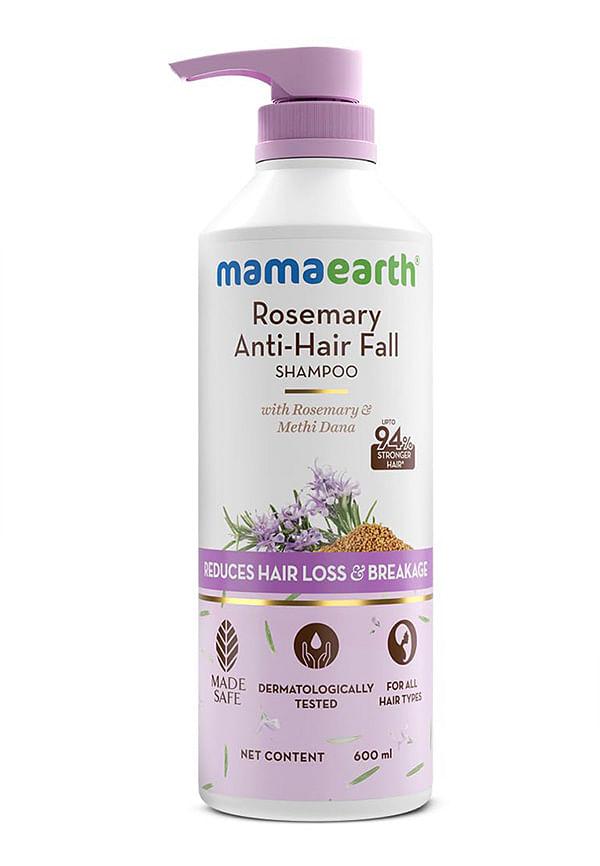
Rosemary Anti-Hair Fall Shampoo with Rosemary & Methi Dana for Reducing Hair Loss & Breakage
You know that sinking feeling when you see more hair in your brush than on your head? Real talk — hair fall can be absolutely terrifying, especially when it feels like nothing's working. Whether you're dealing with stress-induced shedding, postpartum hair loss, or just noticing your ponytail getting thinner, the good news is that natural remedies can genuinely help. But let's be honest about what works, what doesn't, and how long you'll actually need to wait for results. Here's everything you need to know about tackling hair fall the natural way.
Before diving into remedies, let's get real about what causes hair fall in the first place. Your hair goes through natural cycles — growing, resting, and shedding — and losing 50-100 strands daily is completely normal. But when you're seeing clumps in the shower drain or bald patches appearing, something else is happening.
The most common hair fall causes include chronic stress (hello, work deadlines), nutritional deficiencies, hormonal changes, overstyling, and genetics. Natural hair fall remedies work brilliantly for stress-related shedding, nutritional gaps, and scalp health issues. They're also your best bet for strengthening existing hair and creating the right environment for healthy hair growth.
However, if you're dealing with sudden, severe hair loss, patchy bald spots, or hair thinning that's clearly genetic, natural remedies alone might not cut it. These situations often need medical intervention. Think of natural treatments as amazing supporting actors — they'll boost your hair's health and slow down loss, but they can't completely reverse genetic male pattern baldness or treat underlying medical conditions.
Setting realistic expectations is crucial here. Natural hair growth takes time because your hair follicles need to reset and strengthen. Most people see initial improvements in hair texture and reduced shedding within 6-8 weeks, but significant regrowth can take 3-6 months. Patience isn't just a virtue with hair care — it's absolutely essential.
Let's cut through the noise and focus on natural hair fall remedies that have both scientific backing and real-world results. These aren't miracle cures, but they're proven ways to strengthen your hair and create better conditions for growth.
This isn't just another trendy ingredient — rosemary oil genuinely works. Studies show it can be as effective as minoxidil for promoting hair growth, minus the side effects. Mix 3-4 drops with a carrier oil like coconut or jojoba, massage into your scalp, and leave for at least 30 minutes before washing. Do this twice weekly for best results.
Yes, it smells awful, but onion juice is packed with sulfur that helps strengthen hair follicles and improve blood circulation. Blend one medium onion, strain the juice, apply to your scalp, and leave for 15-20 minutes before shampooing. The smell disappears completely after washing, and many people notice reduced shedding within a month.
This is probably the easiest hair fall control method you can try. Gentle scalp massages increase blood flow to hair follicles, helping deliver nutrients more effectively. Use your fingertips (not nails) to massage in circular motions for 5-10 minutes daily. You can do this dry or with oils — both work well.
Fresh aloe vera gel is brilliant for unclogging hair follicles and soothing irritated scalps. Apply pure gel directly to your scalp, leave for 30 minutes, then rinse with lukewarm water. It's particularly helpful if your hair fall is linked to scalp inflammation or product buildup.
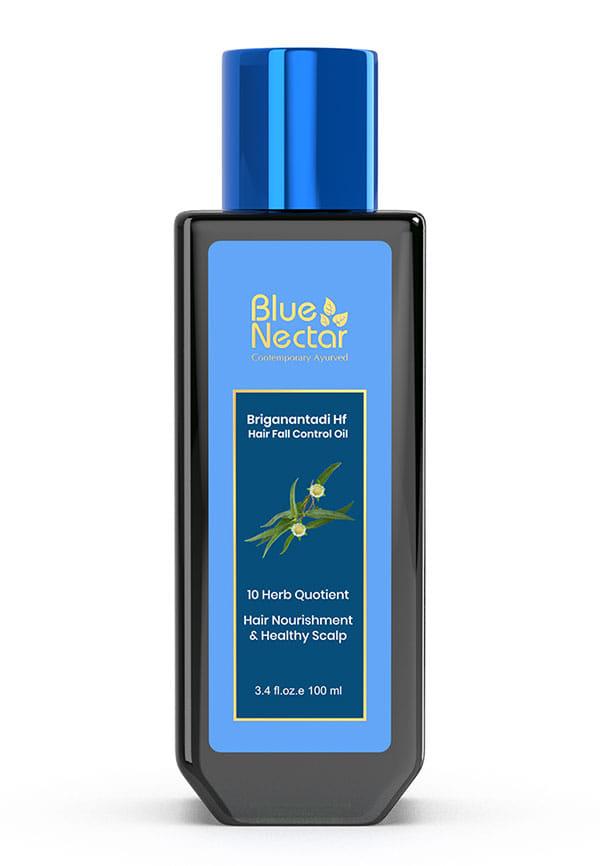
Briganantadi Hair Fall control and Healthy Scalp Hair Oil 10 Herbs
Soak 2 tablespoons of fenugreek seeds overnight, grind into a paste, and apply to your scalp and hair. This traditional remedy is rich in proteins and nicotinic acid that strengthen hair roots and promote growth. Leave for 30-40 minutes before washing out.
Brew strong green tea, let it cool, and use it as a final rinse after shampooing. The antioxidants help block DHT (a hormone linked to hair loss) and stimulate hair follicles. Plus, it adds natural shine to your hair.
Here's something most articles won't tell you — hair loss patterns and effective treatments can vary significantly between men and women. Understanding these differences helps you choose the right approach for your specific situation.
Women typically experience diffuse hair thinning across the crown, often triggered by hormonal changes, stress, or nutritional deficiencies. Natural remedies work particularly well for women because female hair loss is often linked to factors that respond beautifully to holistic treatments. Scalp massages, nutrient-rich masks, and stress management can make a huge difference.
For women dealing with postpartum hair fall, gentle approaches work best. Your hair is already stressed from hormonal fluctuations, so stick to mild treatments like aloe vera, gentle scalp massages, and protein-rich masks. Avoid harsh treatments during this period.
Men, on the other hand, often deal with androgenetic alopecia — male pattern baldness driven by genetics and DHT sensitivity. While natural remedies can't completely reverse this process, they can slow it down and improve overall hair health. Rosemary oil, green tea rinses, and scalp massages are particularly effective for men because they help block DHT naturally.
The key difference? Women should focus on nourishing and strengthening treatments, while men benefit more from DHT-blocking natural ingredients and circulation-boosting techniques.
Let's address the elephant in the room — can natural hair growth remedies actually bring back lost hair? The answer is nuanced and depends entirely on why you lost hair in the first place.
If your hair loss is due to temporary factors like stress, poor nutrition, or scalp health issues, natural remedies can absolutely help regrow hair. Your follicles are still alive and healthy; they just need the right conditions to start producing strong hair again. In these cases, you might see new growth within 3-4 months of consistent treatment.
However, if hair follicles have been dormant for years or are genetically programmed to stop producing hair, natural remedies alone won't bring them back to life. They can still help by strengthening existing hair, slowing further loss, and improving overall scalp health.
The hair growth cycle is crucial to understand here. Each hair follicle goes through growing, transitional, and resting phases. Natural treatments work by extending the growing phase and shortening the resting phase, but this process takes time — usually 3-6 months to see significant changes.
Those "regrow hair naturally in 3 weeks" claims? Complete nonsense. Hair grows about half an inch per month under ideal conditions, so any treatment promising dramatic results in weeks is either lying or talking about temporary volume increases, not actual regrowth.
Your kitchen is actually a goldmine of hair care ingredients. These home remedies for hair loss use everyday items that are gentle, effective, and won't break the bank.
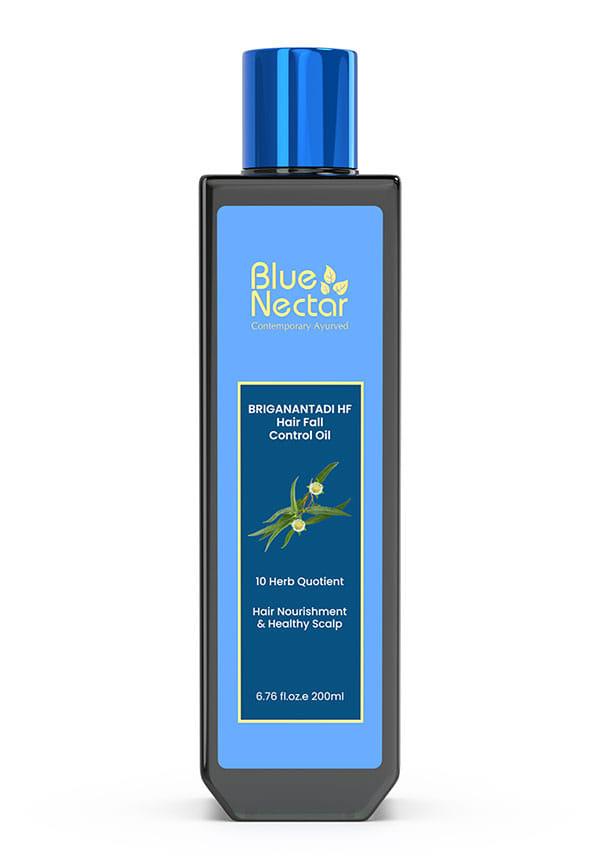
Briganantadi Hair Fall control and Healthy Scalp Hair Oil 10 Herbs
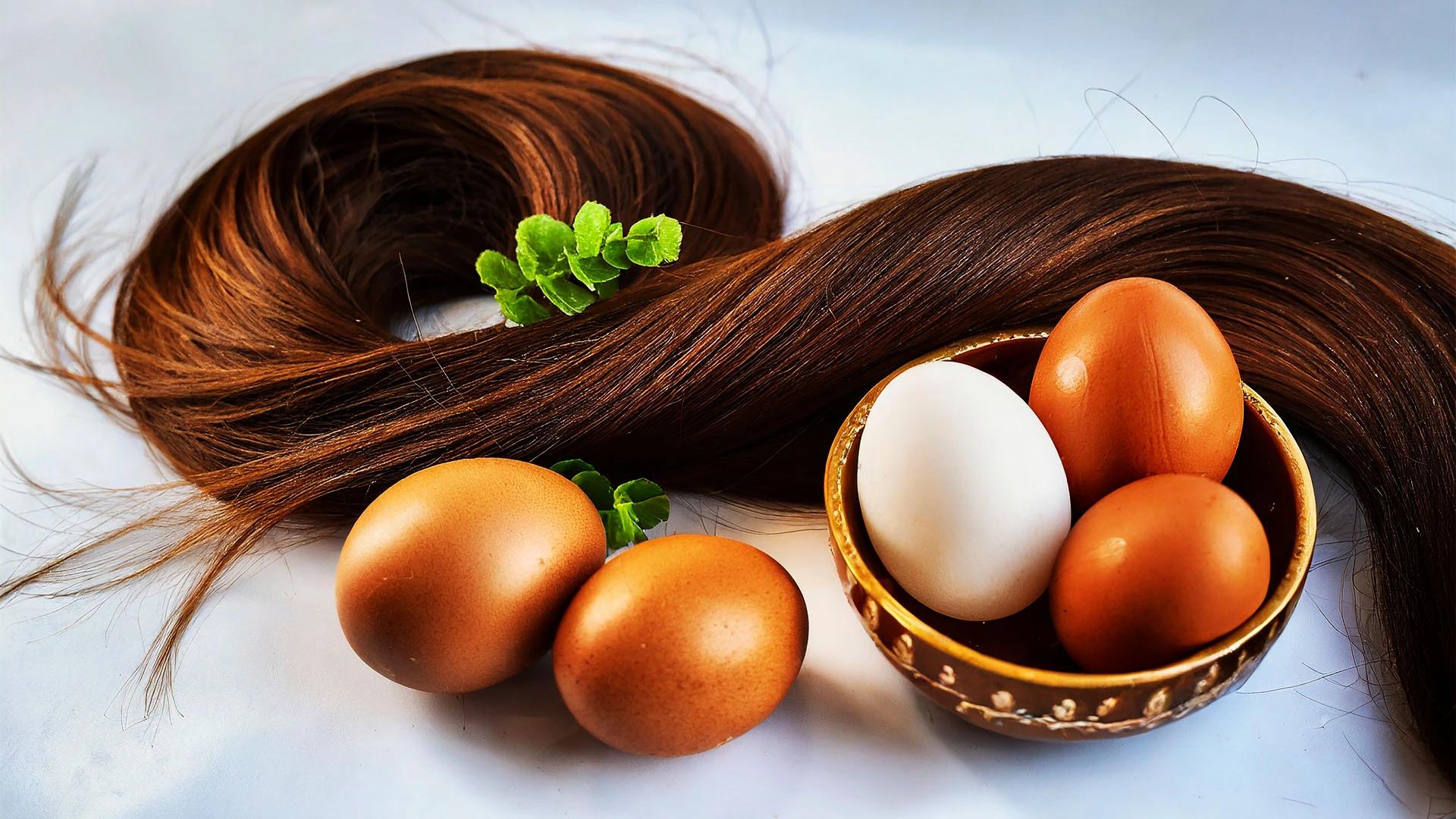
Hair is primarily made of protein, so feeding it protein-rich treatments makes perfect sense. Beat one whole egg, apply to damp hair from roots to tips, and leave for 20 minutes before washing with cool water. The proteins help fill in gaps in damaged hair cuticles, making hair stronger and less prone to breakage.
Mix 2 tablespoons of plain yogurt with 1 tablespoon of honey for a nourishing scalp treatment. The lactic acid in yogurt gently exfoliates dead skin cells, while honey provides moisture and antimicrobial benefits. This combination is particularly good for dry, flaky scalps that contribute to hair fall.
Mash one ripe avocado with 2 tablespoons of olive oil for an intensely moisturising treatment. Avocados are packed with vitamins E and B, while olive oil penetrates the hair shaft to provide deep conditioning. This mask is brilliant for brittle, over-processed hair that's breaking rather than falling from the root.
This traditional Indian remedy combines hibiscus flowers and curry leaves in coconut oil. Both ingredients are rich in amino acids and antioxidants that strengthen hair and promote growth. Boil a handful of each in coconut oil until the oil changes colour, strain, and use as a weekly hair mask.
Here's the thing about hair care tips — the most effective ones often have nothing to do with what you put on your hair. Your hair is essentially a reflection of your overall health, so addressing hair fall control from the inside out is crucial.
Protein is non-negotiable for healthy hair. Your hair follicles need adequate protein to produce strong keratin fibres. Include lean meats, fish, eggs, legumes, and nuts in your diet. If you're vegetarian, make sure you're combining proteins properly to get all essential amino acids.
Iron deficiency is one of the most common causes of hair loss, especially in women. Include iron-rich foods like spinach, lentils, and lean red meat, and pair them with vitamin C sources to improve absorption. If you suspect deficiency, get your levels tested rather than guessing.
Biotin and B vitamins support hair growth and strength. You'll find these in eggs, nuts, seeds, and leafy greens. While biotin supplements are popular, most people get enough from food unless they have a specific deficiency.
Chronic stress is a major hair fall trigger because it pushes follicles into the resting phase prematurely. Find stress management techniques that work for you — whether that's meditation, exercise, or just ensuring you get enough sleep. Your hair will thank you for it.
Sleep quality directly impacts hair growth because that's when your body repairs and regenerates cells. Aim for 7-9 hours of quality sleep and consider a silk pillowcase to reduce friction and breakage while you sleep.
If you're feeling overwhelmed by all the options, focus on these three essential areas for hair strengthening and healthy hair maintenance.
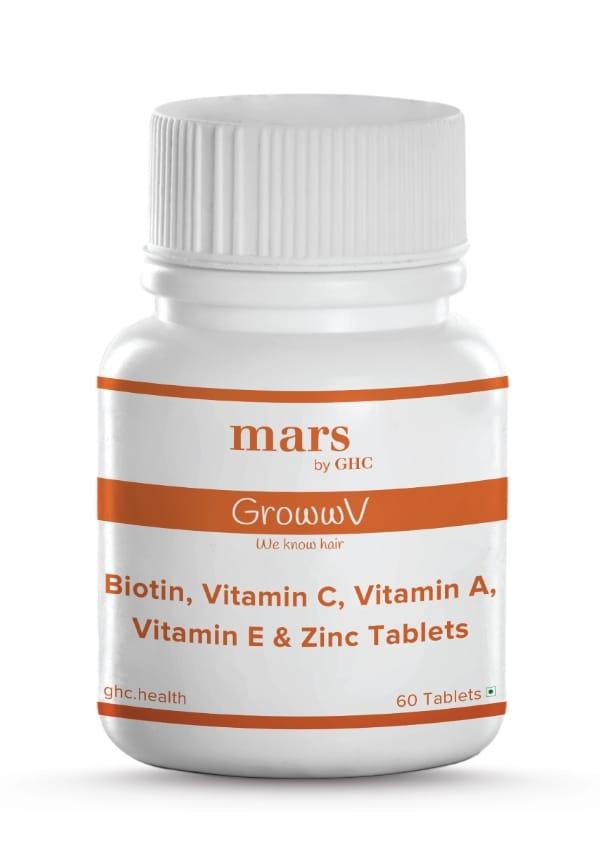
Biotin Natural Supplement to Control Hair Fall
First, prioritise scalp health through regular massage and gentle cleansing. A healthy scalp is the foundation for strong hair growth. Use a clarifying shampoo once weekly to remove buildup, but don't overwash — 2-3 times per week is plenty for most people.
Second, protect your hair from damage through gentle handling. Use wide-tooth combs on wet hair, avoid tight hairstyles that pull on the roots, and minimise heat styling. When you do use heat, always apply a protectant first.
Third, nourish from within through proper nutrition and hydration. No topical treatment can compensate for poor nutrition. Focus on a balanced diet rich in proteins, healthy fats, and vitamins, and drink plenty of water throughout the day.
Most people notice reduced shedding within 6-8 weeks of consistent use, but visible regrowth typically takes 3-6 months. This timeline reflects the natural hair growth cycle, which can't be rushed. Stick with your chosen remedies for at least 3 months before deciding if they're working for you.
Natural treatments can slow genetic hair loss and improve the health of existing hair, but they can't completely reverse androgenetic alopecia. They work best as part of a comprehensive approach that might include medical treatments for severe genetic hair loss.
Natural doesn't always mean side-effect-free. Essential oils can cause scalp irritation if used undiluted, and some people are allergic to ingredients like eggs or nuts. Always patch test new treatments on a small area first, and discontinue use if you experience irritation.
Most natural treatments work best when used 1-2 times per week. Daily use isn't necessary and can sometimes over-treat your hair and scalp. Scalp massages can be done daily, but intensive masks should be limited to prevent protein overload or moisture imbalance.
Yes, but introduce them gradually to see how your scalp responds. You might use rosemary oil twice weekly, do scalp massages daily, and apply a protein mask once weekly. Just avoid using multiple strong treatments on the same day, as this can overwhelm your scalp.
If you've tried natural remedies consistently for 6 months without seeing improvement, or if your hair loss is sudden and severe, it's time to consult a dermatologist. Medical treatments might be necessary for hormonal imbalances, autoimmune conditions, or advanced genetic hair loss.
Natural hair fall remedies can be incredibly effective, but they require patience, consistency, and realistic expectations. Focus on treatments that address your specific type of hair loss — whether that's stress-related shedding, nutritional deficiencies, or scalp health issues. Remember that healthy hair starts from within, so don't neglect the importance of proper nutrition, stress management, and gentle hair care practices.
The most successful approach combines topical treatments like rosemary oil and scalp massages with lifestyle changes that support overall hair health. Give any treatment at least 3 months to work, and don't be afraid to seek professional help if natural remedies aren't providing the results you need.
If you're curious about trying different hair care products to support your natural hair fall remedies, Smytten offers trial-size versions of many hair strengthening treatments and scalp care products. It's a smart way to test what works for your specific hair type before investing in full-size products, letting you build a personalised routine that actually delivers results.
