Natural Frizz Solution Tips FAQ: Your Questions Answered

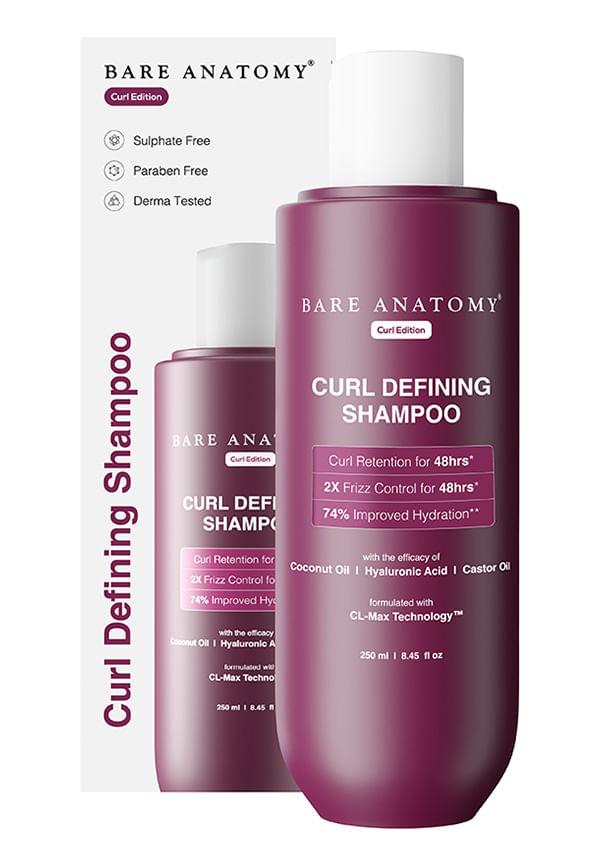
Curl Defining Shampoo | Curl Retention & 2X Frizz Protection For 48 Hours
You know that moment when you look in the mirror and your hair looks like you've been wrestling with a hairdryer in a windstorm? Yeah, we've all been there. Frizz has this sneaky way of showing up right when you need your hair to behave—before that important meeting, on a humid day, or literally any time you're running late. The good news? You don't need to spend a fortune on salon treatments or fancy products to get smooth, manageable hair. Sometimes the best solutions are sitting right in your kitchen cupboard.
Let's be real—frizz isn't just about having a "bad hair day." It's actually your hair's way of telling you something's up. When your hair cuticles (those tiny scales on each strand) lift up instead of lying flat, moisture from the air sneaks in and causes each strand to swell. That's when you get that fluffy, unruly texture that seems impossible to tame.
Humidity is the obvious culprit, but it's not the only one. Overwashing strips your hair of natural oils, leaving it desperate for moisture and more likely to grab it from the air. Heat damage from styling tools, chemical treatments, and even genetics play a role too. Some people are just born with hair that's naturally more porous—meaning it absorbs and loses moisture more easily.
The key to managing frizzy hair is understanding your hair's porosity. High porosity hair absorbs moisture quickly but loses it just as fast, whilst low porosity hair struggles to let moisture in but holds onto it once it's there. Knowing which camp you're in helps you choose the right natural frizz solution tips that actually work for your specific hair type.
Quick test: drop a clean strand of your hair into a glass of water. If it sinks quickly, you've got high porosity hair. If it floats for a while, you're dealing with low porosity. This simple trick can completely change how you approach your hair care routine.
Your kitchen is basically a treasure trove of natural hair care ingredients. These homemade hair masks and treatments have been passed down through generations for a reason—they work. Plus, you know exactly what's going into your hair, which is always a win.
Coconut oil is probably the most talked-about natural remedy, and for good reason. It's one of the few oils that can actually penetrate the hair shaft rather than just sitting on top. Warm up a tablespoon (more for longer hair) and work it through damp hair from mid-length to ends. Leave it on for at least 30 minutes, or overnight if you're feeling ambitious.
Argan oil is another game-changer, especially for fine hair that gets weighed down easily. Just a few drops smoothed through damp hair can make a massive difference. It's lighter than coconut oil but still packs serious moisture and shine benefits.
Avocado isn't just for toast—it's brilliant for hair too. Mash up half a ripe avocado with a tablespoon of honey and apply it to damp hair. The healthy fats in avocado nourish your hair whilst honey acts as a humectant, drawing moisture from the air and locking it in.
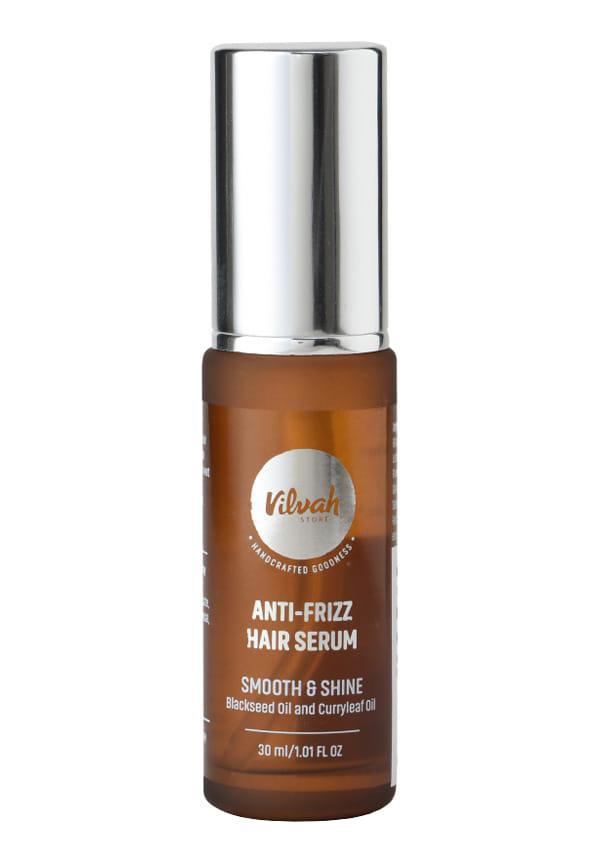
Anti-Frizz Hair Serum
Bananas might sound weird, but they're packed with potassium and natural oils that smooth the hair cuticle. Blend one ripe banana with an egg yolk for a protein-rich treatment that strengthens and smooths. Just make sure to rinse thoroughly—nobody wants banana bits in their hair.
This one's a bit of a revelation. Apple cider vinegar helps balance your hair's pH levels, which makes the cuticles lie flatter and reduces frizz. Mix one part ACV with three parts water and use it as a final rinse after shampooing. The smell disappears once your hair dries, promise.
Sometimes you need your beauty routine to work whilst you sleep. These overnight natural frizz solution tips are perfect for those mornings when you need to wake up with manageable hair without any extra effort.
First up: invest in a silk or satin pillowcase. Cotton pillowcases create friction that roughens up your hair cuticles overnight. Silk lets your hair glide smoothly, reducing both frizz and breakage. If a silk pillowcase isn't in the budget, a silk scarf wrapped around your hair works just as well.
For an intensive overnight treatment, try the "pineapple" method. Gather your hair very loosely at the very top of your head with a silk scrunchie. This keeps curls and waves from getting crushed whilst you sleep, and you'll wake up with much better definition and less frizz.
Aloe vera gel is another overnight hero. It's lightweight, non-greasy, and brilliant for hair hydration tips. Apply a small amount to damp hair before bed, focusing on the ends. You'll wake up with softer, more manageable hair that's ready to style.
Managing frizzy hair isn't just about weekly treatments—it's about the small daily choices that add up to healthier hair over time. Your washing routine is probably the biggest factor in how frizzy your hair gets.
Hot water might feel amazing, but it's terrible for frizz-prone hair. It strips away natural oils and opens up the hair cuticles, making them more likely to absorb humidity later. Lukewarm water for washing and a cool rinse at the end helps seal the cuticles and lock in moisture.
You probably don't need to wash your hair as often as you think. Most people can get away with washing every 2-3 days, which gives your scalp time to produce those natural oils that keep frizz at bay. On non-wash days, try a dry shampoo or just rinse with water if your hair feels a bit flat.
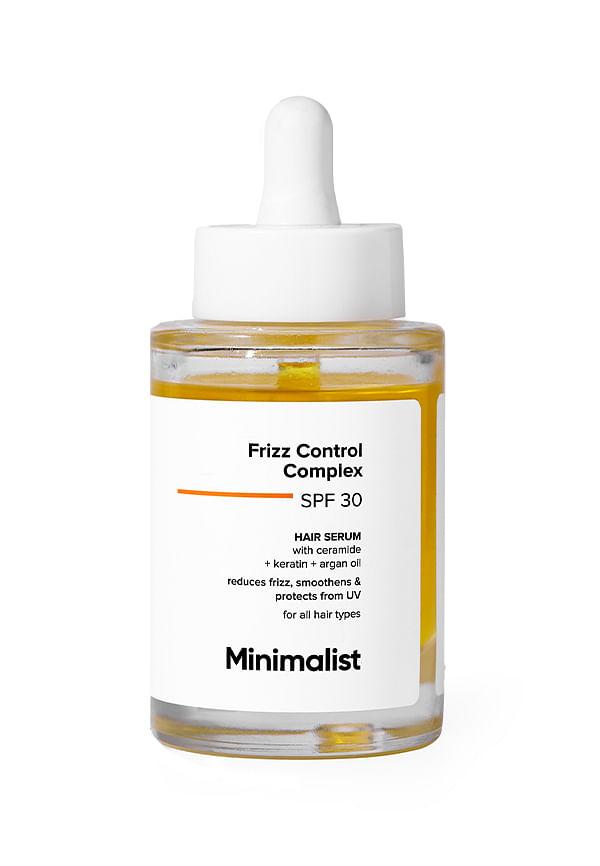
Frizz Control Complex SPF 30 Hair Serum
Step away from the fluffy towel. Seriously. Regular towels create friction that roughens up your hair cuticles and creates instant frizz. Instead, try a microfibre towel or even an old cotton t-shirt to gently squeeze out excess water.
If you've got curly hair, the "plopping" technique is worth trying. Lay a t-shirt flat, flip your hair onto it, and wrap it up turban-style for 10-20 minutes. This helps curls form without the frizz that comes from traditional towel-drying.
Whilst homemade treatments are brilliant, sometimes you need something that's ready to go. The trick is knowing which anti frizz products are actually worth your money and which ones are just fancy marketing.
When it comes to hair oils for frizz, argan oil, jojoba oil, and marula oil are the real MVPs. They're lightweight enough for most hair types but still provide serious moisture and shine. A good hair serum for frizz should contain these oils plus ingredients like glycerin or hyaluronic acid for extra hydration.
Look for products that are sulfate-free and contain natural ingredients you recognise. If the ingredient list reads like a chemistry textbook, it's probably not the natural solution you're after. The best products work with your hair's natural texture rather than trying to completely change it.
Professional hair smoothing treatments can cost hundreds of pounds, but you can get similar results at home with the right techniques and a bit of patience. These curly hair solutions work for all textures, not just tight curls.
Rice water treatments have been trending for good reason. The amino acids and vitamins in rice water can actually strengthen hair and reduce frizz. Rinse uncooked rice, then boil it in water for 15 minutes. Strain the water and let it cool, then use it as a final rinse after shampooing.
For a protein treatment that rivals salon versions, try a gelatin mask. Mix one packet of unflavoured gelatin with warm water until it dissolves, then add a tablespoon of apple cider vinegar. Apply to damp hair and leave for 15 minutes before rinsing. Your hair will feel noticeably stronger and smoother.
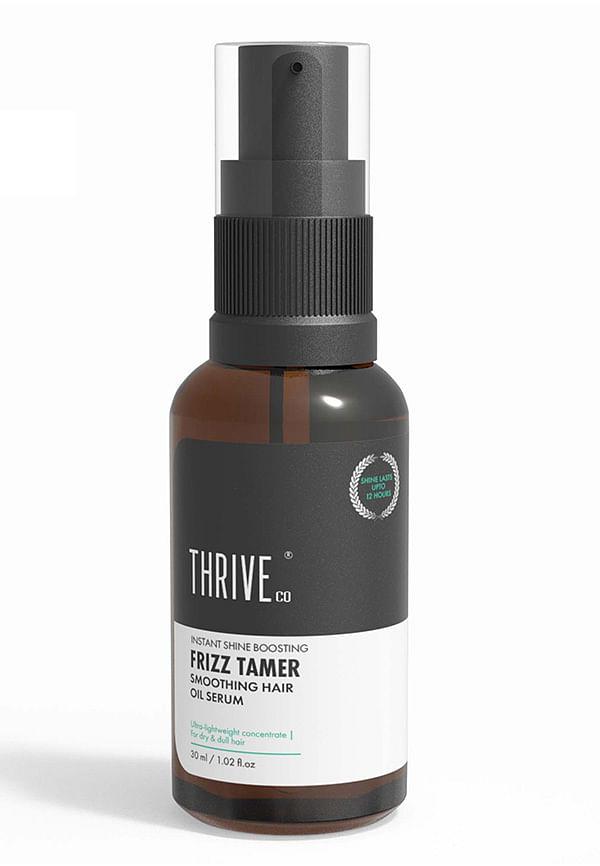
Frizz Tamer Smoothening Hair Oil
For emergency frizz fixes, try running a dryer sheet over your hair—it neutralises static and smooths flyaways instantly. You can also dampen your hands slightly and smooth them over your hair, then scrunch gently to reactivate any styling products. A tiny amount of hair oil or serum worked through the ends can also tame frizz in under a minute.
Permanent frizz reduction is more about consistent care than one-time treatments. Focus on maintaining proper moisture levels with regular deep conditioning, protecting your hair from heat damage, and using gentle styling techniques. Over time, these habits will significantly reduce your hair's tendency to frizz, though genetics and humidity will always play some role.
Dampen your hair slightly with a spray bottle, apply a small amount of leave-in conditioner or hair oil, then twist small sections of hair around your finger to encourage natural curl patterns. Scrunch gently and let air dry for a few minutes. This works especially well on second or third-day hair that just needs a refresh.
Fine hair responds well to lightweight oils like argan or jojoba, whilst thick hair can handle heavier treatments like coconut oil or shea butter. Straight hair benefits from smoothing serums and cool rinses, whilst curly hair needs more moisture and curl-defining techniques. The key is starting with less product and building up—you can always add more, but it's harder to remove excess.
Most natural treatments are gentle enough for colour-treated hair, but always do a patch test first. Apple cider vinegar rinses can actually help seal the hair cuticle and lock in colour, whilst oil treatments provide much-needed moisture to chemically processed hair. Avoid treatments with lemon juice or other acidic ingredients that might strip colour.
For most hair types, once a week is perfect for deep conditioning treatments. If your hair is severely damaged or very dry, you might benefit from twice-weekly treatments until it improves. Fine hair might only need deep conditioning every 10-14 days to avoid weighing it down. Pay attention to how your hair feels and adjust accordingly.
Managing frizzy hair naturally is totally doable with the right approach and a bit of patience. The best natural frizz solution tips focus on maintaining proper moisture balance, protecting your hair from damage, and working with your natural texture rather than fighting against it. Remember that consistency is key—these treatments work best when they become part of your regular routine rather than one-off fixes.
Whether you're dealing with humidity-induced frizz or damage from heat styling, there's a natural solution that can help. From simple kitchen ingredients to gentle daily habits, small changes can make a massive difference in how your hair looks and feels. Not sure which approach works best for your specific hair type? Smytten offers trial-size versions of many natural hair care products—a good way to test different formulations before committing to full-size bottles.
