Natural Dandruff Cures FAQ: Your Scalp Health Questions Answered

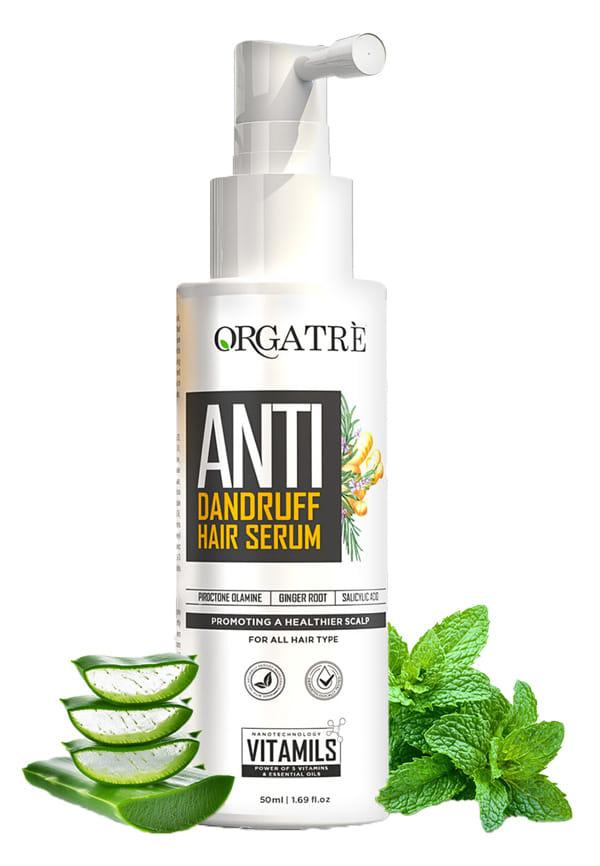
Anti Dandruff Hair Serum | Treatment for Dandruff, Flaky & Dry Scalp
You know that moment when you're getting ready for something important and suddenly notice those telltale white flakes on your shoulders? Real talk — dandruff has the worst timing. Whether it's a job interview, a date, or just a regular Tuesday when you want to feel good about yourself, those flakes seem to appear out of nowhere. The good news? You don't need to rely solely on harsh chemical treatments to get your scalp back on track. Natural dandruff cures have been helping people achieve healthier scalps for centuries, and many of them are probably sitting in your kitchen right now.
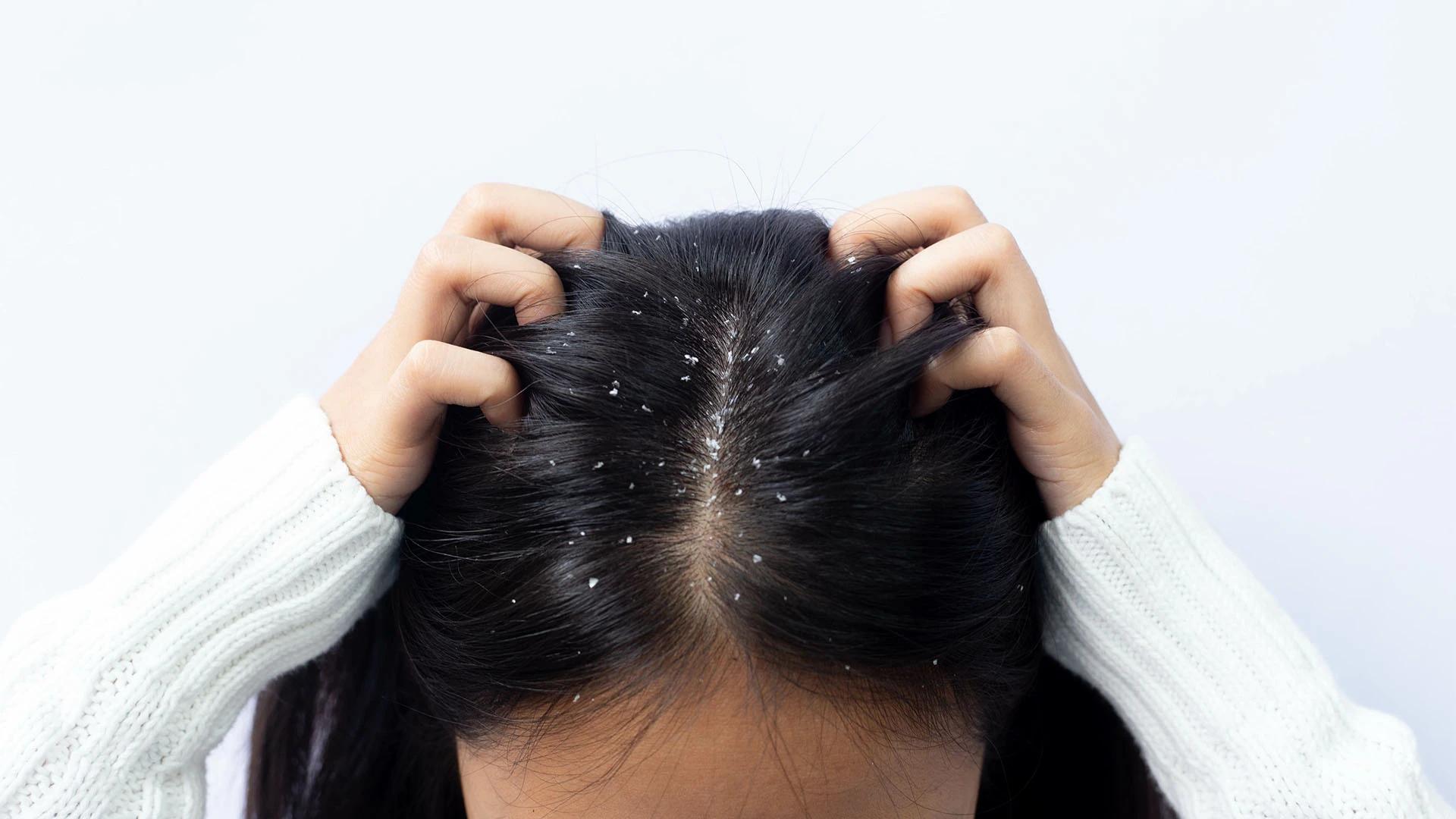
Let's start with the basics — what's actually happening up there? Dandruff isn't just about having a "dirty" scalp (that's a myth we need to bust). The main culprit is usually a yeast-like fungus called Malassezia that naturally lives on everyone's scalp. When this fungus goes into overdrive, it feeds on the oils your scalp produces and creates irritation. Your scalp responds by shedding skin cells faster than normal, and voilà — you've got flakes.
But here's where it gets interesting. Sometimes what looks like dandruff is actually just a dry, irritated scalp from over-washing, harsh products, or even stress. That's why natural dandruff cures work so well — they address multiple causes at once. Tea tree oil fights fungal overgrowth, aloe vera soothes inflammation, and coconut oil provides the moisture your scalp might be craving.
The beauty of scalp health remedies from nature is that they're gentler than many commercial treatments. While medicated shampoos can sometimes strip your scalp and create a cycle of dryness and irritation, natural ingredients work with your scalp's natural balance. Plus, you can use them as often as needed without worrying about building up resistance or dealing with harsh side effects.
Ready to dive into the good stuff? These home remedies for dandruff aren't just old wives' tales — many have actual research backing them up. The key is finding what works for your specific scalp situation and sticking with it long enough to see results.
This Australian native oil is probably the most researched anti-dandruff natural ingredient out there. Studies show that shampoos containing just 5% tea tree oil can significantly reduce dandruff symptoms. The oil's antifungal properties directly target Malassezia, while its anti-inflammatory effects soothe an irritated scalp. Always dilute it with a carrier oil like coconut or jojoba — pure tea tree oil is too strong for direct scalp application.
Your scalp's natural pH is slightly acidic, around 4.5 to 5.5. When this balance gets disrupted, fungus thrives. Apple cider vinegar helps restore that acidic environment, making it harder for dandruff-causing organisms to survive. Mix one part ACV with two parts water, apply to damp hair, let it sit for 10-15 minutes, then rinse thoroughly. The smell disappears once your hair dries, promise.
If your scalp feels itchy and irritated, aloe vera is your friend. This succulent plant contains compounds that reduce inflammation and provide instant cooling relief. Fresh aloe gel works best, but make sure to choose pure, organic products if you're buying commercial aloe. Apply directly to your scalp, massage gently, and leave for 20-30 minutes before washing out.
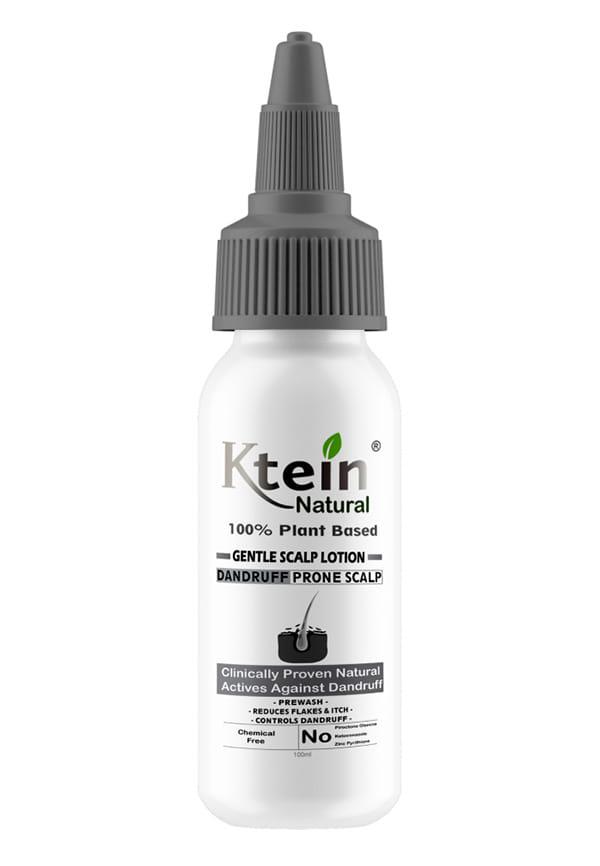
Natural 100% Plant Based Gentle Scalp Lotion Dandruff Prone Scalp
This dynamic duo tackles dandruff from two angles. Coconut oil's lauric acid has antifungal properties, while its moisturising effects prevent the dryness that can worsen flaking. Lemon juice adds vitamin C and citric acid, which help break down fungal buildup. Mix two tablespoons of coconut oil with the juice of half a lemon, warm slightly, and massage into your scalp for an overnight treatment.
Neem has been used in traditional Indian medicine for centuries, and modern research confirms its antifungal and antibacterial properties. You can make a paste from fresh neem leaves or use neem oil diluted with a carrier oil. The smell is quite strong, so this might be better as a weekend treatment when you can wash it out thoroughly.
Beyond tea tree, several other essential oils show promise for dandruff relief naturally. Lemongrass oil has antifungal properties, rosemary oil improves circulation to the scalp, and peppermint oil provides a cooling, anti-inflammatory effect. Always dilute essential oils in a carrier oil before applying to your scalp — a good ratio is 3-5 drops of essential oil per tablespoon of carrier oil.
Baking soda works as a gentle exfoliant to remove dead skin cells and product buildup while helping to balance your scalp's pH. Mix a tablespoon of baking soda with enough water to make a paste, massage into wet hair focusing on the scalp, then rinse thoroughly. Use this treatment only once a week, as overuse can be drying.
Now that you know the star ingredients, let's put them together into practical treatments you can actually use. These diy dandruff solutions are designed to fit into real life — because who has time for complicated routines?
For those emergency situations when you need immediate help, try this quick fix: mix equal parts apple cider vinegar and water in a spray bottle. Spray onto your scalp, massage for two minutes, then rinse. The acidity helps loosen flakes while the massage improves circulation. It's not a long-term solution, but it'll get you through that important meeting.
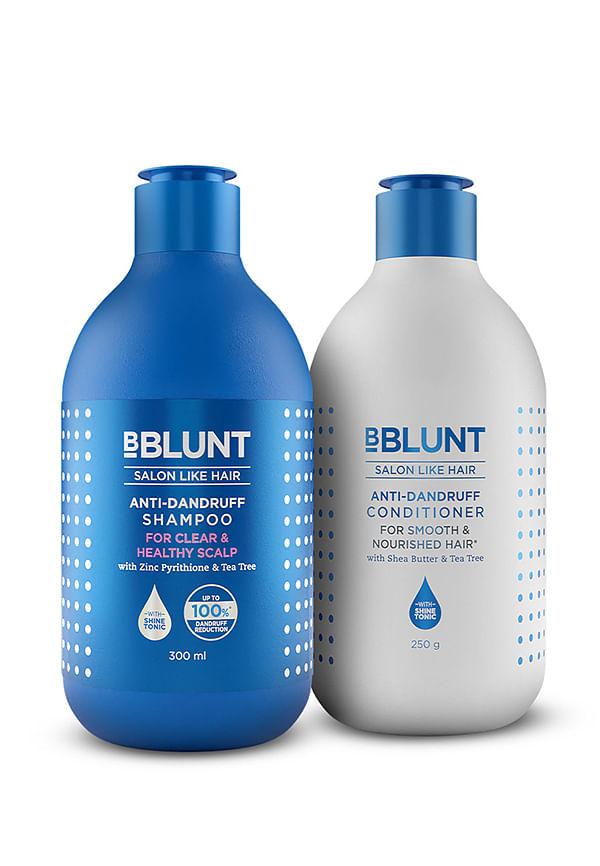
Anti-Dandruff Combo For a Clear & Healthy Scalp
This herbal dandruff treatment combines multiple natural ingredients for maximum impact. Mix two tablespoons of coconut oil, five drops of tea tree oil, one tablespoon of aloe vera gel, and a teaspoon of lemon juice. Apply to your scalp section by section, cover with a shower cap, and leave for 45 minutes to an hour. Shampoo twice to remove all residue. Do this once a week for best results.
For stubborn dandruff, overnight treatments give ingredients more time to work. The safest option is plain coconut oil with a few drops of tea tree oil. Apply to your scalp, braid or tie up your hair, and sleep on an old pillowcase. Wash out in the morning with a gentle shampoo. This treatment is particularly good for addressing both fungal issues and scalp dryness simultaneously.
Treating dandruff isn't just about what you put on your scalp — it's about creating an environment where your scalp can stay healthy long-term. Organic dandruff control means looking at your entire routine and making adjustments that support scalp health.
Start with your washing frequency. Contrary to popular belief, washing your hair every day isn't necessary for most people and can actually strip your scalp of natural oils. For most hair types, washing 2-3 times a week is sufficient. When you do wash, use lukewarm water instead of hot — high temperatures can irritate your scalp and worsen flaking.
Pay attention to the products you're using. Many commercial shampoos contain sulfates, which can be too harsh for sensitive scalps. Look for gentle, sulfate-free formulas, or try natural alternatives like diluted castile soap. Avoid products with heavy fragrances or alcohol, which can dry out your scalp.
Stress management plays a bigger role in scalp health than you might think. High stress levels can trigger inflammatory responses that worsen dandruff. Regular exercise, adequate sleep, and stress-reduction techniques like meditation can all contribute to better scalp health. Your diet matters too — foods rich in zinc, B vitamins, and omega-3 fatty acids support healthy skin and scalp function.
The most effective approach combines regular use of antifungal ingredients like tea tree oil or apple cider vinegar with gentle exfoliation and proper scalp hygiene. Start with a weekly treatment using one of the natural remedies mentioned above, maintain consistent washing with a gentle shampoo, and give it at least 4-6 weeks to see significant improvement. Remember, natural treatments work more gradually than medicated shampoos, but they're often gentler and more sustainable long-term.
For the fastest natural results, tea tree oil is your best bet. Its antifungal properties can start working immediately, though you'll need consistent use to see lasting results. A diluted tea tree oil treatment applied 2-3 times per week can show improvement within 2-3 weeks. Apple cider vinegar rinses can also provide quick relief from itching and help loosen existing flakes, making them easier to wash away.
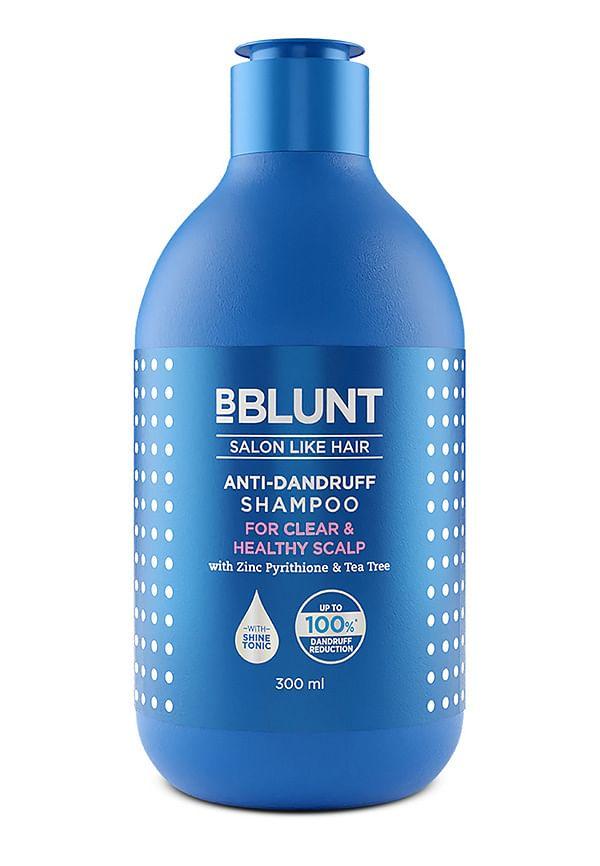
Anti-Dandruff Shampoo For a Clear & Healthy Scalp
Complete elimination requires addressing root causes, not just symptoms. This means identifying whether your dandruff is fungal, related to dry scalp, or caused by sensitivity to products. Once you know the cause, you can create a targeted routine combining natural treatments with lifestyle changes. Maintain a consistent scalp care routine, manage stress levels, eat a balanced diet, and avoid harsh hair products. Most people can achieve long-term control, though some may need occasional maintenance treatments.
No single natural ingredient "permanently kills" dandruff because the underlying causes — like the Malassezia fungus — are part of your scalp's natural ecosystem. However, regular use of antifungal ingredients like tea tree oil, neem, or coconut oil can keep fungal overgrowth in check. The key is consistency and addressing all contributing factors: maintaining proper scalp pH, managing oil production, reducing inflammation, and supporting overall scalp health through diet and lifestyle choices.
Research suggests that some natural ingredients can be as effective as medicated treatments for mild to moderate dandruff. Tea tree oil, for example, has been shown to be as effective as zinc pyrithione (a common medicated shampoo ingredient) in clinical studies. However, severe dandruff or underlying scalp conditions may require medical treatment. Natural remedies work best for prevention and mild cases, and they're often better for long-term use since they don't cause the scalp irritation that some medicated shampoos can.
While natural doesn't always mean harmless, most scalp health remedies are quite safe when used properly. Always do a patch test before trying any new ingredient — apply a small amount to your inner wrist and wait 24 hours to check for reactions. This is especially important with essential oils, which can cause allergic reactions in some people.
Some warning signs that warrant a dermatologist visit include severe itching that doesn't improve with treatment, red or inflamed patches on your scalp, hair loss, or flakes that are yellow or greasy rather than white and dry. These could indicate conditions like seborrheic dermatitis or psoriasis, which require different treatment approaches.
Pregnant women should be cautious with essential oils, particularly tea tree oil, and should consult their healthcare provider before trying new treatments. Similarly, if you have sensitive skin or existing scalp conditions, start with gentler options like aloe vera or diluted apple cider vinegar before moving to stronger treatments.
Natural dandruff cures offer a gentle, effective approach to achieving lasting scalp health. The key is understanding that dandruff has multiple causes — fungal overgrowth, inflammation, dryness, or product sensitivity — and choosing treatments that address your specific situation. Tea tree oil, apple cider vinegar, and coconut oil are among the most effective natural options, backed by both traditional use and modern research.
Success with natural treatments requires patience and consistency. Unlike medicated shampoos that might show quick results, natural remedies work more gradually but often provide more sustainable, long-term relief. Combine topical treatments with lifestyle factors like stress management, proper diet, and gentle hair care practices for the best results.
Remember that what works for your friend might not work for you — scalp chemistry varies from person to person. Don't be afraid to experiment with different natural ingredients and combinations until you find your perfect match. The Smytten platform offers a great way to explore different haircare products and natural ingredient-based formulations from trusted brands. Not sure which approach works best for your scalp? Many of these natural ingredient-based products are available in trial sizes, letting you test what works before committing to full-size bottles.
