Monsoon Soothing Scalp FAQ: Your Questions Answered
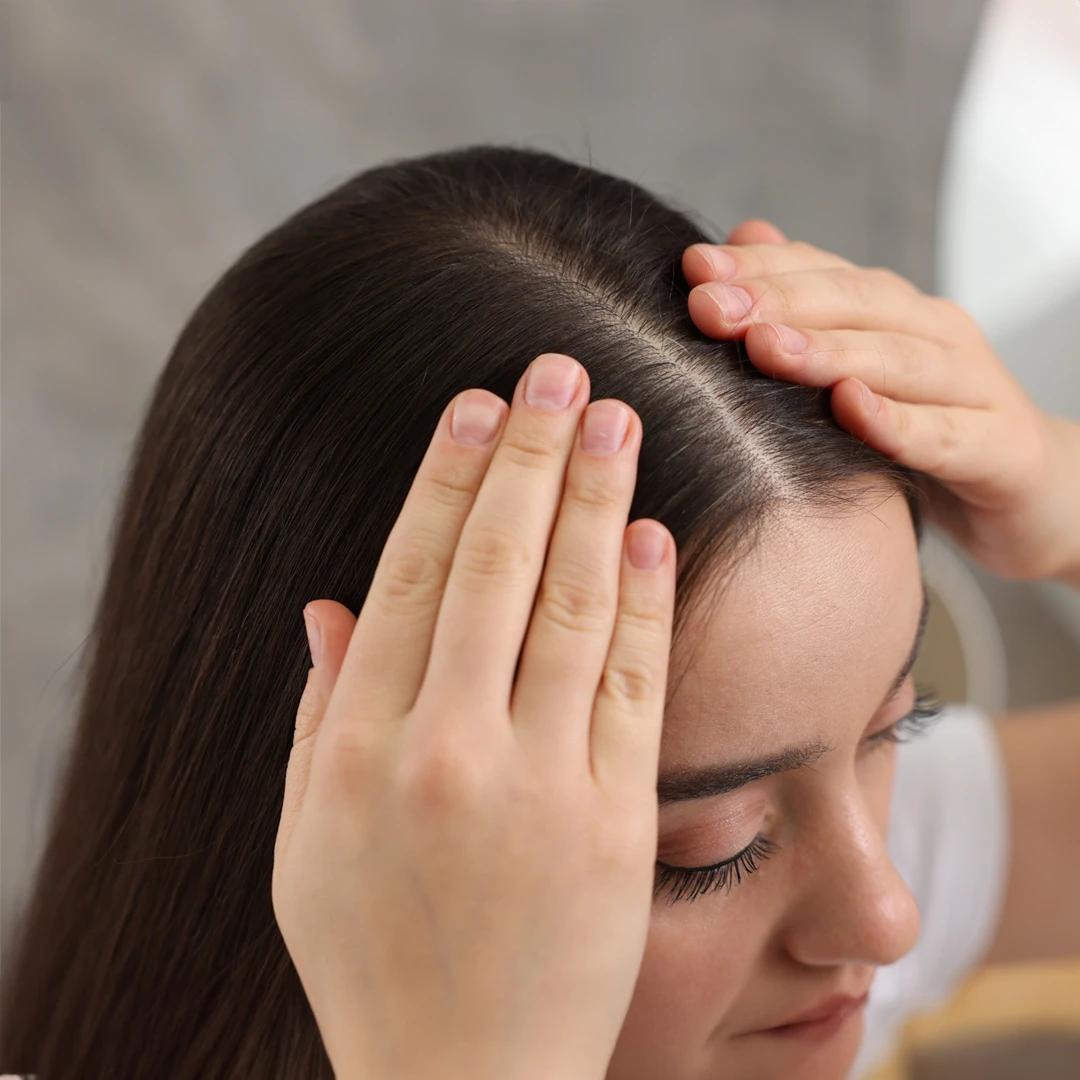

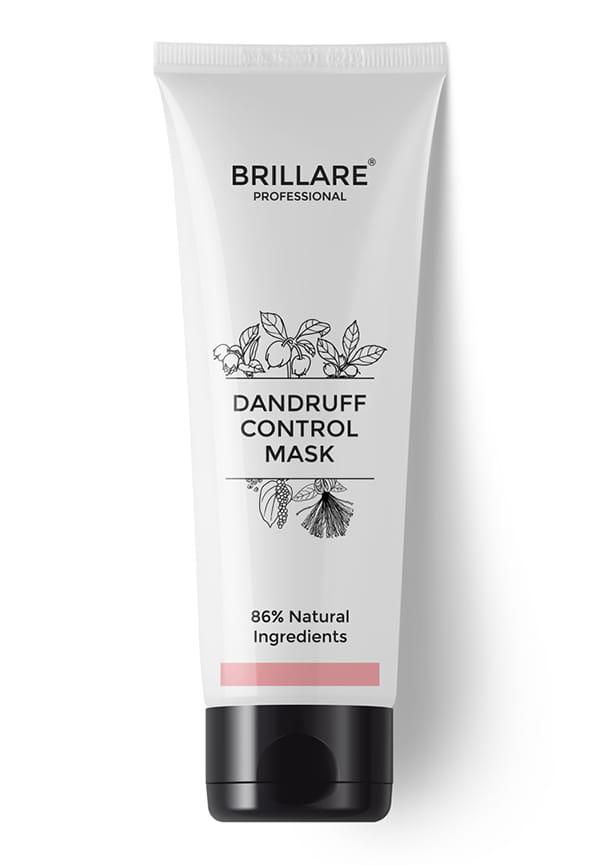
Conditioner For Itchy, Flaky Scalp
Picture this: you wake up to the sound of rain, and your first thought isn't about the cosy weather—it's about your scalp feeling like it's hosting a tiny rebellion. The itching, the flakes, that weird oily-yet-dry feeling that makes no sense. If monsoons turn your scalp into a problem zone every year, you're definitely not alone. The humidity, the constant dampness, and all that extra moisture in the air create the perfect storm for scalp issues. But here's the thing—most of these problems are totally manageable once you know what you're dealing with.
Let's be real—monsoons are gorgeous until your scalp starts acting up. The rainy season brings a cocktail of challenges that your scalp just isn't built to handle without some extra care. High humidity levels mess with your scalp's natural pH balance, creating an environment where fungi and bacteria absolutely thrive. Think of it like this: your scalp becomes a warm, moist greenhouse, and unfortunately, not all the things growing there are welcome guests.
The science behind monsoon scalp problems is actually pretty straightforward. When humidity levels spike, your scalp produces more oil to compensate for the moisture in the air. But here's where it gets tricky—this excess oil mixes with sweat, dead skin cells, and environmental pollutants, creating a buildup that clogs your hair follicles. Add the fact that your hair takes longer to dry completely, and you've got the perfect breeding ground for scalp infections and irritation.
Your scalp's pH balance is naturally slightly acidic, sitting around 4.5 to 5.5. This acidity helps keep harmful bacteria and fungi at bay. But when humidity levels soar during monsoons, this delicate balance gets disrupted. The excess moisture in the air causes your scalp to produce more sebum, which can shift the pH towards alkaline territory—exactly what opportunistic microorganisms love.
Scalp infection monsoon triggers include everything from fungal overgrowth to bacterial buildup. Dandruff monsoon season flare-ups happen because the Malassezia fungus (the main culprit behind dandruff) absolutely loves humid conditions. You might also notice increased hair fall, scalp irritation, and that persistent itchy feeling that makes you want to scratch constantly—but please don't, because that only makes things worse.
When your scalp is crying out for relief, natural remedies can be absolute lifesavers. The best part about going the natural route is that these ingredients are gentle, accessible, and won't strip your scalp of its natural protective barrier. Plus, most of these remedies have been used for centuries, so you know they've stood the test of time.
Before diving into any treatment, remember that consistency is key. Natural remedies work gradually, so don't expect overnight miracles. But stick with them, and you'll likely see significant improvement in your scalp health within a few weeks.
Tea tree oil is like the superhero of scalp care monsoon treatments. Its anti-fungal and anti-bacterial properties make it perfect for tackling the root causes of scalp irritation. Mix 2-3 drops with a carrier oil like coconut or jojoba, massage gently into your scalp, and leave for 20 minutes before washing. Always do a patch test first—tea tree oil is potent stuff.
Fresh aloe vera gel is incredibly cooling and anti-inflammatory, making it perfect for immediate scalp irritation relief. Scoop out fresh gel from an aloe leaf, apply directly to your scalp, and let it sit for 30 minutes. The cooling sensation is instant, and the healing properties work their magic over time.
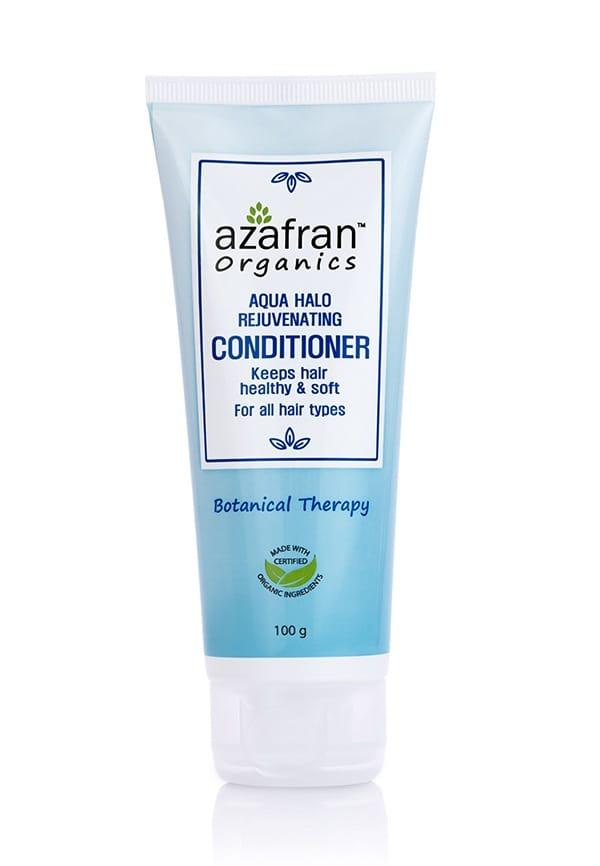
Aqua Halo Scalp Rejuvenating Conditioner
Neem leaves have powerful anti-fungal properties, while lemon helps balance your scalp's pH. Boil neem leaves in water, let it cool, add a few drops of lemon juice, and use this as a final rinse after shampooing. It might not smell like a spa treatment, but your scalp will thank you.
Sometimes, natural remedies need a little backup from professional-grade treatments. The good news is that there are plenty of effective options available that can give you faster, more targeted relief. These treatments are especially helpful if you're dealing with persistent issues that haven't responded to home remedies.
Professional treatments work because they contain concentrated active ingredients that can penetrate deeper into your scalp and target specific problems more effectively. Think of them as the heavy artillery in your monsoon hair care routine.
Look for shampoos containing ketoconazole, selenium sulfide, or zinc pyrithione—these ingredients specifically target the fungi responsible for dandruff and scalp infections. Use these 2-3 times a week, alternating with a gentle, sulfate-free shampoo to avoid over-drying your scalp.
Weekly scalp masks containing salicylic acid or coal tar can help remove buildup and reduce inflammation. Apply these treatments to dry scalp, leave for the recommended time, then shampoo thoroughly. Some people find overnight treatments work better, but start with shorter durations to see how your scalp reacts.
Your daily routine during monsoons needs to be different from your regular year-round approach. The key is finding the right balance between keeping your scalp clean and not overdoing it. Too much washing can strip your scalp's natural oils, leading to overproduction of sebum—exactly what you're trying to avoid.
Think of your monsoon routine as a careful dance between cleansing, protecting, and nourishing. Each step should work together to maintain your scalp's health while dealing with the extra challenges that humidity brings.
Most people need to wash their hair every other day during monsoons, but this can vary based on your scalp type. If you have an oily scalp, daily washing might be necessary. For dry or sensitive scalps, every 2-3 days is usually enough. Pay attention to how your scalp feels and adjust accordingly.
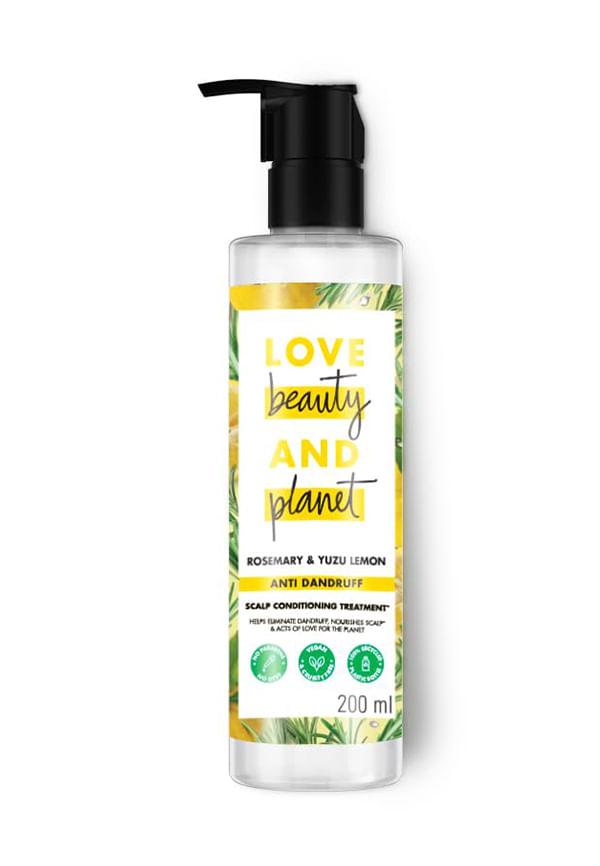
Rosemary & Yuzu Lemon Anti Dandruff Scalp Conditioning Treatment
Heavy styling products are your scalp's enemy during monsoons. They create additional buildup and can trap moisture against your scalp. Switch to lighter, water-based products, and try to give your hair product-free days whenever possible. Your scalp needs to breathe.
What you eat directly affects your scalp health. Foods rich in omega-3 fatty acids, zinc, and B vitamins support healthy scalp function. Stay hydrated, manage stress levels, and get enough sleep—all these factors play a role in maintaining healthy scalp tips during challenging weather conditions.
Prevention is always better than cure, especially when it comes to monsoon scalp problems. The good news is that most scalp issues during rainy season are totally preventable with the right approach. It's all about creating an environment where harmful bacteria and fungi can't thrive.
Think of prevention as building a fortress around your scalp health. Every small step you take—from how you dry your hair to what you sleep on—contributes to keeping your scalp happy and healthy throughout the monsoon season.
Cover your hair when you're out in the rain, but make sure to remove any covering as soon as you're indoors. Trapped moisture is worse than getting wet in the first place. If your hair does get soaked, gently towel-dry it and let it air-dry completely before tying it up or going to bed.
Change your pillowcases more frequently during monsoons—they can harbour bacteria and fungi that transfer to your scalp while you sleep. Clean your hair brushes and combs regularly with an anti-bacterial solution. These small hygiene steps make a huge difference in preventing scalp infections.
While most monsoon scalp problems are manageable at home, there are times when you need professional intervention. Knowing when to seek help can prevent minor issues from becoming major problems. Don't ignore persistent symptoms—your scalp is trying to tell you something important.
If you experience severe itching that doesn't respond to treatment, notice unusual hair loss patterns, or see signs of infection like pus or severe inflammation, it's time to see a professional. Persistent symptoms lasting more than two weeks despite consistent treatment also warrant medical attention.
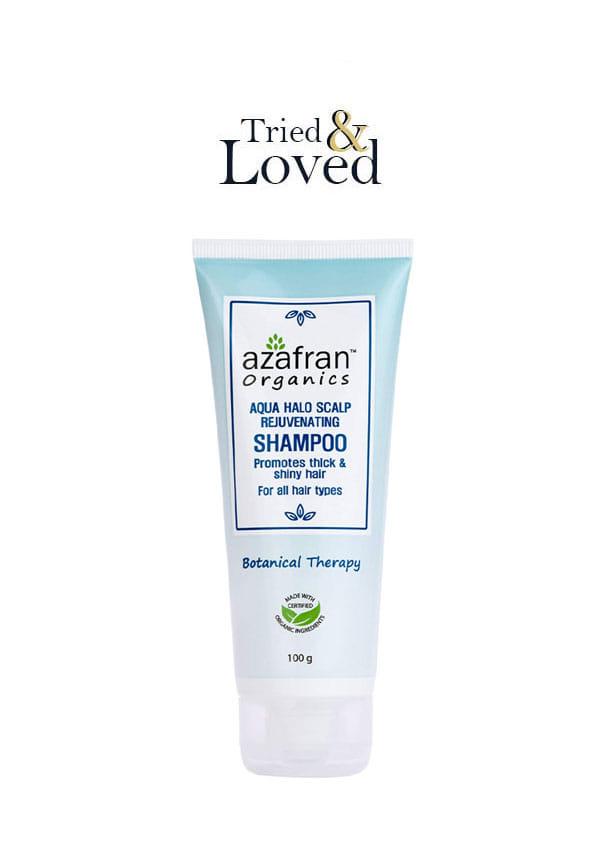
Aqua Halo Scalp Rejuvenating Shampoo
Dermatologists handle medical scalp conditions like infections or inflammatory disorders, while trichologists specialise in hair and scalp health from a cosmetic perspective. If you're unsure, start with a dermatologist—they can rule out medical issues and refer you to a trichologist if needed.
For quick relief, try a cool water rinse with a tablespoon of apple cider vinegar mixed in. The acidity helps restore your scalp's pH balance while the cool temperature reduces inflammation. You can also apply a cold compress wrapped in a clean cloth to particularly itchy areas for 10-15 minutes. Aloe vera gel straight from the fridge provides instant cooling relief too.
This depends on your scalp type and activity level. Generally, every other day works for most people, but if you have an oily scalp or exercise regularly, daily washing might be necessary. Watch for signs—if your scalp feels greasy or itchy by the end of the day, you might need to wash more frequently. If it feels tight or dry, scale back to every 2-3 days.
Not necessarily. Many effective treatments can be done at home with simple ingredients. Professional treatments are worth considering if you have persistent issues that haven't responded to home care, or if you want faster results. But for general monsoon scalp care, consistent use of the right products and techniques at home is usually sufficient.
Most monsoon-related scalp issues are temporary and reversible with proper care. However, severe or untreated scalp infections can potentially damage hair follicles, leading to permanent hair loss in affected areas. This is why it's important to address scalp problems promptly and seek professional help if symptoms persist or worsen.
Absolutely. Your scalp health reflects your overall health, and nutrition plays a crucial role. Foods rich in zinc, omega-3 fatty acids, and B vitamins support healthy scalp function and can help your scalp better resist fungal and bacterial overgrowth. Staying hydrated is equally important—dehydration can make scalp problems worse.
Pack a travel-sized anti-fungal shampoo, some tea tree oil, and a small bottle of apple cider vinegar for emergency rinses. If you're staying in humid accommodations, try to keep your hair as dry as possible and avoid sharing towels or pillows. Carry a silk or satin hair wrap to protect your hair while sleeping in unfamiliar environments.
Dealing with monsoon scalp problems doesn't have to be a yearly nightmare. With the right combination of preventive care, natural remedies, and professional treatments when needed, you can keep your scalp healthy and comfortable throughout the rainy season. Remember, consistency is key—small daily actions add up to significant improvements over time.
The most important thing is to listen to your scalp and adjust your routine based on what it needs. What works for your friend might not work for you, and that's completely normal. Experiment with different approaches, be patient with the process, and don't hesitate to seek professional help if you need it.
If you're looking to try different scalp care products without committing to full sizes, Smytten offers trial-size versions of many effective treatments from trusted brands. It's a smart way to find what works for your specific scalp needs before investing in larger bottles—especially helpful when you're building your monsoon care routine.
