Monsoon Scalp Treatment FAQ: Your Questions Answered
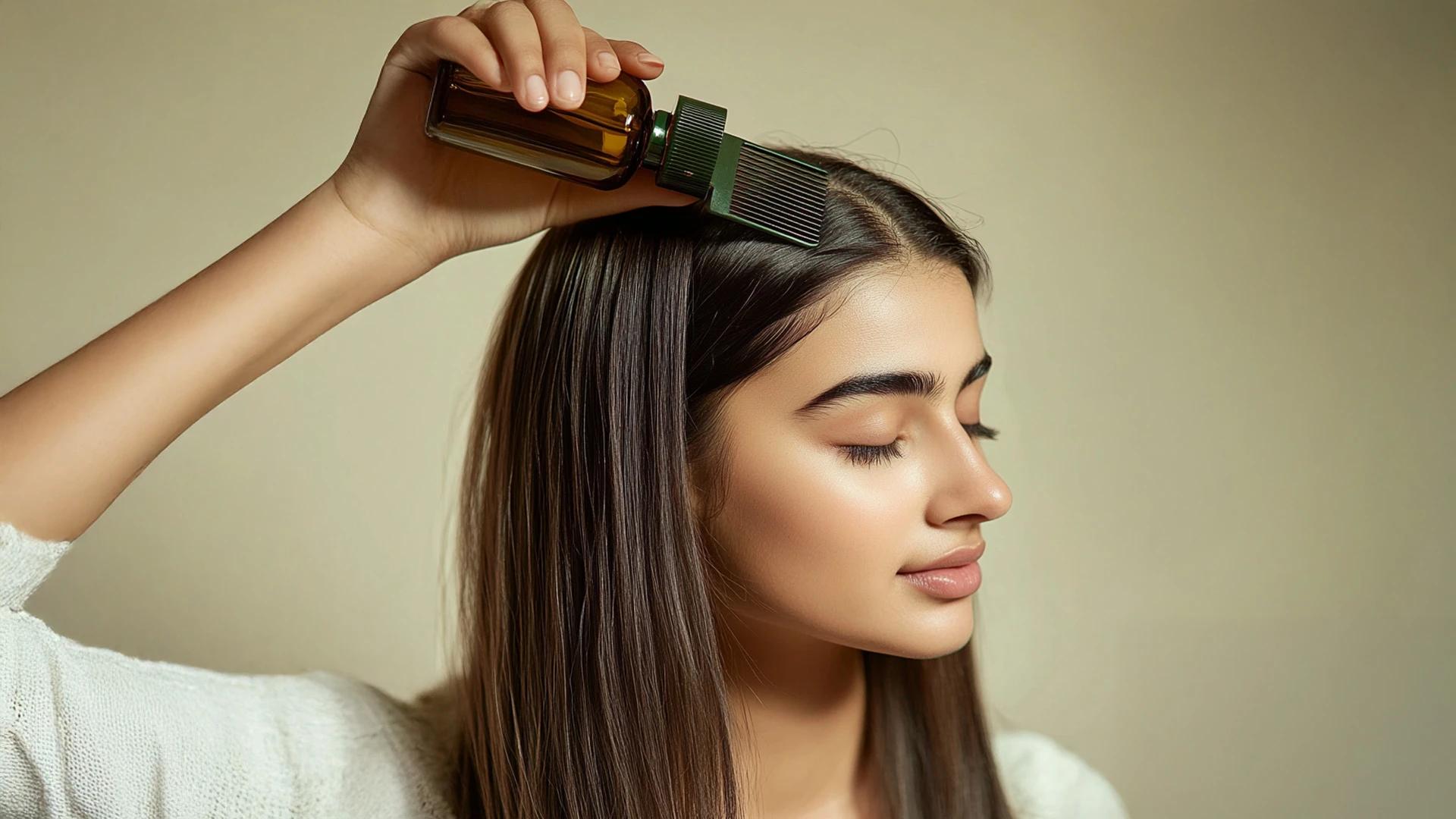

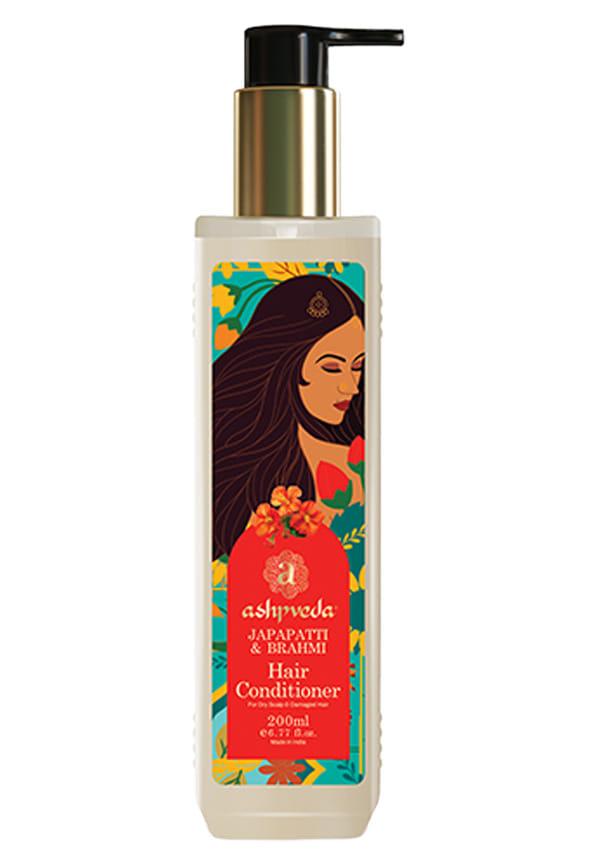
Japapatti & Brahmi Hair Conditioner for Dry Scalp, Damaged and Freezy Hair (200 ml)
Let's be real — the moment those first monsoon drops hit, your scalp starts acting up. One day it's an itchy mess, the next it's producing enough oil to fuel a small engine, and don't even get us started on the mysterious white flakes that appear overnight. Sound familiar? You're definitely not alone in this soggy struggle. Monsoon season brings its own unique set of scalp challenges that can leave even the most dedicated haircare enthusiasts scratching their heads (literally). The good news? Most monsoon scalp issues are totally manageable once you know what you're dealing with and have the right game plan.
Here's the thing about monsoon humidity — it creates the perfect storm for scalp chaos. When the air is loaded with moisture, your scalp becomes a breeding ground for fungi and bacteria that absolutely love warm, damp environments. Think of it like leaving a wet towel in your gym bag for days — not exactly the freshest situation.
The science bit is actually pretty straightforward. High humidity levels mess with your scalp's natural sebum production, either sending it into overdrive or completely confusing it. Your hair follicles get clogged with a cocktail of excess oil, dead skin cells, and environmental pollutants that stick around thanks to all that moisture in the air. This creates the perfect recipe for dandruff, scalp infections, and that persistent itchy feeling that makes you want to scratch your head in public.
What makes it worse is that your regular haircare routine — the one that worked perfectly during dry months — suddenly becomes useless. That gentle shampoo you loved? It's not cutting through the extra buildup. That leave-in treatment? It's just sitting on your scalp, creating more problems. Your scalp needs a completely different approach during monsoon season, and that's where targeted scalp treatment comes in.
The key to effective monsoon scalp treatment isn't about using more products — it's about using the right ones at the right frequency. Your scalp needs gentle but thorough cleansing that removes buildup without stripping away natural oils completely. This means washing your hair more frequently than usual, but with a lighter touch.
Start with a clarifying shampoo once or twice a week to deep-clean your scalp and remove stubborn buildup. Look for ingredients like salicylic acid or tea tree oil that can cut through excess oil and have anti-fungal properties. On other days, use a gentle, pH-balanced shampoo that won't irritate your already sensitive scalp. The trick is to massage your scalp thoroughly but gently — think spa treatment, not aggressive scrubbing.
Scalp exfoliation becomes crucial during monsoon season. A weekly scalp scrub using gentle exfoliating ingredients like rice bran or oatmeal can help remove dead skin cells and prevent clogged follicles. You can create a simple DIY scrub by mixing brown sugar with your regular shampoo, or invest in a proper scalp exfoliating treatment.
Moisture balance is where things get tricky. Your scalp might feel oily on the surface but actually be dehydrated underneath. Use lightweight, water-based scalp serums or treatments that provide hydration without adding heaviness. Ingredients like hyaluronic acid and aloe vera work brilliantly for this.
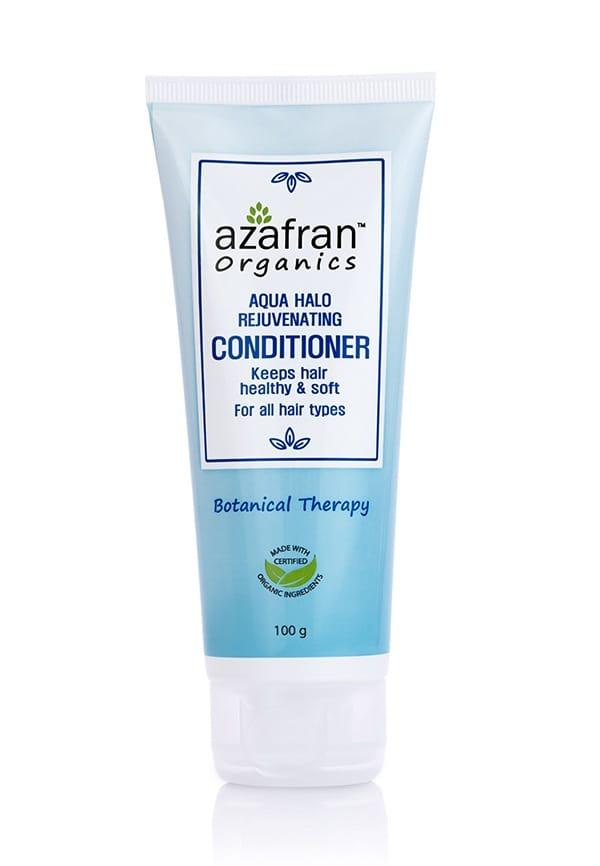
Aqua Halo Scalp Rejuvenating Conditioner
That constant urge to scratch your scalp during monsoon? It's usually a combination of fungal overgrowth, product buildup, and irritation from trapped moisture. For immediate relief, try a cooling scalp treatment using peppermint oil diluted in a carrier oil like coconut or jojoba. The menthol provides instant cooling while the anti-inflammatory properties help calm irritated skin.
Aloe vera gel applied directly to the scalp can provide soothing relief and has natural anti-fungal properties. Keep a bottle of pure aloe vera gel in your fridge and apply it to problem areas for an instant cooling effect. If the itching persists for more than a week or is accompanied by severe flaking or redness, it's worth seeing a dermatologist to rule out conditions like seborrheic dermatitis.
Monsoon hair fall is real, and it's often caused by weakened hair follicles due to excess moisture and fungal infections. Hair strengthening starts with scalp massage using oils like rosemary or castor oil, which improve blood circulation and provide nutrients to hair follicles. Spend 5-10 minutes massaging your scalp before washing your hair.
Protein treatments become essential during monsoon season. Look for treatments containing keratin, biotin, or rice protein that can strengthen hair shafts from the inside out. Apply these treatments to damp hair, focusing on the mid-lengths and ends, and leave on for the recommended time before rinsing thoroughly.
Monsoon dandruff is usually more stubborn than regular dandruff because it's often fungal in nature. Anti-dandruff shampoos containing ketoconazole, zinc pyrithione, or selenium sulfide work best for this type of dandruff. Use these medicated shampoos 2-3 times a week, making sure to leave the lather on your scalp for at least 5 minutes before rinsing.
Natural remedies can be surprisingly effective too. A weekly treatment using diluted apple cider vinegar can help restore your scalp's pH balance and reduce fungal growth. Mix one part ACV with three parts water and use it as a final rinse after shampooing.
While DIY treatments can be effective for mild scalp issues, sometimes you need professional intervention. Salon scalp treatments during monsoon season often include deep cleansing with professional-grade products, scalp steaming to open pores, and targeted treatments for specific concerns like severe dandruff or hair fall.
Professional treatments are worth considering if you're dealing with persistent scalp infections, severe hair fall that doesn't improve with home treatments, or if you have sensitive skin that reacts badly to most products. A good scalp analysis can help identify underlying issues you might not be aware of.
For DIY enthusiasts, focus on simple, proven ingredients. Neem oil is fantastic for its anti-fungal properties, tea tree oil works well for oily scalps, and coconut oil provides gentle moisturising without being too heavy. Always patch test new ingredients and introduce them gradually into your routine.
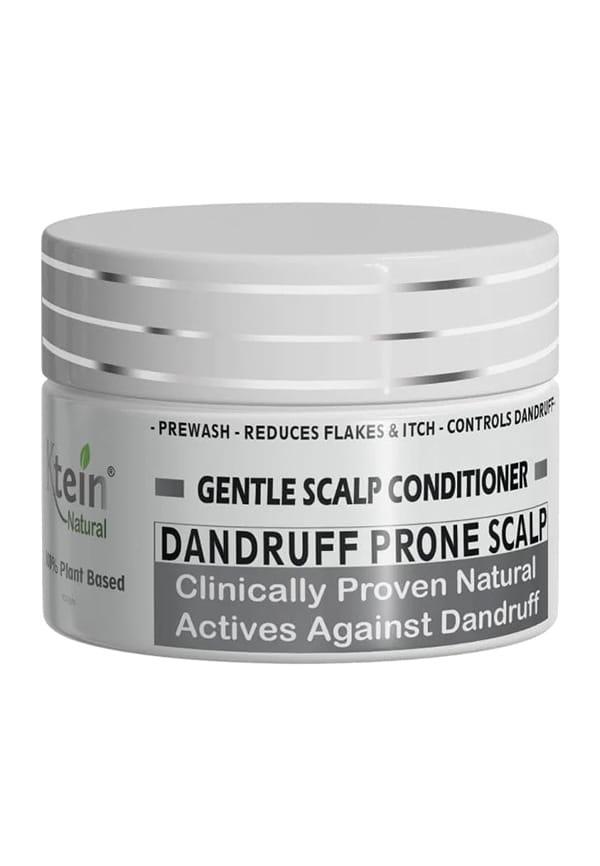
Natural 100% Plant Based Gentle Scalp Conditioner Dandruff Prone Scalp
Your monsoon haircare routine should be like a well-orchestrated dance — each step building on the previous one. Start your day by checking the weather forecast. If rain is expected, apply a light leave-in treatment that creates a protective barrier without weighing your hair down.
Post-rain care is crucial. If your hair gets wet, don't just let it air dry. Gently towel dry your scalp and hair, then use a blow dryer on cool setting to ensure your scalp is completely dry. Trapped moisture is your enemy during monsoon season.
Weekly deep treatments should include a clarifying shampoo session, followed by a protein treatment or hair mask, and finished with a lightweight scalp serum. This combination ensures your scalp stays clean, your hair stays strong, and moisture levels remain balanced.
Daily maintenance is about quick fixes and prevention. Keep blotting papers handy for oily scalp emergencies, use dry shampoo strategically to absorb excess oil, and always carry a small bottle of diluted tea tree oil spray for instant scalp refreshing.
What you eat directly impacts your scalp health, especially during monsoon season when your body is fighting off increased fungal and bacterial exposure. Load up on foods rich in B vitamins, zinc, and omega-3 fatty acids. Think eggs, nuts, fish, and leafy greens. These nutrients support healthy hair growth and boost your scalp's natural defence mechanisms.
Hydration becomes even more important during monsoon season. While the air is humid, your body might actually be dehydrated, which affects your scalp's ability to produce healthy sebum. Aim for at least 8-10 glasses of water daily, and include hydrating foods like cucumber and watermelon in your diet.
Sleep quality and stress management play huge roles in hair strengthening and scalp health. Poor sleep and high stress levels can trigger hormonal imbalances that worsen scalp conditions. Create a relaxing bedtime routine and consider stress-reducing activities like yoga or meditation.
Most people need to wash their hair every other day during monsoon season, compared to 2-3 times a week during drier months. If you have an oily scalp, daily washing with a gentle shampoo is perfectly fine. Those with dry or chemically treated hair can stick to every 2-3 days but should use a clarifying treatment weekly to prevent buildup.
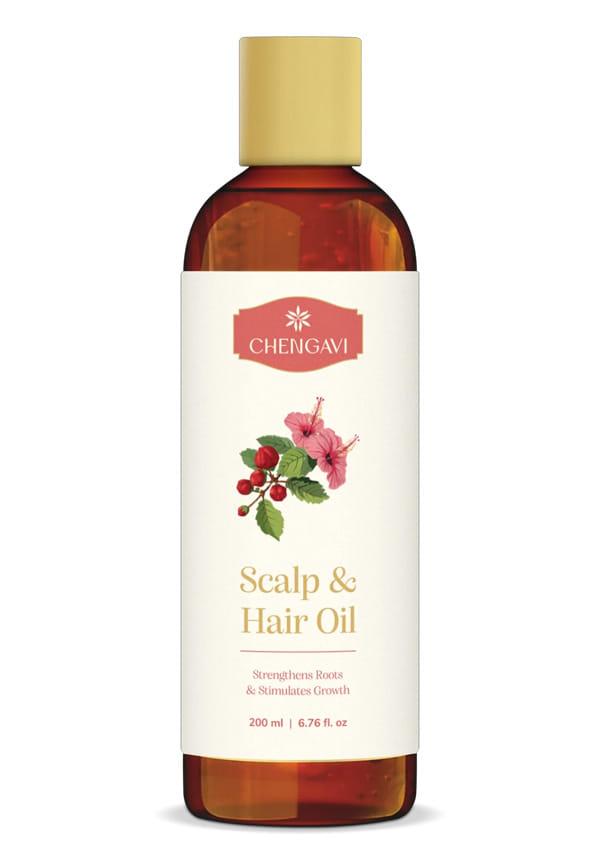
Chengavi Scalp And Hair Oil
Your regular products might not be enough during monsoon season. You'll likely need to add a clarifying shampoo, anti-fungal treatment, and lighter styling products to your routine. Heavy oils and leave-in treatments that work well in dry weather can actually trap moisture and create problems during humid months.
Post-wash itching during monsoon season usually indicates that your scalp isn't completely clean or dry. You might need a stronger clarifying shampoo, or you're not rinsing thoroughly enough. Sometimes it's also a sign of product buildup or a mild fungal infection that needs targeted treatment with anti-fungal ingredients.
Yes, increased hair fall during monsoon is completely normal. The combination of humidity, scalp infections, and lifestyle changes can temporarily increase hair shedding. However, if you're losing more than 100-150 strands daily or notice bald patches, it's worth consulting a dermatologist to rule out underlying conditions.
Always ensure your scalp is completely dry, even if your hair lengths remain slightly damp. Use a blow dryer on cool setting, focusing on the roots and scalp area. Avoid going to bed with a damp scalp, as this creates the perfect environment for fungal growth. If you must air dry, use a microfibre towel to remove excess moisture first.
Natural remedies can be quite effective for mild to moderate scalp issues during monsoon. Tea tree oil, neem oil, apple cider vinegar, and aloe vera all have proven anti-fungal and anti-inflammatory properties. However, severe scalp infections or persistent dandruff might require medicated treatments for faster results.
Monsoon scalp treatment is all about adapting your routine to work with the season, not against it. The key is finding the right balance between thorough cleansing and gentle care, while addressing specific issues like dandruff, itching, and hair fall with targeted treatments. Remember that consistency is more important than perfection — a simple routine followed regularly will give you better results than an elaborate one you can't stick to.
Most importantly, don't panic if your scalp acts up during the first few weeks of monsoon season. It takes time for your scalp to adjust to the humidity changes, and with the right approach, you can maintain healthy hair throughout the rainy months. If you're unsure about which products might work best for your specific scalp concerns, Smytten offers trial-size versions of many scalp treatment products — a smart way to test different formulations before committing to full-size bottles.
