Monsoon Scalp Relief FAQ: Your Itchy Scalp Questions Answered
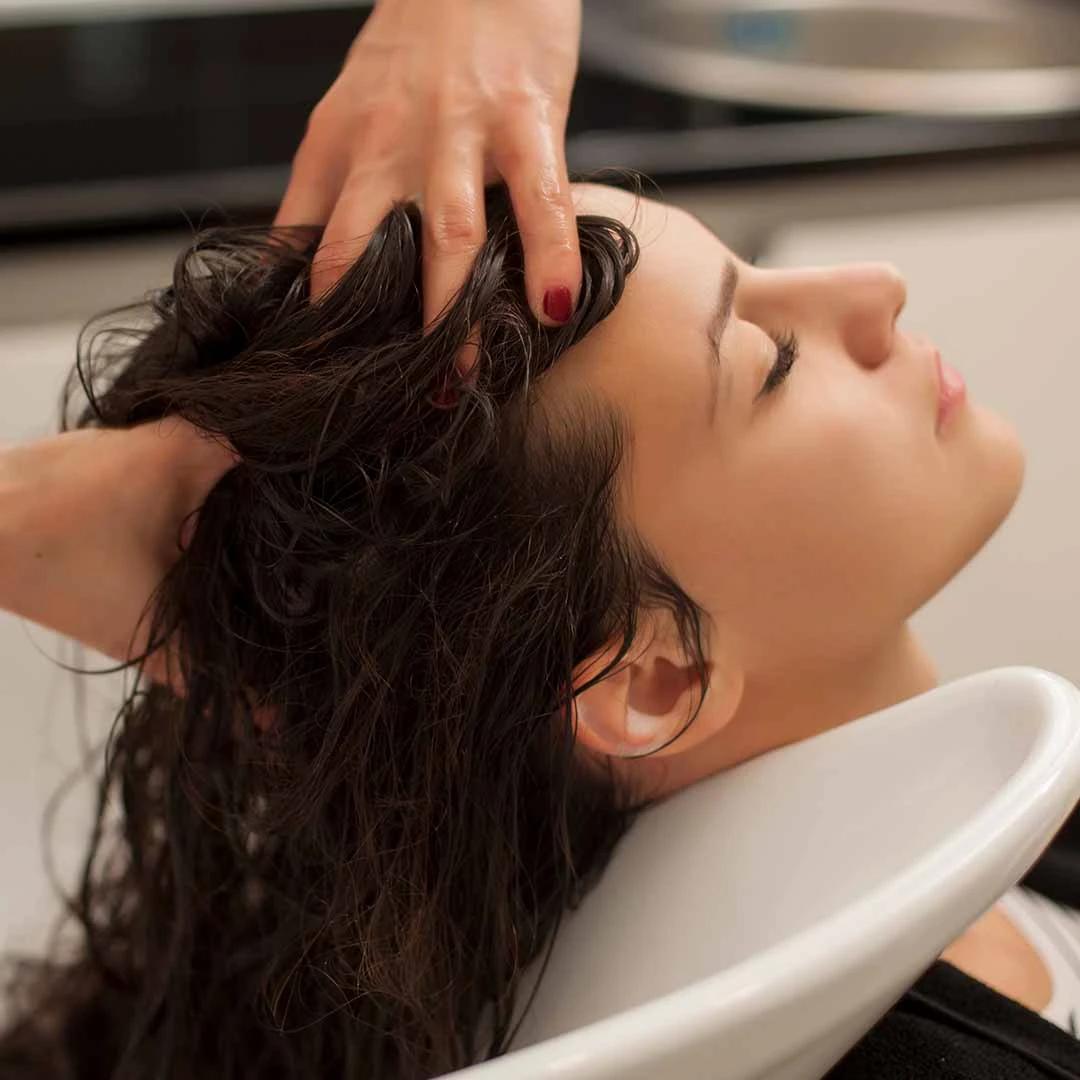

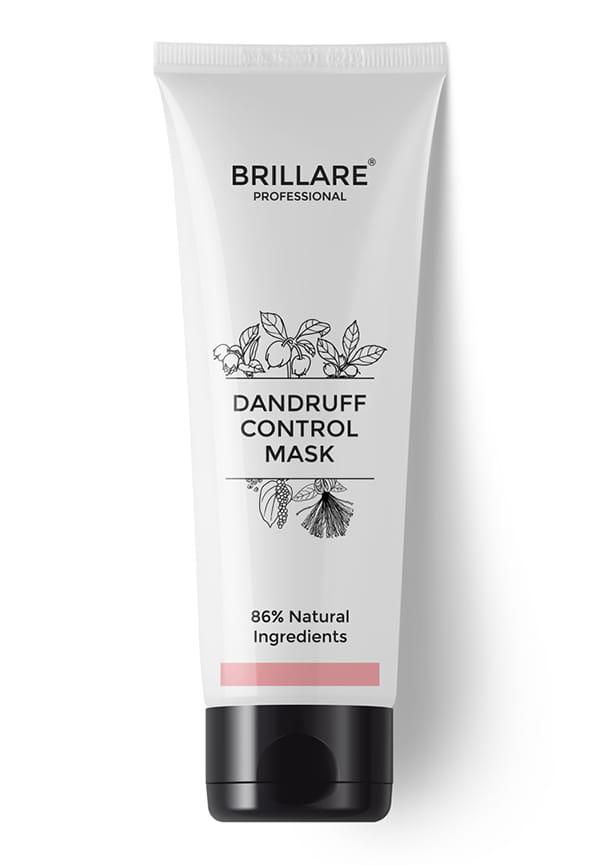
Conditioner For Itchy, Flaky Scalp
Picture this: you've just stepped out of the house, and within minutes, the monsoon drizzle has turned your hair into a damp mess. By evening, your scalp feels like it's hosting its own little itch festival. Sound familiar? You're definitely not alone in this seasonal struggle. The rainy season brings its own set of hair challenges that can leave even the most dedicated haircare enthusiasts scratching their heads—literally. From persistent dandruff to that annoying scalp irritation that just won't quit, monsoon hair problems are real, and they need real solutions. Let's dive into the most common questions about monsoon scalp relief and get you sorted with answers that actually work.
Real talk—monsoon season is basically your scalp's least favourite time of year. The combination of increased humidity and constant moisture creates the perfect storm for scalp issues. When humidity levels spike, your scalp tends to produce more sebum (that's your natural oil), which sounds good in theory but can actually trap dirt, pollutants, and dead skin cells against your scalp. The moisture from rain and humid air also creates an ideal breeding ground for fungi and bacteria. These microorganisms absolutely thrive in warm, damp conditions, leading to that persistent itchy scalp monsoon dwellers know all too well. Plus, when your hair stays wet for extended periods—whether from rain or just the general dampness in the air—it reduces air circulation around your scalp, making the problem even worse. Another factor that many people overlook is the quality of rainwater itself. In urban areas, rainwater often contains pollutants and chemicals that can irritate your scalp when they come into contact with it. This chemical exposure, combined with the already challenging humid conditions, can trigger inflammatory responses that manifest as itching, redness, and general scalp discomfort.
When your scalp is crying out for relief, you need techniques that deliver results fast. The good news is that effective scalp relief doesn't always require expensive treatments or complicated routines. For immediate relief, try cool water rinses infused with anti-fungal ingredients like tea tree oil or neem. Mix a few drops of tea tree oil with cool water and use it as a final rinse after shampooing. The cooling effect provides instant scalp soothing, while the anti-fungal properties help address the root cause of the irritation. Gentle scalp massaging can also work wonders for scalp treatment. Use your fingertips (not nails) to massage your scalp in circular motions for about 5-10 minutes daily. This improves blood circulation, helps distribute natural oils, and can provide significant relief from itching. You can do this with dry hair or while applying a lightweight oil like coconut or jojoba.
Coconut oil mixed with a drop of peppermint oil creates a cooling, antimicrobial treatment that's perfect for monsoon scalp issues. Apply this mixture to your scalp 30 minutes before washing, focusing on particularly itchy areas.
Prevention is always better than cure, especially when it comes to monsoon hair problems. Establish a proper hair drying protocol—never leave your hair wet for more than necessary. If you get caught in the rain, wash your hair as soon as possible and dry it thoroughly. Invest in a good microfibre towel that absorbs moisture quickly without causing friction damage.
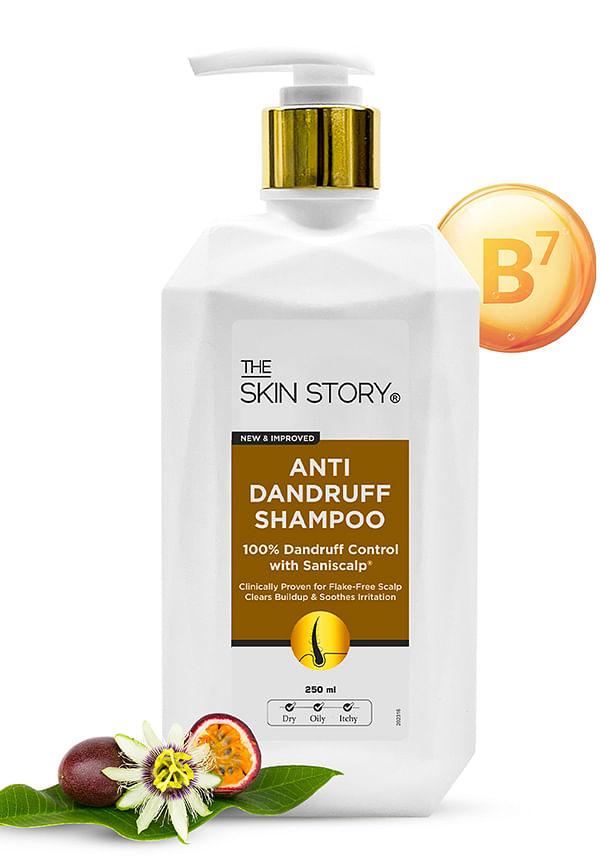
Anti Dandruff Shampoo For Oily Dry Itchy Scalp With Saniscalp
Building a solid monsoon hair care routine is your best defence against scalp issues. Think of it as creating a protective barrier between your scalp and the challenging weather conditions. Start your day by checking the weather forecast. If rain is expected, apply a lightweight, water-resistant hair serum to create a protective layer. This doesn't mean making your hair greasy—just a small amount of product that can help repel moisture and pollutants. After getting caught in the rain, resist the urge to just towel-dry and move on. Rinse your hair with clean water to remove any pollutants or chemicals from rainwater, then follow with a gentle, pH-balanced shampoo if necessary. The key is maintaining that healthy scalp balance without over-washing, which can strip natural oils and actually make scalp problems worse. Your evening routine should focus on scalp maintenance and preparation for the next day. If you've washed your hair, ensure it's completely dry before bed. Damp hair on pillows creates the perfect environment for bacterial growth, which can undo all your daytime efforts.
Once a week, treat your scalp to a clarifying shampoo session. This helps remove product buildup, excess oils, and environmental pollutants that regular shampoos might miss. Follow this with a deep conditioning treatment, but focus the conditioner on your hair lengths rather than your scalp.
Dandruff during monsoon season is like that uninvited guest who just won't leave. The increased humidity and moisture create perfect conditions for Malassezia, the fungus responsible for most dandruff cases, to multiply rapidly. One of the most effective natural approaches combines aloe vera gel with coconut oil. Mix equal parts of fresh aloe vera gel and virgin coconut oil, then apply this mixture to your scalp 30 minutes before washing. Aloe vera provides anti-inflammatory benefits and soothes irritated skin, while coconut oil offers antimicrobial properties that help control fungal growth. Apple cider vinegar rinses can also be game-changers for dandruff remedy during monsoon. Mix one part apple cider vinegar with three parts water and use it as a final rinse after shampooing. The acidic nature helps restore your scalp's natural pH balance and creates an environment that's less hospitable to dandruff-causing fungi.
When natural remedies aren't cutting it, look for shampoos containing ketoconazole, zinc pyrithione, or selenium sulphide. These ingredients are clinically proven to combat the fungal overgrowth that causes dandruff. Use these medicated shampoos 2-3 times per week, alternating with a gentle, moisturising shampoo.
Monsoon-related hair fall is often a combination of scalp health issues and environmental stress on your hair follicles. When your scalp is constantly dealing with excess moisture, fungal infections, and irritation, it can't provide the optimal environment for healthy hair growth. Nutrition plays a crucial role in hair fall control during this season. Focus on foods rich in B vitamins, particularly biotin and B12, which support healthy hair follicle function. Zinc-rich foods like pumpkin seeds and chickpeas help maintain scalp health, while omega-3 fatty acids from sources like walnuts and flaxseeds provide anti-inflammatory benefits. Hydration is equally important—not just for your body, but specifically for your scalp. Dehydration can worsen scalp conditions and make hair more prone to breakage. Aim for at least 8-10 glasses of water daily, and consider herbal teas that offer additional scalp benefits, like green tea or nettle tea.
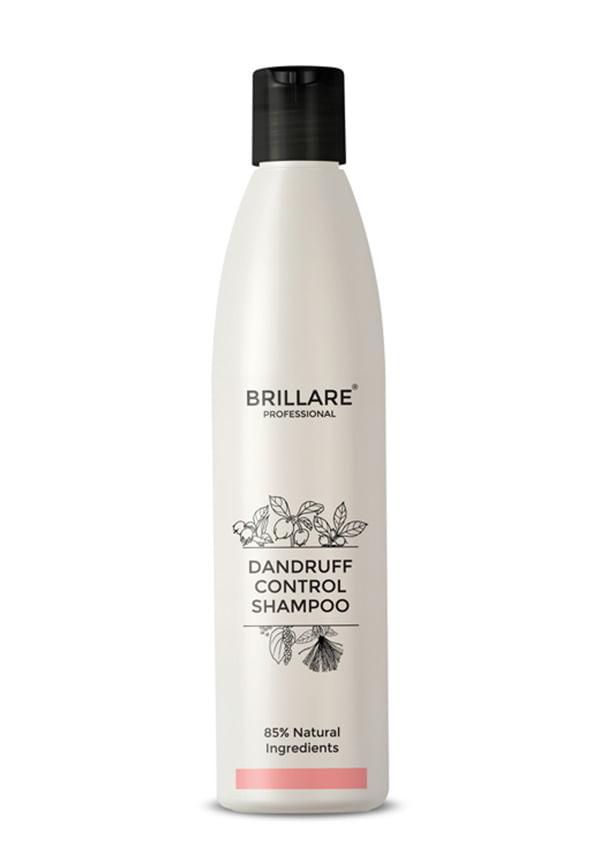
Dandruff Control Shampoo For Itchy, Flaky Scalp
During monsoon season, treat your hair like delicate fabric. Avoid aggressive towel drying, which can cause breakage and scalp irritation. Instead, gently press water out with a microfibre towel or cotton t-shirt. If you must use heat styling tools, always apply a heat protectant and use the lowest effective temperature.
The fastest way to tackle monsoon dandruff is through consistent, gentle care rather than aggressive treatments. Use a mild anti-dandruff shampoo containing zinc pyrithione or ketoconazole twice weekly, never more. Between washes, keep your scalp clean and dry—never leave hair wet after rain exposure. Support your efforts with a scalp-friendly diet rich in fresh fruits, leafy greens, and foods high in omega-3 fatty acids. Most people see improvement within 2-3 weeks of consistent care.
Effective scalp cleaning during monsoon requires a balance between thorough cleansing and maintaining natural oil balance. Start with lukewarm water—hot water can strip natural oils and worsen scalp irritation. Apply shampoo primarily to your scalp, not your hair lengths, and massage gently with fingertips in circular motions. Rinse thoroughly, ensuring no product residue remains. For deep cleaning once weekly, try the aloe vera and coconut oil treatment: mix equal parts and apply 30 minutes before shampooing for antimicrobial and soothing benefits.
Excessive hair fall during monsoon typically stems from scalp health issues created by humidity and moisture. Fungal infections thrive in damp conditions, weakening hair follicles and causing increased shedding. The constant moisture can also disrupt your scalp's natural pH balance, leading to inflammation that affects hair growth cycles. Additionally, nutritional deficiencies become more apparent during monsoon season when your body needs extra support to maintain healthy hair. Stress from dealing with persistent scalp issues can also trigger telogen effluvium, a type of temporary hair loss.
For effective monsoon scalp relief, prioritise shampoos containing antifungal ingredients like ketoconazole, zinc pyrithione, or selenium sulphide to combat fungal overgrowth. Natural soothing agents such as tea tree oil, neem extract, or aloe vera provide anti-inflammatory benefits without harsh side effects. Look for pH-balanced formulations that won't disrupt your scalp's natural acid mantle. Avoid sulphates if you have sensitive skin, and consider shampoos with salicylic acid for gentle exfoliation if you're dealing with buildup issues.
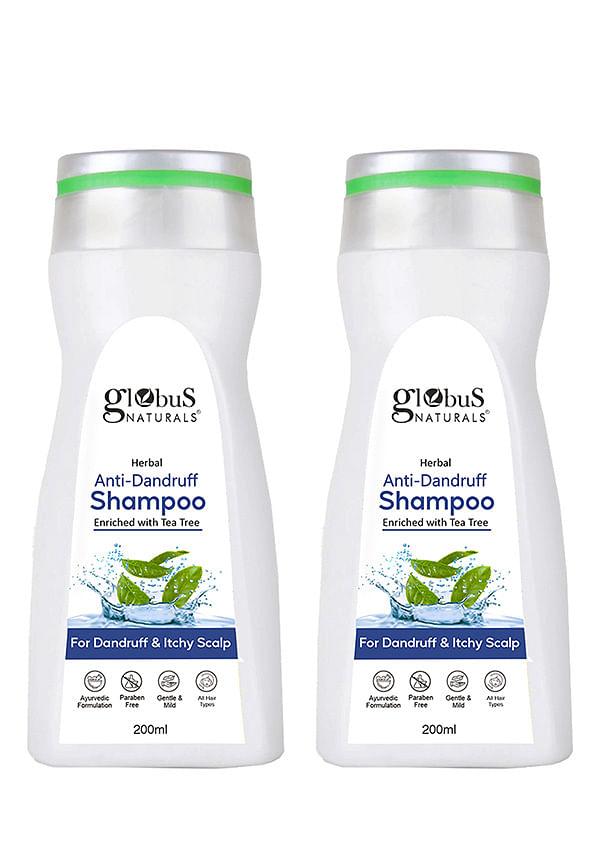
Anti Dandruff Shampoo, For Dandruff and Itchy Scalp
Curly hair requires modified monsoon scalp relief approaches because the curl pattern can trap moisture and products against the scalp longer. Use diluted treatments—mix scalp serums or oils with water before application to ensure even distribution without weighing down curls. Focus on scalp-only application for medicated products, keeping treatments away from hair lengths which are naturally more fragile. Consider co-washing (conditioner-only washing) between clarifying shampoo sessions to maintain moisture balance while keeping the scalp clean.
Prevention is your strongest weapon against recurring monsoon scalp issues. Start with environmental protection strategies that create barriers between your scalp and challenging weather conditions. A good umbrella isn't just about staying dry—it's about protecting your scalp from polluted rainwater and reducing overall moisture exposure. Indoor humidity control can make a significant difference in your scalp health. If possible, use a dehumidifier in your bedroom to maintain optimal humidity levels (around 40-50%). This helps prevent the constant dampness that contributes to fungal growth and scalp irritation. Lifestyle modifications play a crucial role in maintaining healthy scalp conditions year-round. Stress management is particularly important because stress hormones can exacerbate scalp conditions and increase oil production. Regular exercise improves circulation, which benefits scalp health, but be mindful of post-workout hygiene during monsoon season—always rinse sweat from your scalp promptly.
Building an effective monsoon haircare kit requires careful product selection. Look for lightweight, fast-absorbing formulations that won't contribute to buildup. Avoid heavy oils and thick creams during peak humidity periods, as these can trap moisture and create breeding grounds for bacteria.
While most monsoon-related scalp issues respond well to proper care and over-the-counter treatments, some situations require professional intervention. If you're experiencing severe itching that interferes with sleep, persistent hair loss that doesn't improve with gentle care, or scalp lesions and unusual rashes, it's time to consult a dermatologist. Professional scalp treatment options include prescription-strength antifungal medications, medicated scalp serums, and in some cases, light therapy treatments. A dermatologist can also help distinguish between seasonal scalp issues and chronic conditions like seborrheic dermatitis or psoriasis that may be triggered or worsened by monsoon conditions. The key difference between seasonal and chronic scalp conditions is persistence and severity. Seasonal issues typically improve with consistent care and environmental changes, while chronic conditions require ongoing medical management.
Monsoon scalp relief doesn't have to be a constant battle if you approach it with the right knowledge and tools. The key is understanding that your scalp needs different care during humid, rainy weather—more frequent but gentler cleansing, protective strategies, and ingredients that specifically address fungal and bacterial overgrowth. Remember that consistency matters more than intensity when it comes to scalp care. Gentle, regular attention to your scalp health will always trump aggressive treatments that can cause more irritation. Whether you're dealing with dandruff, itching, or hair fall, the solutions we've discussed can help you maintain a healthy scalp throughout the monsoon season. Smytten's curated selection of haircare products includes many of the ingredients and formulations mentioned in this guide, from gentle clarifying shampoos to soothing scalp treatments. With options from trusted brands and the convenience of India-wide delivery, you can build your perfect monsoon haircare routine without the guesswork. Not sure which format works for your hair? Smytten also offers trial-size versions of many of these products—a smart way to test what works before committing to full-size bottles.
