Monsoon Scalp Problems FAQ: Common Issues Answered


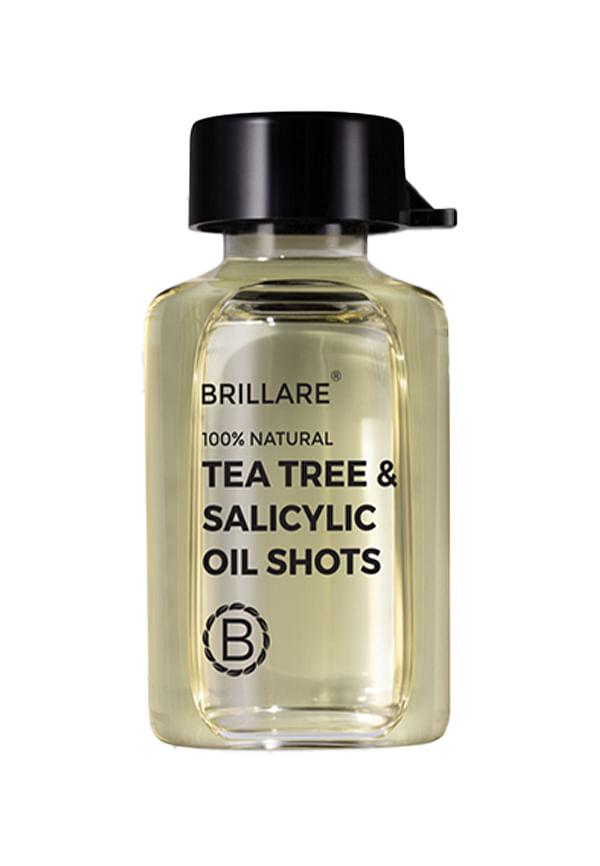
Tea Tree & Salicylic Oil Shots For Dry, Itchy Scalp to Fights Dandruff
Picture this: you wake up to the sound of rain, and your first thought isn't about the weather—it's about your scalp. That familiar itch, the flakes on your pillow, or the way your hair feels greasy just hours after washing. If this sounds like your monsoon reality, you're definitely not alone. The rainy season brings its own set of scalp challenges that can turn your hair routine upside down. Let's dive into the most common monsoon scalp problems and, more importantly, how to sort them out.
Real talk—monsoon weather is basically a perfect storm for scalp problems. When humidity levels shoot up to 80% or higher, your scalp becomes a breeding ground for all sorts of issues. Think of it like this: that sticky, muggy air doesn't just make you feel uncomfortable, it creates the ideal environment for fungi and bacteria to thrive.
The constant temperature fluctuations mess with your sebaceous glands too. One minute they're working overtime because of the heat, the next they're confused by the sudden cool breeze. This rollercoaster effect can leave your scalp either too oily or surprisingly dry. Plus, rainwater isn't as clean as you might think—it picks up pollutants and bacteria on its way down, and when it sits on your scalp, it can introduce all sorts of irritants.
Then there's the whole wet hair situation. When your hair stays damp for hours (because let's be honest, who has time to properly dry it during monsoon madness?), it traps moisture against your scalp. This creates a warm, humid microenvironment that fungi absolutely love. Your scalp's natural balance gets thrown off, and before you know it, you're dealing with itchiness, flakes, or worse.
Let's break down the usual suspects that show up during rainy season. Knowing what you're dealing with is half the battle won.
This is probably the most common monsoon scalp problem. You'll notice white or yellowish flakes that seem to multiply overnight, along with persistent itching that makes you want to scratch constantly. The increased humidity during monsoon season creates perfect conditions for Malassezia, the fungus responsible for dandruff, to go wild.
That constant urge to scratch isn't just annoying—it's your scalp's way of telling you something's wrong. Monsoon itchy scalp often comes with red patches and inflammation. The culprit? Usually bacterial contamination from rainwater or an overgrowth of microorganisms thriving in the humid conditions.
If you're finding more than 100 strands in your brush daily, you might be experiencing monsoon-related hair fall. The excess moisture weakens hair follicles, making strands more likely to break or fall out. You might notice your hair feeling thinner or see small patches where hair seems sparse.
Your hair feels greasy within hours of washing, looks limp, and might even develop an unpleasant odour. This happens when your sebaceous glands go into overdrive trying to cope with the humidity. It's like your scalp is constantly trying to protect itself but ends up making things worse.
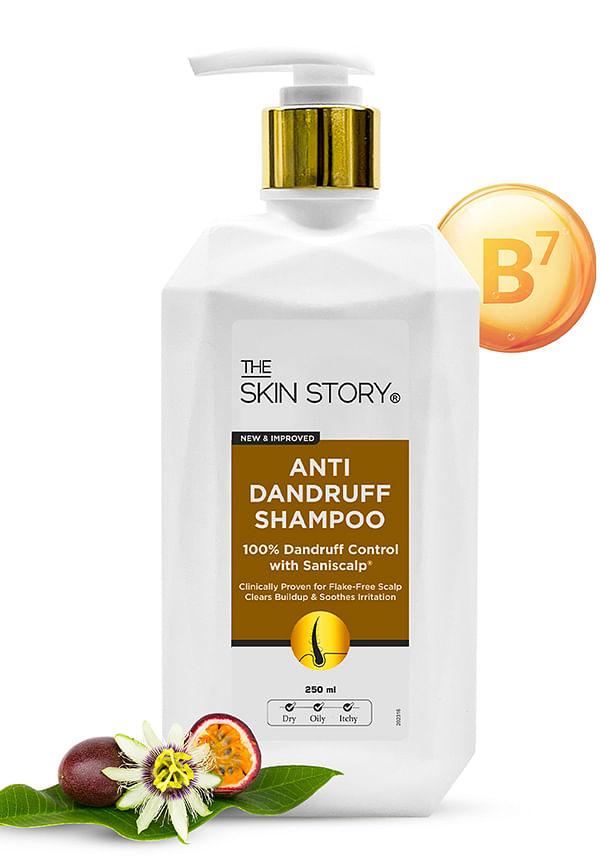
Anti Dandruff Shampoo For Oily Dry Itchy Scalp With Saniscalp
This is the more serious end of monsoon scalp problems. Look out for small pustules, severe itching that doesn't respond to regular treatments, or patches where hair is falling out. These infections can be fungal or bacterial and need proper attention before they spread.
Sounds contradictory, right? But some people actually develop dry scalp during monsoon because they over-wash their hair trying to combat the humidity. You'll feel tightness, see small white flakes (different from dandruff), and experience irritation.
Those small, tender bumps around your hair follicles aren't just random spots. Folliculitis happens when hair follicles get clogged with sweat, oil, and moisture, creating perfect conditions for inflammation and sometimes infection.
Now for the good stuff—how to actually fix these problems. The key is matching your treatment to your specific issue, not just throwing random products at your scalp and hoping for the best.
Ketoconazole shampoo is your best friend here. Use it twice a week—any more and you might irritate your scalp further. On other days, try adding 2-3 drops of tea tree oil to your regular shampoo. It's got natural antifungal properties that help keep the fungus in check. For maintenance, look for products with zinc pyrithione, which helps prevent flare-ups.
The moment you get caught in the rain, rinse your hair with cool water as soon as you can. Hot water will only make the itching worse by stripping your scalp's natural oils. Aloe vera gel applied directly to the scalp can provide instant relief—it's anti-inflammatory and cooling. Just make sure you're using pure aloe, not the stuff loaded with alcohol and fragrances.
Biotin supplements (around 2.5mg daily) can help strengthen your hair from the inside out. Pair this with a daily scalp massage using rosemary oil—just 5 minutes can improve blood circulation to your follicles. Weekly protein treatments will also help repair and strengthen weakened strands.
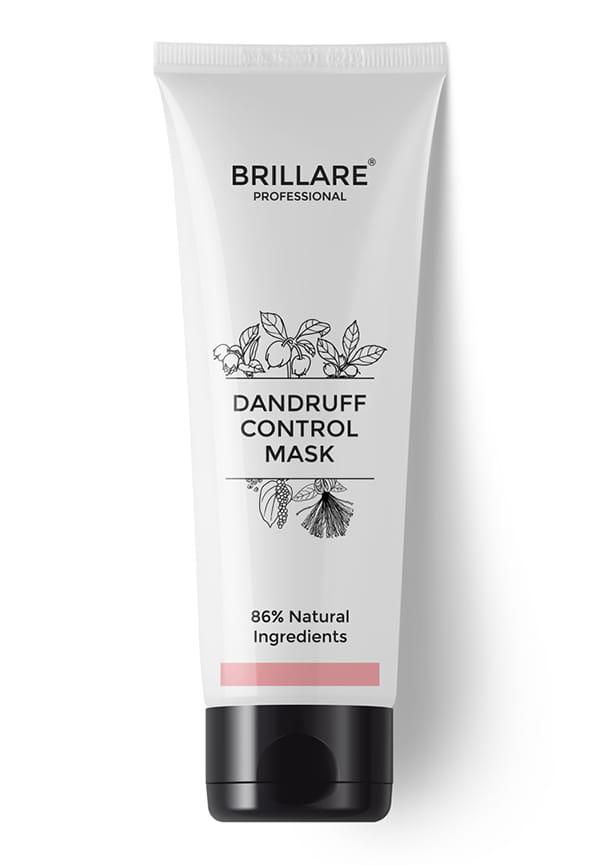
Conditioner For Itchy, Flaky Scalp
Clay-based shampoos are brilliant for absorbing excess oil without being too harsh. Use them about three times a week. An apple cider vinegar rinse (diluted 1:4 with water) once a week can help balance your scalp's pH. Between washes, dry shampoo is your saviour—it absorbs oil and gives you an extra day or two.
Don't mess around with these. If over-the-counter antifungal shampoos aren't helping after two weeks, see a dermatologist. Neem oil has natural antimicrobial properties and can be helpful for mild cases, but persistent infections need proper medical treatment.
Gentle is the way to go. Use a moisturising oil like coconut, jojoba, or argan oil 2-3 times a week. Apply it to your scalp, leave it for 30 minutes, then wash with a sulfate-free shampoo. Avoid over-washing—every other day is plenty.
Having a solid routine makes all the difference. It's not about using a million products—it's about being consistent with the right ones.
Start your morning with a light oil application to your hair lengths (skip the scalp if you're prone to oiliness). If you get caught in the rain, don't panic. As soon as you can, rinse your hair with lukewarm water and gently cleanse your scalp. The key word here is gentle—no aggressive scrubbing. Pat your hair dry with a soft towel and let it air dry with cool air if you're using a blow dryer.
Your evening routine should include a gentle scalp massage with your fingertips (never your nails). This helps with circulation and can prevent product buildup. Once a week, use a clarifying shampoo to remove any accumulated grime and product residue. Follow up with a deep conditioning treatment on your mid-lengths and ends—avoid the scalp area if you're dealing with oiliness.
Weekly scalp exfoliation with a gentle scrub can help remove dead skin cells and prevent clogged follicles. If you have a dry scalp, a weekly oil treatment can work wonders. Just remember to avoid tying wet hair, using hot styling tools on damp hair, or overwashing, which strips your scalp's natural protective barrier.
The right products can make or break your monsoon hair care routine. For anti-dandruff needs, look for shampoos with ketoconazole 2% for prescription-strength results, or selenium sulfide 2.5% for over-the-counter options. Coal tar preparations work well for severe cases, though they can be a bit drying.
For daily cleansing, sulfate-free formulas with tea tree oil are gentle yet effective. pH-balanced shampoos (around 5.5 pH) help maintain your scalp's natural acid mantle. Herbal extracts like neem, tulsi, and fenugreek offer natural antimicrobial benefits without harsh chemicals.
Scalp treatment serums can be game-changers. Salicylic acid 2% helps exfoliate dead skin cells, niacinamide 5% controls oil production, and hyaluronic acid provides hydration without greasiness. If you prefer natural alternatives, coconut oil has antimicrobial properties, jojoba oil helps regulate sebum production, and avocado oil provides deep moisturisation for dry scalps.
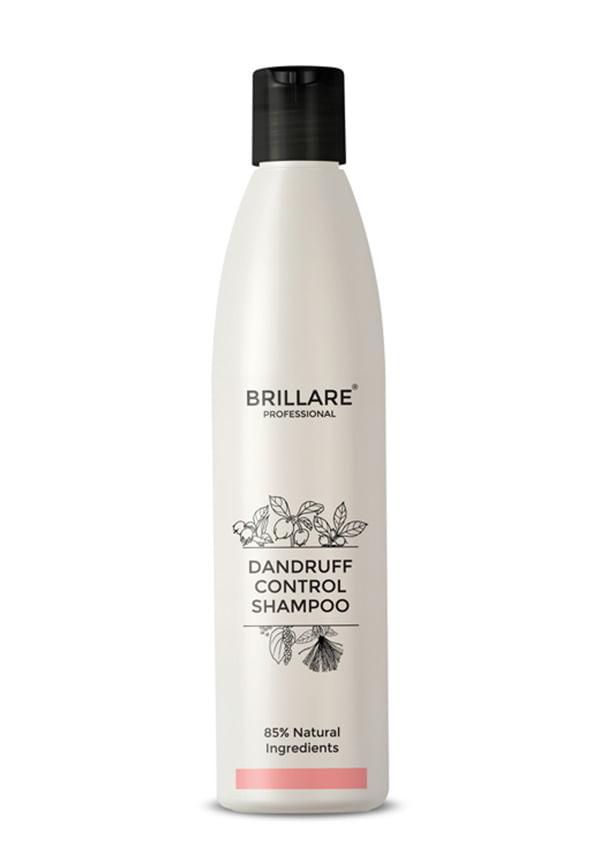
Dandruff Control Shampoo For Itchy, Flaky Scalp
Use an anti-dandruff shampoo with ketoconazole or zinc pyrithione twice weekly, never leave your hair wet after getting caught in the rain, and support your scalp health with B vitamins, zinc, and omega-3s in your diet. Gentle cleansing with medicated shampoo, proper drying technique using a soft towel and cool air, and nutritional support for scalp health will help clear dandruff within 2-4 weeks.
Yes, monsoon humidity creates ideal conditions for fungal overgrowth and bacterial contamination, leading to scalp itchiness and irritation. Humidity levels above 70% promote fungal growth, rainwater introduces irritants and bacteria to your scalp, and trapped moisture disrupts your scalp's natural microbiome balance.
Maintain proper scalp hygiene by cleansing immediately after rain exposure, use strengthening treatments with biotin supplements and rosemary oil scalp massages, and protect your hair from direct rain contact. A prevention strategy includes immediate post-rain cleansing, weekly protein treatments, and daily scalp massage for improved circulation.
Use moisturising oils like coconut, jojoba, or argan oil 2-3 times weekly, switch to gentle sulfate-free cleansing products, and avoid over-washing which strips natural oils. Apply natural oils to your scalp 30 minutes before washing, use lukewarm water instead of hot, and limit washing to every other day.
High humidity triggers your sebaceous glands to produce excess oil as a protective response, while temperature fluctuations confuse your scalp's natural oil regulation. Combat this with clay-based shampoos 3 times weekly, apple cider vinegar rinses for pH balance, and dry shampoo between washes.
Seek immediate medical attention if you're losing more than 150 strands daily for over two weeks, notice painful pustules or open sores, see spreading red and swollen areas, or experience fever alongside scalp problems. Dermatologist consultation is recommended for persistent problems despite 4 weeks of treatment or recurring infections each monsoon season.
Monsoon scalp problems are incredibly common, but they're also totally manageable with the right approach. The key is identifying your specific issue early and treating it consistently. Whether you're dealing with dandruff, itchiness, hair fall, or oily scalp, there are proven solutions that work within 2-4 weeks of consistent use.
Remember that prevention is always easier than treatment. Start your monsoon hair care routine before the season hits full swing, and don't wait for problems to become severe before addressing them. Keep your scalp clean and dry, use the right products for your specific concerns, and don't hesitate to see a dermatologist if over-the-counter treatments aren't cutting it.
Your scalp health during monsoon doesn't have to be a guessing game. With the right products and routine, you can actually enjoy the rainy season without worrying about what's happening up there. Not sure which products might work best for your specific scalp concerns? Smytten offers trial-size versions of many scalp care products from trusted brands—a smart way to test what works for your hair before committing to full-size bottles.
