Monsoon Scalp Irritation FAQ: Your Questions Answered

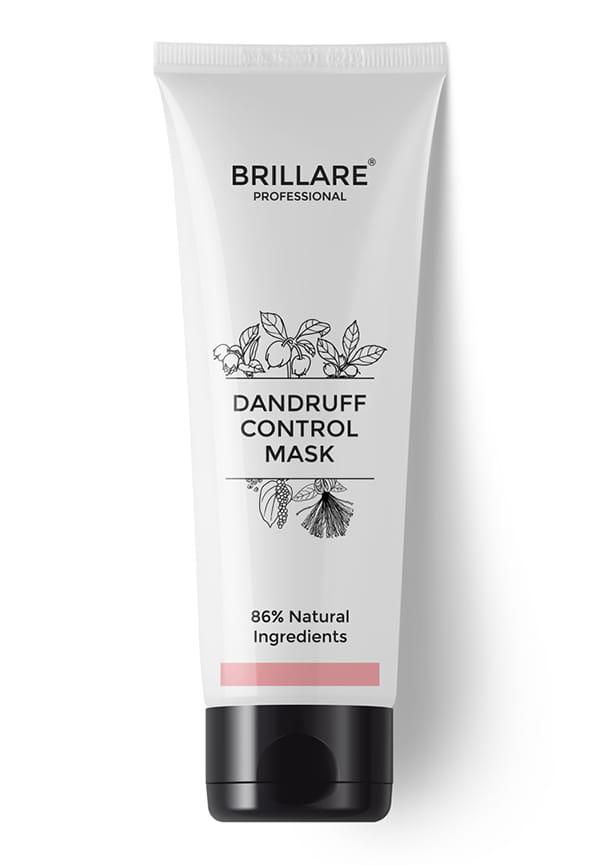
Conditioner For Itchy, Flaky Scalp
Good product, highly recommended
 5
5“This product is very good highly recommend.”
Wonderful Product
5“nice product. result wonderful along with shampoo”
Effective Dandruff Treatment
4“removes dandruff and itchyness from hair”
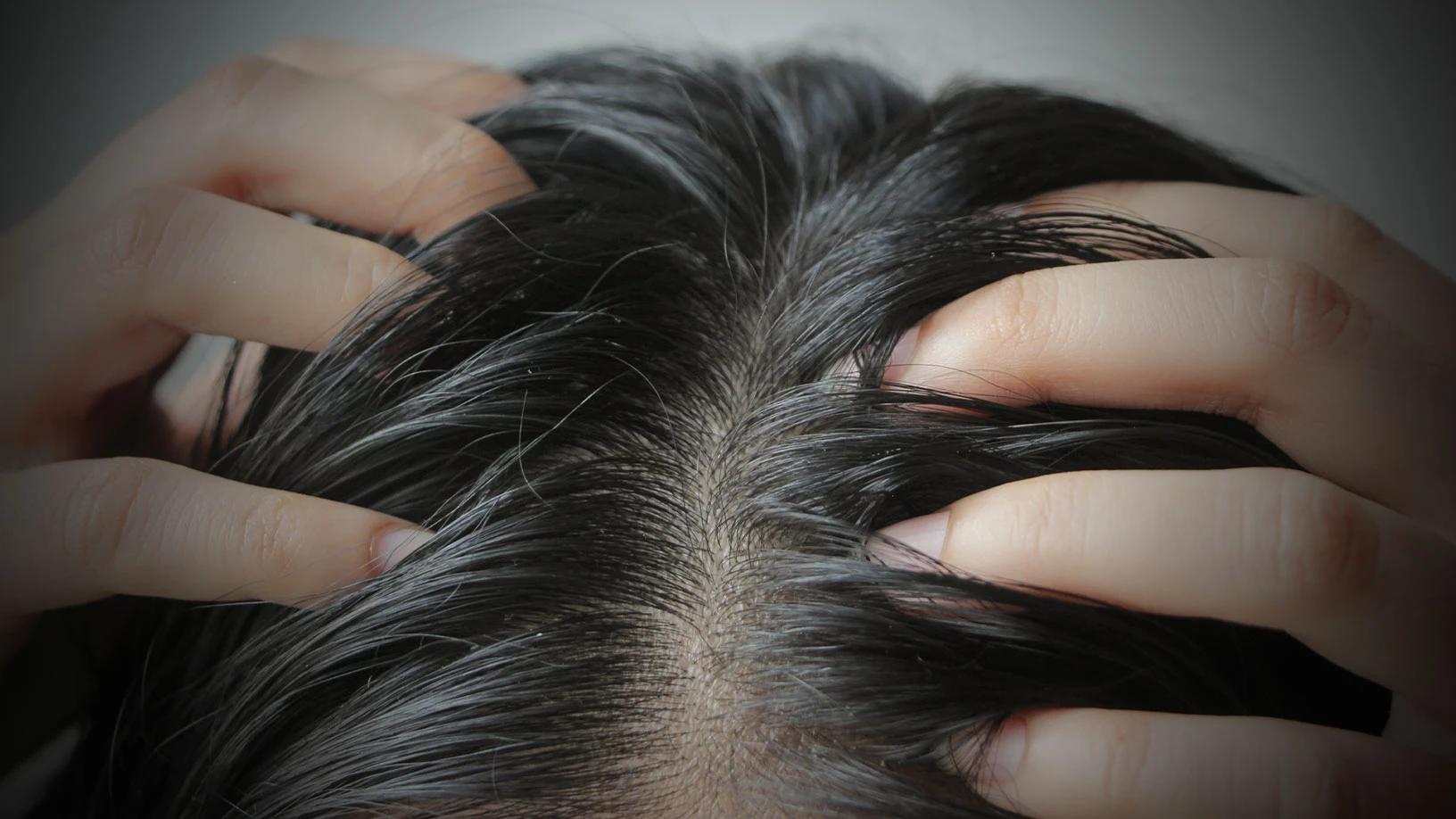
Picture this: you wake up to the sound of rain, and your first thought isn't about the romantic weather—it's about your scalp feeling like it's hosting a tiny rave of itchiness. If monsoon season has your scalp throwing tantrums, you're definitely not alone. The combination of humidity, pollution, and unpredictable weather can turn even the happiest scalp into an irritated mess. Let's dive into the most common questions about monsoon scalp irritation and get you some real answers that actually work.
Real talk—monsoon weather is basically a perfect storm for scalp drama. The high humidity levels create an environment where your scalp's natural balance goes completely haywire. When moisture levels spike, your scalp produces more oil to compensate, but then gets confused when the air is already saturated with water. This creates the ideal breeding ground for bacteria and fungi that love nothing more than a warm, moist environment. The science behind monsoon scalp irritation is pretty straightforward. Humidity disrupts your scalp's microbiome—that delicate ecosystem of good and bad bacteria that keeps everything balanced. When this balance tips, you get inflammation, itchiness, and all sorts of scalp soothing challenges. Add contaminated rainwater to the mix, and you've got a recipe for serious scalp irritation.
Humidity doesn't just make your hair frizzy—it fundamentally changes how your scalp behaves. When moisture levels in the air increase, your scalp's sebaceous glands go into overdrive, producing excess oil that can clog hair follicles. This creates the perfect environment for Malassezia, a type of yeast that naturally lives on your scalp but can cause serious problems when it multiplies unchecked.
Seborrheic dermatitis is probably the most common monsoon hair problem you'll encounter. It shows up as red, scaly patches that itch like crazy and can spread if left untreated. Folliculitis is another frequent visitor during rainy season—those tiny, painful bumps around your hair follicles that make you want to scratch your scalp raw.
Let's get into the nitty-gritty of what actually works when your scalp is staging a rebellion. The key to effective itchy scalp remedies during monsoon isn't just about treating symptoms—it's about understanding why your sensitive scalp is reacting in the first place. Tea tree oil is your friend here, but don't go slathering it on neat. Mix a few drops with a carrier oil like coconut or jojoba, and massage it gently into your scalp. The antimicrobial properties help control bacterial overgrowth while providing that scalp soothing relief you're desperately seeking.
Aloe vera gel straight from the plant (or a pure, preservative-free version) can work wonders for inflamed scalp tissue. Apply it directly to irritated areas and leave it on for 20-30 minutes before washing. Neem oil, though it smells a bit intense, has powerful antifungal properties that can tackle the root cause of your scalp inflammation.
Harsh sulfates are basically your scalp's worst enemy during humid weather. They strip away natural oils, causing your scalp to overcompensate by producing even more sebum. Heavy styling products that contain silicones and waxes can trap moisture against your scalp, creating a breeding ground for bacteria.
This depends entirely on your scalp type, but generally, you'll need to wash more frequently during monsoon season. If you have an oily scalp, every other day might be necessary. For dry scalp types, 2-3 times a week should suffice. The key is listening to your scalp—if it feels itchy or greasy, it's time for a wash.
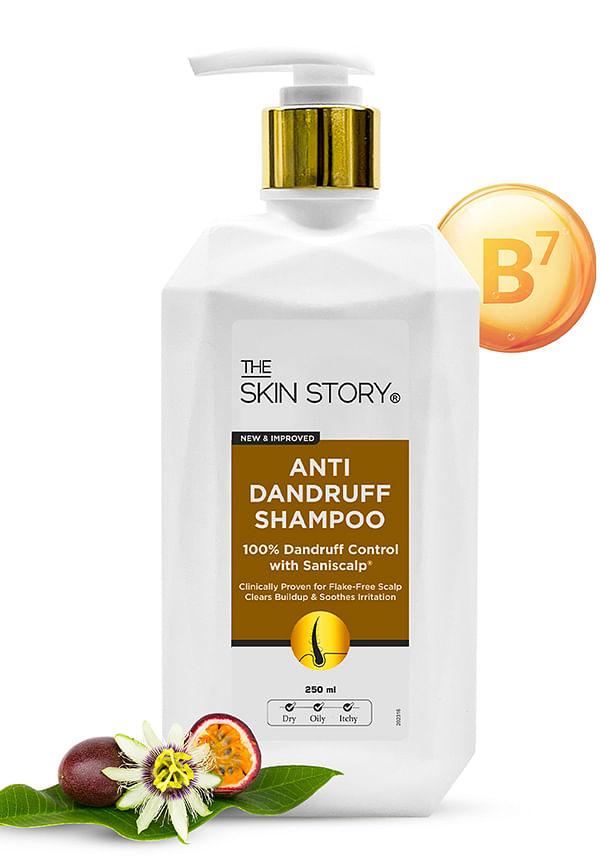
Anti Dandruff Shampoo For Oily Dry Itchy Scalp With Saniscalp
Dandruff treatment during monsoon requires a different approach than your regular anti-dandruff routine. The increased humidity means that fungal overgrowth happens faster and more aggressively. Understanding this helps you choose the right haircare tips for monsoon that actually address the problem at its source. Malassezia overgrowth is the primary culprit behind most monsoon dandruff issues. This naturally occurring yeast feeds on the oils your scalp produces, and when humidity levels rise, it multiplies rapidly. The result? Those telltale white flakes and that persistent itchy feeling that makes you want to scratch in public.
The connection between humidity and fungal growth isn't just correlation—it's direct causation. Higher moisture levels in the air create the perfect environment for Malassezia to thrive. This is why your dandruff might seem completely manageable during dry months but becomes a nightmare during monsoon season.
Look for shampoos containing ketoconazole, selenium sulfide, or zinc pyrithione—these are proven antifungal ingredients that can control Malassezia overgrowth. If you prefer natural options, apple cider vinegar rinses can help restore your scalp's pH balance, while tea tree oil provides antimicrobial benefits without the harsh chemicals.
Creating an effective monsoon hair care routine for sensitive scalp means being proactive rather than reactive. Your scalp needs extra protection during this season, and the right routine can prevent most issues before they start. Think of it as building a shield around your scalp that can withstand the challenges of humid weather. Pre-monsoon preparation is crucial for anyone prone to scalp irritation. Start with a gentle scalp detox using clarifying shampoos to remove product buildup. Follow this with nourishing treatments that strengthen your scalp's natural barrier. A healthy scalp is much better equipped to handle the stress of monsoon weather.
Scalp detox treatments using ingredients like bentonite clay or activated charcoal can help remove accumulated toxins and product residue. This creates a clean slate for your monsoon hair care routine. Building scalp barrier protection with regular oil massages using antimicrobial oils can also help prevent future irritation.
Your morning routine should include lightweight, non-comedogenic products that won't clog your pores as humidity levels rise throughout the day. After getting caught in the rain, rinse your hair with clean water as soon as possible to remove pollutants and contaminants that rainwater might carry.
Choosing the right products for monsoon scalp care can make the difference between a comfortable season and months of irritation. The key is finding formulations that address the specific challenges of humid weather while being gentle enough for daily use. Your sensitive scalp needs products that clean effectively without stripping away protective oils. Anti-dandruff shampoos with gentle, pH-balanced formulations work best during monsoon season. Look for products that contain natural antifungal ingredients alongside proven actives. Sulfate-free options are particularly important for sensitive scalp types, as they clean without causing additional irritation.
The best monsoon shampoos contain a combination of antifungal actives and soothing ingredients. Ketoconazole-based shampoos are excellent for controlling fungal overgrowth, while those with tea tree oil provide natural antimicrobial benefits. For extremely sensitive scalps, look for formulations with aloe vera or chamomile extract.
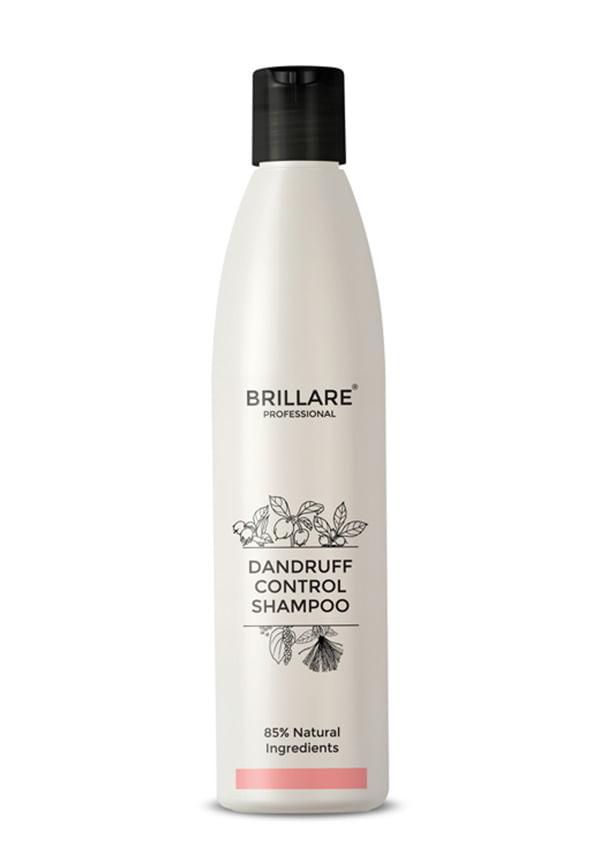
Dandruff Control Shampoo For Itchy, Flaky Scalp
Nourishing & Dandruff-Fighting Shampoo
5“This shampoo deeply nourishes the scalp and strengthens the hair from roots to tips. and removes all dandruff within 2..4 wash”
Love this product, order every time
5“love this product i ordered it every time”
Quick Results, Gentle & Amazing Quality
5“you will see results quickly rather than anything, very gentle small quantity enough , quality amazing”
Scalp serums containing niacinamide can help regulate oil production while reducing inflammation. Leave-in treatments with lightweight, non-greasy formulations provide ongoing protection without weighing down your hair. Natural oils like jojoba and argan are excellent choices as they closely mimic your scalp's natural sebum.
Preventing monsoon scalp irritation isn't just about the products you use—your lifestyle choices play a huge role in scalp health. Simple changes to your diet, hydration habits, and daily routine can significantly reduce your risk of developing scalp problems during humid weather. Think of it as creating an internal environment that supports healthy scalp function. Dietary modifications can have a profound impact on scalp health. Foods rich in omega-3 fatty acids help reduce inflammation, while zinc-rich foods support healthy skin cell turnover. Staying properly hydrated helps maintain your scalp's natural barrier function, making it more resistant to environmental stressors.
If you're dealing with allergic reactions to monsoon weather, focus on reducing overall inflammation in your body. Anti-inflammatory foods like turmeric, ginger, and leafy greens can help. Avoid foods that trigger inflammation, such as processed sugars and excessive dairy, which can worsen scalp conditions.
Protective hairstyles that keep hair away from your face and neck can prevent additional irritation from sweat and humidity. Avoid tight hairstyles that can restrict airflow to your scalp. Choose hair accessories made from natural materials that won't trap moisture against your skin.
Knowing when your monsoon scalp irritation requires professional intervention can save you weeks of discomfort and prevent more serious complications. While most scalp issues can be managed at home, certain symptoms indicate that you need expert help. Don't ignore persistent problems—early intervention often leads to faster resolution. Persistent scalp inflammation that doesn't respond to over-the-counter treatments within 2-3 weeks warrants a dermatologist visit. Signs of bacterial infection, such as pus-filled bumps or spreading redness, require immediate medical attention. Severe seborrheic dermatitis can sometimes be mistaken for other conditions, so professional diagnosis is important.
Watch for symptoms like severe itching that interferes with sleep, hair loss in patches, or scalp lesions that don't heal. These could indicate more serious conditions that require prescription treatments. Fever accompanying scalp symptoms is always a red flag that needs immediate medical evaluation.
Dermatologists can prescribe stronger antifungal medications, topical steroids for severe inflammation, or antibiotics if bacterial infection is present. In-office treatments like scalp steaming or professional deep-cleansing can provide relief when home remedies aren't enough.
Rainwater itself won't cause permanent damage, but the pollutants and contaminants it carries can irritate your scalp and worsen existing conditions. The key is rinsing with clean water as soon as possible after exposure to contaminated rainwater.
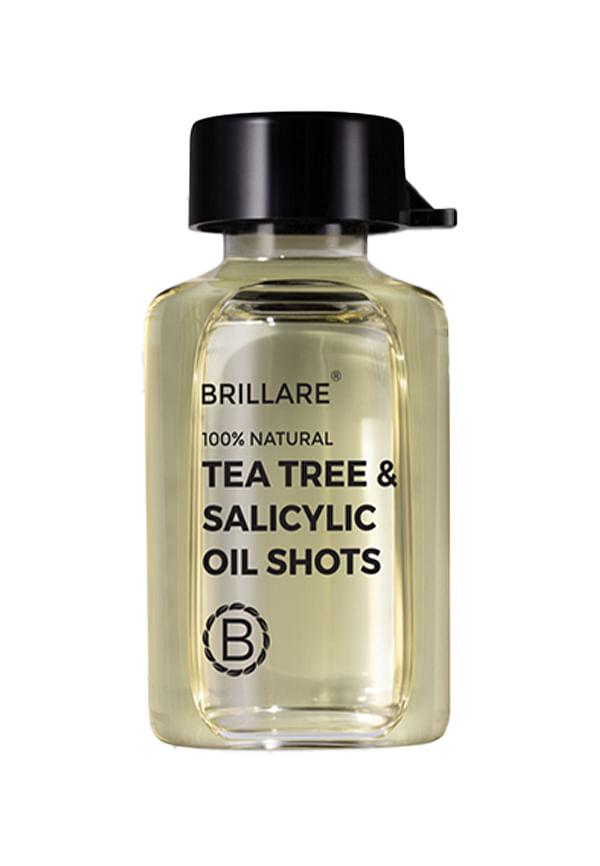
Tea Tree & Salicylic Oil Shots For Dry, Itchy Scalp to Fights Dandruff
Excellent Product Quality
5“nice product awesome quality 👍🏻😁”
Effective Brand
4“love this brand it's effective”
Amazing Product, Will Buy Full Size
5“amazing product going to buy full size”
With proper treatment, most monsoon scalp irritation improves within 2-4 weeks. However, this depends on the severity of the condition and how quickly you start appropriate treatment. Consistency with your scalp care routine is crucial for faster healing.
Yes, foods high in sugar, processed foods, and excessive dairy can increase inflammation and worsen scalp conditions. Spicy foods might also trigger increased sweating, which can exacerbate scalp irritation in humid weather.
It's better to avoid heavy conditioners on an irritated scalp, as they can clog pores and trap bacteria. Instead, use lightweight, scalp-friendly conditioners or apply regular conditioner only to the mid-lengths and ends of your hair.
Dandruff typically involves just flaking, while seborrheic dermatitis includes redness, inflammation, and more severe scaling. Seborrheic dermatitis can also affect other areas of your face and body, not just the scalp.
Fungal infections typically cause flaking and itching, while bacterial infections often involve pus-filled bumps, increased warmth, and sometimes fever. When in doubt, consult a dermatologist for proper diagnosis.
Absolutely. Stress weakens your immune system and can disrupt your scalp's natural balance, making you more susceptible to fungal overgrowth and inflammation during already challenging monsoon weather.
Gentle scalp massages with antimicrobial oils can improve circulation and help distribute natural oils. Focus on circular motions with your fingertips, but avoid aggressive rubbing that could further irritate sensitive skin.
Monsoon scalp irritation might feel overwhelming, but with the right approach, you can keep your scalp comfortable throughout the rainy season. The key is understanding that humid weather requires a different haircare strategy—one that focuses on maintaining balance rather than stripping away natural oils. Remember that consistency is more important than intensity when it comes to scalp care. Building a routine that works for your specific scalp type and sticking to it will give you the best results. Don't expect overnight miracles, but do expect steady improvement when you're using the right products and techniques. Your scalp will thank you for the extra attention during these challenging months. If you're looking to experiment with different scalp-soothing products without committing to full sizes, Smytten offers trial-size versions of many scalp care products from trusted brands. It's a smart way to find what works for your specific needs before investing in full-size bottles—especially helpful when dealing with sensitive scalp conditions that might react differently to various formulations.
