Monsoon Itchy Flaky Scalp FAQ: Common Questions Answered

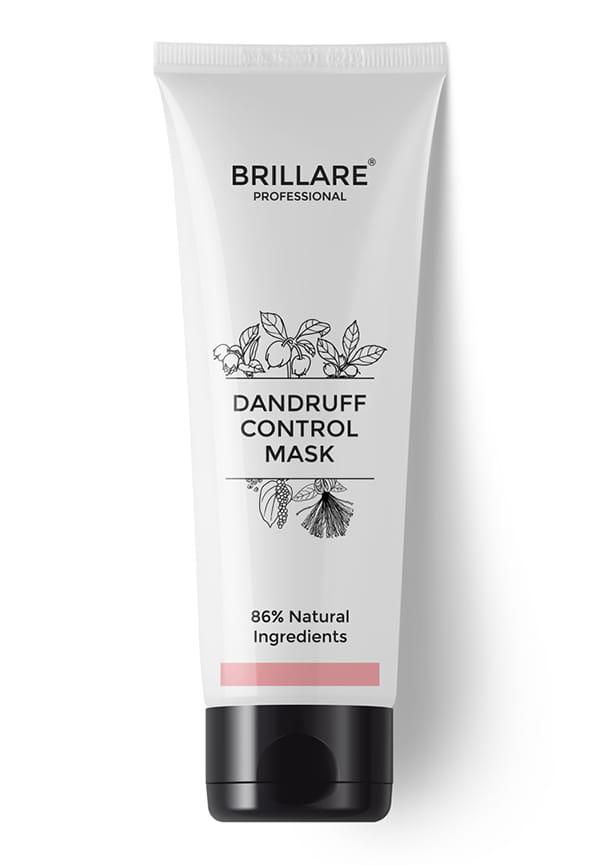
Conditioner For Itchy, Flaky Scalp
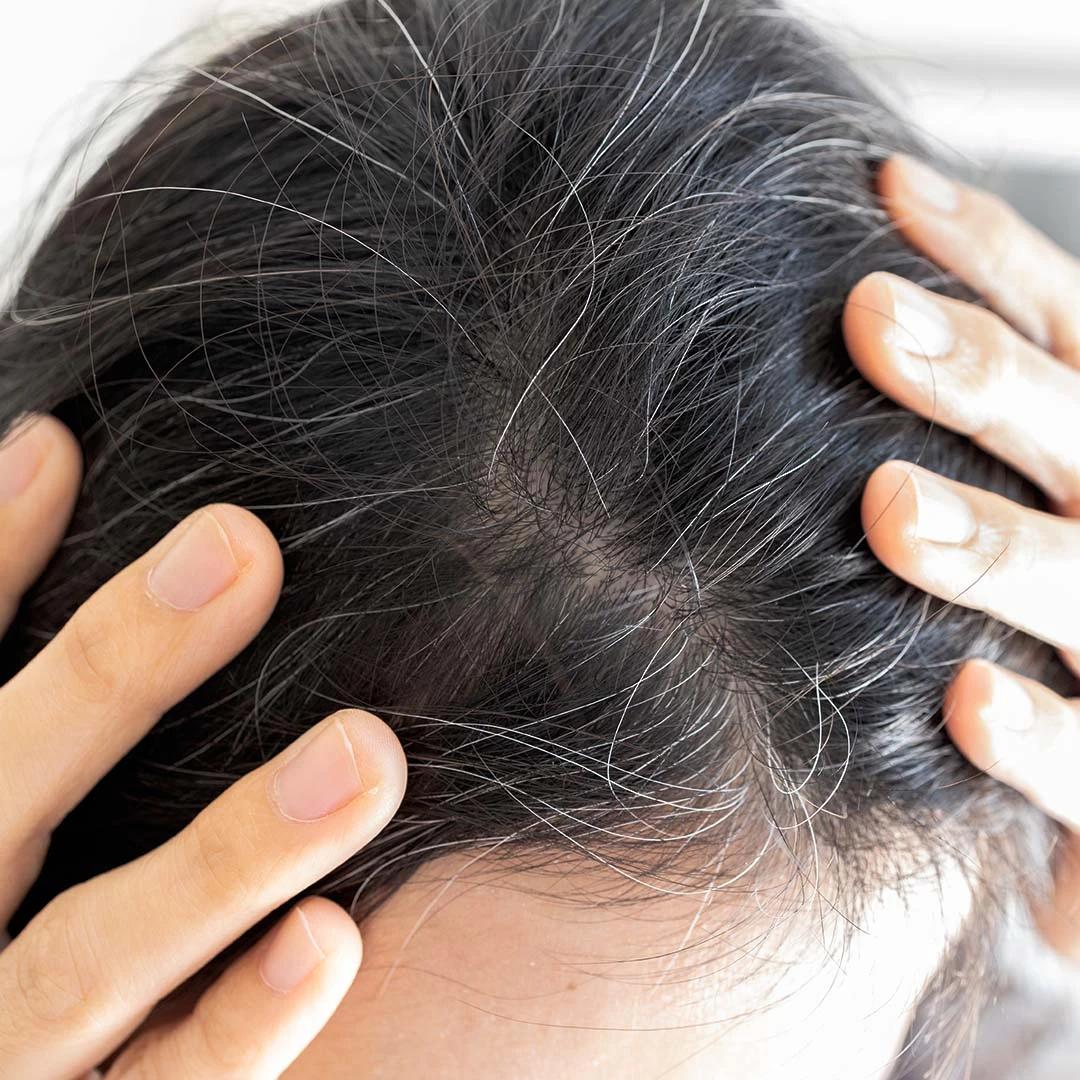
Picture this: you're three weeks into monsoon season, and suddenly your scalp feels like it's hosting its own little rebellion. The itching starts subtly during morning meetings, then escalates to full-blown scratching sessions by evening. Add some flaky bits on your shoulders, and you've got the classic monsoon scalp situation that millions deal with every year. If you've been wondering whether this seasonal scalp drama is normal or if there's something you can actually do about it, you're definitely not alone. Let's sort through the most common questions about monsoon itchy flaky scalp issues and get you some real answers.
Real talk: your scalp isn't just being dramatic during monsoon season. The combination of high humidity, increased sweating, and warm temperatures creates the perfect storm for various scalp issues. When humidity levels spike, your scalp tends to produce more oil whilst simultaneously struggling to dry properly after washing.
The main culprit behind monsoon itchy flaky scalp problems is a fungus called Malassezia. This little troublemaker thrives in warm, moist environments and feeds on the natural oils your scalp produces. During monsoon, when your scalp stays damp longer and produces more sebum, Malassezia has a field day, leading to inflammation, itching, and those annoying flakes.
Increased sweating during humid weather also clogs your hair follicles and pores, creating additional irritation. Your scalp's natural pH balance gets disrupted, making it more susceptible to bacterial and fungal overgrowth. This explains why many people experience their first bout of dandruff or notice existing scalp conditions getting worse during rainy season.
Understanding what's actually happening on your scalp helps you tackle the right issue with the right approach. Scalp irritation monsoon season brings isn't just one-size-fits-all dandruff.
Dandruff during monsoon season typically appears as white or yellowish flakes that fall from your scalp when you scratch or brush your hair. It's usually accompanied by mild itching and tends to worsen with stress or hormonal changes. Seborrheic dermatitis, on the other hand, is more intense. You'll notice red, scaly patches along with the flaking, and the itching can be quite severe.
Scalp infection monsoon season can manifest as ring-shaped patches of hair loss, intense itching, and sometimes even pustules. These require immediate attention and usually need antifungal treatments.
Sometimes your scalp reacts to increased humidity by becoming hypersensitive to products you normally use. You might notice sudden reactions to your regular shampoo or styling products during monsoon.
When your scalp is driving you mad with itching, you need solutions that work fast. These itchy scalp remedies can provide immediate relief whilst you work on longer-term solutions.
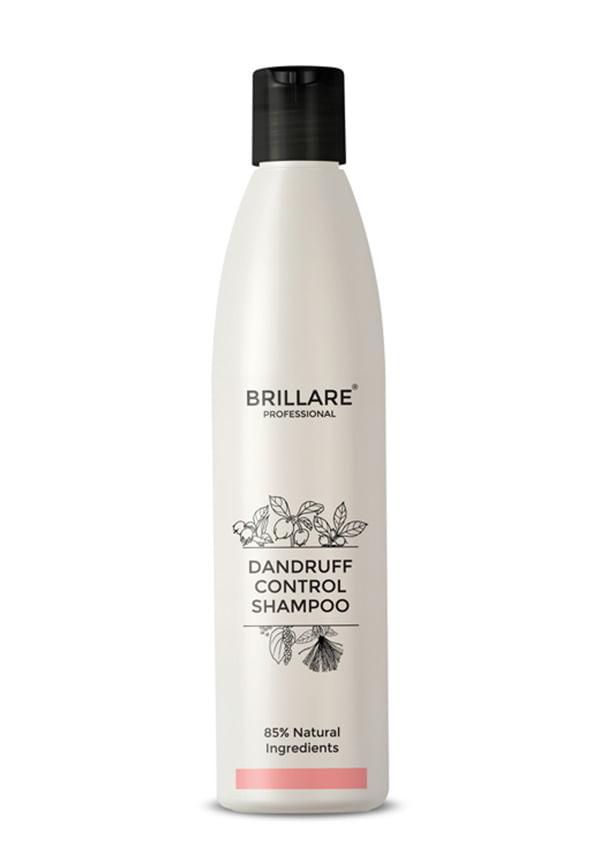
Dandruff Control Shampoo For Itchy, Flaky Scalp
Tea tree oil mixed with a carrier oil like coconut or jojoba can provide instant cooling relief. Mix 2-3 drops of tea tree oil with a tablespoon of carrier oil, massage gently into your scalp, and leave for 15 minutes before washing. The antifungal properties help tackle the root cause whilst the cooling sensation soothes irritation.
Aloe vera gel straight from the plant or a pure aloe vera product can calm inflamed scalp skin immediately. Apply it directly to itchy areas and let it sit for 20 minutes. The natural anti-inflammatory compounds help reduce redness and provide cooling relief.
Fresh lemon juice diluted with equal parts water makes an excellent rinse for flaky scalp treatment. The citric acid helps balance your scalp's pH whilst the antifungal properties combat Malassezia overgrowth.
Neem oil or neem paste can be particularly effective for stubborn cases. Mix neem powder with water to form a paste, apply to affected areas, and rinse after 30 minutes. It's potent, so start with shorter application times.
Preventing monsoon scalp issues is much easier than treating them once they've taken hold. These monsoon haircare tips focus on creating an environment where fungi and bacteria can't thrive.
Washing frequency becomes crucial during humid weather. If you normally wash twice a week, you might need to increase to every other day during peak monsoon. However, over-washing can strip natural oils and worsen the problem, so find your sweet spot.
Choose shampoos with antifungal ingredients like ketoconazole, zinc pyrithione, or selenium sulphide. These ingredients specifically target the fungi responsible for most monsoon scalp issues. Rotate between different active ingredients to prevent resistance.
Never leave your scalp damp for extended periods. After washing, gently towel-dry your hair and use a blow dryer on cool setting if necessary. Ensure your scalp is completely dry before tying your hair up or going to bed.
Reduce heavy styling products during monsoon. Gels, creams, and oils can trap moisture against your scalp, creating perfect conditions for fungal growth. Opt for lighter, water-based products when possible.
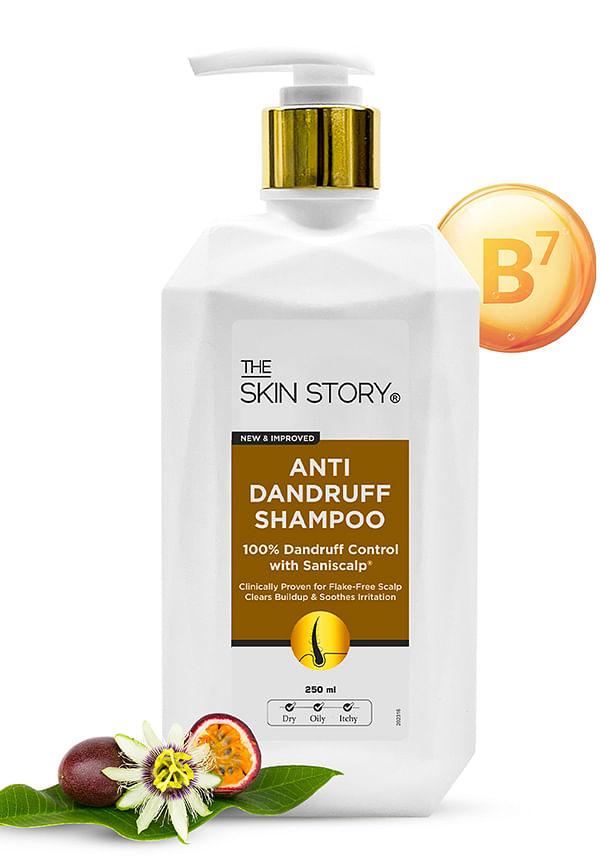
Anti Dandruff Shampoo For Oily Dry Itchy Scalp With Saniscalp
Sometimes home remedies aren't enough, and that's completely normal. Knowing when to seek professional help can save you weeks of discomfort and prevent more serious scalp health issues.
Medicated shampoos containing stronger antifungal agents like ketoconazole 2% or ciclopirox are available by prescription. These are particularly effective for persistent cases that don't respond to over-the-counter treatments.
If you notice hair loss, severe inflammation, pustules, or if your symptoms persist despite consistent treatment for more than two weeks, it's time to see a dermatologist. These could indicate a more serious scalp infection monsoon conditions can trigger.
Over-the-counter treatments work well for mild to moderate cases. Prescription treatments become necessary when dealing with severe seborrheic dermatitis, fungal infections, or when multiple treatments have failed.
Absolutely normal. The increased humidity and warmth during monsoon create ideal conditions for Malassezia fungus to multiply, leading to dandruff flare-ups. Many people experience their first dandruff episode or notice existing dandruff worsening during rainy season. The key is addressing it promptly with appropriate antifungal treatments and proper scalp hygiene.
Monsoon itching affects both scalp and body due to increased humidity, sweating, and fungal growth. Your skin's natural barrier function can be compromised by constant moisture, leading to irritation. Fungal infections like ringworm also become more common during humid weather. Keep your skin and scalp dry, use antifungal powders or treatments, and wear breathable fabrics.
Antifungal treatments are your best bet. Use shampoos containing ketoconazole, zinc pyrithione, or selenium sulphide for scalp issues. For body fungus, antifungal powders and creams work well. Keep affected areas dry, avoid tight clothing, and maintain good hygiene. Severe cases might need prescription antifungal medications from a dermatologist.
Start with gentle, antifungal shampoos and avoid over-washing. Use natural remedies like tea tree oil or aloe vera for immediate relief. Ensure your scalp dries completely after washing, reduce heavy styling products, and consider using a dehumidifier in your room. If itching persists beyond two weeks, consult a dermatologist for stronger treatments.
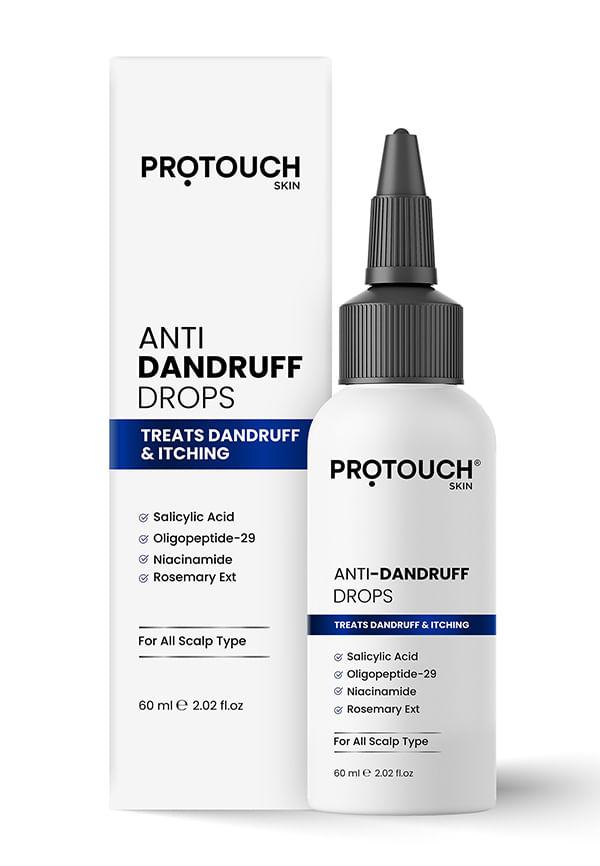
SKIN Anti Dandruff Drops Serum Soothes Itchy, Inflamed Scalp
Humidity itself doesn't cause permanent damage, but untreated fungal infections or severe seborrheic dermatitis can lead to temporary hair loss or scarring in extreme cases. Most monsoon-related scalp issues resolve completely with proper treatment. The key is addressing problems early and maintaining good scalp hygiene throughout the humid season.
Monsoon dandruff tends to be more severe and persistent due to increased fungal activity in humid conditions. You might notice larger flakes, more intense itching, and faster recurrence compared to regular dandruff. The underlying cause is the same (Malassezia overgrowth), but environmental factors during monsoon amplify the symptoms significantly.
Maintaining healthy scalp conditions during monsoon requires consistent daily habits rather than reactive treatments. These scalp health tips focus on prevention and long-term maintenance.
Adjust your daily routine to account for increased humidity. This means washing your hair more frequently if you're prone to oiliness, but less frequently if your scalp tends toward dryness. Pay attention to how your scalp responds to weather changes and modify accordingly.
Your diet plays a role in scalp health too. Reduce sugar and refined carbs during monsoon, as these can feed fungal overgrowth. Include zinc-rich foods like pumpkin seeds, and omega-3 fatty acids from fish or flaxseeds to support skin barrier function.
Use a dehumidifier in your bedroom if possible, especially if you live in particularly humid areas. This helps your scalp and hair dry properly overnight. Ensure good ventilation in bathrooms and avoid staying in damp environments for extended periods.
Oily scalps benefit from clarifying shampoos with salicylic acid or tea tree oil during monsoon. Dry scalps need gentle, moisturising formulas with ceramides or hyaluronic acid. Sensitive scalps should stick to fragrance-free, hypoallergenic products during humid weather.
Dealing with monsoon itchy flaky scalp issues doesn't have to ruin your rainy season vibes. The key is understanding that these problems are incredibly common and completely treatable with the right approach. Start with gentle, consistent care and don't hesitate to seek professional help if home remedies aren't cutting it.
Remember that everyone's scalp responds differently to humidity and treatments. What works for your friend might not work for you, so be patient as you find your ideal routine. The good news is that most monsoon scalp issues resolve completely once you address the underlying fungal overgrowth and maintain proper scalp hygiene.
If you're looking to try different antifungal shampoos or scalp treatments without committing to full-size bottles, Smytten offers trial-size versions of many scalp care products from trusted brands. It's a practical way to test what works for your specific scalp needs during monsoon season before investing in larger quantities.
