Monsoon Haircare FAQ: How Monsoon Affects Hair & Solutions
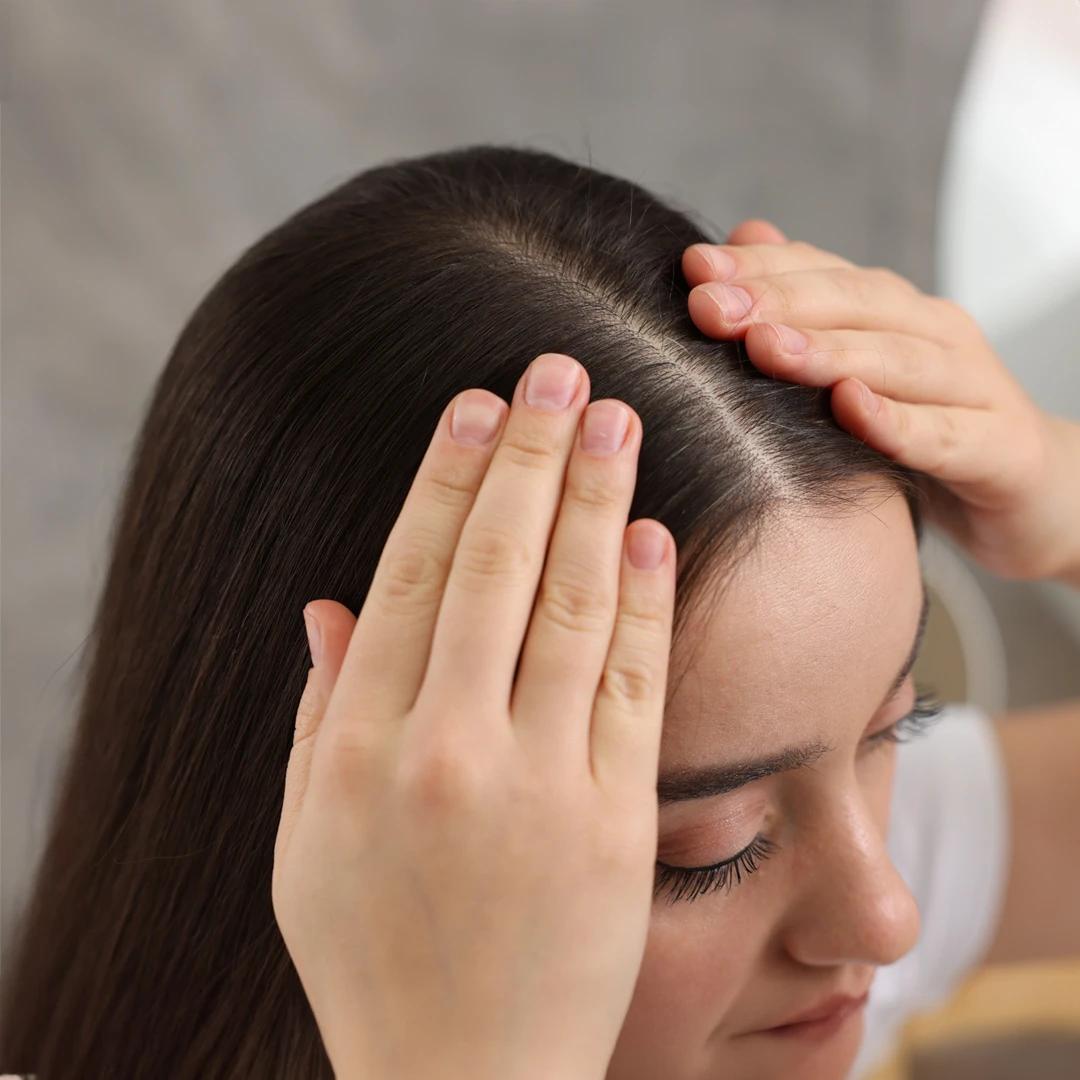

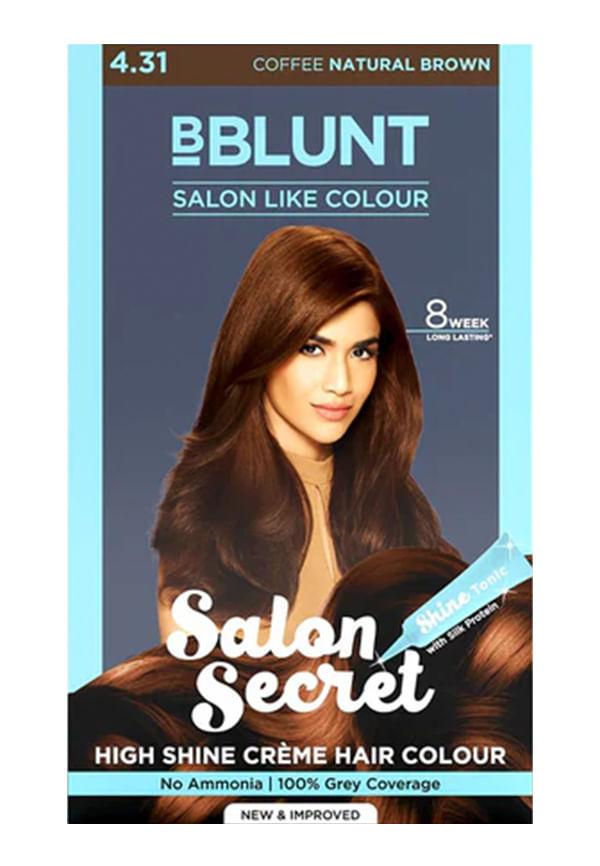
Salon Secret High Shine Conditioning Hair Colour
You step out of your house feeling like your hair game is strong, and then the monsoon humidity hits. Within minutes, your sleek blowout has transformed into a frizzy mess, your scalp feels greasy, and you're finding more hair strands on your pillow than usual. Sound familiar? You're definitely not alone in this struggle. The rainy season brings its own set of hair challenges that can leave even the most dedicated haircare enthusiast feeling defeated. Let's dive into exactly how monsoon affects hair and what you can actually do about it.
Real talk — monsoon weather is basically your hair's nemesis. The science behind it is pretty straightforward but fascinating. When humidity levels spike during the rainy season, your hair cuticles (the outer protective layer) start to swell and lift. Think of it like tiny roof tiles that get warped by moisture. This lifting allows more water to penetrate your hair shaft, which sounds good in theory, but actually disrupts your hair's natural moisture balance.
Here's where it gets interesting: studies from the World Trichology Society show that hair fall increases by approximately 30% during monsoon months. That's not just your imagination playing tricks on you. The combination of high humidity, increased sweating, and environmental pollutants creates the perfect storm for hair problems. Your scalp's pH balance gets thrown off, follicles can become clogged with sweat and dirt, and the constant moisture exposure weakens your hair strands from root to tip.
The pollutants in rainwater add another layer of complexity. Unlike the pure H2O we imagine, rainwater picks up various chemicals and particles as it falls, which can deposit on your scalp and hair. These deposits can clog follicles and create an environment where bacteria and fungi thrive. Your hair essentially becomes a magnet for everything you don't want near your scalp.
Let's break down the most common issues you're likely dealing with during the rainy season. Knowing what you're up against is half the battle won.
This is probably the most alarming monsoon hair problem. Your hair follicles become clogged with a mixture of sweat, sebum, and environmental pollutants. When follicles can't breathe properly, they weaken, leading to increased shedding. Normal hair shedding is about 50-100 strands per day, but during monsoon, you might notice significantly more hair in your brush, on your pillow, or going down the drain.
Humidity is frizz's best friend, unfortunately. When moisture in the air penetrates your hair cuticles, it causes the hair shaft to swell unevenly. This creates that dreaded halo of frizz that no amount of smoothing serum seems to tame. Your hair texture might feel completely different — coarser, more tangled, and impossible to style the way you want.
Ironically, while your hair ends might feel dry, your scalp goes into overdrive producing oil. The humid conditions trigger your sebaceous glands to produce more sebum, thinking your scalp needs extra protection. Add sweat and dirt to the mix, and you've got hair that looks greasy just hours after washing.
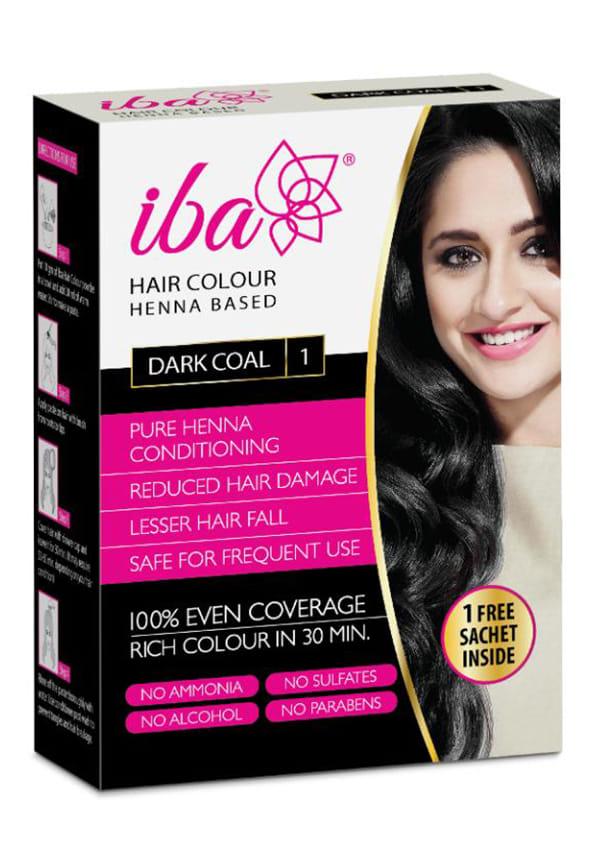
Halal Care Hair Colour
The warm, moist environment of monsoon season is basically a five-star resort for bacteria and fungi. Common issues include dandruff flare-ups, scalp acne, and fungal infections that cause itching and irritation. Your scalp might feel tender, and you could notice unusual odours or persistent itching.
This seems contradictory, but it's actually quite common. While your scalp produces excess oil, the lengths and ends of your hair can become dry and brittle. The constant moisture fluctuation strips away your hair's natural oils, leaving the ends parched and prone to breakage.
Understanding why hair fall spikes during monsoon helps you tackle the problem more effectively. The primary culprit is follicle clogging. When your scalp produces excess oil and you're sweating more, these substances mix with environmental pollutants and dead skin cells. This cocktail creates a barrier that prevents your follicles from functioning properly.
Your scalp's pH balance also gets disrupted during the rainy season. Healthy scalp pH should be slightly acidic (around 4.5-5.5), but humidity and sweat can make it more alkaline. This pH shift weakens the hair shaft and makes it more susceptible to breakage. What you're seeing isn't always actual hair loss from the root — much of it is breakage along the hair shaft due to weakened structure.
The constant cycle of getting wet and drying out also plays a role. When hair repeatedly swells with moisture and then contracts as it dries, the cuticle layer becomes damaged. This damage travels up the hair shaft, making the entire strand weaker and more prone to snapping.
Now for the good stuff — what actually works to keep your hair healthy during the rainy season. Your monsoon haircare routine needs to be different from your regular regimen, focusing on balance rather than extremes.
Start preparing your hair before the monsoon hits. Get a good trim to remove any damaged ends that could worsen with humidity exposure. Consider a protein treatment to strengthen your hair shaft — this creates a protective barrier that helps resist humidity damage. Switch to lighter hair oils if you use them, as heavy oils can weigh down your hair and attract more dirt.
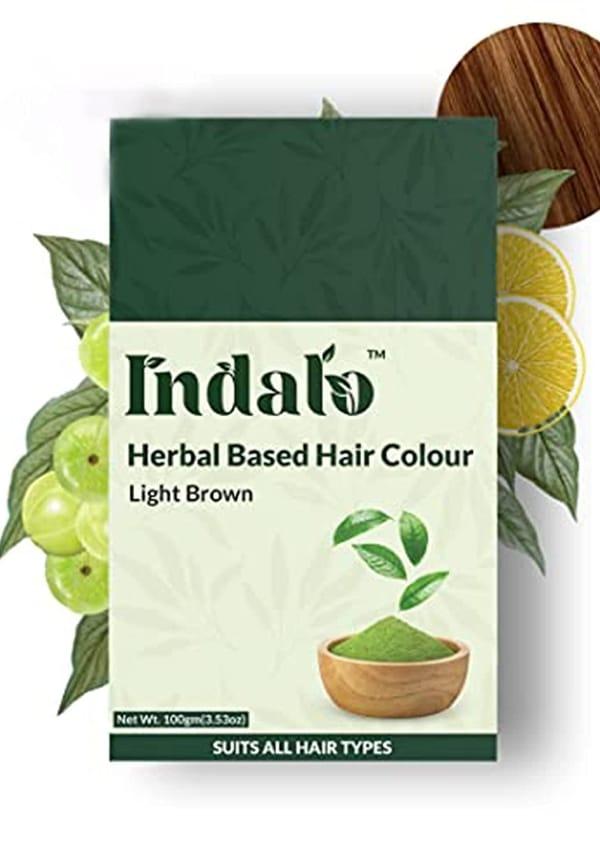
Herbal Based Hair Colour with Amla, Shikakai, Henna and Brahmi - Light Brown
Wash your hair more frequently during monsoon, but use a gentle, sulphate-free shampoo. Daily washing might be necessary if you have an oily scalp, but every other day works for most hair types. Always dry your hair completely — leaving it damp creates the perfect environment for fungal growth. If you can't air dry completely, use a blow dryer on a cool setting.
Your hair needs extra TLC during the rainy season. Use a clarifying shampoo once a week to remove buildup from pollution and styling products. Follow with a deep conditioning mask that focuses on moisture-protein balance. Scalp massages with antifungal oils like tea tree or neem can help prevent infections while improving circulation.
Let's get specific about solutions that actually work for each major monsoon hair concern.
Focus on keeping your scalp clean and unclogged. Use shampoos with ingredients like salicylic acid or zinc pyrithione that help remove buildup. Scalp massages with rosemary or peppermint oil can improve circulation and strengthen follicles. If you're losing more than 150 strands per day consistently, it's worth consulting a dermatologist to rule out underlying issues.
Look for anti-humidity products containing silicones or polymers that create a protective barrier around your hair shaft. Apply these to damp hair before styling. Avoid touching your hair throughout the day, as this disrupts the cuticle and increases frizz. Sleep on a silk or satin pillowcase to reduce friction-induced frizz overnight.
Use dry shampoo strategically — not just when your hair looks greasy, but as a preventive measure. Apply it to clean, dry hair before bed to absorb oils as they're produced overnight. Choose clarifying shampoos with ingredients like clay or charcoal that absorb excess oil without over-stripping your scalp.
Keep your hair and scalp as dry as possible. If you get caught in the rain, wash your hair as soon as you can. Use antifungal shampoos containing ketoconazole or selenium sulphide if you're prone to scalp infections. Never share hair tools or accessories, and clean your brushes and combs regularly with antibacterial solutions.
Herbal Based Hair Colour with Amla and Brahmi - Dark Brown
Yes, it's completely normal to experience increased hair fall during monsoon season. The 30% increase in shedding is well-documented and happens due to clogged follicles, humidity damage, and environmental factors. Normal shedding ranges from 50-100 strands daily, but during monsoon, you might lose 100-150 strands. You should be concerned if you're losing more than 200 strands daily or notice bald patches developing.
Natural solutions include regular scalp massages with oils like coconut, rosemary, or neem oil, which have antifungal properties. Aloe vera gel applied to the scalp can soothe irritation and provide moisture balance. Green tea rinses help remove buildup and provide antioxidants. Onion juice, though pungent, contains sulphur compounds that can strengthen hair follicles when applied weekly.
Most monsoon-related hair fall is temporary and will regrow once the season ends and you maintain proper haircare. Hair typically takes 3-6 months to regrow completely, so you might not see full recovery until post-monsoon months. However, if the hair loss is due to underlying scalp infections or severe damage, recovery might take longer and require targeted treatment.
Monsoon humidity can disrupt the normal hair growth cycle by prolonging the resting phase and shortening the growth phase. Environmental stress causes more follicles to enter the shedding phase simultaneously. This disruption is temporary, and normal growth cycles typically resume once environmental conditions stabilise and proper care is maintained.
Look for lightweight, clarifying shampoos with ingredients like tea tree oil, salicylic acid, or zinc pyrithione. Anti-humidity serums containing silicones help create protective barriers. Dry shampoos become essential for managing oily roots between washes. Deep conditioning masks with protein and moisture-balancing ingredients help repair humidity damage.
Managing monsoon hair problems isn't about fighting humidity — it's about working with it smartly. The key is maintaining balance: keeping your scalp clean without over-washing, providing moisture without weighing hair down, and protecting against humidity without creating buildup. Remember that the 30% increase in hair fall during monsoon is temporary and manageable with the right approach.
Your monsoon haircare routine should focus on gentle cleansing, proper drying, and protective styling. Don't panic if you notice more hair fall initially — it's your hair's way of shedding damaged strands to make room for healthier growth. With consistent care and the right products, you can actually emerge from monsoon season with stronger, healthier hair than when you started. Not sure which products will work best for your specific hair concerns? Smytten offers trial-size versions of many monsoon haircare essentials — a smart way to test what works for your hair before committing to full-size bottles.
