Monsoon Hair Loss FAQ: Your Questions Answered

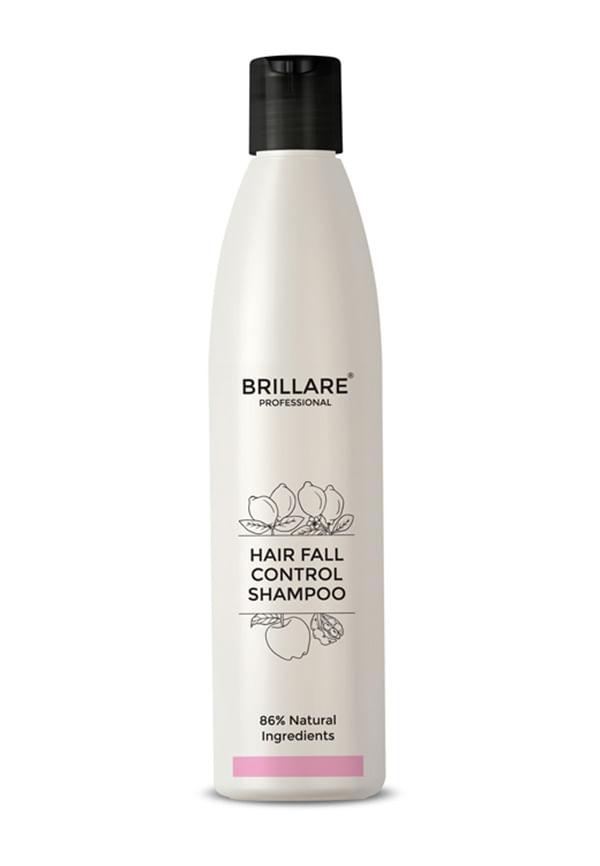
Shampoo To Reduce Seasonal Hair Fall
Picture this: you're getting ready for work, running your fingers through your hair, and suddenly your hand comes away with what feels like half your head. Sound familiar? If you've been wondering why your hairbrush seems to be collecting more strands than usual during the rainy season, you're definitely not alone. Monsoon hair fall is one of those seasonal struggles that catches most of us off guard, leaving us frantically googling solutions at 2 AM. The good news? Understanding monsoon hair loss is the first step to getting your mane back on track.
Let's be real—monsoon season can be absolutely brutal on your hair. The combination of humidity, sudden weather changes, and all that moisture in the air creates the perfect storm for hair fall. But before you panic, it's worth understanding what's actually happening up there on your scalp.
Your hair is basically like a tiny sponge. When humidity levels spike during monsoon, your hair shaft absorbs all that moisture from the air, causing it to swell and weaken. This swelling puts stress on the hair cuticles—the protective outer layer—making your strands more prone to breakage. Normally, losing 50-100 strands daily is totally fine, but during monsoon, that number can jump to 250+ strands. That's when you know something's up.
High atmospheric humidity isn't just making your hair frizzy—it's actually changing the entire structure of your strands. Those sudden temperature fluctuations between air-conditioned spaces and the humid outdoors? Your hair hates that. Plus, constant exposure to dampness creates an environment where your hair becomes more fragile and prone to snapping.
Your scalp goes through its own drama during monsoon. The humidity triggers your sebaceous glands to produce more oil, creating a greasy mess that clogs hair follicles. This excess moisture also becomes a breeding ground for fungi and bacteria, throwing off your scalp's natural pH balance. When your scalp isn't happy, your hair definitely isn't either.
Monsoon season brings its own unique set of hair challenges that go way beyond just increased hair fall. Understanding these problems can help you tackle them before they get out of hand.
When your hair cuticles are constantly exposed to moisture, they become weakened and start lifting. This makes your hair more susceptible to friction and tangling, especially when it's wet. You might notice your hair feeling less elastic—that bouncy quality disappears, and strands start snapping more easily when you brush or style them.
The warm, moist conditions during monsoon are basically a five-star resort for fungi. This can lead to infections like seborrheic dermatitis, which shows up as those annoying white flakes and an itchy, inflamed scalp. If you're dealing with dandruff monsoon issues, you're probably noticing more irritation and discomfort than usual.
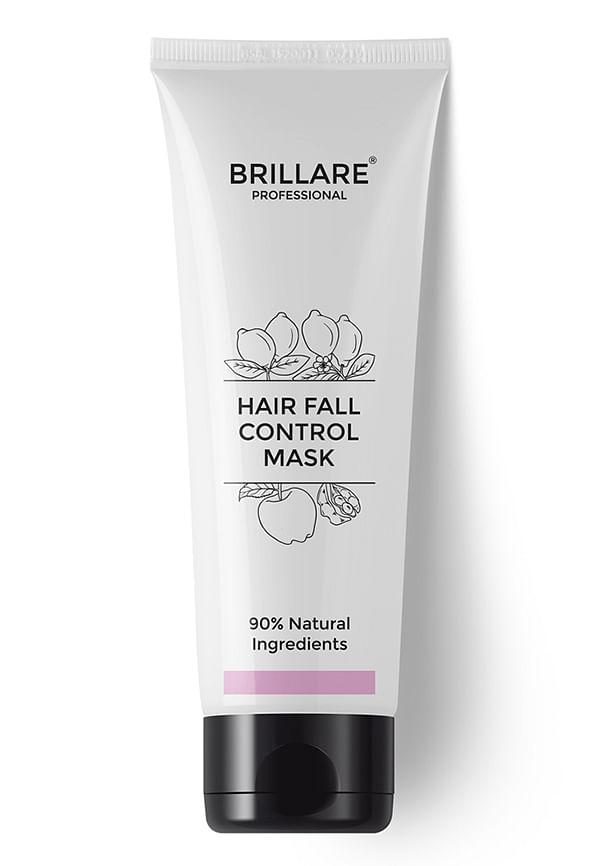
Conditioner To Reduce Seasonal Hair Fall
That moisture absorption we talked about? It doesn't just weaken your hair—it also makes it expand unevenly, creating frizz and making your hair texture completely unpredictable. Your usually smooth strands might feel rough and look dull because the cuticles are lifted and damaged.
Here's some reassuring news: seasonal hair loss during monsoon is usually temporary. But to understand why, you need to know how your hair actually grows.
Your hair goes through three main phases. The anagen phase is when it's actively growing (this lasts 2-7 years). Then comes the catagen phase, a short transition period of about 2-3 weeks. Finally, there's the telogen phase—the resting period that lasts around 3 months before the hair falls out and the cycle starts again. Monsoon conditions can push more hairs into the telogen phase simultaneously, causing that sudden increase in hair fall.
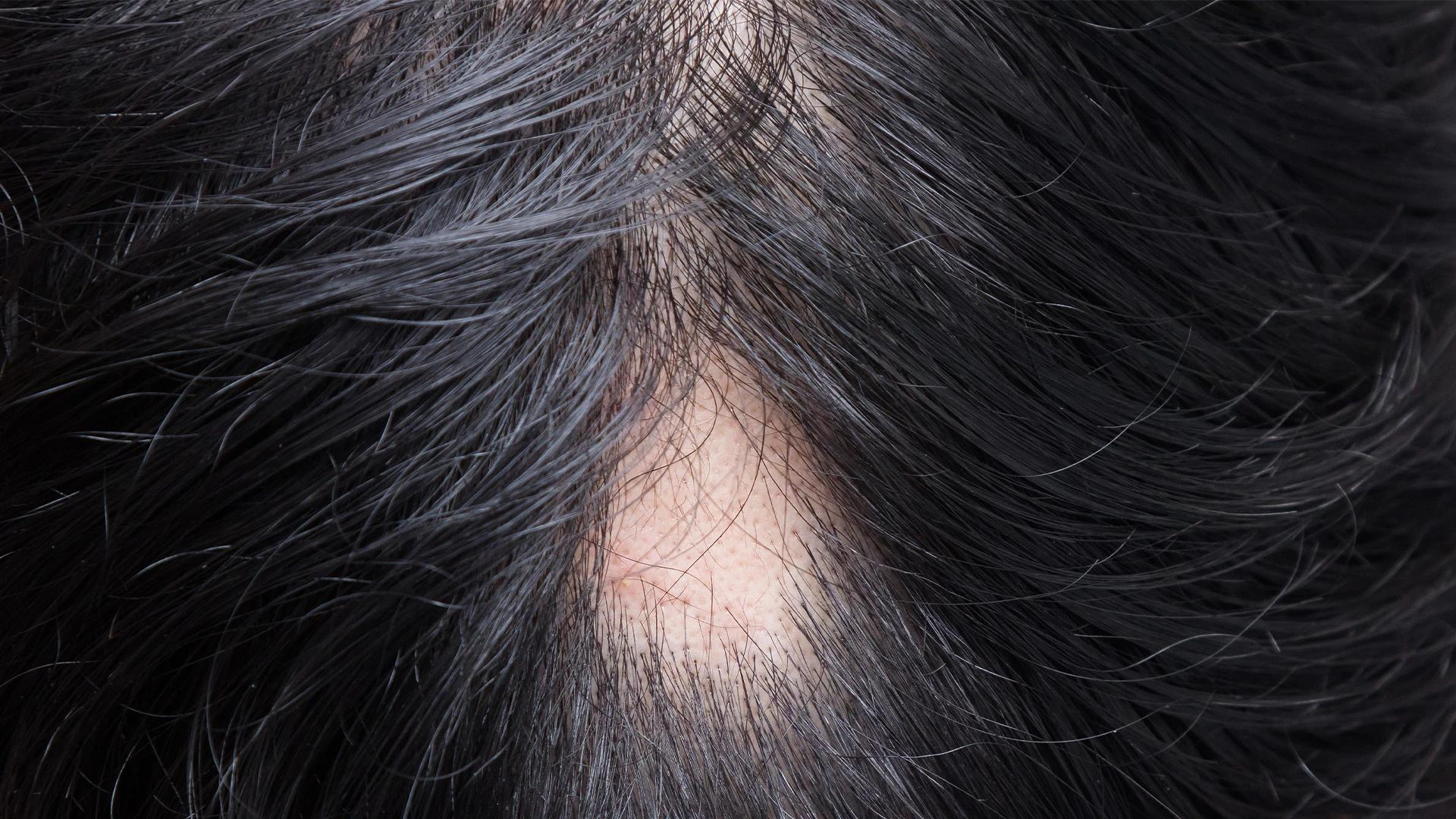
Seasonal hair fall typically shows up as overall thinning rather than bald patches. You should start seeing regrowth within 2-3 months after the monsoon ends, assuming you're taking proper care of your scalp. However, if you notice sudden bald spots, persistent scalp infections, or hair fall that continues well after monsoon season, that's when you need to worry about more permanent hair loss causes.
The good news is that there are plenty of natural ways to combat monsoon hair fall without breaking the bank or using harsh chemicals.
Your hair is basically a reflection of what you eat. During monsoon, focus on iron-rich foods like spinach and lentils, zinc sources like pumpkin seeds, and biotin-rich foods like eggs. Vitamin D becomes especially important during the rainy season when you're getting less sunlight. Don't forget to stay hydrated—dehydration can make hair fall worse.
Oil treatments become your best friend during monsoon. Coconut oil has antifungal properties that help combat scalp infections, while argan oil can help strengthen weakened hair shafts. Try a weekly hair mask with ingredients like yoghurt and honey to restore moisture balance. Herbal rinses with neem or tea tree oil can help keep your scalp healthy and infection-free.
Stress is a major contributor to hair fall, and monsoon season can be stressful enough without worrying about your hair. Practice stress management through meditation or yoga. Quality sleep is crucial—your hair does most of its repair work while you're sleeping. Regular exercise improves circulation to your scalp, which helps deliver nutrients to your hair follicles.
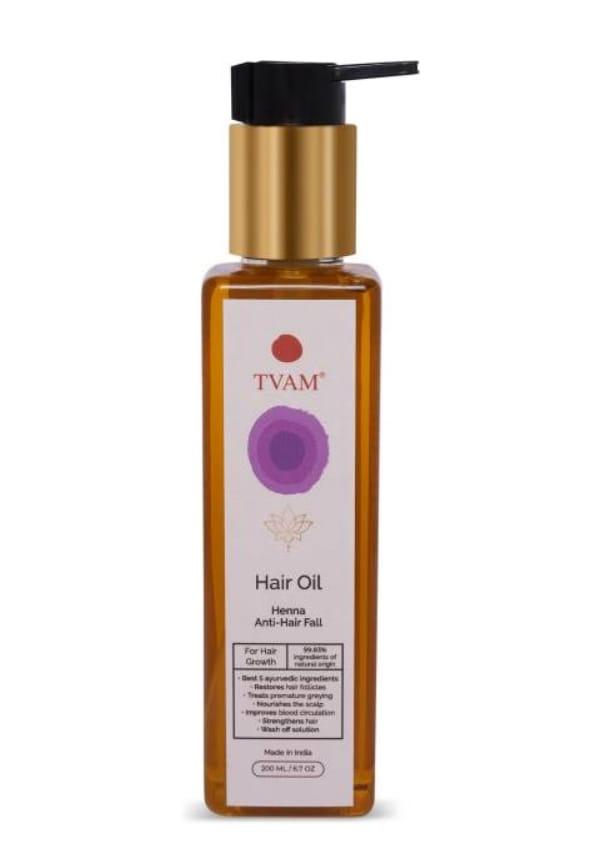
Hair Oil - Henna Anti-Hair Fall
Sometimes natural remedies need a little backup from professional-grade products and techniques.
During monsoon, you might need to wash your hair more frequently to combat the excess oil and humidity. Choose a gentle, sulfate-free shampoo that won't strip your hair of natural oils. Follow up with a lightweight conditioner, focusing on the mid-lengths and ends. Use lukewarm water instead of hot—high temperatures can further weaken already vulnerable hair.
Your scalp care monsoon routine should include regular gentle massages to improve circulation. If you're dealing with fungal issues, look for shampoos with ketoconazole or zinc pyrithione. Professional scalp treatments can help reset your scalp's health if home remedies aren't cutting it.
Minimise heat styling during monsoon—your hair is already stressed enough. When you do use heat tools, always apply a heat protectant first. Opt for protective hairstyles like loose braids or buns that keep your hair off your neck and reduce friction. Look for anti-humidity products that can help control frizz without weighing your hair down.
While monsoon hair fall is usually temporary, there are times when you need to call in the experts.
If you're losing more than 300 strands daily for several weeks, or if you notice sudden bald patches, it's time to see a dermatologist. Persistent scalp infections that don't respond to over-the-counter treatments also need professional attention. Hair breakage that's so severe you can see your scalp through your hair is another warning sign.
Dermatologists can prescribe medicated shampoos for severe scalp conditions or recommend treatments like minoxidil for significant hair thinning. In extreme cases, professional hair restoration methods might be necessary, but this is rarely needed for seasonal hair fall.
Monsoon hair loss happens because high humidity causes your hair shaft to swell and weaken, while increased scalp oiliness and fungal growth create an unhealthy environment for your hair follicles. The moisture-rich conditions disrupt your natural hair growth cycle, pushing more hairs into the shedding phase simultaneously.
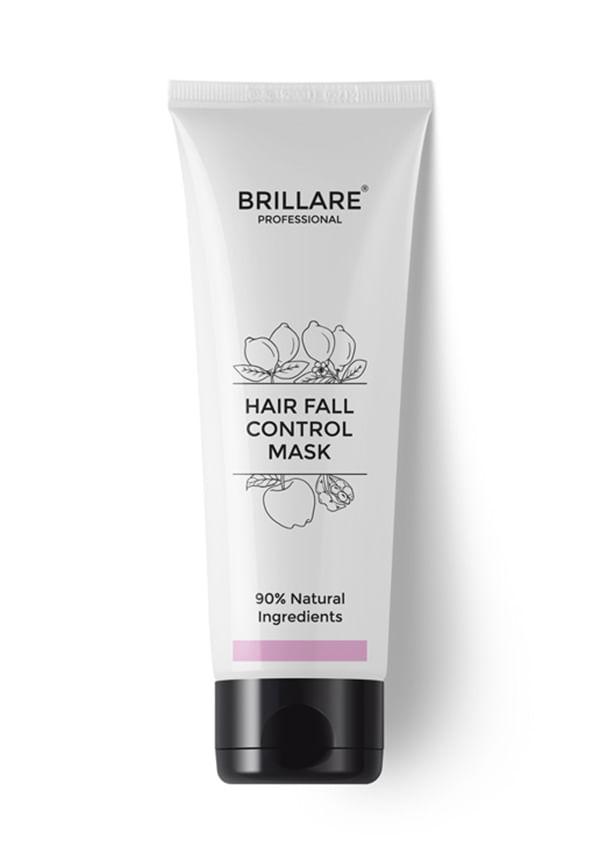
Hair Fall Control Mask To Reduce Seasonal Hair Fall
Hair fall typically peaks during monsoon months (June through September in India) due to humidity and moisture, and again during winter months (December through February) when your scalp becomes dry and blood circulation decreases. The transition periods between seasons can also trigger increased shedding.
Yes, monsoon hair fall is usually temporary and will regrow within 2-3 months after the season ends. The key is maintaining proper hair care during the monsoon and addressing any underlying scalp issues like infections or excessive oiliness that might be contributing to the problem.
Use gentle, sulfate-free shampoos, apply nourishing hair oils like coconut or argan oil, maintain a protein-rich diet with plenty of iron and vitamins, keep your scalp clean and dry, avoid excessive heat styling, and practice stress management techniques. Regular scalp massages can also improve circulation.
The three essential elements for hair regrowth are proper nutrition (especially protein, iron, zinc, and vitamins), maintaining scalp health through regular cleansing and treating any infections or imbalances, and following a consistent hair care routine with appropriate products for your hair type and concerns.
Seasonal hair loss typically lasts for the duration of the triggering season plus 2-3 months for regrowth. So if you start experiencing monsoon hair fall in June, you might continue seeing effects until November or December, with new growth becoming noticeable by early the following year.
While humidity itself doesn't cause permanent hair damage, prolonged exposure to humid conditions without proper care can lead to chronic scalp issues and weakened hair structure. The key is adapting your hair care routine to protect against humidity-related problems before they become severe.
Yes, but choose lightweight oils and apply them strategically. Focus on the mid-lengths and ends rather than the scalp if you're dealing with excess oiliness. Coconut oil and argan oil are excellent choices as they have antimicrobial properties and can help strengthen your hair without making it greasy.
Understanding monsoon hair loss is really about recognising that your hair needs different care during different seasons. While it can be frustrating to watch your hair fall out in clumps, remember that this is usually a temporary phase that will resolve itself with proper care and patience. The key is being proactive about your hair fall solutions rather than waiting for the problem to get worse.
Focus on gentle cleansing, proper nutrition, and protecting your hair from the excess moisture and humidity that monsoon brings. Don't forget that stress about hair loss can actually make the problem worse, so try to stay calm and consistent with your routine.
If you're looking to experiment with different hair care products to find what works best for your monsoon routine, Smytten's curated selection includes trial-size versions of many professional haircare brands. It's a smart way to test products before committing to full-size bottles, especially when you're trying to figure out what your hair needs during this challenging season.
