Monsoon Hair Fall Reasons Explained: Your FAQ

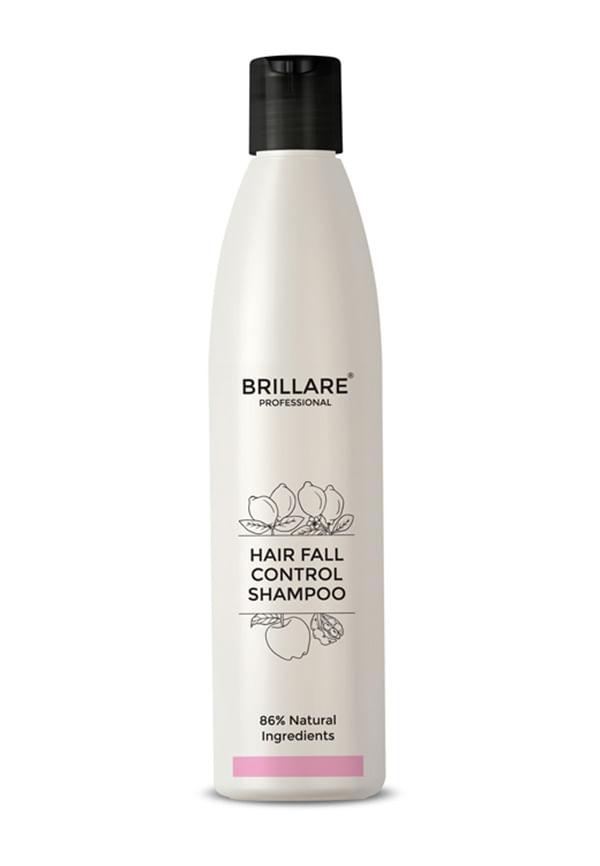
Shampoo To Reduce Seasonal Hair Fall
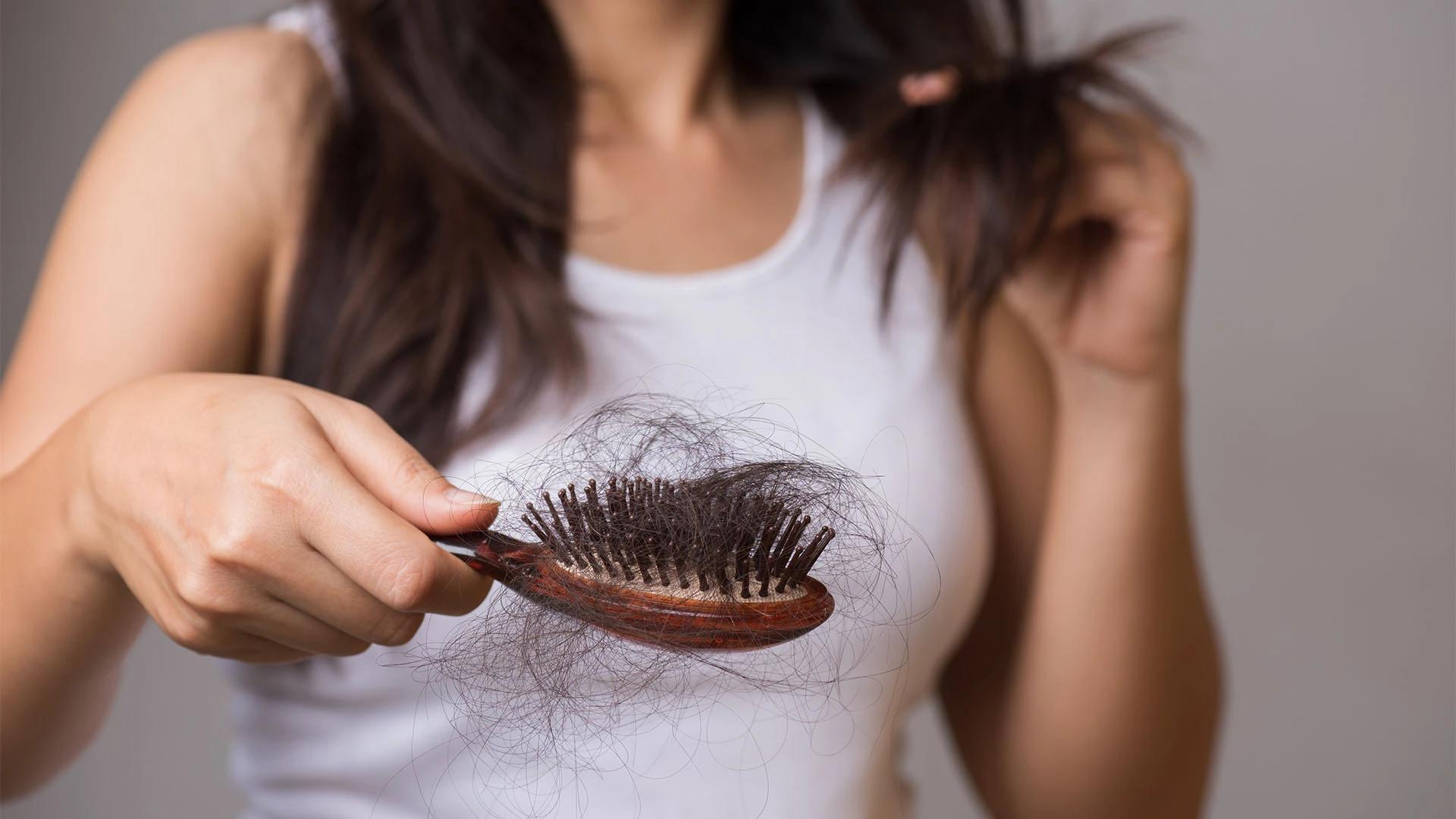
You step out of your house feeling confident about your hair, only to return looking like you've been through a wind tunnel. Sound familiar? If you've noticed your hairbrush collecting more strands than usual during the rainy season, you're definitely not alone. Monsoon brings relief from scorching heat, but it also brings a whole host of hair woes that leave many of us wondering why our locks seem to have a mind of their own. Let's dive into the real reasons behind monsoon hair fall and get you the answers you've been searching for.
Real talk—monsoon hair fall reasons explained aren't as mysterious as they might seem. The science behind it is actually quite straightforward, even if the solutions feel anything but simple.
During monsoon, humidity levels can shoot up to 80-90%, which is basically like living in a steam room for months. Your hair follicles, which are used to a certain level of moisture, suddenly find themselves overwhelmed. This excess moisture doesn't just sit on your hair's surface—it penetrates the hair shaft, causing it to swell and become more fragile than a house of cards.
Here's what's happening at the root level: your hair growth cycle gets disrupted. Normally, hair goes through three phases—growth, transition, and shedding. But during monsoon, the excessive humidity and environmental changes can push more hair follicles into the shedding phase prematurely. Studies show that seasonal hair fall can increase by 20-30% during monsoon compared to other seasons.
The constant dampness also affects your scalp's natural pH balance. Your scalp produces oils to protect itself, but when it's constantly moist, this natural barrier gets compromised. Think of it like your scalp's defence system going haywire—it doesn't know whether to produce more oil or less, leading to an imbalanced environment where hair follicles struggle to stay healthy.
Understanding the specific culprits behind humidity hair loss can help you tackle each problem head-on. Let's break down the main offenders that are probably wreaking havoc on your hair right now.
When humidity levels cross the 80% mark, your hair basically becomes a sponge. The moisture in the air gets absorbed by your hair shaft, causing it to expand and contract repeatedly. This constant swelling and shrinking weakens the hair structure, making it prone to breakage. It's like stretching a rubber band too many times—eventually, it snaps.
Warm, moist conditions are basically a five-star resort for fungi and bacteria. Dandruff monsoon issues become more common because these microorganisms thrive in humid environments. When your scalp becomes their playground, they can cause inflammation around hair follicles, leading to hair thinning and increased shedding.
Your sebaceous glands go into overdrive during monsoon, producing excess oil to combat the humidity. But here's the catch—this oil mixes with dirt, pollution, and dead skin cells, creating a cocktail that clogs your hair follicles. When follicles are blocked, hair growth gets stunted, and existing hair becomes weaker.
Getting caught in the rain might feel refreshing, but rainwater in urban areas is far from pure. It carries pollutants, chemicals, and acid rain components that can damage your hair cuticles. This contaminated water strips away your hair's natural protective layer, leaving it vulnerable to breakage.
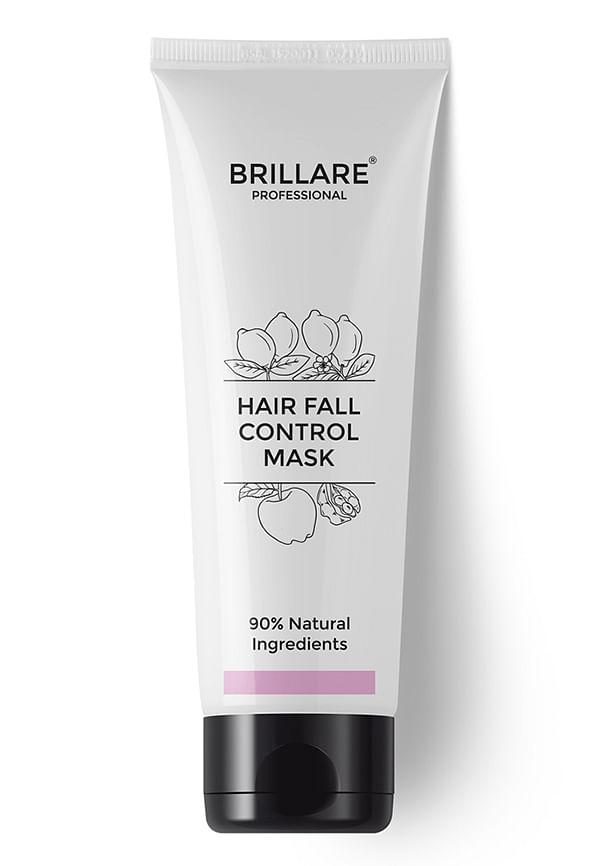
Conditioner To Reduce Seasonal Hair Fall
Many people make the mistake of washing their hair more frequently during monsoon to combat oiliness and stickiness. However, over-washing strips your scalp of natural oils, causing it to produce even more oil to compensate. This creates a vicious cycle of oily scalp monsoon problems.
During monsoon, hair takes forever to dry naturally. Keeping hair damp for extended periods creates an ideal environment for bacterial growth and weakens the hair shaft. Many people also tie up wet hair, which can cause additional breakage and tension on already fragile strands.
Monsoon weather can affect your appetite and food choices, potentially leading to nutritional gaps. When your body lacks essential vitamins and minerals like iron, biotin, or vitamin D (which is already reduced due to less sunlight), hair fall can increase significantly.
Now that we've identified the villains, let's talk about how to fight back. Effective monsoon hair care isn't about using a dozen products—it's about understanding what your hair needs and giving it exactly that.
If you're dealing with an oily scalp monsoon situation, the key is finding the right balance. Wash your hair every alternate day with a gentle, sulfate-free shampoo that cleanses without over-stripping. Look for ingredients like tea tree oil, neem, or salicylic acid that can control excess oil production without being too harsh.
Dry shampoo can be your best friend on non-wash days. It absorbs excess oil and gives your hair some breathing room. Just make sure to brush it out properly to avoid product buildup.
Dandruff monsoon problems require a targeted approach. Anti-fungal shampoos containing ketoconazole, zinc pyrithione, or selenium sulfide can help control fungal growth. Use these medicated shampoos 2-3 times a week, alternating with a gentle daily shampoo.
For natural alternatives, try apple cider vinegar rinses once a week. Mix one part ACV with three parts water and use it as a final rinse after shampooing. This helps restore your scalp's pH balance and creates an environment where harmful bacteria can't thrive.
When it comes to hair fall remedies, consistency is your secret weapon. You won't see overnight results, but with the right approach, you can definitely turn things around.
Rose - Dry Skin - Natural Hand Wash
Neem and tea tree oil treatments work wonders for monsoon-related hair issues. Mix a few drops of tea tree oil with a carrier oil like coconut or jojoba, and massage it into your scalp once a week. This combination has antifungal properties that can help prevent scalp infections.
Aloe vera gel is another game-changer. Apply fresh aloe vera gel to your scalp, leave it on for 30 minutes, then wash with a mild shampoo. Aloe vera soothes inflammation and provides moisture without making your scalp greasy.
If home remedies aren't cutting it, consider professional treatments. Scalp treatments with ingredients like minoxidil or peptides can help strengthen hair follicles. Some dermatologists also recommend PRP (Platelet-Rich Plasma) therapy for severe seasonal hair fall.
Medicated serums containing ingredients like caffeine, biotin, or saw palmetto can be applied directly to the scalp to stimulate hair growth and reduce hair fall.
Prevention is always better than cure, especially when it comes to haircare tips monsoon season demands. Here's your action plan to keep hair breakage monsoon issues at bay.
Start by adjusting your hair care routine before monsoon hits. Get a good trim to remove split ends and damaged hair. Healthy hair is more resilient to environmental stressors.
During monsoon, avoid tight hairstyles that put tension on wet hair. Instead, opt for loose braids or buns that keep hair off your face without causing breakage. Use silk or satin scrunchies instead of regular elastic bands—they're gentler on your hair.
Your diet plays a crucial role too. Include protein-rich foods like eggs, fish, and legumes. Add foods high in omega-3 fatty acids like walnuts and flaxseeds. Don't forget iron-rich foods like spinach and lean meats, as iron deficiency is a common cause of hair fall.
When it comes to drying your hair, patience is key. Use a microfiber towel to gently squeeze out excess water—never rub vigorously. If you must use a blow dryer, use it on the cool setting and keep it at least 6 inches away from your hair.
Your hair falls more during monsoon due to a combination of factors including high humidity, scalp infections, increased oil production, and environmental pollutants. The excess moisture weakens hair follicles, while fungal growth on the scalp can cause inflammation that leads to hair shedding. Additionally, the constant dampness disrupts your hair's natural growth cycle, pushing more follicles into the shedding phase.
Desert Salt Sprinklers
Natural prevention methods include maintaining a clean, dry scalp, using antifungal ingredients like neem and tea tree oil, and following a balanced diet rich in proteins and vitamins. Regular scalp massages with natural oils, avoiding over-washing, and protecting your hair from rainwater can also help. Apple cider vinegar rinses and aloe vera treatments are effective natural remedies for maintaining scalp health during monsoon.
In India, hair fall typically peaks during monsoon and early winter. Monsoon brings high humidity and fungal infections, while the transition from monsoon to winter can cause additional stress to hair follicles. However, the extent varies by region—coastal areas with higher humidity year-round may experience consistent hair fall, while northern regions might see more pronounced seasonal variations.
Yes, monsoon-related hair fall is usually temporary and hair does regrow once the underlying causes are addressed. Most people see improvement within 2-3 months after monsoon ends, provided they maintain proper hair care. However, if hair fall continues beyond the season or is excessive, it might indicate underlying health issues that need professional attention.
While hair fall can occur in any season, monsoon typically causes the most dramatic increase due to humidity and fungal infections. Summer heat can cause dryness and breakage, while winter can lead to scalp dryness and reduced blood circulation. However, the combination of moisture, pollution, and microbial growth makes monsoon particularly challenging for hair health.
The three most effective approaches are: maintaining scalp hygiene with antifungal treatments, ensuring proper nutrition with adequate protein and vitamins, and protecting hair from environmental damage. These three pillars address the root causes of monsoon hair fall while supporting natural regrowth processes.
Yes, B12 deficiency can amplify hair loss during monsoon. Vitamin B12 is crucial for healthy hair growth, and deficiency can make hair more susceptible to environmental stressors like humidity and pollution. During monsoon, when hair is already under stress, nutritional deficiencies can worsen the situation. Symptoms include fatigue, weakness, and increased hair shedding.
While seasonal hair fall is normal, certain warning signs indicate you need professional intervention. If you're losing more than 100-150 strands daily, notice bald patches, or experience scalp pain and inflammation, it's time to consult a dermatologist.
Hair thinning causes can sometimes be more complex than just seasonal changes. Hormonal imbalances, thyroid issues, or autoimmune conditions can manifest as increased hair fall during stressful periods like monsoon. A professional can help differentiate between normal seasonal shedding and underlying health issues.
Don't wait if you notice sudden, patchy hair loss or if your scalp becomes severely itchy, red, or develops sores. These could be signs of serious scalp infections that require immediate medical treatment.
Understanding monsoon hair fall reasons explained helps you tackle the problem systematically rather than panicking every time you see hair in your brush. Remember, most monsoon-related hair issues are temporary and manageable with the right approach.
The key is consistency—whether you're using natural remedies or professional treatments, give them time to work. Focus on maintaining scalp health, protecting your hair from environmental damage, and supporting your body with proper nutrition.
Not sure which products might work best for your specific hair concerns? Smytten offers trial-size versions of many haircare products from trusted brands—a smart way to test different solutions before committing to full-size bottles. After all, finding the right products for your hair is half the battle won.
