Monsoon Hair Fall in Women FAQ: Causes & Solutions

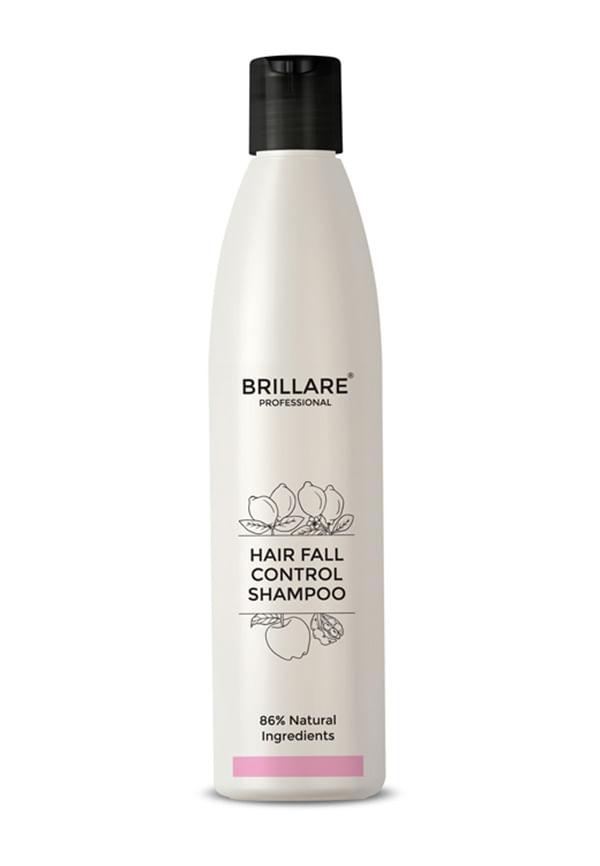
Shampoo To Reduce Seasonal Hair Fall
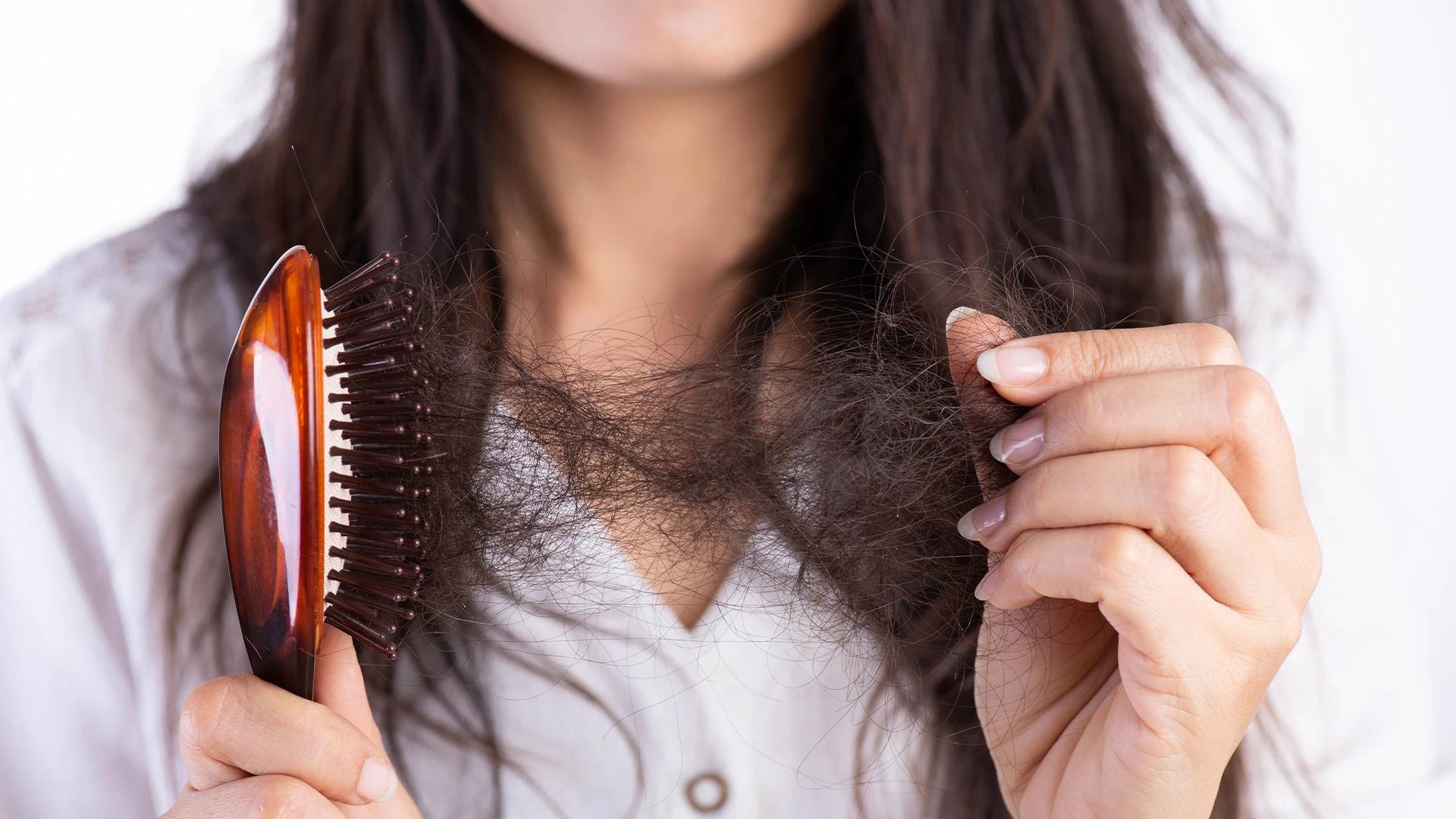
That moment when you run your fingers through your hair and find way more strands than usual on your pillow, in the shower drain, or scattered across your shoulders. If this sounds familiar during the rainy season, you're definitely not alone. Monsoon hair fall in women is one of those seasonal struggles that catches many of us off guard. The combination of humidity, pollution, and lifestyle changes during the monsoons can turn your hair routine upside down. But here's the thing—understanding why it happens is the first step to getting your hair back on track.
Let's be real—about 60% of women notice increased hair fall during monsoon season, so if you're dealing with this, you're in good company. The science behind it is actually pretty straightforward. Your hair follows a natural growth cycle that includes growing, resting, and shedding phases. During monsoons, several factors can push more hair follicles into the shedding phase simultaneously.
The high humidity levels during rainy season affect your scalp's oil production, often leading to clogged follicles. Plus, the constant temperature and moisture fluctuations can stress your hair roots. Your body also tends to retain more moisture during this time, which can affect nutrient absorption and circulation to your scalp.
Most monsoon-related hair fall is temporary and should resolve within 2-3 months after the season ends. However, if you're losing more than 100-150 strands daily or notice bald patches, it's worth checking with a dermatologist. The key is distinguishing between normal seasonal shedding and something that might need professional attention.
Understanding what's actually causing your hair to fall can help you tackle the problem more effectively. Monsoon hair fall isn't just about one factor—it's usually a combination of environmental, health, and lifestyle elements working together.
The monsoon environment is basically a perfect storm for hair problems. High humidity makes your scalp produce more oil, which can clog hair follicles and create an environment where bacteria and fungi thrive. Rainwater, especially in urban areas, often contains pollutants and chemicals that can damage your hair shaft and irritate your scalp.
Temperature fluctuations between air-conditioned spaces and humid outdoors also stress your hair follicles. Your hair expands and contracts with moisture changes, making it more prone to breakage.
Monsoon season is prime time for scalp infections. The warm, moist environment encourages fungal growth, leading to dandruff and seborrheic dermatitis. These conditions cause inflammation around hair follicles, weakening the hair roots and leading to increased shedding.
Many women also experience itchy, flaky scalps during monsoons, which can lead to scratching and further hair damage. Poor scalp circulation due to clogged follicles also means your hair isn't getting the nutrients it needs to stay strong.
Let's talk about those everyday habits that might be making things worse. Keeping hair wet for extended periods, using harsh towels to dry hair aggressively, or tying up damp hair can all contribute to hair breakage. Many women also tend to wash their hair more frequently during monsoons to combat oiliness, which can strip natural oils and weaken hair.
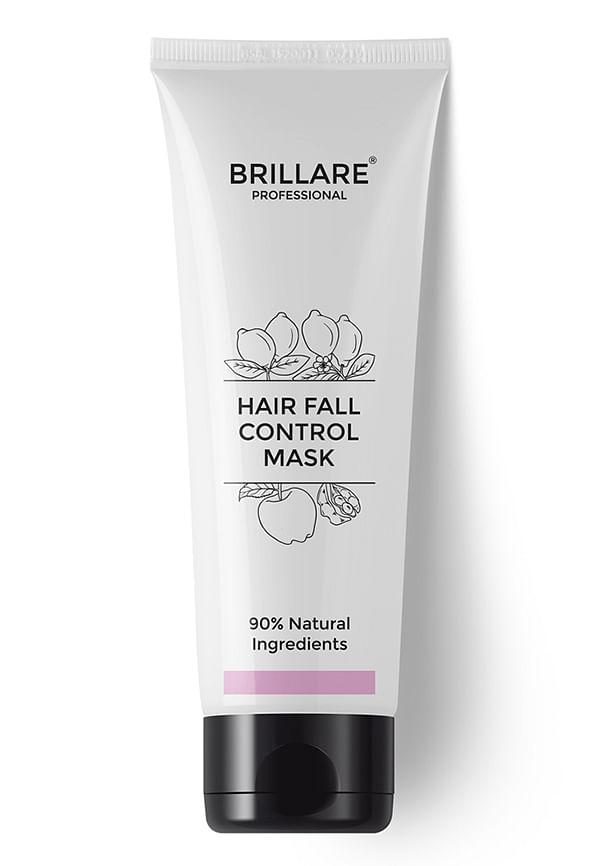
Conditioner To Reduce Seasonal Hair Fall
Nutritional deficiencies become more apparent during seasonal changes too. Reduced sunlight exposure can affect vitamin D levels, while changes in diet and lifestyle can impact other essential nutrients your hair needs.
When home remedies aren't cutting it, professional hair fall treatment options can provide more targeted solutions. Dermatologists often recommend treatments based on the specific cause of your hair fall, whether it's hormonal, nutritional, or environmental.
Topical treatments containing minoxidil can help stimulate hair regrowth, while medicated shampoos with ketoconazole or selenium sulfide can address fungal infections causing scalp issues. For severe cases, dermatologists might suggest PRP (Platelet-Rich Plasma) therapy or mesotherapy to improve scalp health and hair growth.
Professional scalp care treatments like deep cleansing, exfoliation, and therapeutic massages can also help remove buildup and improve circulation. These treatments are particularly effective when combined with proper at-home care routines.
The timeline for seeing results varies, but most people notice improvements within 6-8 weeks of consistent treatment. Hair regrowth typically takes 3-6 months, so patience is key when dealing with hair loss prevention strategies.
Sometimes the most effective solutions are the simplest ones. Natural hair care approaches can be incredibly effective for managing monsoon hair fall, especially when you're consistent with your routine.
Your monsoon hair care routine should focus on keeping your scalp clean and dry while maintaining moisture balance. Wash your hair 2-3 times a week with a gentle, sulfate-free shampoo. Over-washing can strip natural oils, while under-washing can lead to buildup and infections.
When drying your hair, gently squeeze out excess water with a microfiber towel or cotton t-shirt. Avoid aggressive rubbing, which can cause hair breakage. If possible, let your hair air dry partially before using a blow dryer on low heat.
Protective styling becomes crucial during monsoons. Loose braids, buns, or ponytails can keep hair off your neck and reduce humidity exposure. Just make sure not to tie hair too tightly, especially when it's damp.
Hot oil treatments are your best friend during monsoon season. Coconut oil has antimicrobial properties that can help prevent scalp infections, while olive oil provides deep conditioning. Almond oil is rich in vitamin E and can strengthen hair shafts.
DIY hair masks using ingredients like yogurt, egg, and honey can provide protein and moisture to weakened hair. A weekly mask with fenugreek seeds soaked overnight can help reduce hair fall and add shine.
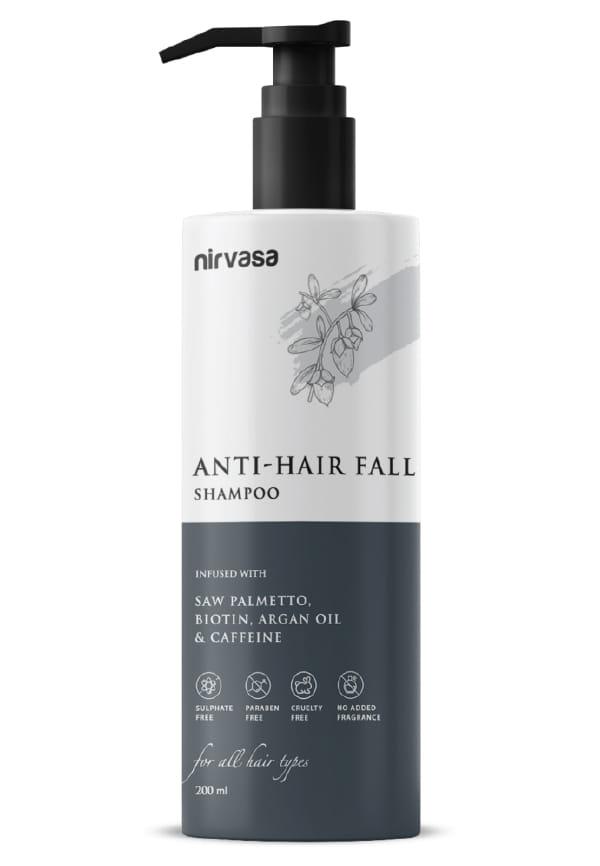
Anti-Hair Fall Shampoo for Men and Women
Regular scalp massages with your fingertips (not nails) can improve blood circulation and help distribute natural oils. Spend 5-10 minutes massaging your scalp before washing your hair.
Choosing the right products during monsoon season can make a huge difference in managing hair fall. Look for shampoos with ingredients like tea tree oil, neem, or salicylic acid that can help control fungal growth and remove excess oil without being too harsh.
Ingredients like biotin, keratin, and amino acids can help strengthen hair shafts and reduce breakage. Zinc pyrithione is excellent for controlling dandruff, while caffeine-infused products can stimulate scalp circulation.
Avoid products with heavy silicones or sulfates during monsoons, as these can build up on your scalp and clog follicles. Instead, opt for lightweight, water-based serums and leave-in treatments that won't weigh your hair down.
When it comes to budget versus premium options, focus on ingredient quality rather than price tags. Many affordable brands offer effective formulations for monsoon hair care, while some expensive products might contain unnecessary additives.
Preventing hair fall during monsoons isn't just about what you put on your hair—it's about supporting your overall health and creating sustainable habits that work year-round.
Your hair is essentially a reflection of your internal health. During monsoons, focus on foods rich in iron, zinc, and B vitamins. Leafy greens, nuts, seeds, and lean proteins should be staples in your diet. Vitamin D supplementation might be necessary during the rainy season when sun exposure is limited.
Staying hydrated is crucial too. Many people drink less water during monsoons, but your hair needs adequate hydration to stay strong and flexible. Aim for at least 8 glasses of water daily, and include hydrating foods like cucumber and watermelon in your diet.
Stress management becomes even more important during seasonal transitions. The monsoon blues are real, and stress can definitely contribute to hair thinning. Regular exercise, even if it's just indoor yoga or dancing, can improve circulation and reduce stress hormones.
Quality sleep is non-negotiable for healthy hair growth. During monsoons, maintain a consistent sleep schedule and create a comfortable sleeping environment that's not too humid or too dry.
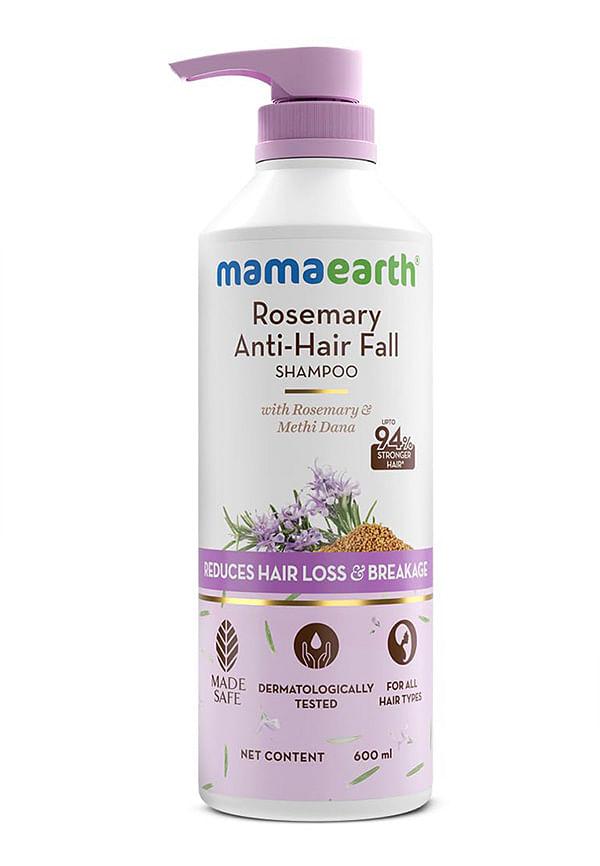
Rosemary Anti-Hair Fall Shampoo with Rosemary & Methi Dana for Reducing Hair Loss & Breakage
Yes, most monsoon-related hair fall is temporary and will regrow naturally once the season ends and your scalp adjusts. However, this process can take 3-6 months, so don't panic if you don't see immediate results. Maintaining a good hair care routine during this time can help speed up the regrowth process.
Most people start noticing reduced hair fall within 4-6 weeks of consistent treatment, whether it's using medicated shampoos, following a proper routine, or taking supplements. New hair growth typically becomes visible after 8-12 weeks, but full results can take up to 6 months.
Monsoon and post-monsoon periods (July to October) typically see the highest hair fall rates in India. The combination of humidity, pollution, and seasonal dietary changes creates perfect conditions for increased shedding. Winter months can also be challenging due to dry air and reduced oil production.
Absolutely. Vitamin B12 deficiency can significantly worsen hair fall during any season, including monsoons. B12 is essential for healthy hair follicles and red blood cell formation. If you're experiencing severe hair fall, getting your B12 levels checked is a smart move.
Hair fall occurs when entire strands come out from the root, usually due to follicle issues or hormonal changes. Hair breakage happens when strands snap along the shaft due to damage, dryness, or rough handling. During monsoons, you might experience both, but they require different treatment approaches.
Not necessarily. While some professional treatments can be highly effective, many affordable options work just as well for monsoon hair fall. The key is consistency and choosing products with proven ingredients rather than focusing on price. Sometimes, simple home remedies combined with a good routine can be more effective than expensive salon treatments.
Monsoon hair fall in women is incredibly common and usually temporary, but that doesn't mean you have to suffer through it. Understanding the causes—from environmental factors to scalp health issues—helps you choose the right solutions for your specific situation.
The most effective approach combines good daily habits, targeted treatments, and patience. Whether you opt for natural remedies, professional treatments, or a combination of both, consistency is what makes the difference. Remember that hair regrowth takes time, so don't get discouraged if you don't see immediate results.
If you're looking to experiment with different hair care products to find what works best for your monsoon routine, Smytten offers trial-size versions of many haircare products from trusted brands. This way, you can test different formulations and ingredients without committing to full-size bottles—particularly helpful when you're trying to figure out what your hair needs during the challenging monsoon season.
