Monsoon Hair Fall FAQ: Understanding Causes and Solutions
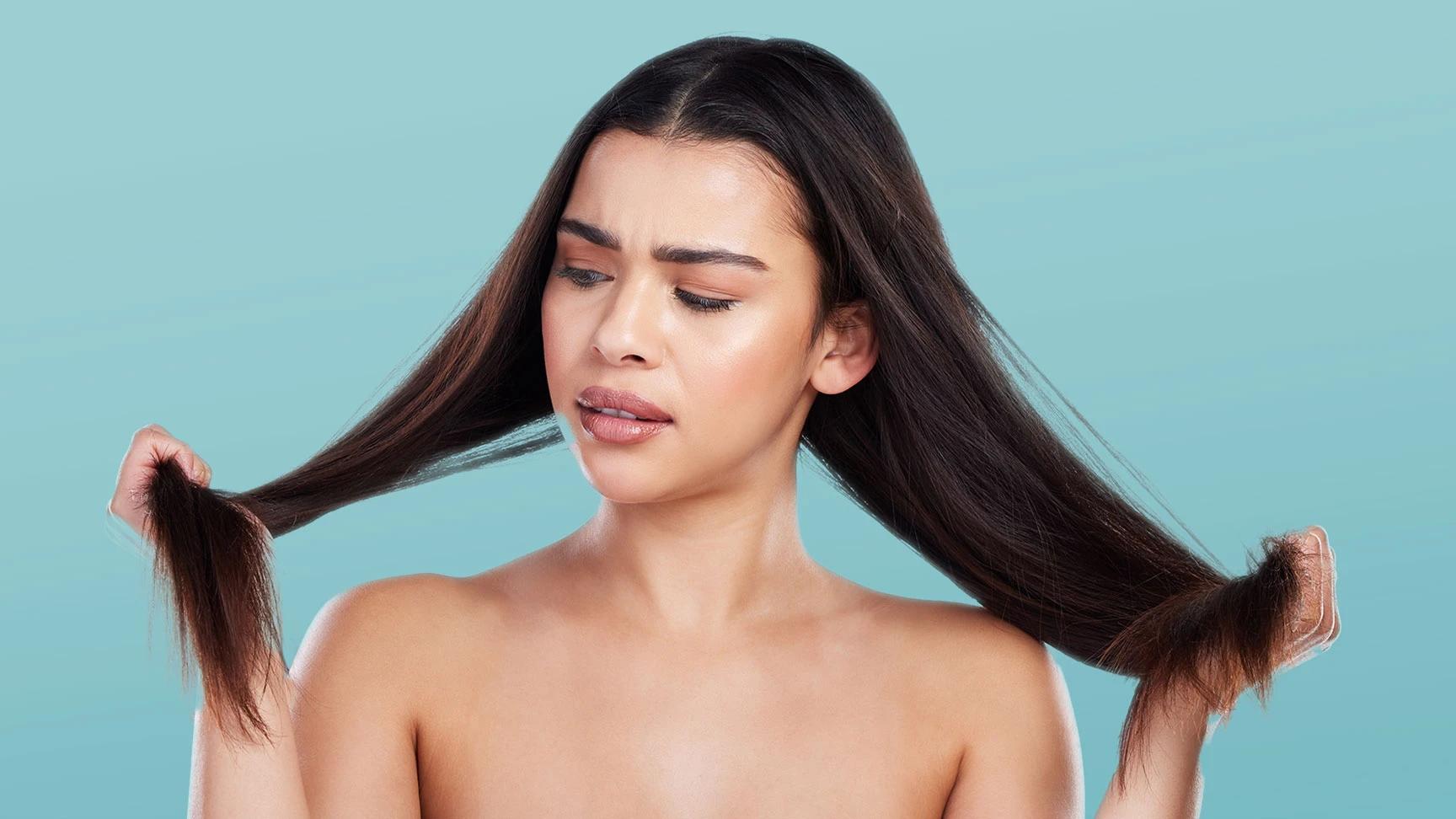

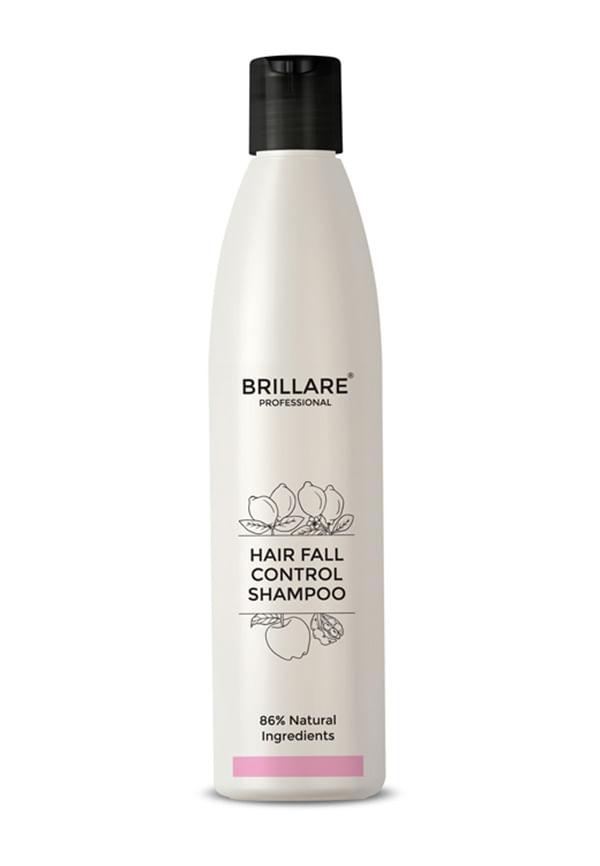
Shampoo To Reduce Seasonal Hair Fall
That moment when you step out of the shower, run your fingers through your hair, and watch clumps fall into the drain. Sound familiar? If you've noticed your hair thinning during the rainy season, you're not alone. Monsoon hair fall is one of those seasonal struggles that catches most of us off guard. The humidity, the constant dampness, the unpredictable weather—it all seems to conspire against our hair. But here's the thing: understanding why monsoon causes hair fall is the first step to fighting back. Let's dive into what's really happening to your hair during those rainy months and, more importantly, what you can do about it.
Real talk—monsoon hair fall isn't just in your head. There's actual science behind why your hair decides to abandon ship during the rainy season. The combination of high humidity, temperature fluctuations, and environmental changes creates the perfect storm for hair loss. Let's break down what's actually happening up there.
Here's where things get interesting. When humidity levels spike during monsoon, your hair absorbs excess moisture from the air through a process called hydrogen bonding. This causes the hair shaft to swell, making it more fragile and prone to breakage. Think of it like a sponge that keeps expanding until it can't hold its shape anymore. Studies show that hair fall can increase by up to 30% during monsoon season compared to drier months. The constant swelling and contracting weakens the hair cuticle, leading to that dreaded hair fall we all experience.
Your scalp during monsoon becomes a breeding ground for bacteria and fungi—not exactly the vibe we're going for. The combination of increased sebum production, sweat, and trapped moisture creates an environment where harmful microorganisms thrive. This leads to clogged hair follicles, scalp infections, and ultimately, weakened hair roots. When your follicles are under attack, they can't hold onto your hair strands as effectively, resulting in increased shedding.
Monsoon doesn't just bring clean rainwater—it often carries pollutants, dust, and chemicals that can damage your hair cuticles. Acid rain, particularly common in urban areas, strips away your hair's natural protective oils. These environmental aggressors weaken the hair shaft and make it more susceptible to breakage and fall.
Before you panic about going bald, let's get one thing straight: seasonal hair fall is completely normal. Your hair follows natural growth cycles, and environmental changes can trigger temporary shedding phases. The key is knowing when to worry and when to just ride it out.
Telogen effluvium is the fancy term for temporary hair loss caused by stress—and yes, environmental stress counts. During monsoon, your hair follicles can enter the resting phase prematurely, leading to increased shedding. The good news? This type of hair fall is usually reversible. Most people see their hair return to normal thickness within 3-6 months after the triggering factor (in this case, monsoon) ends. Normal daily hair fall ranges from 50-100 strands, but during monsoon, you might notice 150+ strands coming out daily.
India's diverse climate zones mean monsoon affects different regions differently. Coastal areas with higher humidity levels often see more severe hair fall compared to inland regions. The combination of high humidity, pollution, and temperature variations makes Indian monsoons particularly challenging for hair health. Unlike winter hair fall (which is usually due to dryness) or summer hair fall (caused by heat damage), monsoon hair fall is primarily humidity-driven.
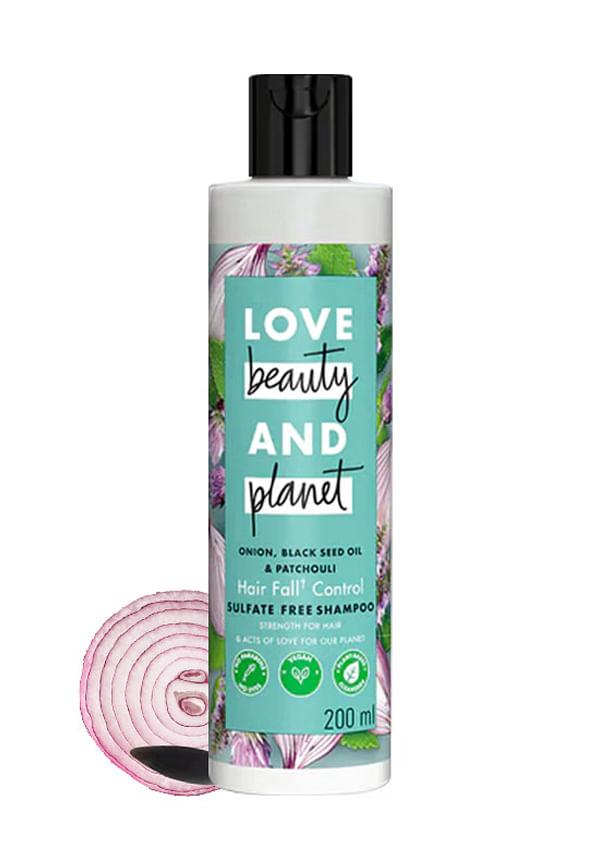
Onion, BlackSeed & Patchouli Hairfall Control Sulfate Free Shampoo
Hair fall isn't the only party crasher during monsoon season. The rainy weather brings along a whole crew of hair problems that can make your life miserable. Let's talk about the usual suspects and what they're doing to your hair.
Dandruff monsoon flare-ups are incredibly common because the humid conditions create an ideal environment for Malassezia, the fungus responsible for dandruff. You'll notice more flaking, itching, and sometimes even a musty smell from your scalp. Fungal infections can also develop, leading to red, inflamed patches and intense itching. If you're experiencing severe scalp irritation or unusual odours, it might be time to see a dermatologist.
Frizzy hair monsoon struggles are real. The excess moisture in the air causes your hair cuticles to lift, creating that unmanageable, frizzy texture. Hair breakage monsoon patterns typically show up as shorter, broken strands around your hairline and crown. Meanwhile, oily scalp monsoon issues occur because your sebaceous glands go into overdrive, trying to compensate for the humid conditions.
Now for the good stuff—actual solutions that work. These aren't just random tips from your aunt's friend; these are tried-and-tested methods that can genuinely help reduce monsoon hair fall and keep your scalp healthy.
Got caught in the rain? Here's your emergency protocol: rinse your hair with clean water as soon as possible to remove pollutants and excess moisture. Use a mild, sulphate-free shampoo to cleanse without stripping natural oils. Pat your hair dry with a microfibre towel—never rub vigorously. Use a wide-tooth wooden comb to detangle, starting from the ends and working your way up. This prevents unnecessary breakage when your hair is at its most vulnerable state.
Your haircare tips monsoon routine should focus on maintaining scalp health and preventing fungal growth. Wash your hair every alternate day with an anti-fungal shampoo. Apply a lightweight, water-based leave-in conditioner to keep your hair moisturised without weighing it down. Avoid heavy oils during this season as they can trap moisture and create breeding grounds for bacteria. Instead, opt for lighter oils like jojoba or argan oil applied sparingly to the ends.
Gentle scalp massage with your fingertips (not nails) for 2-3 minutes daily can improve blood circulation and strengthen hair roots. Use natural anti-fungal treatments like diluted tea tree oil or neem oil once a week. Keep your scalp as dry as possible—use a blow dryer on cool setting if needed, but maintain distance to avoid heat damage.

Biotin Shampoo | Softens Hair | Nourishes Scalp | Lowers Hairfall
Sometimes, basic care isn't enough, and that's okay. If you're dealing with severe hair fall that doesn't improve with regular care, it might be time to level up your approach with more targeted solutions.
Dermatologists might recommend medicated shampoos containing ketoconazole or selenium sulphide for fungal infections. Scalp treatments like PRP (Platelet-Rich Plasma) therapy can help strengthen hair follicles. Topical minoxidil solutions might be suggested for severe cases, but these should only be used under medical supervision. The key is knowing when home remedies aren't cutting it—if you're losing more than 200 strands daily for over two weeks, it's time to see a professional.
Your hair needs proper nutrition to withstand monsoon stress. Focus on biotin, iron, zinc, and vitamins D and B12. Include protein-rich foods like eggs, fish, and legumes in your diet. Stay hydrated, but don't overdo it—excess water can sometimes dilute essential nutrients. Consider supplements if your diet isn't covering all bases, but consult a healthcare provider first.
The best defence against monsoon hair fall is a good offence. Preparing your hair before the rainy season hits can make a significant difference in how well your hair weathers the storm.
Start strengthening your hair 2-3 weeks before monsoon season with protein treatments and deep conditioning masks. Trim split ends to prevent further damage. Consider protective hairstyles that keep your hair away from your face and reduce manipulation. Stock up on essential products like anti-fungal shampoos, lightweight conditioners, and microfibre towels.
Use a dehumidifier in your bedroom if possible to control indoor humidity levels. Invest in a good umbrella and waterproof hair accessories. At work or while travelling, keep your hair tied up to minimise exposure to humid air. Silk or satin scrunchies are gentler on wet hair than regular elastic bands.
Monsoon creates the perfect storm for hair fall through multiple factors: high humidity causes hair shaft swelling and weakening, increased bacterial and fungal growth on the scalp leads to infections, and polluted rainwater damages hair cuticles. The combination of these factors makes monsoon particularly challenging for hair health compared to other seasons where typically only one or two factors are at play.
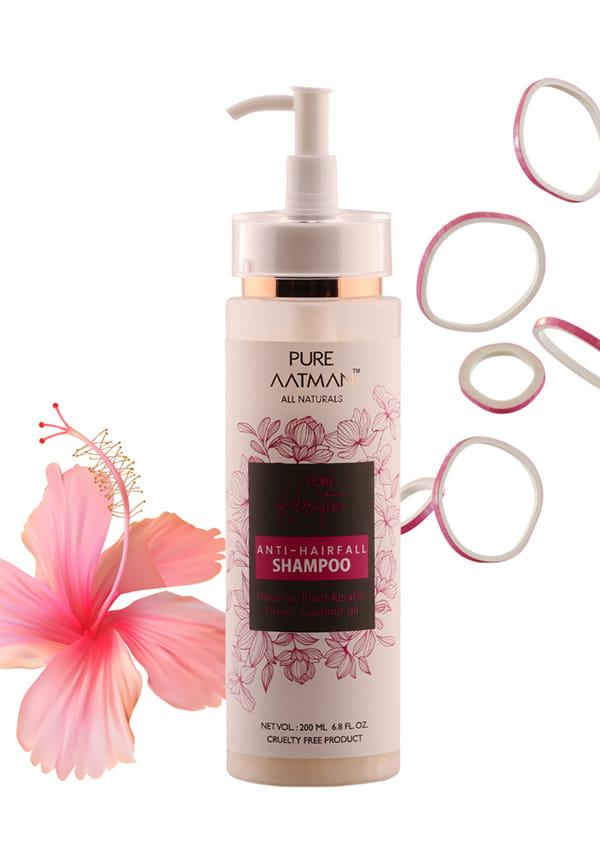
Shampoo for women men ladies Keratin Anti Hairfall
While normal daily hair fall ranges from 50-100 strands, during monsoon you might notice 150-200 strands falling daily. This increase is usually temporary and should return to normal levels within a few weeks of the season ending. If you're consistently losing more than 200 strands daily or notice bald patches, it's time to consult a dermatologist.
Yes, most monsoon-related hair fall is temporary and regrows naturally once the triggering factors are removed. You should start seeing new growth within 2-3 months after monsoon ends, with full recovery typically taking 6-8 months. However, this assumes the hair follicles weren't permanently damaged by severe infections or neglect.
Heavy oiling during monsoon can actually worsen hair fall by trapping moisture and creating breeding grounds for fungi. Instead, use lightweight oils like jojoba or argan oil sparingly on hair ends only. If you must oil your scalp, use anti-fungal oils like neem or tea tree oil in diluted form, and wash thoroughly within 2-3 hours.
Dandruff itself doesn't cause permanent hair loss, but severe, untreated dandruff can lead to scalp inflammation and secondary bacterial infections that might damage hair follicles. The constant scratching associated with dandruff can also cause mechanical hair breakage. Treating dandruff promptly prevents these complications.
Washing every alternate day is ideal during monsoon to remove excess oil, sweat, and environmental pollutants without over-stripping your scalp. If you have very oily hair or live in a highly polluted area, daily washing with a mild shampoo is acceptable. Those with dry or chemically treated hair can stretch to every third day but should use dry shampoo in between if needed.
Not necessarily. Effective monsoon hair care focuses more on consistency and proper techniques than expensive products. A good anti-fungal shampoo, lightweight conditioner, and microfibre towel can be found at reasonable prices. However, if you have specific concerns like severe dandruff or chemically damaged hair, investing in targeted treatments might be worthwhile.
Absolutely. A diet rich in protein, iron, zinc, and B vitamins can strengthen hair from within, making it more resilient to environmental stressors. Include foods like eggs, fish, spinach, nuts, and seeds. Staying properly hydrated also helps maintain scalp health. However, dietary changes take 2-3 months to show visible effects on hair health.
Monsoon hair fall might feel overwhelming, but it's largely manageable with the right approach. The key is understanding that this is usually a temporary phase caused by environmental factors, not a permanent condition. Focus on keeping your scalp clean and dry, protecting your hair from polluted rainwater, and maintaining a consistent care routine. Remember, patience is crucial—hair growth cycles mean you won't see immediate results, but consistency pays off in the long run.
If you're looking to experiment with different hair care solutions without committing to full-size products, Smytten offers trial-size versions of many effective monsoon hair care products. It's a smart way to find what works for your specific hair type and concerns before investing in larger quantities—especially helpful when you're dealing with seasonal changes that might require adjusting your routine.
