Monsoon Hair Fall Causes FAQ: Your Questions Answered

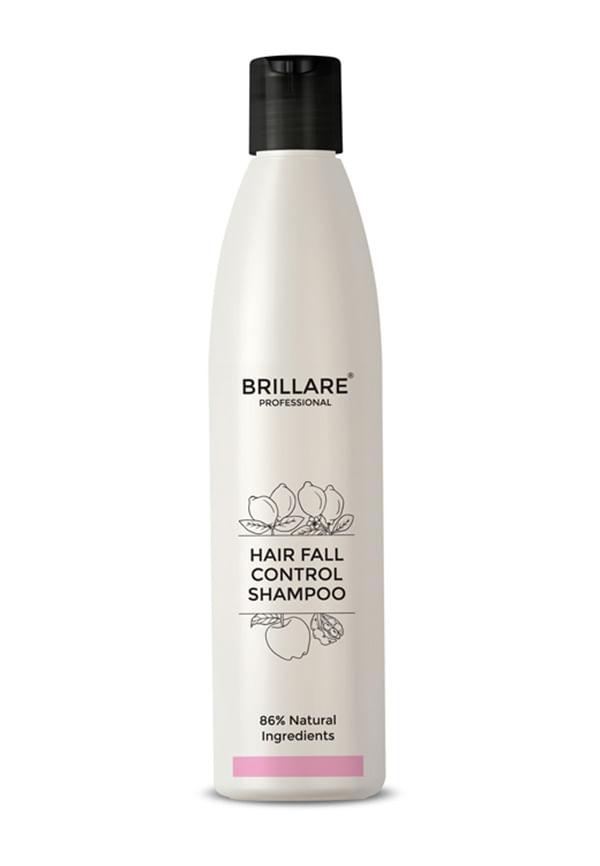
Shampoo To Reduce Seasonal Hair Fall
Helps in Hairfall Control
 5
5“it actually helps in controlling hairfall”
Brillare products are very good
4“brillare all products are very good.i like it”
Nice Product, Must Try
5“nice product everyone must try once”
You know that sinking feeling when you run your fingers through your hair and find way more strands than usual? If you're dealing with this during monsoon season, you're definitely not alone. The rainy months bring their own set of hair challenges that can leave even the healthiest manes looking a bit worse for wear. Let's dive into the real reasons behind understanding monsoon hair fall causes and get you some proper answers.
Real talk — monsoon hair fall isn't just in your head. There's actual science behind why your hair decides to stage a mass exodus during the rainy season. The combination of high humidity, environmental changes, and lifestyle shifts creates the perfect storm for increased hair loss.
When humidity levels spike, your hair absorbs moisture from the air like a sponge. This causes the hair cuticles to swell and lift, making each strand more vulnerable to breakage. Think of it like this: your hair becomes more porous, which means it's easier to damage when you're brushing, styling, or even just moving around. The constant expansion and contraction from humidity changes weakens the hair shaft over time, leading to more breakage and that dreaded hair fall you're noticing.
Monsoon season brings more than just rain — it brings pollution, acid rain, and temperature fluctuations that your hair really doesn't appreciate. Acid rainwater can disrupt your scalp's natural pH balance, whilst pollution particles get trapped in your wet hair, creating a buildup that clogs follicles. These environmental stressors put your hair in survival mode, which often means shedding more than usual.
Your scalp goes through some major changes during humid weather. Oil production ramps up significantly, creating an environment where bacteria and fungi can thrive. This increased oiliness, combined with the moisture in the air, can lead to clogged follicles and inflammation — both major contributors to hair fall. It's like your scalp is working overtime but not necessarily in your favour.
Let's clear up some confusion around seasonal hair loss. Understanding monsoon hair fall causes means knowing what's actually happening versus what people think is happening. There's quite a bit of misinformation floating around, so let's set the record straight.
The real culprits behind monsoon hair fall are often internal. Nutritional deficiencies become more pronounced during this season — iron, zinc, vitamin D, and biotin levels can drop due to dietary changes and reduced sun exposure. Your body also experiences hormonal fluctuations as it adapts to seasonal changes, which can trigger hair fall. Poor blood circulation to the scalp, often worsened by the sedentary lifestyle that rainy weather encourages, also plays a significant role.
Contrary to popular belief, rainwater itself isn't the villain here. Whilst acid rain can be problematic, regular rainwater won't cause permanent hair loss. The weather doesn't directly cause your hair to fall out — it's more about how your body and scalp respond to environmental changes. Also, some seasonal shedding is completely normal and doesn't indicate permanent hair loss.
Your lifestyle during monsoon season matters more than you might think. Reduced physical activity, changes in diet, increased stress levels, and even seasonal depression can all contribute to hair fall. These internal factors often have a bigger impact than external ones like humidity or pollution.
Humidity doesn't just make your hair frizzy — it creates a whole ecosystem of problems that can lead to significant hair fall. Understanding how moisture affects your scalp is key to tackling monsoon haircare effectively.
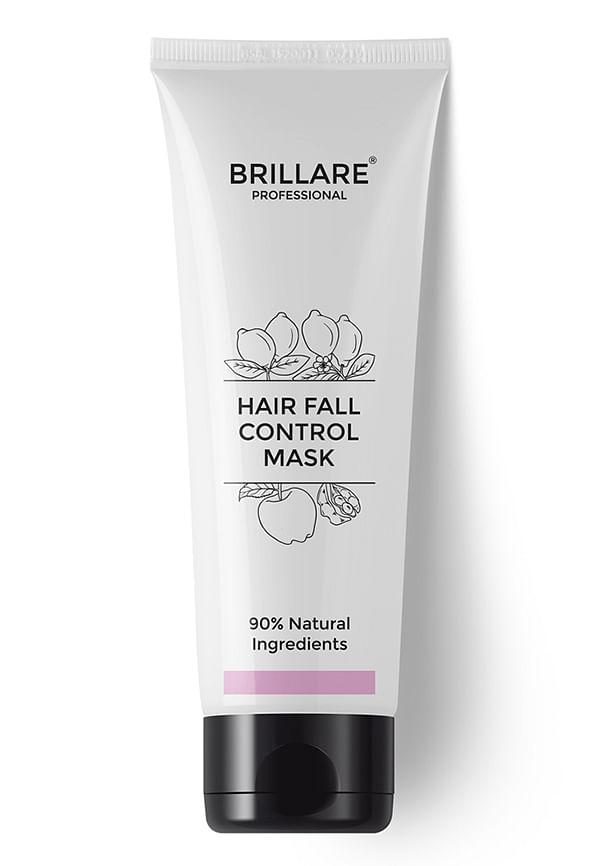
Conditioner To Reduce Seasonal Hair Fall
Good Hair Mask
5“over all good hair mask , must buy”
Great smell and conditioning
5“smells soo good and good conditioner”
Nourishing and repairs split ends
5“it's get nourishing and remove split end”
High humidity triggers your sebaceous glands to work overtime, producing excess oil to protect your scalp from moisture. However, this backfires when the oil mixes with humidity, creating a greasy environment where products don't work properly and buildup accelerates. This excess oil can clog hair follicles, preventing healthy hair growth and leading to increased hair fall.
The warm, moist environment of monsoon season is basically a five-star resort for Malassezia, the fungus responsible for dandruff. This fungus thrives in humid conditions, leading to seborrheic dermatitis and scalp irritation. When your scalp's pH balance gets disrupted, it becomes even more susceptible to these fungal infections, which can cause inflammation and hair loss.
Humidity causes your hair cuticles to swell, making them more prone to damage. The protein structure of your hair changes when it absorbs moisture, becoming weaker and more elastic. This means that everyday activities like brushing wet hair or tying it up can cause more breakage than usual. The mechanical stress from handling swollen, weakened hair strands leads to increased hair fall.
Not all hair fall during monsoon is cause for panic. Your hair naturally goes through growth cycles, and some seasonal shedding is completely normal. The trick is knowing when to be concerned and when to just ride it out.
Telogen effluvium — a fancy term for temporary hair loss — often occurs during seasonal transitions. Your hair follicles can enter a resting phase due to environmental stress, leading to increased shedding about 2-3 months later. Normal daily hair loss ranges from 50-100 strands, but during monsoon, this might increase temporarily without indicating permanent hair loss.
If you're losing significantly more than 100 strands daily for more than 6-8 weeks, or if you notice bald patches, thinning areas, or changes in hair texture, it's time to consult a professional. Hair fall that continues well after monsoon season ends, or that's accompanied by scalp irritation, pain, or unusual symptoms, warrants medical attention.
Sometimes monsoon just highlights existing issues. Genetic predisposition to hair loss, underlying health conditions like thyroid disorders or PCOS, and certain medications can all contribute to hair thinning. These factors might become more noticeable during stressful seasons like monsoon, but they're not caused by the weather itself.
Prevention is always better than cure, especially when it comes to monsoon haircare. Building a solid routine that addresses the unique challenges of humid weather can significantly reduce hair fall and keep your scalp healthy.
During monsoon, you might need to wash your hair more frequently — every other day or even daily if you have an oily scalp. Use a gentle, clarifying shampoo that removes buildup without stripping natural oils. When drying, avoid aggressive towel rubbing; instead, gently squeeze out excess water and let your hair air dry when possible. If you must use heat, keep it on the lowest setting and always use a heat protectant.
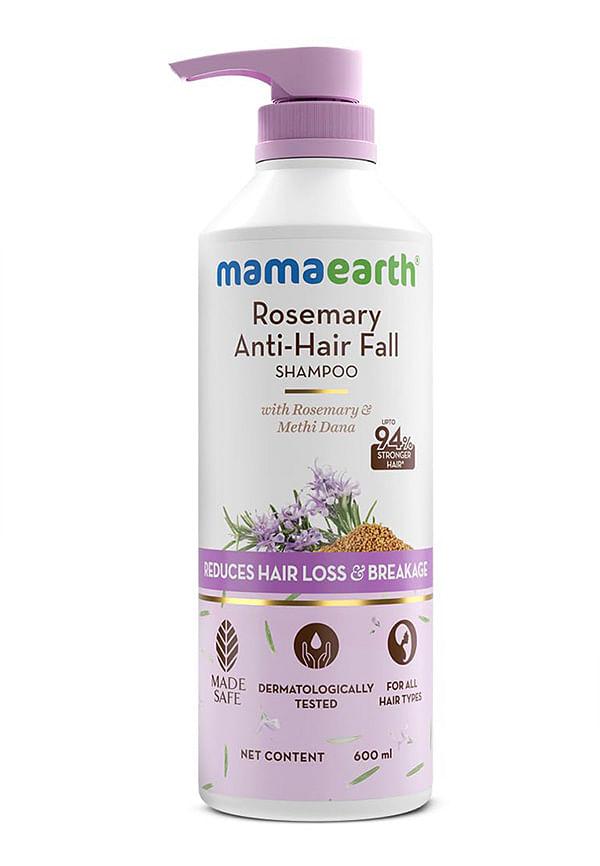
Rosemary Anti-Hair Fall Shampoo with Rosemary & Methi Dana for Reducing Hair Loss & Breakage
Your scalp needs extra attention during monsoon season. Weekly scalp detoxification with ingredients like tea tree oil or salicylic acid can help prevent fungal buildup. Balance protein and moisture treatments — use protein masks if your hair feels mushy or overly soft, and deep conditioning treatments if it feels dry or brittle. Natural ingredients like neem, fenugreek, and aloe vera can provide antifungal and soothing benefits.
Look for humidity-resistant formulations that contain anti-frizz ingredients like silicones or natural oils. Prioritise products with antifungal ingredients such as ketoconazole, tea tree oil, or zinc pyrithione. Avoid heavy, oil-based products that can weigh your hair down and contribute to buildup. Lightweight, water-based formulas work better in humid conditions.
What you eat during monsoon season can make or break your hair health. Certain nutrients become even more crucial when your hair is under environmental stress, and getting the right balance can help prevent excessive hair fall.
Iron deficiency is one of the most common causes of hair loss, and it can worsen during monsoon due to dietary changes and reduced absorption. B12 deficiency affects hair follicle health and can lead to premature hair loss, whilst vitamin D — already challenging to get during cloudy monsoon days — is crucial for hair follicle cycling. These three nutrients work together to support healthy hair growth and prevent excessive shedding.
Focus on protein-rich foods like eggs, fish, and legumes to provide the building blocks for strong hair. Omega-3 fatty acids from sources like walnuts and flaxseeds help maintain scalp health and reduce inflammation. Antioxidants from colourful fruits and vegetables protect your hair from environmental damage that's more prevalent during monsoon season.
Biotin and collagen supplements can support hair structure, but they work best when combined with a balanced diet. Take supplements with food for better absorption, and be consistent — hair growth supplements typically take 3-6 months to show results. During monsoon, you might need higher doses of vitamin D due to reduced sun exposure, but always consult a healthcare provider before making significant changes.
Sometimes you need to bring in the big guns. Professional treatments and expert-recommended approaches can provide faster, more effective results when dealing with severe monsoon hair fall.
Dermatologists often recommend scalp treatments like medicated shampoos containing ketoconazole or selenium sulfide for fungal prevention. Professional scalp analysis can identify specific issues like follicle miniaturisation or inflammation that require targeted treatment. For severe cases, treatments like PRP (platelet-rich plasma) or low-level laser therapy might be recommended.
Science-backed natural treatments include rosemary oil scalp massages, which studies show can be as effective as minoxidil for hair growth. DIY scalp masks with ingredients like bentonite clay can help absorb excess oil and remove buildup. Essential oils like peppermint and tea tree have proven antifungal and circulation-boosting properties when used correctly.
Building resilience against seasonal changes means maintaining consistent haircare year-round, not just during monsoon. Regular scalp massages improve circulation, whilst stress management techniques like yoga or meditation can prevent stress-related hair loss. Keep a hair diary to track patterns and identify triggers specific to your hair type and lifestyle.
Monsoon season can contribute to increased hair fall through environmental factors like high humidity, pollution, and lifestyle changes. However, it doesn't directly cause permanent hair loss. The combination of swollen hair cuticles from humidity, increased scalp oiliness, and potential fungal infections can lead to temporary hair shedding that typically resolves once you address the underlying causes.
The big three nutrients for hair regrowth are iron, vitamin D, and B12. Iron supports oxygen transport to hair follicles, vitamin D regulates hair follicle cycling, and B12 is essential for cell division and hair growth. During monsoon, these nutrients become even more crucial as your body deals with environmental stress and potential dietary changes.
Gen Z faces unique challenges during monsoon including increased stress levels, irregular eating patterns, excessive screen time affecting sleep cycles, and frequent use of heat styling tools. Combined with environmental factors like pollution and humidity, these lifestyle factors can accelerate hair fall. Poor nutritional habits and high stress levels particularly impact this age group's hair health.
Yes, B12 deficiency can worsen hair loss during humid weather. B12 is crucial for healthy cell division in hair follicles, and when you're deficient, your hair becomes more vulnerable to environmental stressors like humidity and pollution. The combination of nutritional deficiency and environmental stress can accelerate hair fall significantly.
Weather changes don't directly cause hair fall, but they can trigger it through various mechanisms. Seasonal transitions can cause telogen effluvium, where hair follicles enter a resting phase due to stress. Changes in humidity, temperature, and lifestyle during different seasons can affect scalp health and hair strength, leading to increased shedding.
Monsoon-related hair fall typically lasts 2-4 months, including the monsoon season itself and a recovery period afterwards. Hair that enters the resting phase due to environmental stress usually sheds 2-3 months later, so you might notice increased hair fall even after monsoon ends. With proper care, normal hair growth patterns should resume within 4-6 months.
Yes, monsoon hair loss is generally reversible since it's usually temporary and related to environmental factors rather than permanent follicle damage. By addressing the underlying causes like nutritional deficiencies, scalp health issues, and environmental stressors, most people see their hair return to normal growth patterns. However, if hair loss persists beyond 6 months or is accompanied by other symptoms, professional evaluation is recommended.
Understanding monsoon hair fall causes is the first step towards healthier hair during the rainy season. Remember, some seasonal shedding is completely normal, but persistent or severe hair loss deserves attention. Focus on maintaining scalp health, addressing nutritional gaps, and adapting your haircare routine to humid conditions.
The key is consistency and patience — hair growth takes time, and results from dietary changes or new routines won't show up overnight. If you're dealing with significant hair fall that doesn't improve with basic care changes, don't hesitate to consult a dermatologist or trichologist for personalised advice.
When you're ready to experiment with new haircare products suited for monsoon challenges, Smytten's curated selection includes trial sizes from trusted brands specialising in scalp health and hair strengthening treatments. It's a practical way to test different formulations and find what works best for your specific hair concerns without committing to full-size products right away.
