Monsoon Hair Care Tips FAQ: Solving Rainy Season Problems

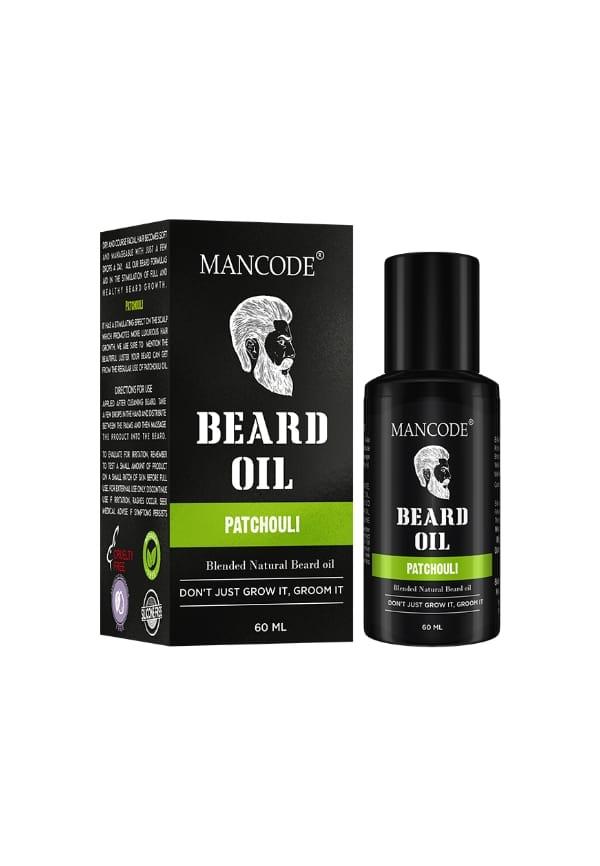
Beard Oil - Patchouli
Very Nice Product, Recommend
 5
5“very nice product. Will definitely recommend”
Highly Satisfied
5“very much satisfied with the product.... absolutely loved it.... will definitely be buying again and refer to friends and family 😄😄....”
The monsoon season brings relief from scorching heat, but it also unleashes a whole new set of hair challenges that can leave you feeling frustrated. From sudden frizz attacks to stubborn dandruff and increased hair fall, the rainy season seems determined to test your hair's resilience. If you've ever wondered why your usually manageable hair turns into an unruly mess the moment humidity levels spike, you're not alone. Understanding the science behind monsoon hair problems and having the right hair care tips for monsoon season can make all the difference between surviving and thriving during these humid months. At Smytten, we've curated insights from haircare experts and real user experiences to help you navigate this tricky season with confidence.
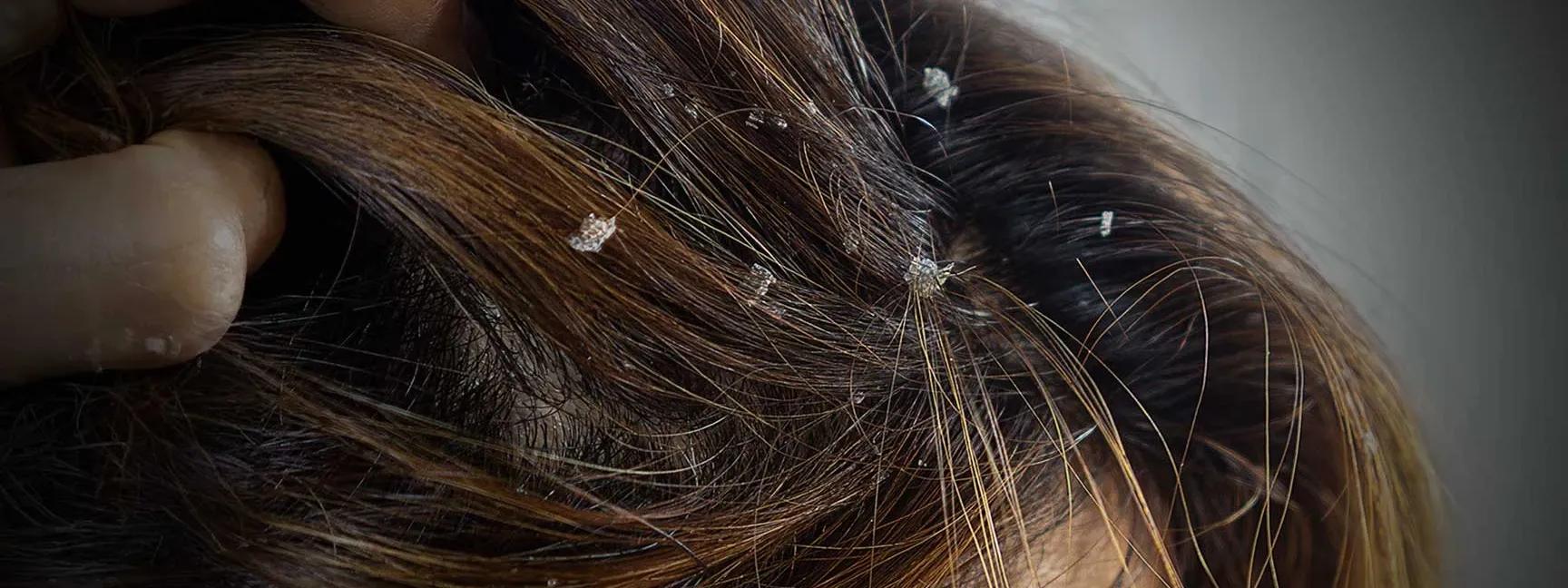
Monsoon hair problems stem from humidity, acidic rainwater, and increased bacterial growth on the scalp
A proper hair care routine for humid weather includes washing 2-3 times weekly with sulfate-free products and complete drying
Natural hair remedies monsoon solutions like neem masks and apple cider vinegar rinses effectively combat common issues
Preventing hair damage monsoon season requires protective styling, lightweight oils, and immediate post-rain care
Hair growth tips monsoon focus on nutrition, stress management, and maintaining scalp health during humid conditions
Let's be real—monsoon season can turn even the most well-behaved hair into a rebellious mess. The combination of high humidity, acidic rainwater, and increased moisture creates the perfect storm for hair disasters. Understanding why these problems occur is your first step towards developing an effective hair care routine for humid weather.
Humidity is basically your hair's arch-nemesis during monsoon. When moisture levels in the air increase, your hair cuticles lift and allow water molecules to penetrate the hair shaft, causing it to swell and create that dreaded frizzy hair in rain effect. This process is particularly pronounced if your hair is already damaged or chemically treated.
Acidic rainwater, contaminated with pollutants, strips your hair of its natural oils and disrupts the pH balance of your scalp. This creates an environment where bacteria and fungi thrive, leading to scalp infections and dandruff. The constant dampness also weakens hair follicles, resulting in increased hair fall during monsoon.
The most reported monsoon hair problems include uncontrollable frizz, excessive oiliness at the roots, persistent dandruff, and noticeable hair thinning. Many people also experience an oily scalp monsoon condition where the scalp overproduces sebum to compensate for the harsh environmental conditions.
Hair breakage becomes more common as wet hair is more fragile and prone to damage from brushing, styling, or even sleeping on damp hair. The combination of these factors creates a cycle where hair becomes progressively weaker throughout the monsoon season.
Creating a solid routine is your best defence against monsoon hair chaos. The key is consistency and adapting your usual routine to address the specific challenges that humid weather brings to your hair and scalp.
During monsoon, washing your hair 2-3 times a week strikes the perfect balance between keeping your scalp clean and not over-stripping natural oils. Daily washing might seem tempting when dealing with an oily scalp monsoon situation, but it can actually make the problem worse by triggering excess oil production.
Choose a sulfate-free shampoo that gently cleanses without being harsh on your hair cuticles. Focus on massaging your scalp rather than the hair lengths, and always follow up with a lightweight conditioner applied only to the mid-lengths and ends.

Onion Hair oil, Rosemary Hair Growth Serum, Hair Spa Protein Booster & Papain Shampoo
Prevention is always better than cure when it comes to rainwater damage. Carry a compact umbrella or wear a stylish rain hat to create a physical barrier between your hair and acidic rainwater. If you do get caught in the rain, rinse your hair with clean water as soon as possible to remove pollutants.
Consider keeping a small bottle of diluted apple cider vinegar in your bag for emergency rinses—it helps neutralise the acidic effects of rainwater and restores your hair's natural pH balance.
Smart prevention strategies can save you from dealing with severe hair damage later. These advanced techniques focus on creating protective barriers and maintaining hair strength throughout the challenging monsoon period.
Traditional heavy oiling doesn't work well during monsoon as it can make your hair look greasy and attract more dirt. Instead, opt for lightweight oils like argan, jojoba, or grapeseed oil applied in small quantities to damp hair. This creates a protective film without weighing your hair down.
Pre-wash oiling for 30 minutes is more effective than overnight treatments during humid weather. Focus on the scalp and hair ends, avoiding the mid-lengths where oil can make hair look flat and lifeless.
Never, and we mean never, leave your hair damp during monsoon. Incomplete drying creates the perfect breeding ground for bacteria and fungi, leading to scalp infections and that musty smell. Use a blow dryer on cool setting if needed, but ensure your hair is completely dry before stepping out or going to bed.
Avoid tight hairstyles when your hair is even slightly damp, as this can cause breakage and create tension on wet, vulnerable hair strands. Loose braids or buns are your best friends during this season.
Sometimes the best solutions come from your kitchen cabinet. These natural hair remedies monsoon treatments are not only effective but also gentle on your hair and scalp, making them perfect for frequent use during the challenging rainy season.
A weekly anti-frizz mask made with mashed banana, honey, and a few drops of coconut oil can work wonders for managing frizzy hair in rain. The banana provides moisture and smooths the hair cuticle, while honey acts as a natural humectant that locks in hydration without making hair heavy.
For hair fall control, try a strengthening mask with fenugreek seed paste, yoghurt, and a teaspoon of lemon juice. Fenugreek is rich in proteins that strengthen hair follicles, while yoghurt provides gentle cleansing and lemon helps balance scalp pH.
Neem leaves boiled in water create an excellent anti-dandruff rinse that addresses dandruff control monsoon challenges naturally. The antifungal properties of neem help eliminate the microorganisms that cause scalp infections during humid weather.
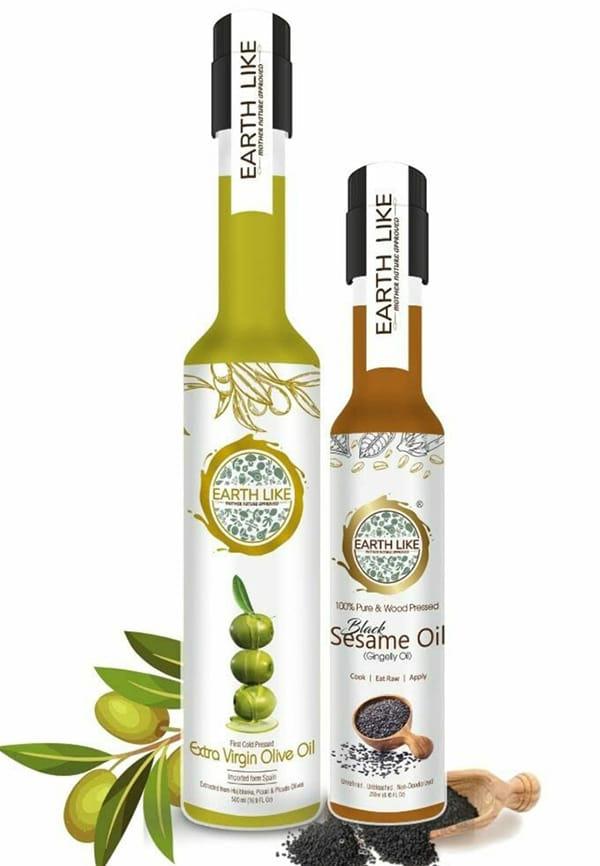
Olive Oil & Cold Pressed Black Sesame Oil Combo for Hair, Skin & Massage
Good Product, Best from Smytten
5“good one.... best product from smytten application”
Good Product, Best from Smytten
5“good one.... best product from smytten application”
Fresh aloe vera gel applied directly to the scalp can soothe irritation and provide lightweight moisture without clogging pores. It's particularly effective for those dealing with an itchy, oily scalp monsoon condition.
Healthy hair in rainy season starts from within. Your hair's ability to withstand monsoon challenges largely depends on your overall health, nutrition, and lifestyle choices during this period.
Increase your protein intake during monsoon as hair is primarily made of protein and needs extra support to maintain strength. Include eggs, fish, lentils, and nuts in your diet. Iron-rich foods like spinach and beetroot help prevent hair fall during monsoon by ensuring proper oxygen supply to hair follicles.
Biotin supplements can be particularly beneficial during this season, but consult a healthcare provider before starting any new supplements. Stay hydrated despite the cooler weather—your hair needs internal moisture to maintain elasticity and strength.
Sleep on silk or satin pillowcases to reduce friction and prevent frizz formation overnight. The smooth surface allows your hair to glide rather than catch and tangle, which is especially important when dealing with humidity-prone hair.
Manage stress through meditation or light exercise, as stress hormones can exacerbate hair fall during monsoon. Even a 10-minute daily walk (with proper hair protection) can improve circulation and promote healthy hair growth.
Choosing the right products can make or break your monsoon hair care routine. The key is selecting formulations that address humidity-related issues without overwhelming your hair with heavy ingredients.
Look for shampoos with clarifying ingredients like tea tree oil or salicylic acid that can combat bacterial growth without being overly harsh. Avoid products with sulfates, as they can strip your hair of natural oils, making it more susceptible to humidity damage.
Lightweight, protein-rich conditioners work best during monsoon. They provide necessary moisture and strength without weighing hair down or making it look greasy in humid conditions.
Anti-humidity serums containing silicones can create a protective barrier against moisture penetration. Apply a small amount to damp hair, focusing on the mid-lengths and ends where frizz typically starts.
Heat protectants are essential even if you're air-drying, as they often contain ingredients that help seal the hair cuticle and prevent humidity absorption. Look for products with UV protection as well, since monsoon doesn't mean zero sun exposure.
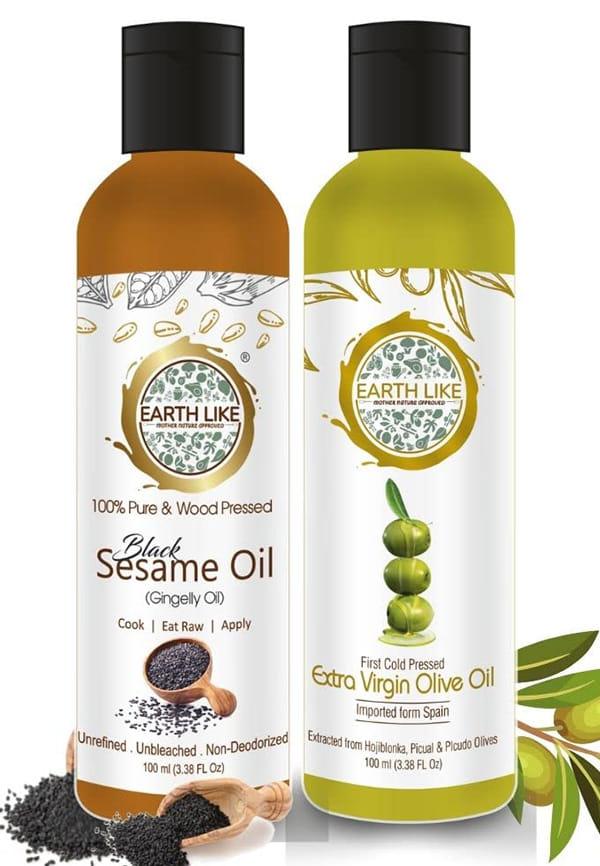
Olive Oil & Cold Pressed Black Sesame Oil Combo for Hair, Skin & Massage
Great Olive Oil for Body
4“The olive oil 🫒 is great for body”
Excellent Baby Massage Oil
5“Good for massage i am using it for my baby ”
Excellent Product and Delivery
5“nice packaging.. delivered early than expected.. useful for travelling... overall nice quality...”
If you get caught in the rain, gently squeeze out excess water without rubbing or wringing your hair. As soon as possible, rinse with clean water to remove pollutants, then apply a leave-in conditioner to damp hair. Braid loosely or twist into a bun until you can properly wash and dry your hair. Keep a small bottle of diluted apple cider vinegar for emergency rinses to neutralise acidic rainwater.
Hair fall increases during monsoon due to humidity weakening hair follicles, fungal infections on the scalp, and the hair's natural seasonal shedding cycle. To combat this, maintain a consistent hair care routine for humid weather, ensure complete hair drying, use antifungal ingredients like neem or tea tree oil, and focus on scalp health through gentle massage and proper nutrition.
Lightweight oils like argan, jojoba, or grapeseed oil work best during monsoon. These oils provide protection without making hair greasy or attracting dirt. Apply sparingly to damp hair, focusing on ends and avoiding the scalp area. Coconut oil can be too heavy for most hair types during humid weather, so use it only for pre-wash treatments.
Choose sulfate-free shampoos with clarifying ingredients like tea tree oil, neem, or salicylic acid. Look for formulations that mention anti-fungal or anti-bacterial properties. Avoid heavy, moisturising shampoos that might weigh hair down. The best shampoo for you depends on your specific hair type and scalp condition, so you might need to try different options available on Smytten to find your perfect match.
Curly hair requires extra care during monsoon as it's naturally more prone to frizz. Use the 'plopping' method for drying—wrap wet curls in a microfiber towel or cotton t-shirt instead of regular towels. Apply leave-in conditioners and curl-defining creams to damp hair, scrunch gently, and avoid touching your hair while it dries. Sleep with a silk scarf or bonnet to maintain curl pattern.
Indian monsoons are particularly intense with high humidity levels and heavy rainfall, making hair care more challenging. The combination of pollution and acidic rainwater requires more frequent clarifying treatments. Traditional Indian ingredients like neem, fenugreek, and coconut work exceptionally well for monsoon hair care. Regional water quality also affects hair health, so adjust your routine based on your local conditions.
Managing healthy hair in rainy season requires a comprehensive approach that addresses both prevention and treatment. The most effective hair care tips for monsoon season focus on protecting hair from environmental damage while maintaining scalp health through proper cleansing and natural treatments.
Remember that consistency is more important than perfection. Small daily habits like complete hair drying, protective styling, and using the right products can prevent major hair disasters. Natural remedies work wonderfully when combined with good quality commercial products, so don't hesitate to mix traditional wisdom with modern formulations.
Most importantly, be patient with your hair during this challenging season. It might take a few weeks to find the perfect routine that works for your specific hair type and local climate conditions. Keep experimenting with different approaches until you discover what makes your hair thrive during monsoon.
Finding the right products for your monsoon hair care routine doesn't have to involve expensive trial and error. Smytten is India's largest product discovery and trial platform, connecting you with top haircare brands through curated trial packs from over 2,400 trusted brands. Whether you're looking for sulfate-free shampoos, lightweight oils, or anti-frizz serums, you can try before you buy with Smytten's authentic brand-verified minis. With 100% cashback on trials and PAN-India delivery, discovering your perfect monsoon hair care routine becomes both affordable and risk-free. After all, why settle for 'maybe' when you can #TryItAll and find exactly what your hair needs to thrive during the rainy season!
