Monsoon Hair Care Steps FAQ: Your Questions Answered

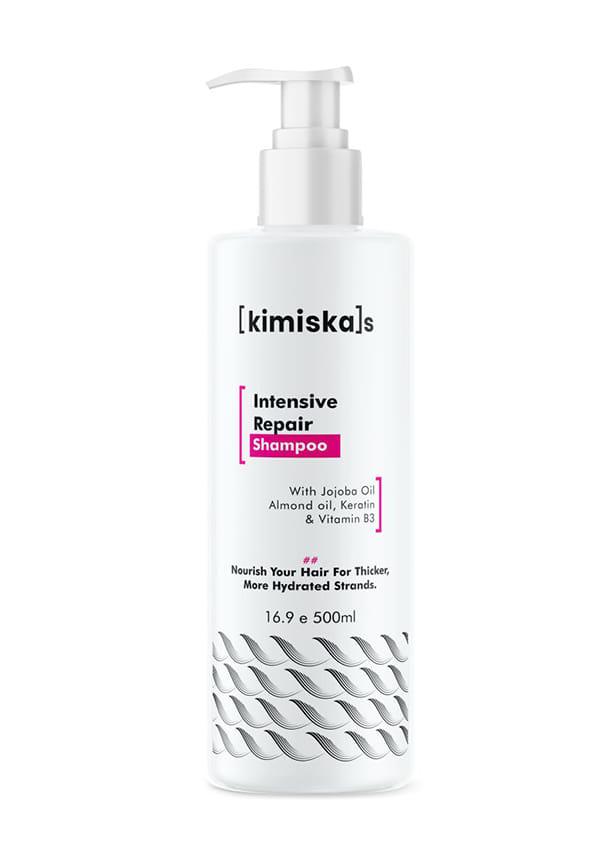
Intensive Hair Repair Shampoo for Dry and Frizzy Hair
Picture this: you wake up to the sound of rain, and your hair looks like it's been through a blender. The humidity has turned your sleek locks into a frizzy mess, and you're already dreading stepping outside. Sound familiar? You're definitely not alone. Monsoon season brings its own set of hair challenges that can leave even the most dedicated hair care enthusiasts feeling defeated. From unexpected hair fall to that stubborn oily scalp that seems impossible to manage, the rainy season tests our hair's limits. But here's the thing — with the right hair care steps monsoon routine, you can actually work with the weather instead of against it.
Let's get straight to the point — monsoon hair care isn't about fighting the humidity, it's about adapting your routine to work with it. Think of it as switching from summer mode to rainy season survival mode, but for your hair. The key is consistency and the right approach that addresses the unique challenges this season brings.
Step 1: Pre-wash Oil Treatment (2-3 times weekly)
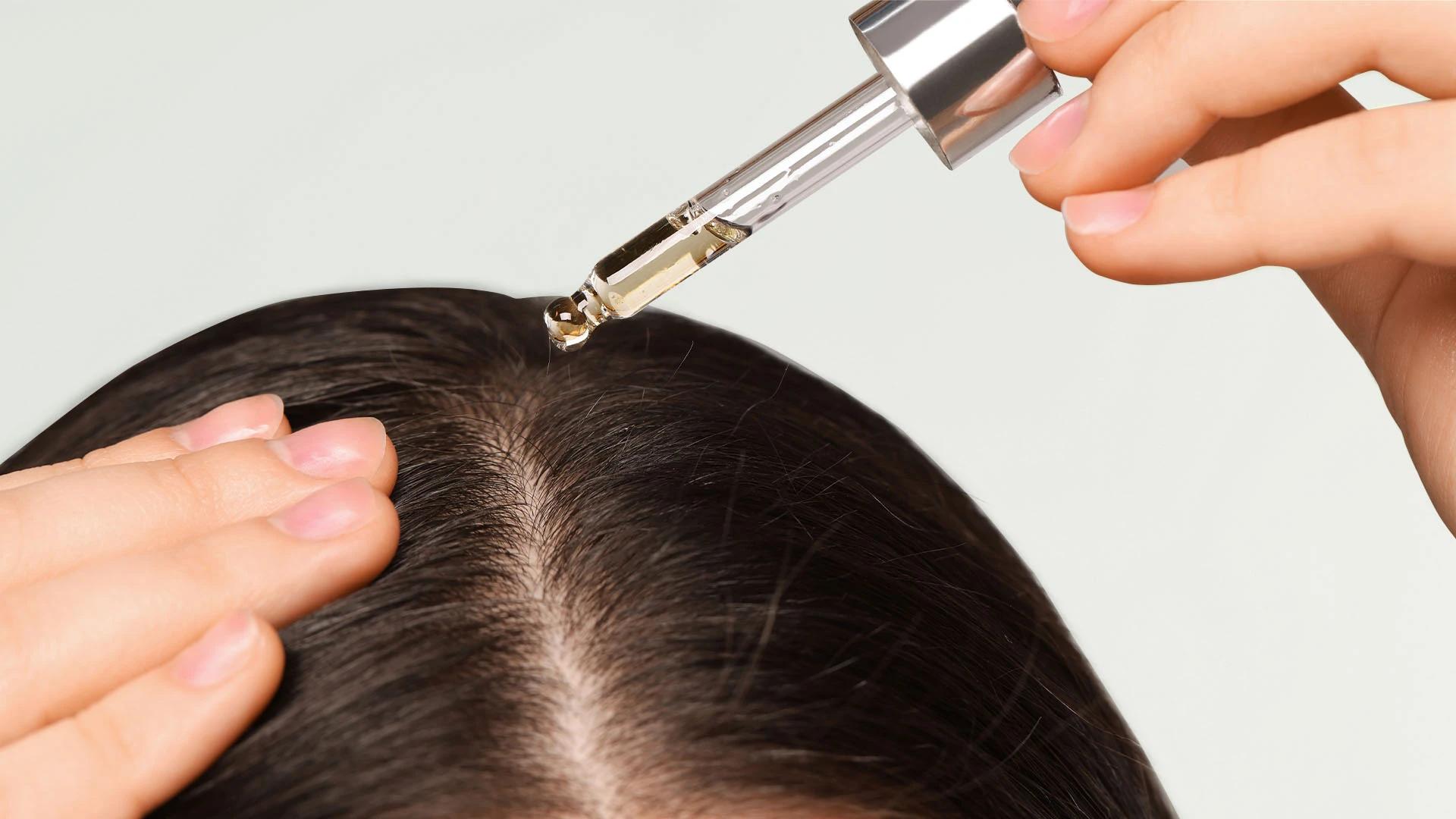
Start with a lightweight oil like argan or jojoba. Heavy coconut oil might feel too much during humid weather. Apply from mid-length to ends, avoiding the scalp if it gets oily quickly. This creates a protective barrier against pollution and rainwater.
Step 2: Gentle Hair Cleansing
Use a sulphate-free shampoo that won't strip your hair's natural oils. During monsoon, you might need to wash more frequently — every alternate day is fine if your scalp gets oily. Focus the shampoo on your scalp, not the lengths.
Step 3: Deep Conditioning and Hair Hydration
This step is non-negotiable. Use a hydrating conditioner from mid-length to ends. Once a week, treat your hair to a deep conditioning mask. Your hair needs internal moisture to fight external humidity.
Step 4: Proper Drying Techniques
Here's where most people go wrong. Never rub your hair with a towel — it causes frizz and breakage. Instead, gently squeeze out excess water and use a microfibre towel or cotton t-shirt to pat dry. If you must use heat, keep it on low and always use a heat protectant.
Step 5: Scalp Care and Maintenance
Your scalp is the foundation of healthy hair. Use a clarifying treatment once a week to remove buildup. If you're dealing with fungal issues (common during monsoon), look for products with tea tree oil or zinc pyrithione.
Step 6: Protective Styling Methods
Braids, buns, and ponytails are your best friends during rainy days. These styles protect your hair from humidity and prevent tangling. Just make sure not to tie them too tight — wet hair is more fragile.
Step 7: Weekly Intensive Treatments
Once a week, give your hair some extra love. This could be a protein treatment if your hair feels weak, or a moisture mask if it's feeling dry. Listen to what your hair needs.
Real talk — monsoon weather is basically your hair's nemesis, and there's actual science behind why your locks go haywire when the humidity hits. Understanding what's happening can help you tackle the problems more effectively.
High humidity causes your hair cuticles to lift and absorb moisture from the air. If your hair is already damaged or porous, it absorbs even more moisture, leading to swelling and that dreaded frizzy hair situation. It's like your hair is a sponge that can't stop soaking up water from the environment.
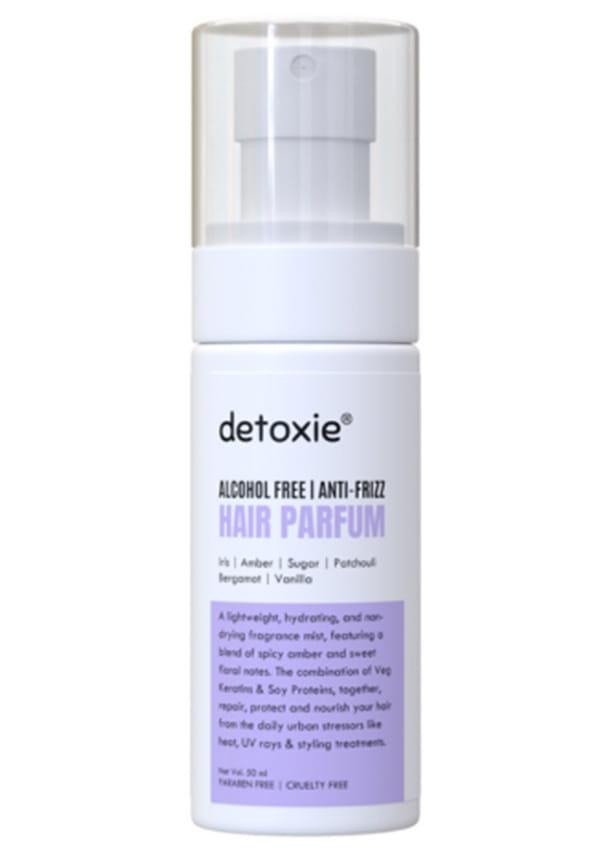
Alcohol Free Anti-Frizz Hair Parfum
Nice product with good fragrance
 4
4“Its nice product with good fragrance”
Positive Product Review
5“good for use. smells nice. can order again.”
The increased moisture also creates the perfect breeding ground for bacteria and fungi on your scalp. This is why you might notice more dandruff, itching, or even hair fall during the rainy season. Your scalp's pH balance gets disrupted, and suddenly you're dealing with issues you never had before.
Pollution mixed with rainwater creates a toxic cocktail that settles on your hair and scalp. This buildup can clog hair follicles and weaken your hair structure. Plus, the constant moisture fluctuation — from humid air to air conditioning — puts stress on your hair shaft, making it more prone to breakage.
Hair fall during monsoon isn't just in your head — it's a real thing that happens due to increased humidity, scalp infections, and weakened hair roots. But before you panic, know that most monsoon-related hair fall is temporary and manageable with the right hair strengthening approach.
Start with gentle handling. Wet hair is 3 times more fragile than dry hair, so treat it like delicate silk. Use a wide-tooth comb to detangle, starting from the ends and working your way up. Never brush wet hair aggressively — you're just asking for breakage.
Protein treatments become crucial during this time. Look for products with keratin, collagen, or hydrolysed proteins. These help strengthen the hair shaft and reduce breakage. But don't overdo it — too much protein can make hair brittle.
Your diet plays a bigger role than you might think. Monsoon often means less sunlight, which can affect your vitamin D levels. Include foods rich in iron, zinc, and biotin. Think spinach, eggs, nuts, and fish. Your hair grows from the inside out, so what you eat matters.
Stress management is often overlooked but super important. Monsoon blues are real, and stress directly impacts hair health. Try meditation, yoga, or just ensure you're getting enough sleep. Your hair will thank you for it.
An oily scalp during monsoon feels like a never-ending battle, but it's actually your scalp trying to protect itself from the humidity. The trick is working with your scalp's natural processes, not against them.
Washing frequency is key here. If your scalp gets oily daily, washing every day with a gentle shampoo is better than letting oil and dirt accumulate. Use a clarifying shampoo once a week to remove buildup, but follow up with a hydrating conditioner on the lengths.
Natural remedies can be game-changers for oily scalp issues. A weekly apple cider vinegar rinse (1 part vinegar to 3 parts water) helps balance your scalp's pH. Tea tree oil mixed with your shampoo can control excess oil and prevent fungal growth — just use 2-3 drops, not more.
Scalp massage isn't just relaxing — it improves blood circulation and helps distribute natural oils evenly. Use your fingertips (not nails) and massage in circular motions for 2-3 minutes before shampooing. This simple step can make a huge difference in scalp health.
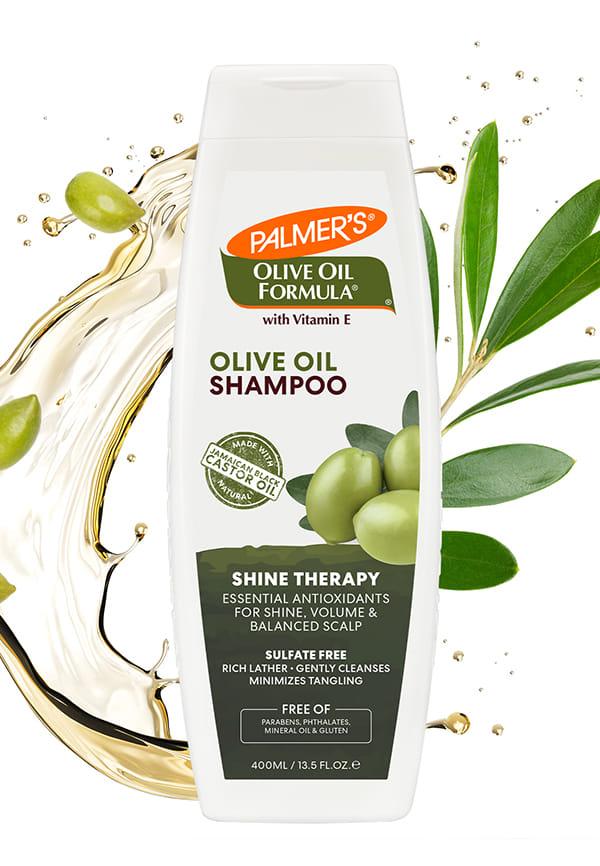
Olive Oil Smoothing Shampoo for frizz-prone hari 400ml
Avoid over-washing or using harsh products that strip your scalp completely. When you remove all the natural oils, your scalp produces even more oil to compensate. It's a vicious cycle that's hard to break once it starts.
Here's the paradox of monsoon hair care — your hair needs hydration even when there's moisture everywhere. The humidity outside doesn't equal proper hair hydration inside. Think of it like being surrounded by saltwater when you're thirsty — it's moisture, but not the right kind.
Internal hydration starts with drinking enough water and eating water-rich foods. Your hair is essentially dead protein, but it reflects your overall health. Dehydration shows up in your hair before you even feel thirsty.
For external hydration, focus on humectants like glycerin and hyaluronic acid in low humidity, and occlusive ingredients like shea butter and oils in high humidity. The goal is to lock in the right amount of moisture without letting your hair absorb excess humidity from the air.
Leave-in treatments become essential during monsoon. Look for lightweight formulas that provide moisture without weighing your hair down. Apply to damp hair, focusing on the mid-lengths and ends where your hair tends to be driest.
DIY hydrating masks using ingredients like honey, aloe vera, and banana can provide deep moisture without breaking the bank. Honey is a natural humectant that draws moisture from the air, while aloe vera soothes and hydrates both hair and scalp.
This depends on your hair type and scalp condition. If you have an oily scalp, washing every alternate day or even daily with a gentle shampoo is fine. For dry or normal hair, 2-3 times a week usually works. The key is listening to your scalp — if it feels itchy, oily, or uncomfortable, it's time for a wash. Don't follow a rigid schedule if your hair needs something different.
Increased humidity weakens hair roots and creates conditions for scalp infections. The moisture makes your hair heavier, putting more stress on the follicles. Plus, pollution mixed with rainwater can clog pores and irritate the scalp. Most monsoon hair fall is temporary and reduces once you adapt your hair care routine to the season.
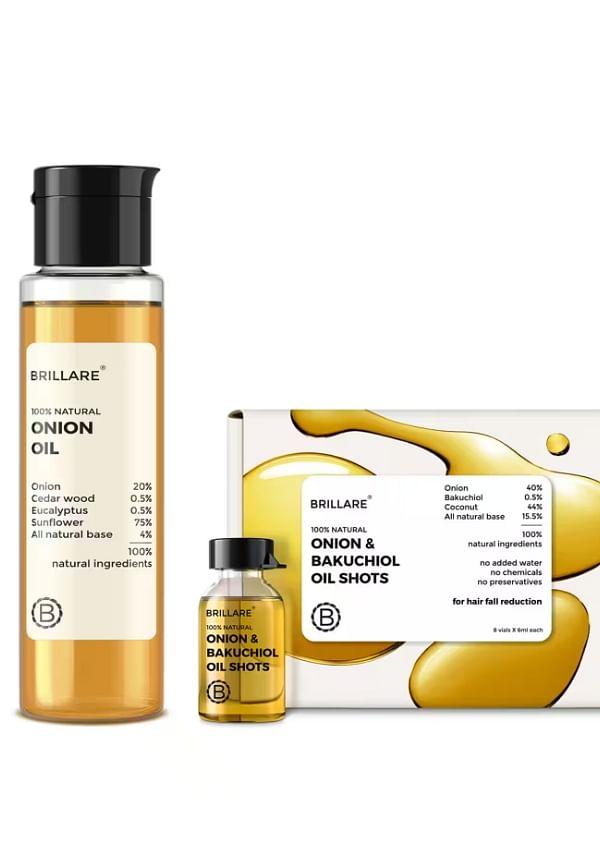
Hair & Scalp Treatment Duo for Dry, Frizzy & Hair Fall-Prone Hair
Great Products
5“awesome as always...we are very satisfied with ur products”
Effective Hair Fall Control
5“nice products for useing hair fall control”
Amazing Hair Oil
5“This hair oil is a gem in market, I applied a lot of hair oils but It's really the best one”
Daily oiling during monsoon isn't recommended for most people, especially if you have an oily scalp. The humidity already adds moisture to your hair, and too much oil can lead to buildup and scalp issues. Stick to 2-3 times a week with lightweight oils like argan or jojoba. If your hair is very dry or chemically treated, you might need more frequent oiling, but start slow and see how your hair responds.
Avoid heavy silicones that can cause buildup in humid weather. Skip products with too much glycerin if you live in very high humidity areas — it can make your hair feel sticky. Harsh sulphates can strip your hair when it's already stressed from weather changes. Also, avoid products with too many oils if your scalp tends to get oily quickly during this season.
If you get caught in unexpected rain, gently squeeze out excess water with your hands. Don't rub or twist your hair. Once you're indoors, pat your hair dry with a soft towel or t-shirt. If possible, braid damp hair loosely to prevent tangling. Wash your hair as soon as you can to remove any pollutants that rainwater might have deposited.
Absolutely! Your hair texture, volume, and behaviour can change with the weather. High humidity can make fine hair feel limp and thick hair feel unmanageable. This is completely normal. The key is adjusting your routine and expectations. What works in summer might not work in monsoon, and that's okay.
Focus on proper hydration and gentle drying techniques. Use a leave-in conditioner or anti-frizz serum on damp hair. Try the "plopping" method — wrap your hair in a cotton t-shirt for 10-15 minutes to absorb excess moisture without causing frizz. Protective styles like braids or buns can also help manage frizz while looking put-together.
You might need to adjust your shampoo choice based on how your scalp behaves during monsoon. If your scalp gets oilier, consider a clarifying shampoo once a week. If you're dealing with dandruff or fungal issues, look for antifungal ingredients. But don't completely overhaul your routine — small adjustments usually work better than dramatic changes.
Monsoon hair care doesn't have to be a constant struggle. The secret lies in understanding that your hair's needs change with the weather, and adapting your routine accordingly. Focus on gentle cleansing, proper hydration, and protecting your hair from the elements rather than fighting against them.
Remember, consistency matters more than perfection. You don't need expensive salon treatments or complicated routines — sometimes the simplest approaches work best. Listen to your hair, be patient with the process, and don't expect overnight transformations.
The monsoon season is temporary, but the healthy hair habits you build during this time can benefit you year-round. Whether it's learning to dry your hair properly, understanding your scalp's needs, or finding the right balance of moisture, these skills will serve you well beyond the rainy season.
If you're looking to experiment with new products or find your perfect monsoon hair care routine, Smytten offers a curated selection of haircare products from trusted brands. Not sure which products will work for your specific hair concerns? Smytten also offers trial-size versions of many haircare essentials — a smart way to test what works for your hair before committing to full-size bottles.
