Monsoon Hair Care Routine Tips FAQ: Solutions for Hair Fall & Frizz
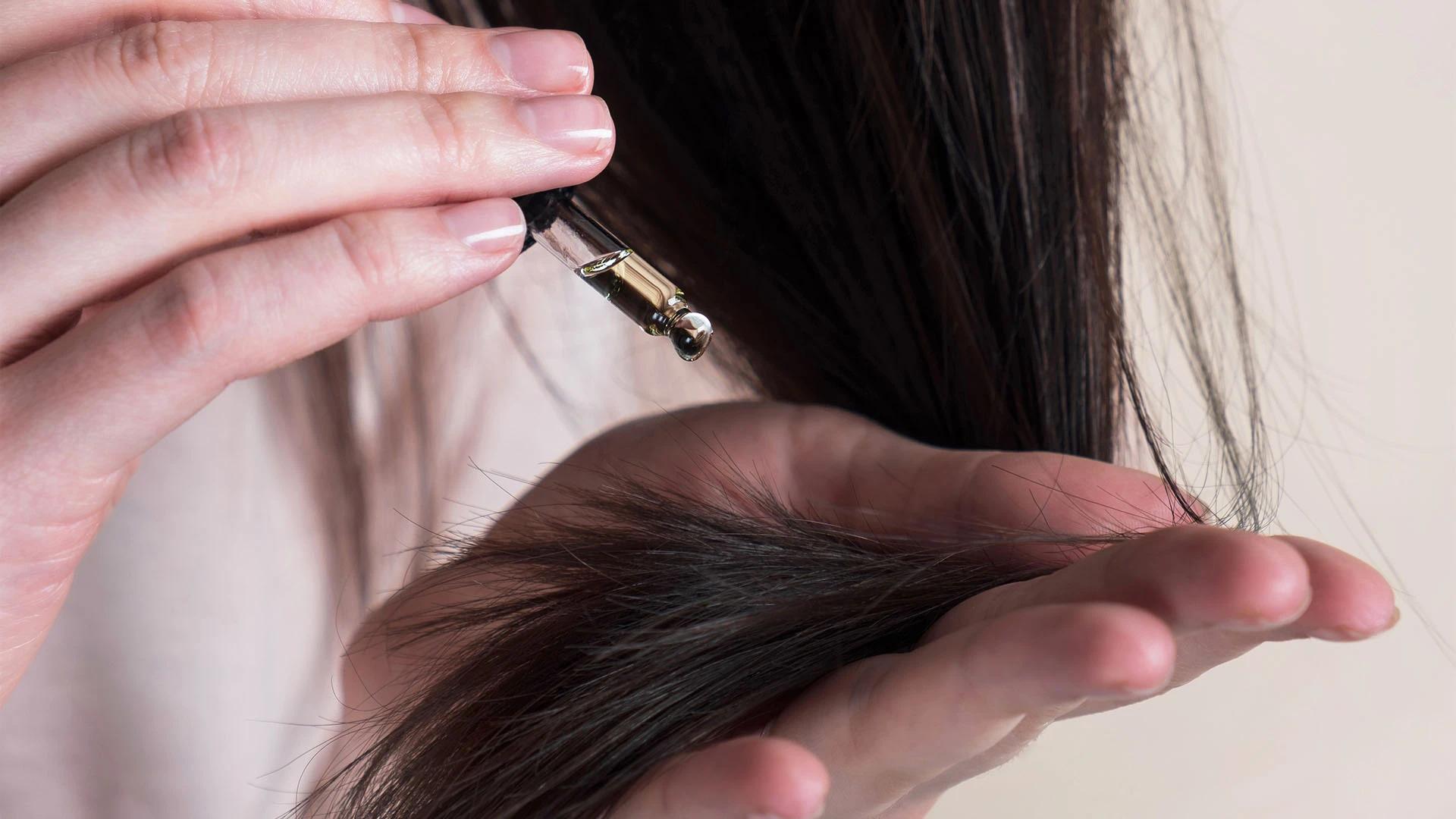

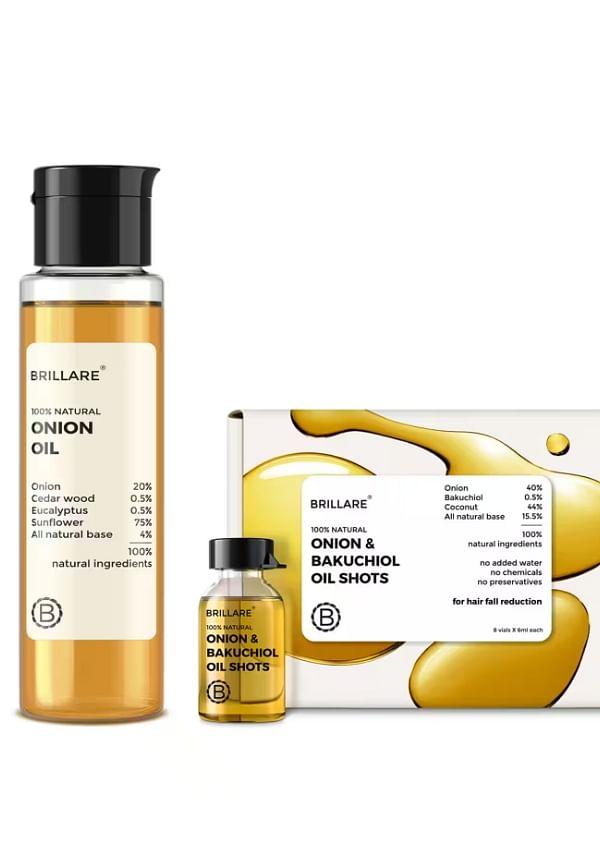
Hair & Scalp Treatment Duo for Dry, Frizzy & Hair Fall-Prone Hair
Picture this: you wake up to the sound of rain, and your first thought isn't about the cosy weather—it's about what your hair will look like by noon. The humidity creeps in, your carefully styled locks turn into a frizzy mess, and suddenly you're dealing with more hair fall than usual. Sound familiar? You're definitely not alone in this monsoon hair struggle. The rainy season brings its own set of challenges that can leave even the most well-maintained hair looking less than stellar. But here's the thing—with the right monsoon hair care routine tips, you can actually work with the weather instead of against it.
Let's get real about what's actually happening to your hair during monsoon. The science behind it is pretty straightforward, but the effects? Not so much. When humidity levels spike, your hair basically becomes a moisture magnet. If you've got high porosity hair, it's absorbing all that extra moisture from the air, causing the hair shaft to swell and creating that dreaded frizz. On the flip side, if your hair has low porosity, the moisture sits on top, making it feel heavy and greasy.
The most common monsoon hair problems include increased hair fall during monsoon, persistent frizz, dandruff flare-ups, and an oily scalp that seems impossible to control. Your regular hair care routine that worked perfectly in dry weather suddenly feels inadequate. The constant dampness creates the perfect breeding ground for fungal infections on your scalp, leading to itchiness and dandruff. Plus, the frequent washing to combat oiliness can strip your hair of natural oils, creating a vicious cycle of dryness and overproduction of sebum.
Hair care for humid weather requires a completely different approach because the environmental factors are working against your usual products and techniques. Traditional heavy oils and creams that felt nourishing in winter can now weigh your hair down and make it look greasy within hours. Understanding these changes is the first step to creating an effective monsoon hair care strategy.
Creating a solid monsoon hair care routine tips framework starts with understanding that one size definitely doesn't fit all. Your hair type, texture, and specific concerns will determine the best approach, but there are some universal principles that work across the board.
Your morning routine needs a complete overhaul during monsoon. Start with a lightweight leave-in conditioner that won't weigh your hair down but provides enough moisture to prevent frizz. Skip heavy oils and opt for serums instead—they create a protective barrier without the greasiness. If you're heading out, consider protective hairstyles like loose braids or buns that keep your hair contained and reduce exposure to humidity.
For dry hair, the challenge is maintaining moisture balance without going overboard. Use a hydrating shampoo every other day, followed by a lightweight conditioner. Deep conditioning once a week with natural ingredients like coconut oil or aloe vera can help restore moisture without making your hair heavy. Curly hair folks, this one's for you—embrace the humidity instead of fighting it. Use curl-defining creams and avoid brushing your hair when it's dry to prevent breakage and frizz.
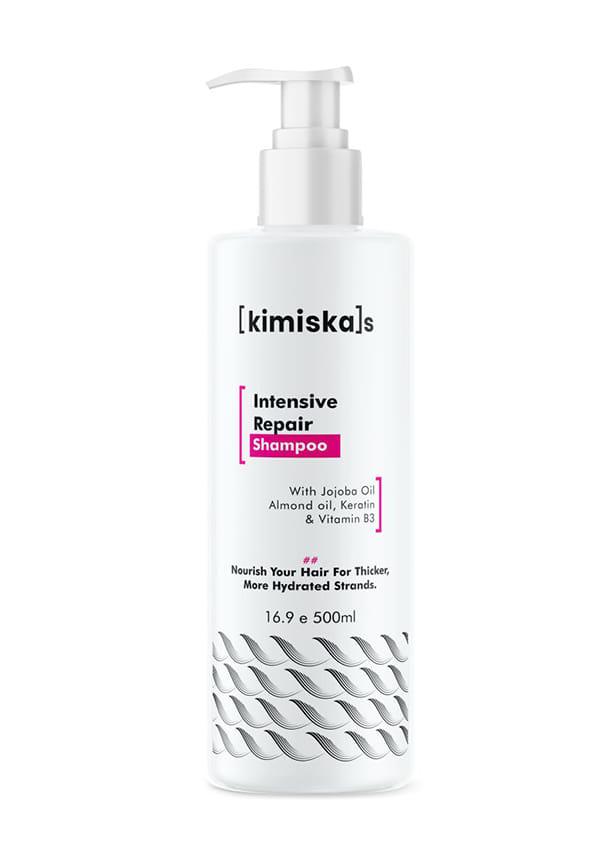
Intensive Hair Repair Shampoo for Dry and Frizzy Hair
Hair fall during monsoon is one of the most frustrating issues, but it's also one of the most manageable with the right approach. The increased humidity, frequent washing, and scalp infections all contribute to weakened hair follicles. The key is strengthening your hair from the roots while maintaining a healthy scalp environment.
Preventing hair breakage monsoon starts with gentle handling. Wet hair is more fragile, so avoid aggressive towel drying and opt for a microfibre towel or cotton t-shirt instead. When detangling, always start from the ends and work your way up, using a wide-tooth comb or your fingers. Hair strengthening tips include incorporating protein treatments into your routine—but not too often, as over-proteining can make hair brittle.
Scalp massage with lightweight oils like jojoba or argan oil can improve blood circulation and strengthen hair follicles. The massage itself is just as important as the oil—spend at least five minutes working your fingertips in circular motions across your scalp. This simple practice can significantly reduce hair fall when done consistently.
Frizzy hair solutions during monsoon require a multi-pronged approach that addresses both prevention and management. The goal isn't to eliminate all moisture from your hair—it's to control how your hair absorbs and retains it. Anti-frizz products should be lightweight and silicone-based to create a protective barrier without weighing your hair down.
Heat-free styling becomes your best friend during monsoon. Embrace air-drying techniques like plopping for curly hair or twist-outs for straight hair. If you must use heat tools, always apply a heat protectant and use the lowest effective temperature. Protective hairstyles aren't just for special occasions—they're your daily armour against humidity. Think loose braids, low buns, or even silk scarves that add style while protecting your hair.
Emergency frizz-control techniques can save the day when humidity strikes unexpectedly. A small amount of hand cream or even a tiny dab of coconut oil can smooth down flyaways in a pinch. Keep a small spray bottle with diluted leave-in conditioner for quick touch-ups throughout the day.
Oily scalp remedies during monsoon walk a fine line between cleansing and over-stripping. The temptation to wash your hair daily when it feels greasy is real, but this can actually make the problem worse by triggering your scalp to produce even more oil. For most hair types, washing every other day or every two days is optimal during monsoon.
When choosing the best shampoo for monsoon hair, look for clarifying formulas with ingredients like tea tree oil, salicylic acid, or zinc pyrithione. These ingredients help control oil production while addressing dandruff concerns. Dandruff control tips include using an antifungal shampoo once or twice a week, but not as your daily cleanser, as these can be quite drying.
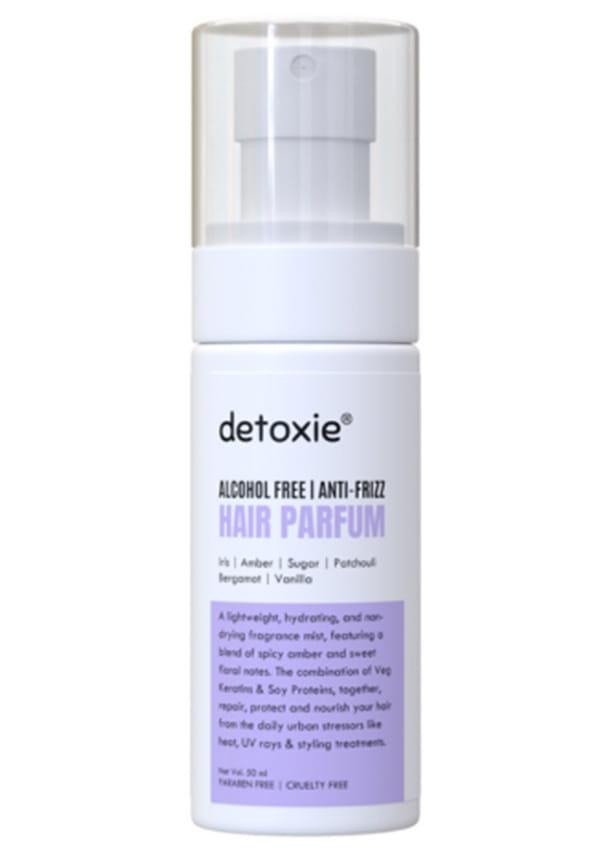
Alcohol Free Anti-Frizz Hair Parfum
Natural remedies can be incredibly effective for scalp balance. Apple cider vinegar rinses help restore your scalp's pH balance, while neem oil has antifungal properties that combat dandruff-causing microorganisms. Always dilute these ingredients properly—a little goes a long way, and using them at full strength can cause irritation.
Natural hair masks for monsoon can be game-changers when you need targeted treatment without the expense of salon visits. The key is choosing ingredients that address your specific concerns while being mindful of the humid environment.
A coconut oil and honey treatment works wonders for dry, damaged hair. Mix two tablespoons of melted coconut oil with one tablespoon of raw honey, apply to damp hair, and leave for 30 minutes before washing. The honey acts as a humectant, drawing moisture from the air while the coconut oil provides deep conditioning.
For frizz control, try an avocado and banana smoothing mask. Mash half a ripe avocado with one banana, add a tablespoon of olive oil, and apply to clean, damp hair. The natural oils and proteins help smooth the hair cuticle and reduce frizz. Leave on for 20 minutes before rinsing thoroughly.
The frequency depends on your hair type and scalp condition. For oily hair, every other day is usually optimal. Dry hair can go 2-3 days between washes. The key is finding the balance between keeping your scalp clean and not over-stripping natural oils. If your hair feels greasy by day two, it's time to wash.
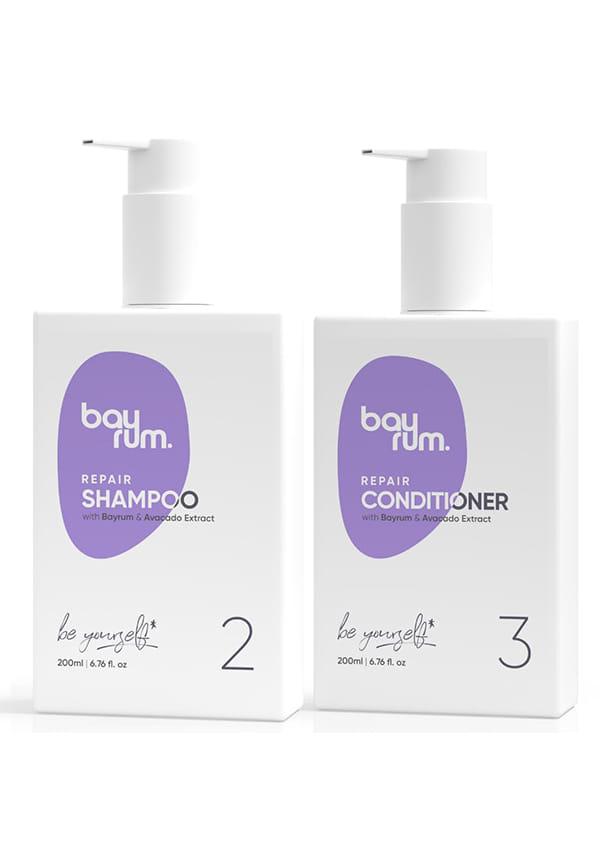
Hair Repair Shampoo & Conditioner Combo For Dry, Frizzy And Curly Hair
Look for lightweight, non-comedogenic ingredients like hyaluronic acid for hydration, tea tree oil for scalp health, and silicones for frizz control. Avoid heavy butters and oils that can weigh your hair down. Protein treatments can help strengthen hair, but use them sparingly to avoid over-proteining.
Daily oiling during monsoon isn't recommended for most hair types as it can lead to product buildup and attract more dirt and pollution. Instead, opt for lightweight oils like argan or jojoba 2-3 times a week, focusing on the mid-lengths and ends rather than the scalp.
Rainwater can be acidic and contain pollutants that damage hair. Always carry an umbrella or wear a hat when possible. If your hair gets wet, rinse it with clean water as soon as you get home and apply a leave-in conditioner to restore moisture balance.
Air drying is always best, but when time is short, use a microfibre towel to gently squeeze out excess water, apply a heat protectant, and use a blow dryer on cool or low heat settings. The plopping method works great for curly hair—wrap your hair in a cotton t-shirt for 10-15 minutes to absorb moisture without causing frizz.
You don't need to overhaul everything, but switching to lighter formulations is helpful. Swap heavy creams for lightweight serums, use clarifying shampoos more frequently, and incorporate anti-humidity products. Keep your favourite deep conditioning treatments but use them less frequently.
Keep a small spray bottle with diluted leave-in conditioner for emergency touch-ups. A tiny amount of hand cream can smooth flyaways in a pinch. Protective hairstyles like low buns or braids can be your backup plan when humidity strikes unexpectedly.
Monsoon hair care doesn't have to be a constant battle against the elements. With the right monsoon hair care routine tips and a bit of patience, you can actually embrace this season while keeping your hair healthy and manageable. Remember, the key is working with your hair's natural tendencies rather than against them, choosing lightweight products that provide protection without weighing your hair down, and maintaining consistency in your routine.
The most important thing is to listen to your hair's needs and adjust accordingly. What works for your friend might not work for you, and that's perfectly normal. Experiment with different techniques and products until you find your perfect monsoon hair care routine. Not sure which products might work best for your specific hair concerns? Smytten offers trial-size versions of many haircare products from trusted brands—a smart way to test different formulations before committing to full-size bottles, especially when you're building your ideal monsoon routine.
