Monsoon Hair Care Routine FAQ: Your Questions Answered

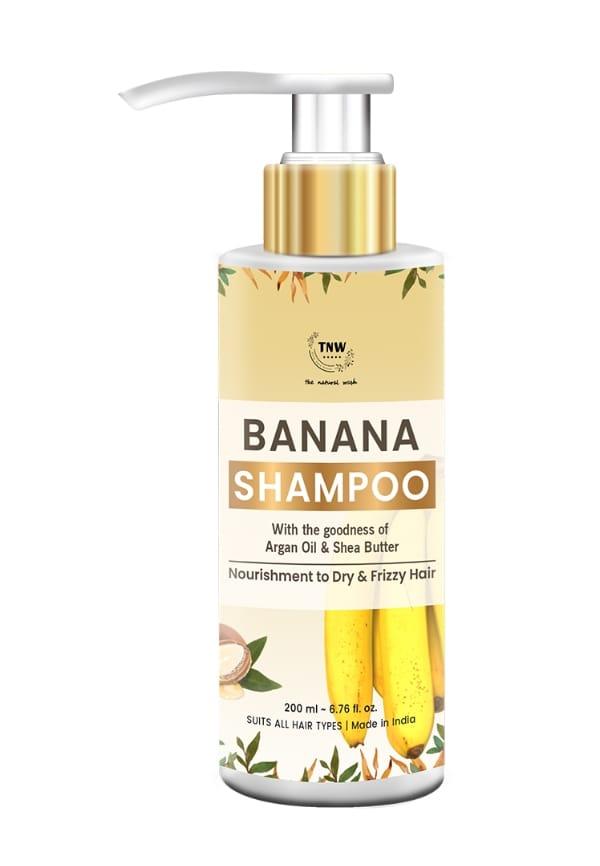
Banana Shampoo for Frizz | AntiFrizz Shampoo for All Hair Types | Banana Shampoo for Manageable Hair200ml
Let's be real — monsoon season is basically your hair's villain origin story. One minute you're stepping out with perfectly styled hair, and the next you're dealing with a frizzy mess that looks like you stuck your finger in an electrical socket. The humidity hits different, doesn't it? Your hair absorbs moisture from the air faster than you can say "weather forecast," and suddenly you're googling "emergency hair fixes" at 2 AM. If you've been wondering how to keep your hair looking decent when the weather's doing its worst, you're definitely not alone.
Here's the thing about monsoon hair — it's not just about bad hair days. The science behind what humidity does to your strands is actually pretty wild. When the air is loaded with moisture, your hair cuticles open up like tiny umbrellas, letting all that extra water in. This makes your hair swell, disrupts its natural structure, and creates that dreaded frizz we all know too well.
But wait, there's more. Rainwater isn't just H2O — it's often acidic thanks to pollution, which can strip your hair of its natural oils and leave it feeling rough and brittle. Plus, the constant dampness creates the perfect breeding ground for scalp infections and dandruff. Your regular hair care routine that works brilliantly in dry weather? It's probably not cutting it when humidity levels spike.
The most common monsoon hair problems include uncontrollable frizz, increased hair fall, oily scalp, and that general feeling that your hair has a mind of its own. Understanding why these happen is the first step to fixing them. Your hair's moisture balance gets completely thrown off, and without the right approach, you're basically fighting a losing battle against Mother Nature.
Right, let's get into the actual game plan. A proper monsoon hair care routine isn't rocket science, but it does need to be different from your usual approach. Think of it as switching from summer clothes to winter gear — same basic function, totally different strategy.
Start with pre-wash prep. Before you even think about shampooing, gently detangle your hair with a wide-tooth comb. This prevents unnecessary breakage when your hair is at its most vulnerable. A light application of coconut or almond oil from mid-length to ends can work as a protective barrier, but keep it minimal — you don't want to weigh your hair down in this humidity.
For hair cleansing, frequency matters more than you think. Aim for washing 2-3 times a week, but here's the crucial bit — wash immediately if you get caught in the rain. Rainwater sitting on your scalp is asking for trouble. Choose a sulfate-free shampoo with anti-fungal properties to keep your scalp healthy and clean without stripping essential oils.
Conditioning is where many people go wrong during monsoons. Apply conditioner only from mid-length to ends, never on your scalp. Your scalp is already dealing with enough moisture from the air. Once a week, treat your hair to a deep hydrating mask to maintain that moisture balance without overdoing it.
Drying technique can make or break your monsoon hair game. Ditch the regular towel and switch to a microfiber one — it's gentler and absorbs water without roughing up your cuticles. Pat, don't rub. Air drying is ideal, but if you must use a blow dryer, keep it on cool setting and maintain some distance from your hair.
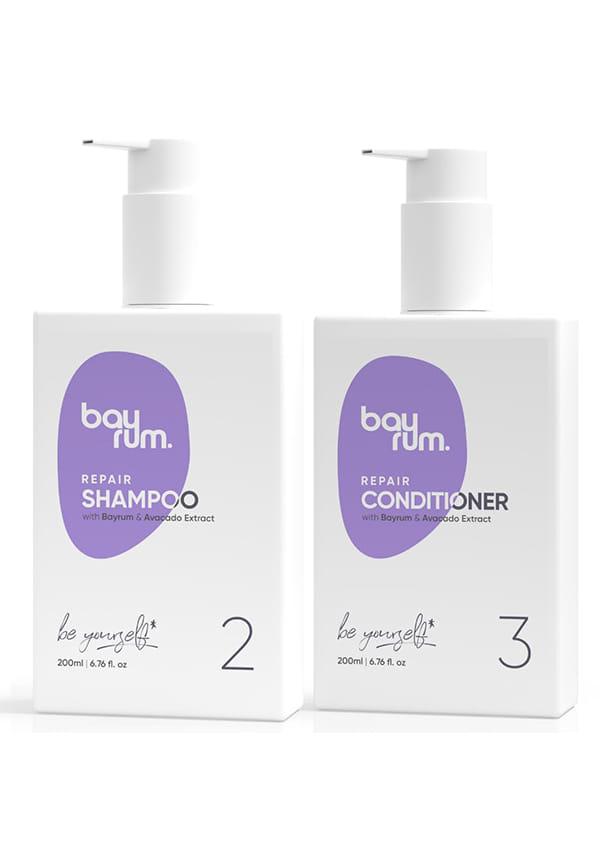
Hair Repair Shampoo & Conditioner Combo For Dry, Frizzy And Curly Hair
Curly hair needs extra love during monsoons. The natural curl pattern makes it more prone to frizz, so focus on curl-defining creams and avoid brushing when dry. Straight hair tends to get oily faster, so you might need to adjust your washing frequency. Fine hair can get weighed down easily, so lighter products are your friend.
Frizz during monsoons isn't just annoying — it's inevitable unless you know how to work with it. The key is understanding that you're not trying to eliminate moisture completely; you're trying to control how your hair absorbs and retains it.
Anti-frizz serums are your best mate here, but application technique matters. Use them on damp hair, focusing on the areas that tend to get frizziest. A little goes a long way — start with a small amount and build up if needed. Look for serums with silicones that create a protective barrier without making your hair feel heavy or greasy.
Styling modifications can also help minimise frizz. Avoid tight hairstyles that can cause breakage, and consider protective styles like loose braids or buns when you know you'll be out in humid weather. The goal is to work with your hair's natural texture rather than fighting against it.
Here's a reality check — some frizz is normal during monsoons. Instead of aiming for Pinterest-perfect hair, focus on healthy, manageable hair that looks intentionally tousled rather than accidentally messy. Sometimes the best frizzy hair solutions involve embracing the texture and making it look deliberate.
Hair fall during monsoons can be genuinely distressing, but understanding why it happens can help you tackle it effectively. The combination of humidity, scalp infections, and increased washing frequency can weaken hair follicles and lead to more shedding than usual.
Gentle handling is crucial for hair fall control. When your hair is wet, it's at its weakest point. Avoid aggressive towel drying, tight ponytails, or any styling that puts tension on your roots. Think of wet hair like a delicate fabric — treat it with care and it'll last longer.
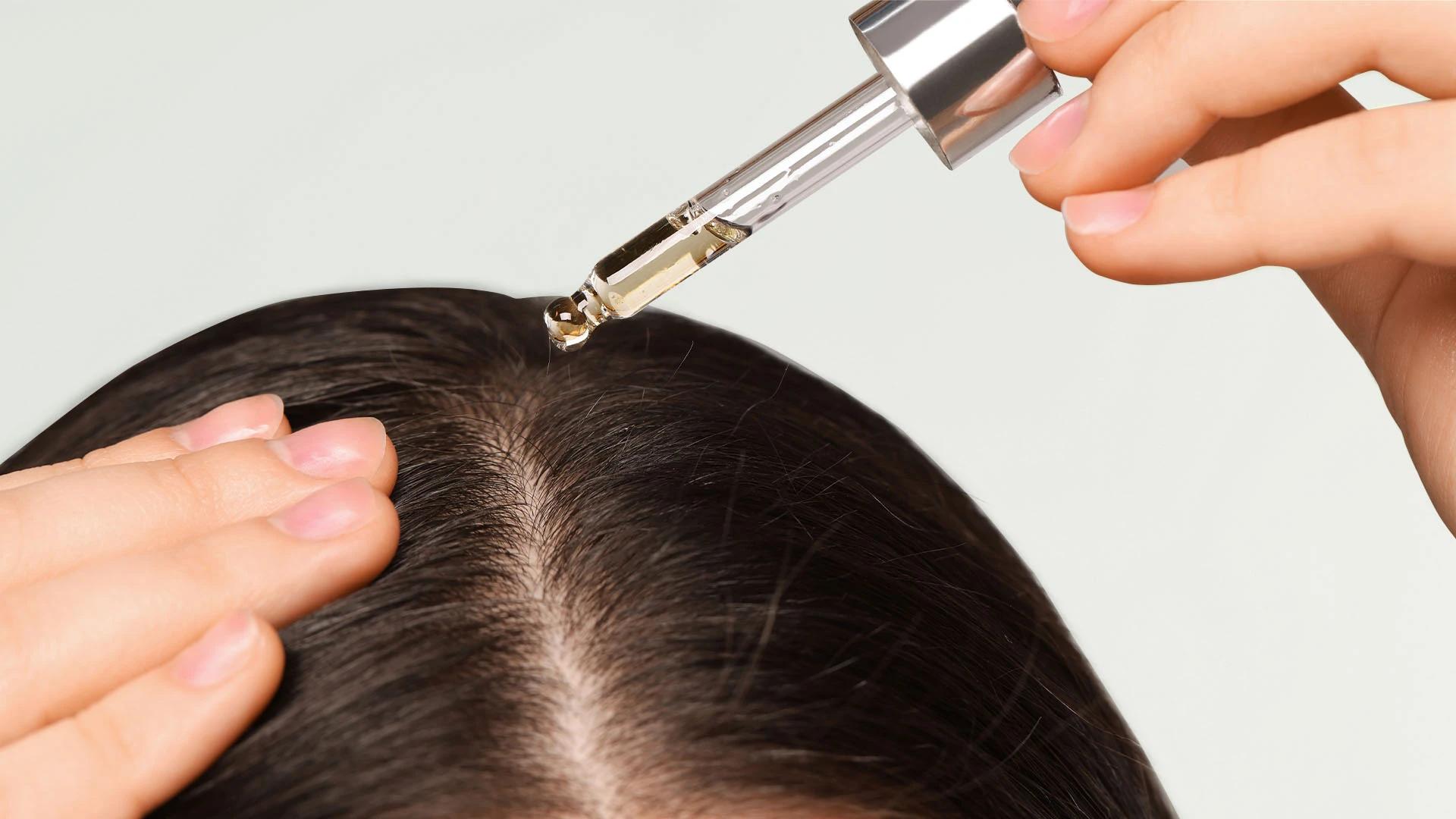
Scalp massage isn't just relaxing; it actually improves blood circulation to your hair follicles. Spend a few minutes massaging your scalp with your fingertips (not nails) during your oil treatment or even while shampooing. This simple step can make a real difference in hair fall control over time.
If you're noticing excessive hair fall — we're talking clumps coming out rather than the normal 50-100 strands per day — it might be time to consult a dermatologist. Sometimes monsoon hair fall can indicate underlying scalp conditions that need professional treatment.
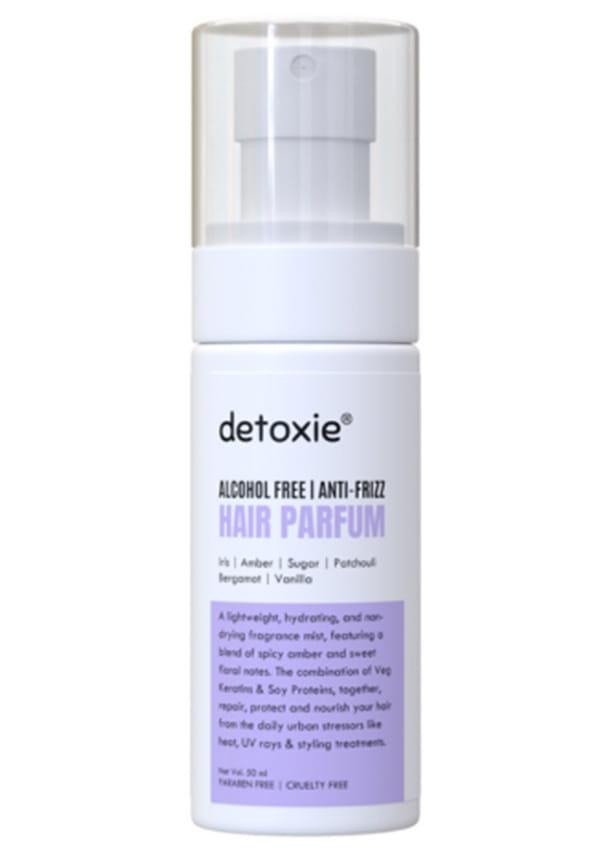
Alcohol Free Anti-Frizz Hair Parfum
Your scalp is basically the foundation for healthy hair, and monsoons can really mess with its balance. The constant humidity can make oily scalps even oilier and create the perfect environment for fungal infections and dandruff to thrive.
Scalp care during monsoons means being extra vigilant about hygiene without going overboard. Tea tree oil can be brilliant for oily scalps — it has natural antifungal properties and helps control excess oil production. Mix a few drops with your regular shampoo or carrier oil, but don't use it undiluted as it can be quite strong.
Hair hydration is a balancing act during monsoons. Your hair needs moisture, but too much can leave it limp and lifeless. Focus on lightweight, water-based products rather than heavy oils or creams. Your hair should feel soft and manageable, not weighed down or greasy.
Prevention is better than cure when it comes to scalp issues. Keep your hair accessories clean, avoid sharing combs or brushes, and make sure your hair is completely dry before tying it up. Damp hair in a tight style is basically an invitation for bacterial growth.
Good hair starts from within, and this becomes even more important during monsoons when your hair is under extra stress. Your diet plays a huge role in hair health, so make sure you're getting enough protein, omega-3 fatty acids, and vitamins like biotin and vitamin D.
Lifestyle modifications can also support your monsoon hair care routine. Try to avoid getting your hair wet unnecessarily, carry an umbrella or wear a hat when possible, and consider protective hairstyles when you know you'll be exposed to humidity for extended periods.
Professional treatments like scalp detox or keratin treatments can be worth considering if your hair is particularly unmanageable during monsoons. However, timing matters — avoid chemical treatments right before or during peak monsoon season as the humidity can affect how they set.
Regular trims every 6-8 weeks become even more important during monsoons. Split ends and damaged hair are more prone to frizz and breakage, so keeping your ends healthy helps your overall hair look better despite the challenging weather.
Aim for 2-3 times per week for most hair types, but wash immediately after getting caught in the rain. Oily hair might need more frequent washing, while dry or chemically treated hair can probably get away with less. The key is listening to your hair and scalp rather than following a rigid schedule.
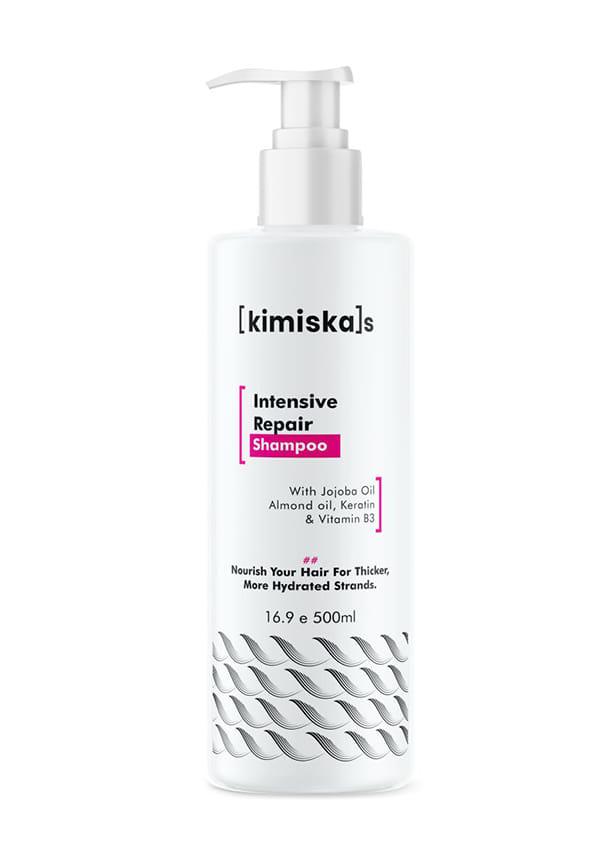
Intensive Hair Repair Shampoo for Dry and Frizzy Hair
Yes, but with modifications. Use lighter oils like argan or jojoba instead of heavy coconut oil, and apply only to the lengths and ends, avoiding the scalp. Pre-wash oil treatments work better than leave-in oils during humid weather. Always wash the oil out completely to prevent buildup.
Look for sulfate-free cleansers, lightweight silicones for frizz control, tea tree oil for scalp health, and humectants like glycerin that help balance moisture. Avoid heavy butters and oils that can weigh hair down in humidity.
Carry an umbrella or wear a hat when possible. If you do get caught in the rain, rinse your hair with clean water as soon as you can and follow up with a gentle shampoo. Consider protective hairstyles like braids or buns when you know you'll be exposed to rain.
It's best to minimise heat styling as humid air can undo your efforts quickly. If you must use heat tools, always apply a heat protectant and use the lowest effective temperature. Air drying or cool blow-drying are better options during monsoon season.
Apple cider vinegar rinses can help balance scalp pH, aloe vera gel works as a natural anti-frizz treatment, and rice water can strengthen hair. However, remember that consistency matters more than the specific remedy — find what works for your hair and stick with it.
Monsoon hair care is all about adaptation and balance. Your hair needs protection from humidity without being weighed down, cleansing without over-stripping, and moisture without becoming greasy. The key is understanding your hair's specific needs and adjusting your routine accordingly.
Remember, perfect hair during monsoons is a myth — focus on healthy, manageable hair instead. Consistency with your routine matters more than using expensive products, and sometimes the simplest solutions work best. Don't be afraid to experiment and find what works for your unique hair type and lifestyle.
If you're still figuring out which products work best for your monsoon hair care routine, Smytten offers trial-size versions of many haircare products from trusted brands. It's a smart way to test different formulations and find your perfect match before committing to full-size bottles — especially useful when you're trying to nail down your ideal monsoon routine.
