Monsoon Hair Care Guide India FAQ: Your Questions Answered


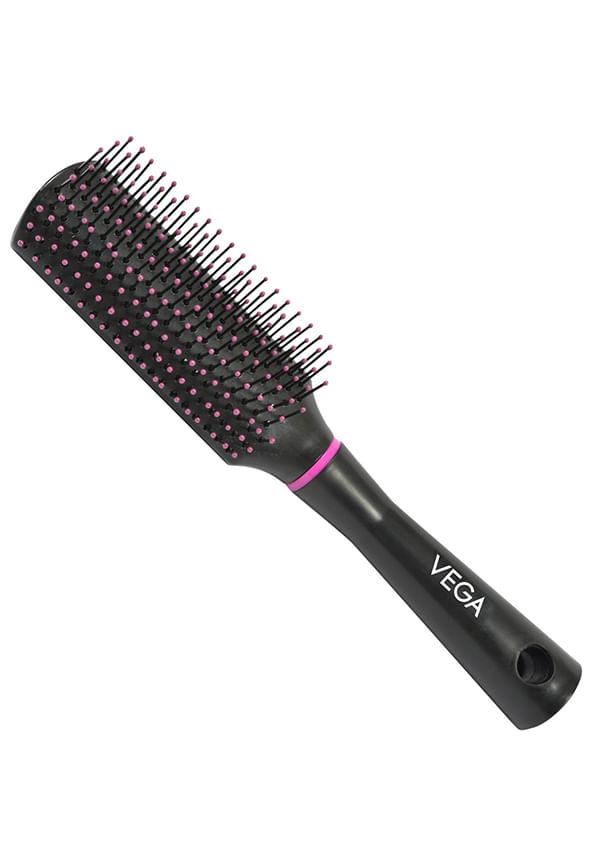
Flat Hair Brush (India's No. 1* Hair Brush Brand) for Men & Women (R16-FB)
Positive Product Review
 5
5“This is very nice loved it......”
That first monsoon shower hits, and suddenly your hair has its own weather forecast — frizzy with a chance of chaos. One minute you're loving the cool breeze, the next you're dealing with limp, oily roots and ends that look like they've been through a wind tunnel. Sound familiar? You're definitely not alone in this seasonal hair struggle.
India's monsoon season brings its own unique set of challenges that go way beyond just carrying an umbrella. The humidity levels can make even the most well-behaved hair go rogue, and let's be real — most of us weren't exactly prepared for our hair to have such strong opinions about the weather. But here's the thing: with the right approach, you can actually work with the monsoon instead of fighting it.
Let's start with the science bit, but make it simple. During monsoon season, humidity levels in India can shoot up to 80-90%, which basically means the air is packed with moisture. Your hair, being the moisture-loving sponge it is, tries to absorb all that extra water from the environment. This causes the hair shaft to swell, disrupting your natural curl pattern and creating that dreaded frizz we all know too well.
Different hair types react differently to this humidity overload. If you've got naturally straight hair, you might notice it becoming limp and greasy faster than usual. Wavy hair tends to get more unpredictable — some days it's gorgeously tousled, other days it's just messy. Curly hair often becomes even more voluminous, but not always in a good way. The key is understanding that your hair isn't being difficult on purpose — it's just responding to the environment.
The constant dampness also creates the perfect breeding ground for scalp issues. Fungal infections, dandruff, and that weird musty smell that sometimes happens when your hair doesn't dry properly — all of these become more common during monsoon months. Plus, the frequent washing and re-styling can weaken your hair structure over time.
Your regular haircare routine needs a monsoon makeover, and it's all about adapting to the extra moisture in the air. Think of it as switching from summer clothes to monsoon gear — same basic needs, different approach.
Start your morning routine with a lightweight leave-in conditioner or serum that creates a barrier against humidity. Apply it to damp hair, focusing on the mid-lengths and ends. Avoid the roots if you're prone to oily scalp issues. If you're planning to step out, consider protective hairstyles like braids or buns that keep your hair contained and reduce exposure to humidity.
Evening routines become crucial during monsoon season. If your hair got wet during the day, don't just leave it to air dry — that's asking for trouble. Gently towel dry first, then use a wide-tooth comb to detangle. Apply a small amount of anti-frizz serum and either blow-dry on low heat or ensure your hair is completely dry before bed. Sleeping with damp hair is a recipe for tangles, breakage, and that musty smell nobody wants.
Weekly deep conditioning becomes non-negotiable. Your hair is working overtime to deal with the humidity, so it needs extra nourishment. Choose protein-free deep conditioners during this time — your hair is already absorbing plenty of moisture from the environment, so focus on smoothing and strengthening treatments instead.
Hair fall during monsoon season is like that uninvited guest who overstays their welcome. The combination of humidity, frequent washing, and scalp issues creates the perfect storm for increased shedding. But before you panic, remember that some seasonal hair fall is completely normal — your hair growth cycle naturally shifts with the seasons.
The real culprits behind monsoon hair fall are usually scalp-related. When your scalp stays damp for extended periods, it can lead to fungal infections that weaken hair follicles. The constant cycle of getting wet and drying out also strips your scalp of its natural oils, leading to irritation and inflammation.
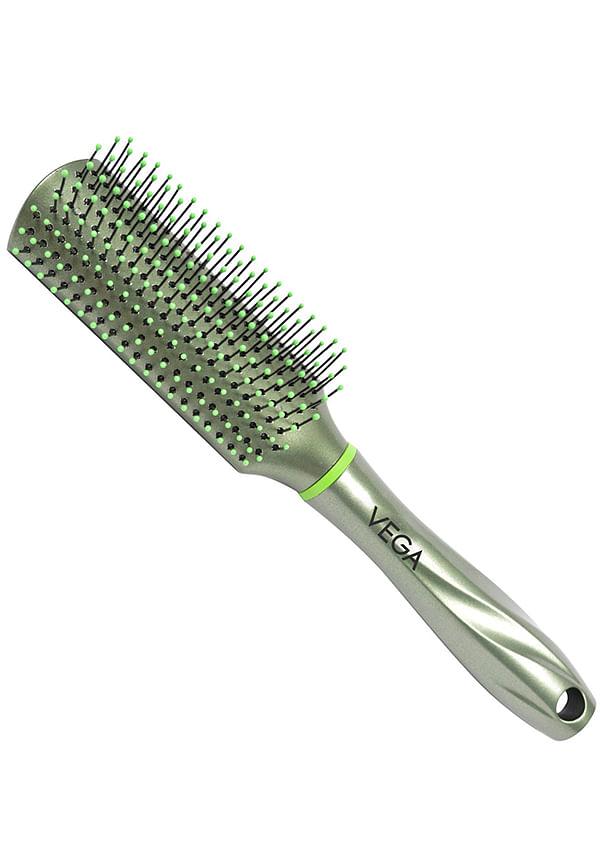
Flat Hair Brush (India's No. 1* Hair Brush Brand) for Men & Women (R13-FB)
Prevention starts with keeping your scalp clean and dry. This doesn't mean washing your hair every day — that can actually make things worse. Instead, focus on thorough cleansing 2-3 times a week with a gentle, sulphate-free shampoo. Between washes, use dry shampoo if your roots get oily, and always ensure your scalp is completely dry after washing.
Scalp massage becomes your best friend during monsoon season. Spend 5-10 minutes massaging your scalp with your fingertips (not nails) to improve blood circulation. You can do this with a few drops of lightweight oil like jojoba or argan, but avoid heavy oils that might weigh your hair down in the humidity.
Frizzy hair during monsoon season is basically your hair's way of saying "I'm confused about what's happening here." When humidity levels are high, your hair cuticles lift up to absorb moisture from the air, but this disrupts the smooth surface that reflects light and gives you that glossy look.
The secret to managing monsoon frizz isn't fighting the humidity — it's working with it. Start with products that create a protective barrier around each hair strand. Look for ingredients like silicones (yes, they get a bad rap, but they're actually brilliant for humidity protection), natural oils, and humectants that help your hair maintain the right moisture balance.
Styling techniques matter just as much as products. Avoid brushing dry hair — this just spreads the frizz around. Instead, detangle when your hair is damp using a wide-tooth comb or your fingers. If you're air-drying, scrunch your hair gently with a microfibre towel or cotton t-shirt to encourage your natural texture without creating frizz.
For emergency frizz control, keep a small bottle of diluted leave-in conditioner in your bag. Mix one part conditioner with three parts water, and lightly mist over frizzy areas. This gives you instant smoothing without weighing your hair down.
Oily scalp during monsoon season is like having a party crasher who brings their own mess. The humidity makes your scalp produce more oil, but the constant dampness means that oil doesn't get distributed down your hair shaft like it normally would. Instead, it just sits there, collecting dirt and creating that greasy, heavy feeling.
The temptation is to wash your hair more frequently, but this can actually backfire. Over-washing strips your scalp of its natural oils, causing it to produce even more oil to compensate. Instead, focus on using the right products and techniques to manage the oil without disrupting your scalp's natural balance.
Choose a gentle, clarifying shampoo that removes buildup without being too harsh. Look for ingredients like tea tree oil, salicylic acid, or zinc pyrithione that help control oil production and prevent scalp issues. Avoid heavy, creamy shampoos during monsoon season — they can add to the buildup problem.
Between washes, dry shampoo becomes your secret weapon. Apply it to your roots before they get visibly oily — this absorbs excess oil and extends the time between washes. You can also make your own dry shampoo using cornstarch or arrowroot powder mixed with a bit of cocoa powder for darker hair.
Choosing the right products for monsoon season is like picking the perfect monsoon outfit — it needs to be practical, effective, and suitable for unpredictable weather. The key is to go lighter and smarter with your product choices.
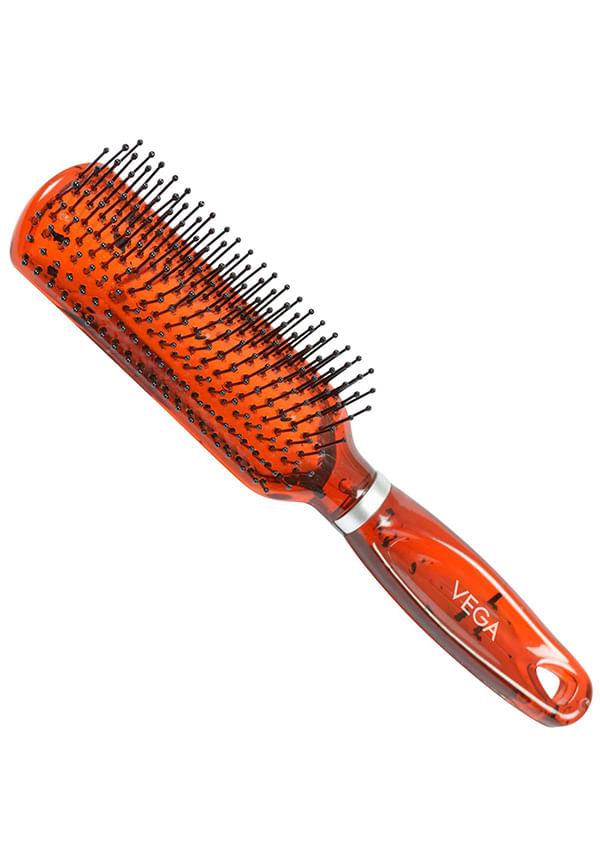
Flat Hair Brush (India's No. 1* Hair Brush Brand) for Men & Women (R8-FB)
For shampoos, look for gentle, sulphate-free formulas that cleanse without stripping. Ingredients like coconut-derived cleansers, mild surfactants, and natural extracts work well. Avoid heavy, moisturising shampoos during this time — save those for winter when your hair actually needs that extra moisture.
Conditioners should be lightweight but effective. Look for water-based formulas rather than heavy, creamy ones. Ingredients like hyaluronic acid, aloe vera, and lightweight oils provide moisture without weighing your hair down. Apply conditioner only to the mid-lengths and ends, avoiding the roots completely.
Leave-in treatments become essential during monsoon season. Choose serums or sprays that contain humidity-blocking ingredients like silicones or natural oils. These create a protective barrier that prevents your hair from absorbing too much moisture from the environment. A little goes a long way — start with a small amount and add more if needed.
Focus on keeping your scalp clean and dry while protecting your hair from excess humidity. Use lightweight products, avoid heavy oils, and ensure your hair is completely dry before styling or sleeping. Wash 2-3 times a week with a gentle shampoo, and always use a leave-in treatment to create a barrier against humidity.
High humidity causes your hair cuticles to lift and absorb moisture from the air, which disrupts your hair's natural structure and creates frizz. The constant moisture in the environment makes your hair swell and lose its smooth texture. Using anti-humidity products and protective styling can help manage this.
Look for gentle, sulphate-free shampoos with clarifying properties. Ingredients like tea tree oil, salicylic acid, or zinc pyrithione help control oil and prevent scalp issues. Avoid heavy, moisturising shampoos during monsoon — opt for lightweight, water-based formulas instead.
Regular scalp massage with lightweight oils like jojoba or argan oil improves circulation and strengthens roots. Rinse your hair with diluted apple cider vinegar once a week to maintain scalp pH balance. Ensure your diet includes protein and iron-rich foods, and always keep your scalp completely dry to prevent fungal infections.
Try a clarifying mask with bentonite clay and apple cider vinegar to remove buildup. For frizz control, mix aloe vera gel with a few drops of argan oil. A protein mask using egg whites and honey can strengthen hair that's been weakened by humidity. Always follow up with a lightweight conditioner.
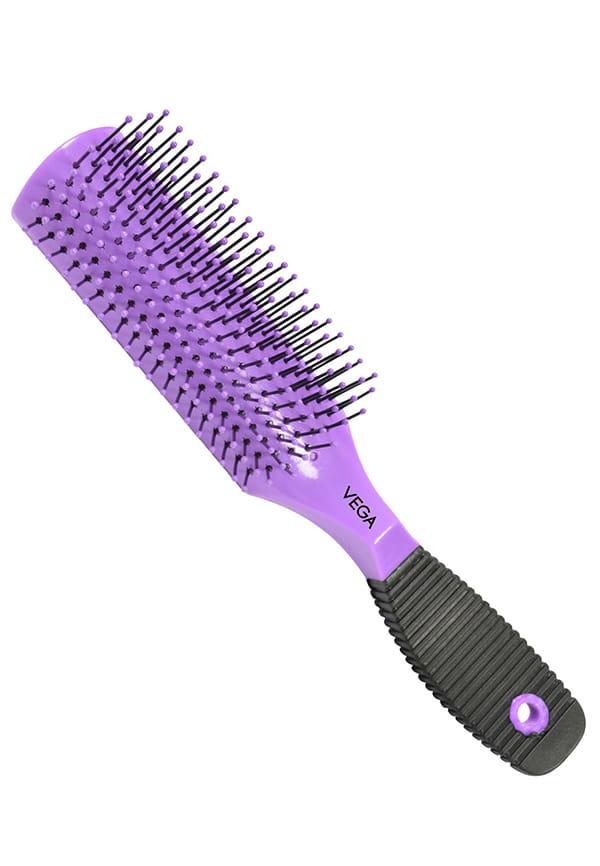
Flat Hair Brush (India's No. 1* Hair Brush Brand) for Men & Women, Regular (R1-FB)
Stick to 2-3 times a week unless your hair gets completely soaked. Over-washing can strip your scalp's natural oils and cause more problems. Use dry shampoo between washes if your roots get oily, and focus on keeping your scalp clean rather than washing frequently.
Yes, but choose lightweight oils and use them sparingly. Jojoba, argan, or grapeseed oils work well because they don't weigh hair down. Apply only to the mid-lengths and ends, avoiding the scalp if you're prone to oiliness. Heavy oils like coconut or castor oil might be too much during humid weather.
Protective styles like braids, buns, or ponytails keep your hair contained and reduce exposure to humidity. Loose styles that don't require perfect smoothness work better than sleek looks. Embrace your natural texture rather than fighting it — scrunched waves or textured updos are your friends during monsoon season.
Use a microfibre towel or cotton t-shirt to gently squeeze out excess water. Apply a heat protectant before blow-drying on low to medium heat. Use the cool shot button to set your style and seal the cuticles. If air-drying, ensure good ventilation and use a fan to speed up the process.
Avoid heavy butters like shea or cocoa butter, thick oils like castor oil, and glycerin in high concentrations (it can attract too much moisture from humid air). Skip protein-heavy treatments unless your hair is severely damaged — the humidity already provides plenty of moisture.
Monsoon hair care doesn't have to feel like a constant battle against the weather. Once you understand how humidity affects your specific hair type and adjust your routine accordingly, you can actually enjoy this season without worrying about bad hair days. The key is working with your hair's natural tendencies rather than fighting them.
Remember that consistency matters more than perfection. Small changes like switching to lighter products, protecting your hair from excess humidity, and keeping your scalp healthy can make a huge difference. Don't expect overnight results — give your hair time to adjust to the new routine.
If you're looking to experiment with new products this monsoon season, Smytten offers trial-size versions of many haircare products from trusted brands. It's a smart way to test what works for your hair without committing to full-size bottles — especially helpful when you're trying to figure out your perfect monsoon routine.
