Monsoon Frizz FAQ: Your Humidity Hair Control Questions Answered

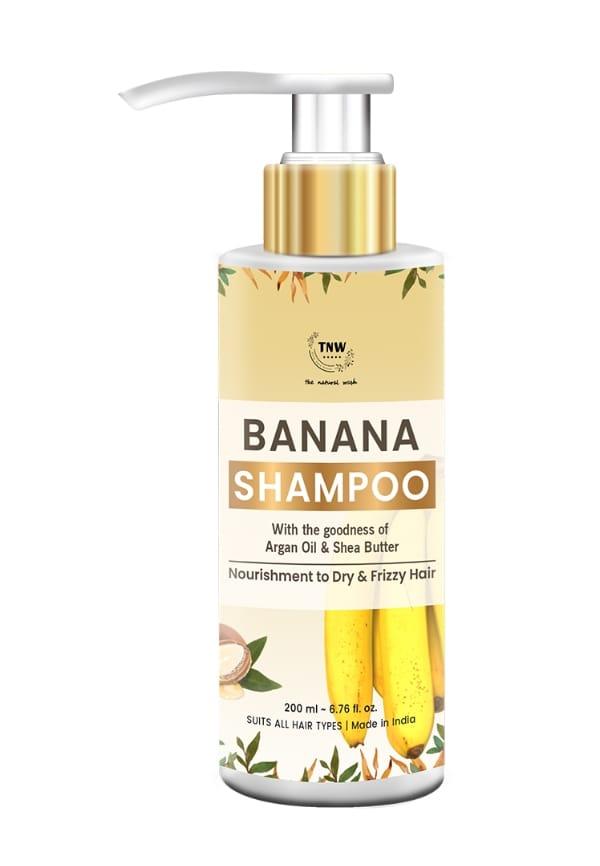
Banana Shampoo for Frizz | AntiFrizz Shampoo for All Hair Types | Banana Shampoo for Manageable Hair200ml
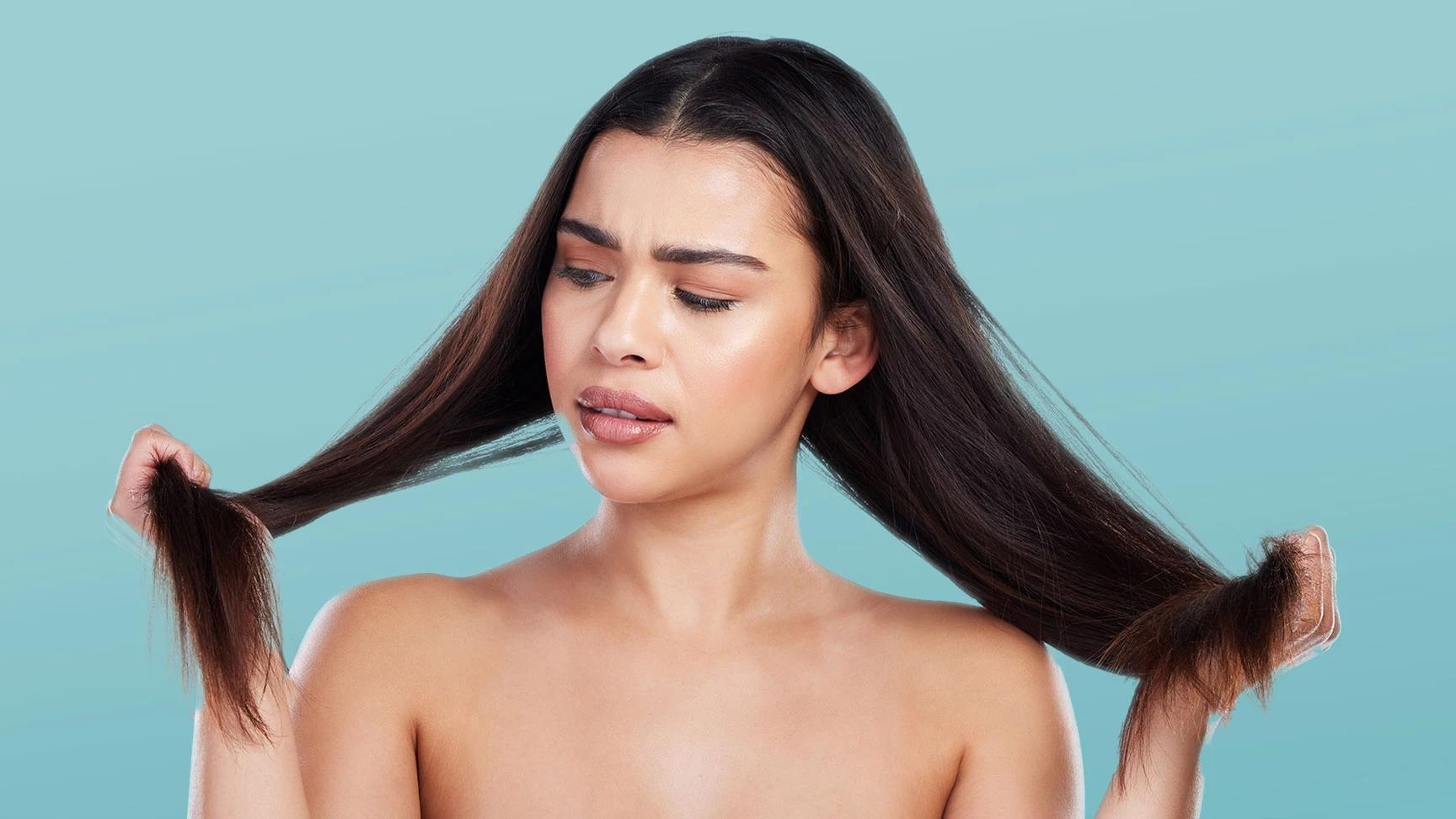
Picture this: you've just stepped out of your house with perfectly styled hair, and within minutes of walking in the monsoon humidity, your locks have transformed into a frizzy mess. Sound familiar? You're definitely not alone in this struggle. The monsoon season brings its own set of hair challenges, and frizz tops the list for most of us. But here's the thing – understanding why this happens and knowing the right tips for monsoon frizz can completely change your hair game during the humid months.
Let's get real about what's actually happening to your hair when humidity strikes. Your hair is basically a sponge, and during monsoon season, it's constantly absorbing moisture from the air. When your hair cuticles are damaged or naturally porous, they lift up and allow excess moisture to enter the hair shaft. This causes the hair to swell and creates that dreaded frizzy texture we all know too well.
The science behind humidity hair control is pretty straightforward. Hair that's already dry or damaged has more gaps in its cuticle layer, making it extra vulnerable to moisture absorption. That's why some people seem to have naturally smooth hair even in humid weather – their cuticles are tighter and more resistant to environmental moisture. Your hair's porosity level plays a huge role here, and understanding your hair type is the first step towards effective monsoon haircare.
Different hair textures react differently to humidity too. Naturally curly or wavy hair tends to be more porous and therefore more prone to frizz during monsoon season. Chemically treated hair – whether it's coloured, permed, or straightened – also becomes more susceptible because these processes can damage the cuticle layer.
Building a solid routine is your best defence against monsoon frizz. Start with your washing technique – this might sound basic, but how you shampoo during humid weather makes a massive difference. Focus the shampoo on your scalp rather than the lengths of your hair, and always follow up with a good conditioner from mid-length to ends.
Your drying method is crucial for frizzy hair solutions. Skip the rough towel rubbing and instead gently squeeze out excess water with a microfibre towel or even a cotton t-shirt. These materials are much gentler on your hair cuticles and won't create the friction that leads to frizz. When blow-drying, always use a heat protectant and keep the dryer moving to avoid concentrating heat in one spot.
Before you even think about shampooing, apply a lightweight oil to your hair lengths. This creates a barrier that prevents your hair from absorbing too much water during washing, which can actually cause frizz.
Choose sulphate-free shampoos that won't strip your hair of its natural oils. During monsoon season, your hair needs all the moisture it can get to stay smooth and manageable. Follow up with a hydrating conditioner, and don't skip this step even if your hair feels oily at the roots.
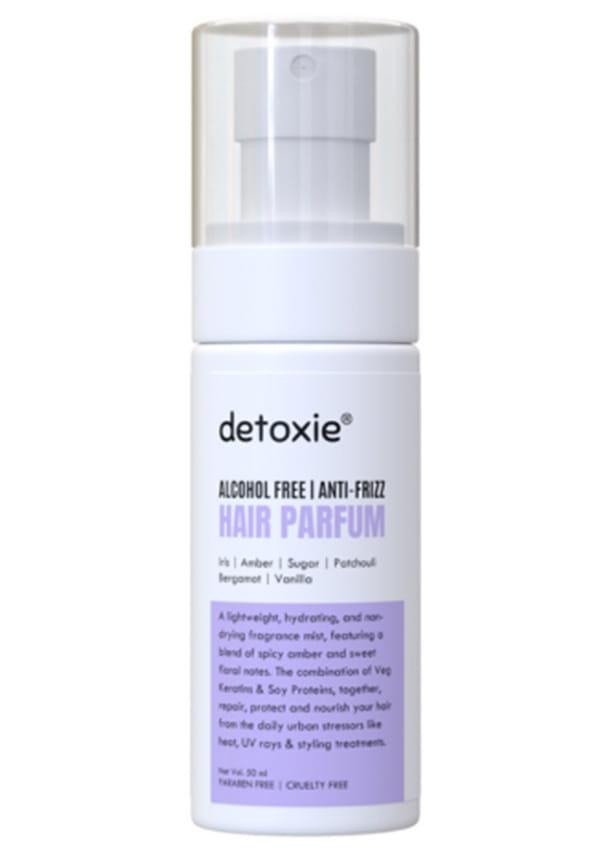
Alcohol Free Anti-Frizz Hair Parfum
The right products can be absolute game-changers when it comes to managing frizzy hair during humid weather. Leave-in conditioners are your best friends – they provide ongoing moisture and protection throughout the day. Look for formulas that contain ingredients like glycerin, which actually helps your hair maintain the right moisture balance in humid conditions.
Frizz control serums are another must-have in your monsoon arsenal. These lightweight formulas smooth down the hair cuticle and create a protective barrier against humidity. The key is to apply them to damp hair before styling – this locks in moisture and keeps frizz at bay. Hair oils can work wonders too, but choose lighter oils like argan or jojoba that won't weigh your hair down.
Heat protectants become even more important during monsoon season because you might find yourself using styling tools more often to combat frizz. Choose products that offer both heat protection and humidity resistance for maximum effectiveness.
How you apply your products matters just as much as which ones you choose. Start with damp hair and work products through from mid-length to ends, avoiding the roots unless the product specifically says it's safe for scalp application.
If you're dealing with seriously unmanageable frizz, you might be considering professional hair smoothing treatments. Keratin treatments can be brilliant for monsoon season because they create a protective coating around each hair strand, making it much more resistant to humidity. These treatments typically last 3-4 months, which can cover most of the monsoon period.
Brazilian blowouts offer similar benefits and can significantly reduce your daily styling time during humid weather. However, these treatments do require some maintenance and can be quite an investment. The good news is that there are plenty of effective frizzy hair solutions you can try at home first.
DIY hair masks using ingredients like coconut oil, honey, and avocado can provide deep hydration and help smooth your hair cuticles naturally. These treatments might not last as long as professional ones, but they're much gentler on your hair and budget-friendly too.
Consider your hair's current condition, your budget, and how much time you want to spend on daily styling when deciding between professional and at-home treatments.
Keeping your hair properly hydrated is absolutely essential for humidity hair control. Start each day with a lightweight leave-in treatment, and don't forget to protect your hair when you're heading out into humid weather. Protective hairstyles like loose braids, buns, or twists can help minimise your hair's exposure to humidity while still looking put-together.
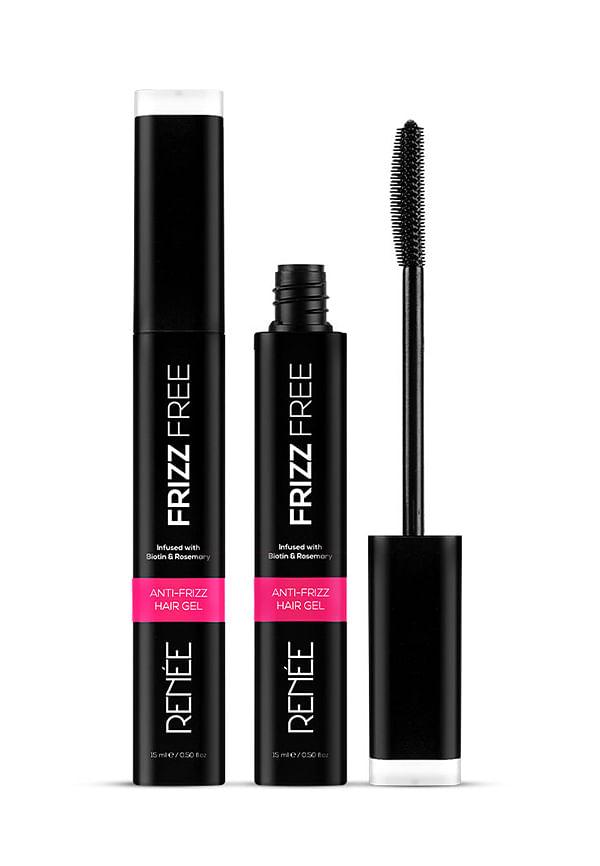
Frizz Free Anti Frizz Hair Gel
Your nighttime routine matters too. Sleeping on a silk or satin pillowcase reduces friction and helps prevent frizz from developing overnight. You can also try the "pineapple" method – loosely gathering your hair at the very top of your head with a silk scrunchie to preserve your style while you sleep.
For those emergency frizz moments when you're already out and about, keep a small bottle of diluted leave-in conditioner in your bag. A light mist can help tame flyaways and refresh your style without weighing your hair down.
Pack travel-sized versions of your favourite anti-frizz products, and always carry a silk scarf or small umbrella to protect your hair from unexpected downpours.
Natural ingredients can be incredibly effective for managing monsoon frizz. Try a weekly hair mask made with coconut oil and honey – both ingredients are excellent for sealing moisture into your hair shaft. Aloe vera gel is another brilliant natural option that provides lightweight hydration without making your hair greasy. Apple cider vinegar rinses can help smooth your hair cuticles and reduce frizz, but make sure to dilute it properly to avoid irritation.
When you're caught in unexpected rain, the key is damage control. Gently blot your hair with a tissue or cloth instead of rubbing it. If you have a small amount of leave-in conditioner or hair oil with you, apply it to the damp areas and gently smooth your hair down. Braiding slightly damp hair can also help control frizz as it dries. For future reference, always carry a compact umbrella or a silk scarf that you can use to protect your hair.
The best hair products for monsoon season include sulphate-free shampoos, deeply hydrating conditioners, leave-in treatments with humidity-blocking ingredients, and lightweight hair oils. Look for products containing ingredients like glycerin, hyaluronic acid, and natural oils. Frizz control serums with silicones can also be helpful, but use them sparingly to avoid buildup. The key is finding products that work with your specific hair type and texture.
This really depends on your hair type and how oily your scalp gets. Generally, washing every 2-3 days works well for most people during monsoon season. If your hair gets very oily or if you're using a lot of styling products, you might need to wash more frequently. However, over-washing can strip your hair of natural oils and actually make frizz worse. Pay attention to how your hair feels and adjust your washing schedule accordingly.
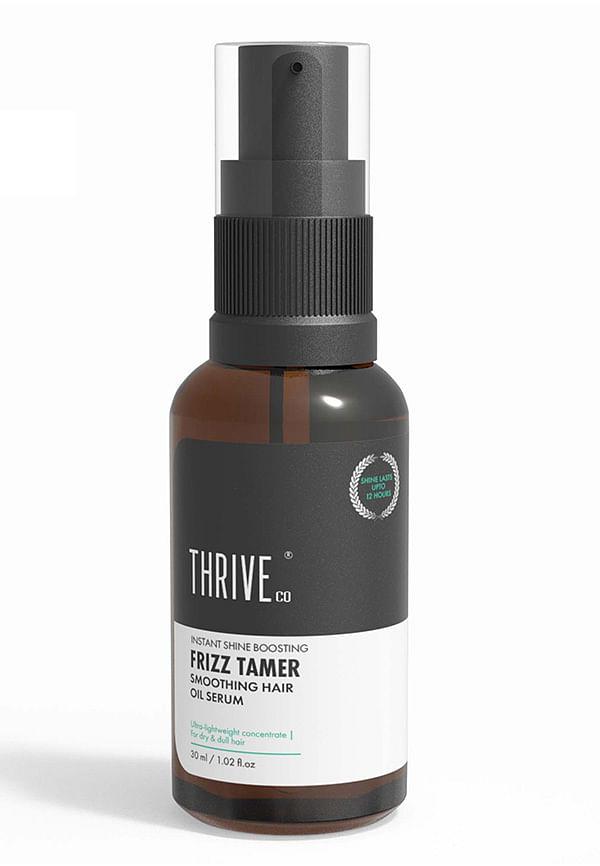
Frizz Tamer Smoothening Hair Oil
Absolutely, but choose your oils wisely. Lightweight oils like argan, jojoba, or grapeseed oil work brilliantly for monsoon haircare because they provide moisture without weighing your hair down. Apply a small amount to damp hair, focusing on the mid-lengths and ends. Avoid heavy oils like castor oil during humid weather as they can make your hair look greasy and attract more moisture from the air.
Hair masks are fantastic for providing deep hydration and can definitely help with frizz control during monsoon season. Use a hydrating mask once or twice a week, focusing on ingredients like keratin, protein, or natural oils. Just make sure not to overdo it – too much protein can actually make your hair brittle, while too much moisture can make it limp.
One of the biggest mistakes people make during monsoon season is washing their hair too frequently. While it might seem logical to wash away the humidity and sweat, over-washing actually strips your hair of its natural protective oils, making it more vulnerable to frizz. Another common error is using products that are too heavy for the humid weather – what works in winter might be completely wrong for monsoon season.
Many people also make the mistake of brushing their hair when it's wet, which can cause breakage and worsen frizz. Instead, use a wide-tooth comb and start from the ends, working your way up to the roots. Heat styling without proper protection is another major no-no during humid weather. If you must use heat tools, always apply a heat protectant first and use the lowest effective temperature.
Product layering mistakes are super common too. Using too many products or applying them in the wrong order can lead to buildup and actually make your hair look worse. Stick to a simple routine with products that complement each other, and always start with the lightest formulas first.
Don't forget about your scalp health during monsoon season. The increased humidity can lead to scalp issues like dandruff or excessive oiliness, which can affect how your hair looks and feels overall.
Managing monsoon frizz doesn't have to be a constant battle. With the right understanding of how humidity affects your hair and a solid routine tailored to the season, you can keep your locks looking smooth and healthy even during the most humid days. Remember, consistency is key – it's better to stick to a simple routine that you can maintain daily rather than trying complicated treatments sporadically.
The most important thing is to work with your hair's natural texture rather than fighting against it. Embrace protective styles when the humidity is particularly high, and don't be afraid to experiment with different products until you find what works best for your hair type. Smytten's curated selection includes various anti-frizz and monsoon haircare products from trusted brands, making it easier to find solutions that actually work for your specific needs. Not sure which products might work best for your hair type? Smytten also offers trial-size versions of many haircare products – a smart way to test different formulas before committing to full-size bottles.
