Monsoon Dry Scalp FAQ: Your Questions Answered

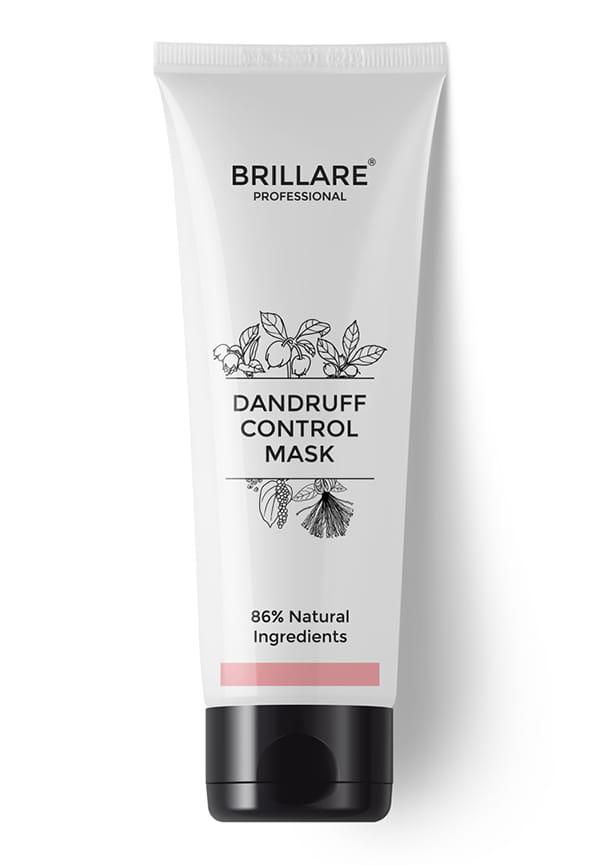
Conditioner For Itchy, Flaky Scalp
Picture this: it's monsoon season, and while everyone's celebrating the relief from summer heat, you're dealing with an itchy, flaky scalp that feels drier than the Sahara. Sounds familiar? You're definitely not alone. The monsoon brings its own set of scalp challenges that can leave you scratching your head—literally. Despite all that humidity in the air, your scalp feels parched and irritated. Let's dive into why this happens and, more importantly, how to sort it out.
Here's the thing about monsoon weather—it's basically a rollercoaster for your scalp. One minute it's humid and sticky, the next it's cool and damp. This constant flip-flopping messes with your scalp's natural oil production in ways you wouldn't expect.
During monsoon, your sebaceous glands get confused. The high humidity makes them think your scalp doesn't need much oil, so they slow down production. But here's the kicker—all that moisture in the air doesn't actually hydrate your scalp. Instead, it creates a barrier that prevents your skin from breathing properly. Add frequent hair washing (because who wants greasy hair in this weather?) and you've got a recipe for serious dryness.
Rainwater doesn't help either. It's loaded with pollutants and chemicals that can strip your scalp of its natural protective oils. Plus, the constant temperature changes between air-conditioned spaces and humid outdoors stress your scalp even more. Your poor scalp is basically trying to adapt to a new environment every few hours.
Before jumping into any dry scalp treatment, you need to figure out what you're actually dealing with. Dry scalp and dandruff might seem similar, but they're totally different beasts that need different approaches.
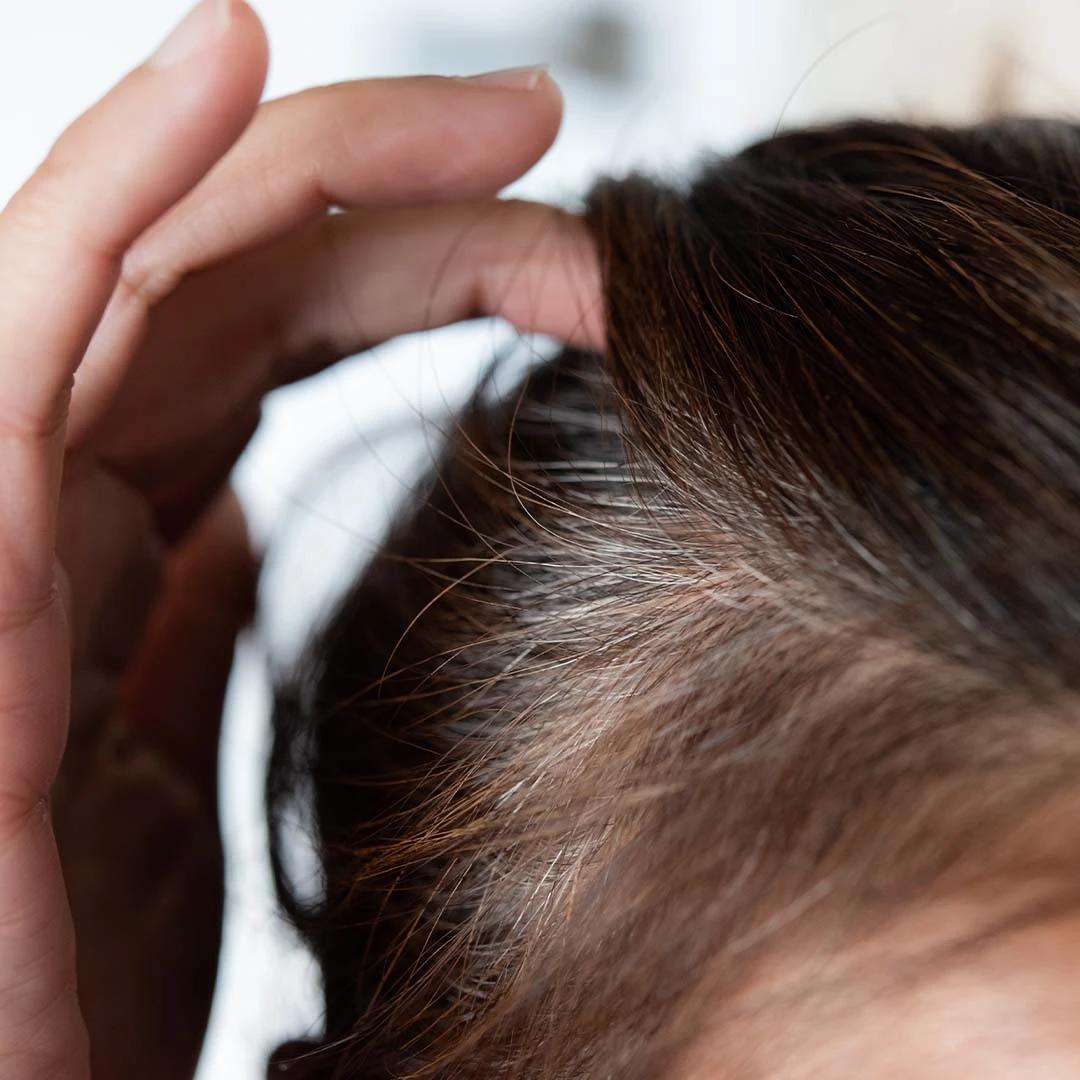
With dry scalp, you'll notice small, white flakes that feel dry and powdery. Your scalp feels tight, maybe a bit itchy, especially after washing. The flakes are usually smaller and less oily than dandruff flakes. If you're dealing with an itchy scalp remedy situation where the itching gets worse when your hair is clean, that's typically dry scalp talking.
Dandruff, on the other hand, comes with larger, yellowish flakes that feel greasy. The itching is usually more intense and doesn't necessarily get better after washing. During monsoon, both conditions can flare up, but dry scalp is more common because of all the environmental stress we talked about.
Pay attention to when your symptoms get worse. If it's right after washing your hair or when you've been switching between humid outdoor air and dry indoor spaces, you're probably looking at weather-related dryness rather than a chronic scalp condition.
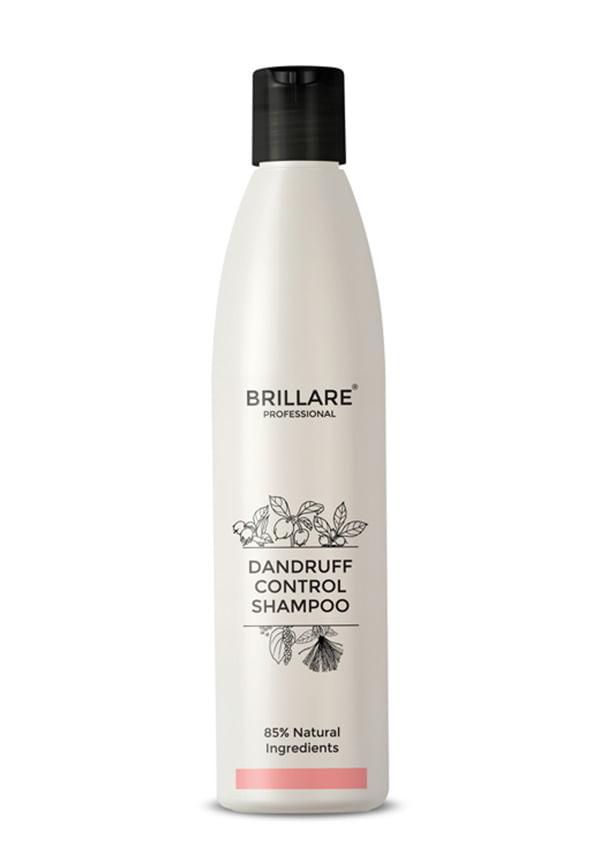
Dandruff Control Shampoo For Itchy, Flaky Scalp
When your scalp is crying out for help, you need solutions that work fast. The good news? You probably have some effective scalp hydration ingredients sitting in your kitchen right now.
Coconut oil is your best friend for immediate relief. Warm a small amount between your palms and gently massage it into your scalp. Leave it on for at least 30 minutes before washing—or overnight if you can handle the pillow situation. Jojoba oil works brilliantly too because it's closest to your scalp's natural sebum, so it absorbs quickly without leaving you greasy.
For instant itch relief, try an aloe vera gel mask. Fresh aloe is ideal, but store-bought works too. Apply it directly to your scalp, leave for 20 minutes, then rinse with cool water. The cooling effect calms irritation while the natural enzymes help restore your scalp's pH balance.
Here's a pro tip for hair dryness solutions: change how you dry your hair. Skip the hot air and use the cool setting on your blow dryer, or better yet, let your hair air dry. Hot air strips moisture from both your hair and scalp, making dryness worse. Pat your hair with a microfibre towel instead of rubbing—it's gentler and reduces friction that can irritate an already sensitive scalp.
Your regular haircare routine might not cut it during monsoon season. This is where strategic scalp care tips come into play, along with some product swaps that actually make sense for the weather.
First up: rethink your shampoo game. Look for an anti-itch shampoo that's specifically formulated for sensitive or dry scalps. Ingredients like tea tree oil, salicylic acid, or zinc pyrithione can help with both itching and any mild dandruff control needs. But here's the thing—don't overdo it. Washing every other day is usually enough during monsoon, unless your hair gets properly soaked in the rain.
Conditioner becomes non-negotiable, but apply it smartly. Focus on mid-lengths to ends, and use a lightweight, hydrating formula that won't weigh your hair down in the humidity. If your scalp is really dry, try applying a tiny amount of conditioner to your scalp once a week—just don't make it a daily habit.
For haircare for humidity, consider adding a scalp serum or treatment to your routine. These are usually lighter than oils but more targeted than regular conditioners. Look for ingredients like hyaluronic acid, niacinamide, or ceramides that help lock in moisture without creating buildup.
Quick fixes are great, but if you want to prevent monsoon scalp drama year after year, you need to think bigger picture. This means looking at everything from what you eat to how you protect your hair from the elements.
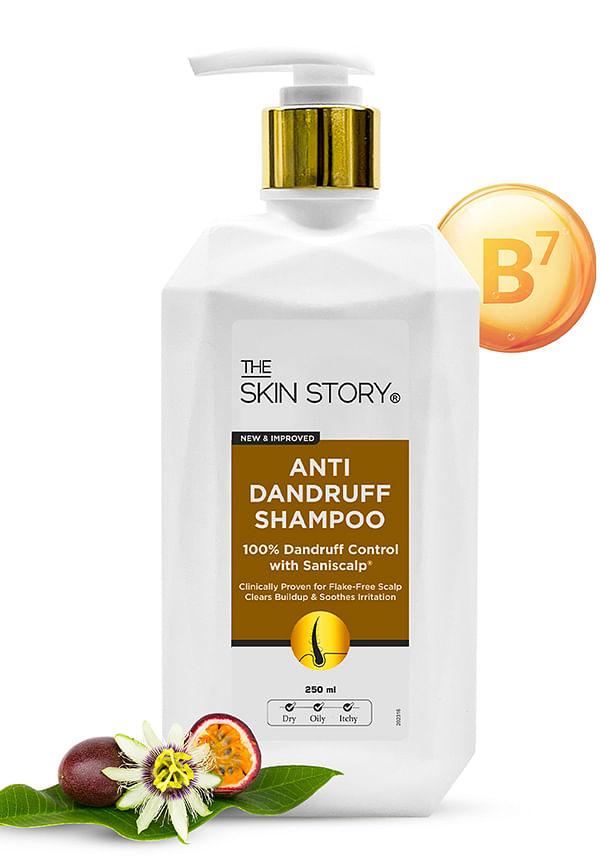
Anti Dandruff Shampoo For Oily Dry Itchy Scalp With Saniscalp
Your diet plays a huge role in scalp health. Omega-3 fatty acids from fish, walnuts, or flaxseeds help maintain your scalp's natural oil barrier. B vitamins, especially biotin and niacin, support healthy skin cell turnover. Zinc helps regulate oil production—you'll find it in pumpkin seeds, chickpeas, and lean meats.
Hydration isn't just about what you put on your scalp; it's about what you put in your body too. During monsoon, it's easy to forget about drinking enough water because you're not feeling as thirsty. But your scalp needs that internal moisture to function properly.
Consider your environment as well. If you're constantly moving between humid outdoor air and dry, air-conditioned spaces, your scalp is working overtime to adapt. Try to minimise these extreme transitions when possible, and consider using a humidifier in your bedroom to maintain consistent moisture levels while you sleep.
Start with a clarifying shampoo to remove any buildup, then switch to an anti-dandruff formula with zinc pyrithione or ketoconazole. Wash every other day for the first week, then reduce to 2-3 times weekly. Add a scalp scrub once a week to gently exfoliate dead skin cells. Most importantly, stick to the routine for at least 4-6 weeks to see real results—dandruff control takes patience.
Absolutely. The combination of high humidity, temperature fluctuations, and increased washing frequency disrupts your scalp's natural balance. Pollutants in rainwater can also trigger irritation. Your scalp's oil production gets confused by the changing environment, leading to dryness and itching. It's basically your scalp's way of saying it's stressed out by all the weather changes.
Yes, especially in urban areas. Rainwater picks up pollutants, chemicals, and acidic compounds as it falls through the atmosphere. These can strip your scalp's natural protective oils and cause irritation. If you get caught in the rain, rinse your hair with clean water as soon as possible. Don't let rainwater sit on your scalp for hours—it's not the pure, natural water you might think it is.
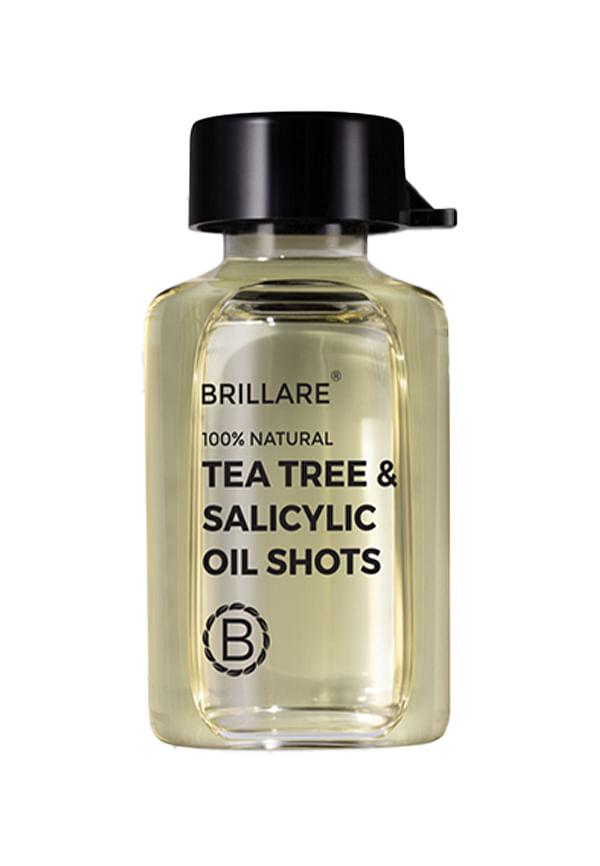
Tea Tree & Salicylic Oil Shots For Dry, Itchy Scalp to Fights Dandruff
Dry scalp produces small, white, powdery flakes and feels tight or itchy, especially after washing. Dandruff creates larger, yellowish, oily flakes with more intense itching that doesn't improve after shampooing. During monsoon, dry scalp is more common due to environmental stress, while dandruff might actually improve slightly because of the humidity—unless you're overwashing, which can trigger both conditions.
Every other day is usually the sweet spot. Daily washing strips too much natural oil, making dryness worse. But going too long between washes allows sweat, humidity, and pollutants to build up, which can also irritate your scalp. Pay attention to how your scalp feels—if it's getting itchy or tight by day two, you might need to wash more frequently. If it feels fine, you can stretch it to every third day.
Both have their place. Natural oils like coconut, jojoba, and argan are excellent for deep conditioning and immediate relief. They're especially good for overnight treatments. However, commercial products often contain targeted ingredients like salicylic acid or tea tree oil that can address specific issues like fungal growth or excessive buildup. The best approach is usually a combination—use oils for weekly deep treatments and commercial products for daily maintenance.
This is the monsoon paradox. High humidity doesn't actually moisturise your scalp—it just makes the air feel wet. In fact, humidity can create a barrier that prevents your scalp from breathing properly. Plus, you're probably washing your hair more often to deal with the stickiness and sweat, which strips natural oils. The constant temperature changes between indoor and outdoor environments also stress your scalp's oil production system.
Monsoon dry scalp is real, and it's more common than you might think. The key is understanding that humidity doesn't equal hydration for your scalp. Focus on gentle, consistent care rather than harsh treatments that might make things worse.
Your scalp care routine needs to adapt to the season. This means switching to milder shampoos, incorporating scalp-specific treatments, and being mindful of how often you wash. Remember, what works for your friend might not work for you—scalp care is pretty personal.
Don't ignore the role of diet and overall health in scalp wellness. Sometimes the best scalp hydration comes from the inside out. And if your symptoms persist despite trying these approaches, it's worth chatting with a dermatologist to rule out any underlying conditions.
Looking to experiment with different scalp care products without committing to full sizes? Smytten offers trial-size versions of many scalp treatments and specialised shampoos—a smart way to find what works for your specific monsoon scalp needs before investing in the full bottle.
