Monsoon Dandruff Itch FAQ: Your Scalp Irritation Relief Questions Answered

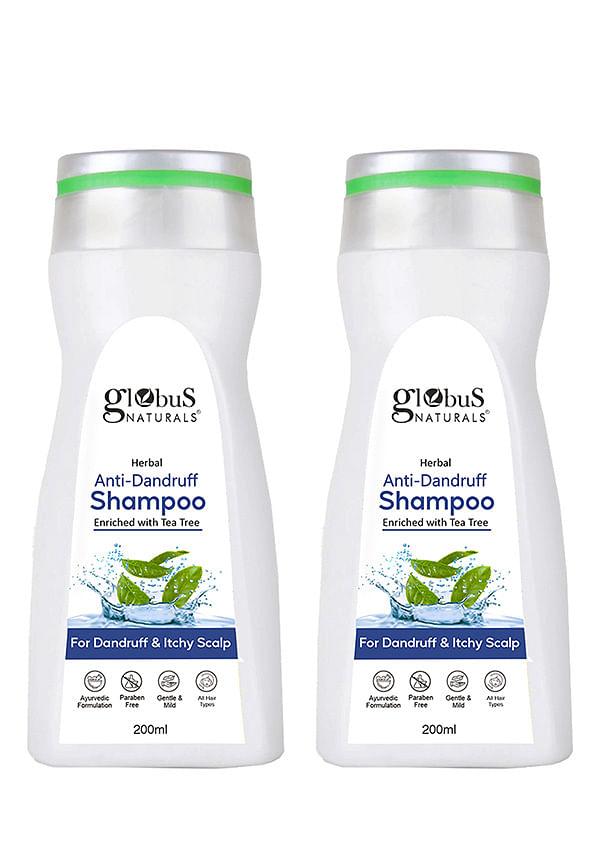
Anti Dandruff Shampoo, For Dandruff and Itchy Scalp
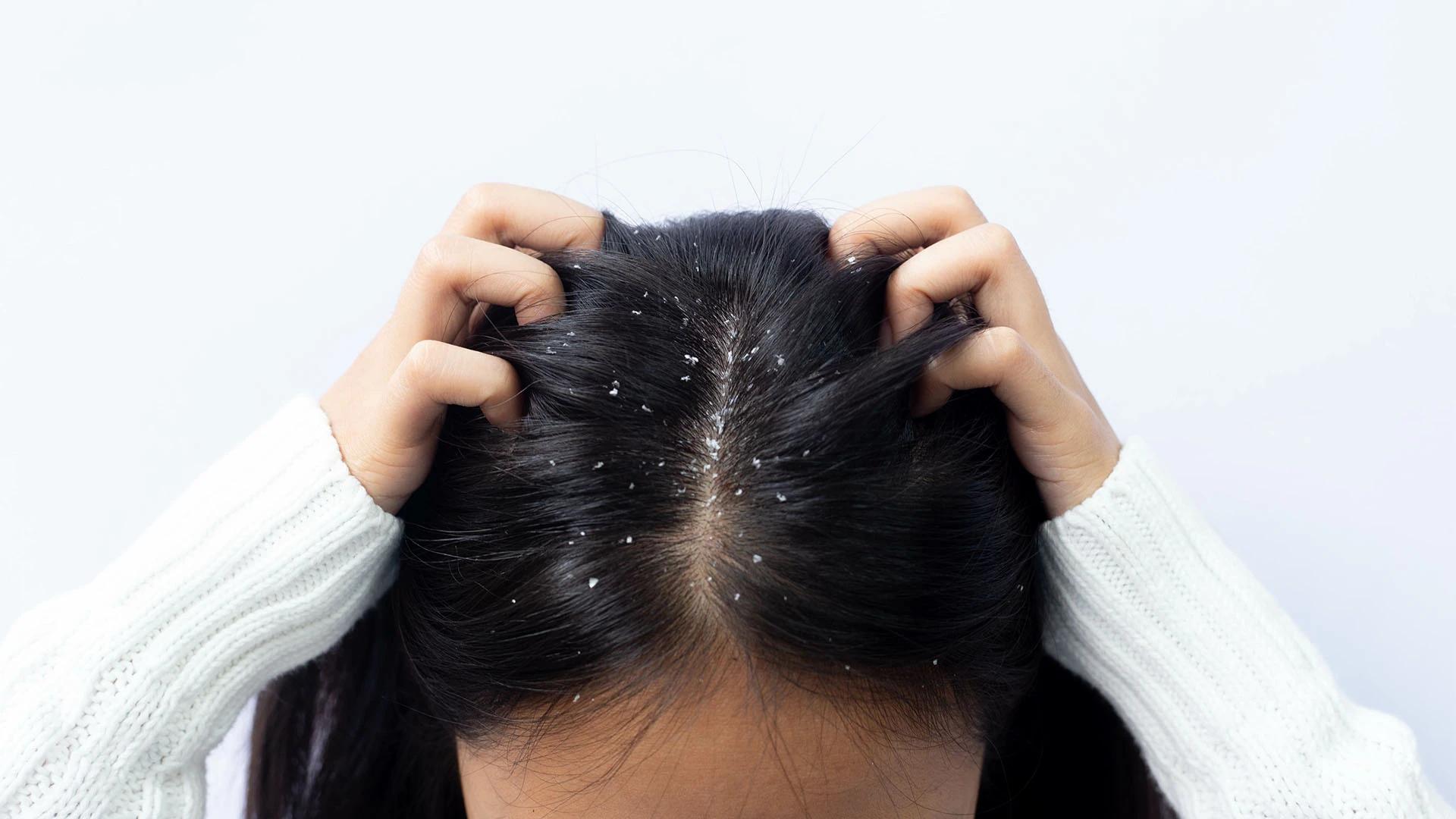
Picture this: you're caught in a sudden downpour, and by the time you reach home, your scalp feels like it's hosting a tiny army of ants. The next morning, you wake up to white flakes on your pillow and an irresistible urge to scratch. Sound familiar? You're not alone in this monsoon madness. The rainy season brings its own set of scalp challenges, and that persistent monsoon dandruff itch can turn your hair days from good to absolutely maddening. Let's dive into everything you need to know about tackling this seasonal scalp situation.
Real talk — monsoons and scalp health have a complicated relationship. The increased humidity creates the perfect storm for scalp irritation relief to become your top priority. When moisture levels spike, your scalp becomes a breeding ground for Malassezia, a yeast-like fungus that absolutely loves damp conditions. This little troublemaker feeds on the natural oils your scalp produces, and during monsoons, oil production goes into overdrive thanks to the humidity.
The science behind it is pretty straightforward. High humidity levels make your scalp sweat more, creating an environment where fungi and bacteria thrive. Add polluted rainwater to the mix, and you've got a recipe for scalp chaos. The combination of excess moisture, increased sebum production, and environmental pollutants creates the perfect conditions for that annoying monsoon dandruff itch to take hold.
Your scalp's natural barrier gets compromised when exposed to constant humidity changes. The moisture in the air doesn't just affect your hair's texture — it actually alters your scalp's pH balance. This shift makes it easier for harmful microorganisms to multiply, leading to inflammation and that persistent itching sensation that makes you want to scratch your head constantly.
Monsoon air carries more than just water vapour. Pollutants, dust, and other irritants get trapped in the humid atmosphere and settle on your scalp. When combined with sweat and natural oils, these particles can clog hair follicles and create an ideal environment for bacterial growth, making scalp health a real challenge during the rainy season.
Not all scalp irritation is created equal, and understanding what you're dealing with is half the battle won. Monsoon hair care starts with proper identification of your specific scalp condition. The itchy scalp causes during rainy season can range from simple dryness to more complex fungal infections, and each requires a different approach.
Dry dandruff shows up as small, white, powdery flakes that fall easily from your hair. These flakes are usually accompanied by tightness and mild itching. On the flip side, oily dandruff presents as larger, yellowish, greasy scales that stick to your scalp and hair. This type often comes with more intense itching and can have a slightly unpleasant odour.
Some symptoms need immediate attention. If you notice red, inflamed patches, excessive hair fall along with dandruff, or if the itching becomes so intense that it disrupts your sleep, it's time to consider professional help. These could be signs of seborrheic dermatitis or other scalp conditions that need targeted treatment.
Hair fungus treatment becomes necessary when you spot circular patches of hair loss, scaling that looks different from regular dandruff, or if the affected areas feel tender to touch. Fungal infections thrive in monsoon conditions and require specific antifungal approaches rather than regular dandruff treatments.
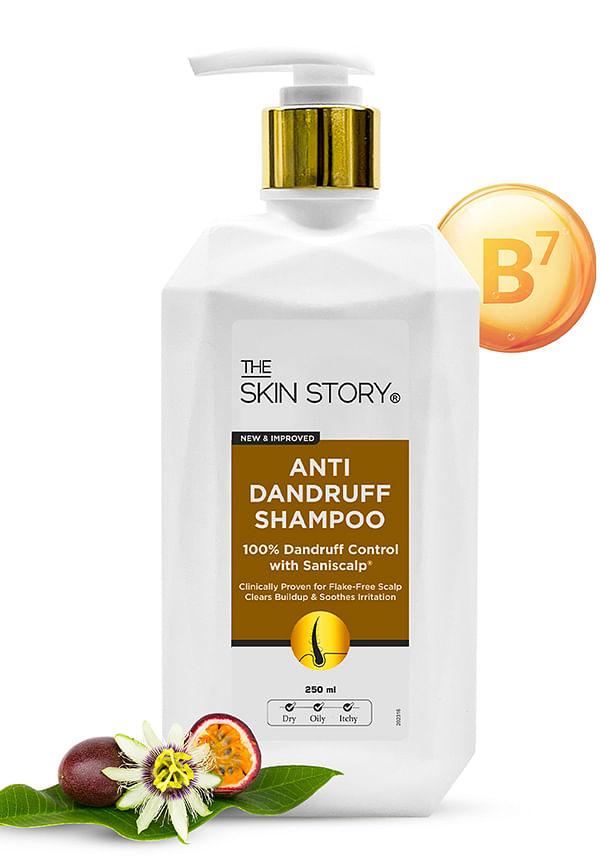
Anti Dandruff Shampoo For Oily Dry Itchy Scalp With Saniscalp
When your scalp is screaming for relief, you need solutions that work fast. The good news is that effective itchy scalp remedy options are probably sitting in your kitchen right now. These natural approaches can provide immediate comfort while you work on longer-term scalp health solutions.
Tea tree oil deserves a special mention here. This natural antifungal powerhouse can provide almost instant relief from monsoon dandruff itch. Mix a few drops with a carrier oil like coconut or jojoba, massage gently into your scalp, and leave it on for 20 minutes before washing. The cooling sensation and antifungal properties work together to calm irritated skin and reduce fungal activity.
Aloe vera gel straight from the plant (or a pure store-bought version) can soothe inflamed scalp skin within minutes. Its anti-inflammatory properties help reduce redness and itching while providing much-needed moisture to dry, irritated areas. Apply it directly to affected areas and leave it on for 15-20 minutes before rinsing.
Lemon juice mixed with water can help restore your scalp's natural pH balance, creating an environment that's less hospitable to fungal growth. The citric acid also helps remove dead skin cells and excess oil, providing relief from both itching and flaking. Use this as a final rinse after shampooing for best results.
The anti-dandruff shampoo aisle can feel overwhelming, especially when your scalp is already irritated and you just want something that works. Understanding active ingredients is your secret weapon for making the right choice. Different ingredients target different aspects of dandruff and scalp irritation, so knowing what you're dealing with helps narrow down your options.
Ketoconazole is the heavy hitter for fungal-related dandruff. This antifungal ingredient directly targets the Malassezia yeast that causes most dandruff cases. Zinc pyrithione works differently — it slows down skin cell turnover and has antimicrobial properties that help control both bacteria and fungi. Selenium sulfide is particularly effective for stubborn, oily dandruff and helps reduce the rate at which your scalp sheds skin cells.
If you have an oily scalp, look for shampoos with salicylic acid or selenium sulfide. These ingredients help cut through excess oil while treating the underlying fungal issues. For dry scalp solutions, choose formulations with zinc pyrithione combined with moisturising ingredients like glycerin or natural oils.
Those with sensitive skin should start with milder formulations containing tea tree oil or zinc pyrithione. Avoid shampoos with strong fragrances or harsh sulfates, as these can further irritate already compromised scalp skin. Look for products labelled as gentle or suitable for sensitive scalp.
Effective haircare tips for humidity go beyond just using the right products — it's about creating a routine that works with the weather, not against it. During monsoons, your usual hair care routine might need some tweaking to address the unique challenges that come with increased moisture and humidity.
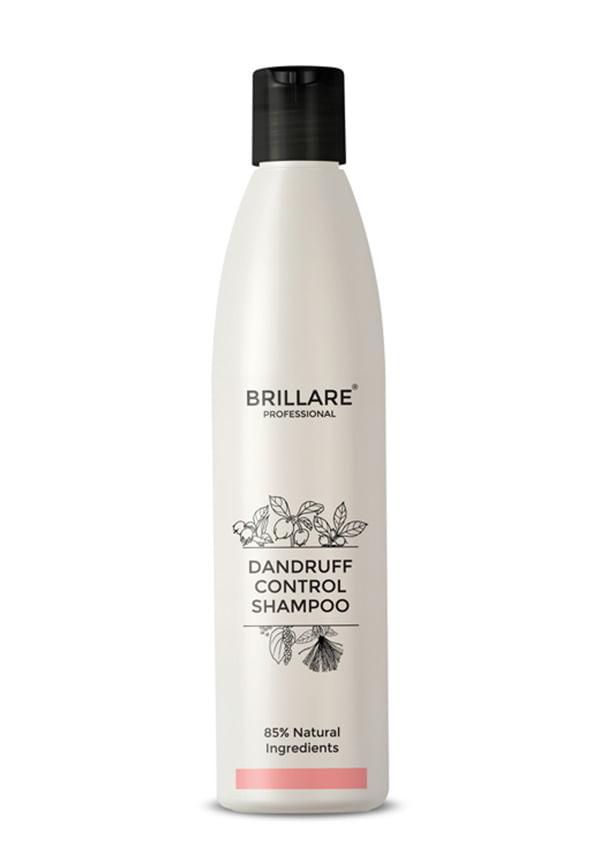
Dandruff Control Shampoo For Itchy, Flaky Scalp
The frequency of washing becomes crucial during rainy season. While you might normally wash your hair every other day, monsoon conditions might require daily cleansing if you have an oily scalp or if you get caught in the rain frequently. However, over-washing can strip your scalp of natural oils, leading to increased oil production as your scalp tries to compensate.
Never underestimate the importance of thoroughly drying your hair and scalp after washing. Damp hair creates the perfect environment for fungal growth, especially in humid conditions. Use a blow dryer on a cool setting if needed, but make sure your scalp is completely dry before stepping out or going to bed.
Apply any leave-in treatments or oils when your hair is slightly damp but not wet. This helps with absorption while preventing the heavy, greasy feeling that can attract more dirt and pollutants during monsoon weather. Avoid applying products directly to the scalp unless specifically designed for scalp treatment.
Prevention is always better than cure, especially when it comes to recurring monsoon scalp issues. Building a routine that strengthens your scalp's natural defenses can help you sail through rainy seasons without the constant battle against dandruff and itching.
Start preparing your scalp before monsoon season hits. A weekly clarifying treatment using a gentle exfoliating shampoo can help remove buildup and dead skin cells that might become problematic once humidity increases. This creates a clean slate for your scalp to better handle the challenges ahead.
Managing indoor humidity levels can significantly impact your scalp health. Use a dehumidifier in your bedroom if possible, and ensure good ventilation in areas where you spend most of your time. This helps prevent the constant exposure to high humidity that can exacerbate scalp issues.
Your diet plays a bigger role in scalp health than you might think. Foods rich in zinc, omega-3 fatty acids, and B vitamins can help strengthen your scalp's natural barrier function. Include nuts, seeds, fatty fish, and leafy greens in your diet to support healthy scalp function from the inside out.
Most people notice some improvement within 2-3 days of starting a proper dandruff treatment routine. However, complete resolution typically takes 2-4 weeks of consistent treatment. Natural remedies like tea tree oil can provide immediate soothing relief, while medicated shampoos need time to address the underlying fungal causes. The key is consistency — stick with your chosen treatment for at least two weeks before deciding if it's working for you.
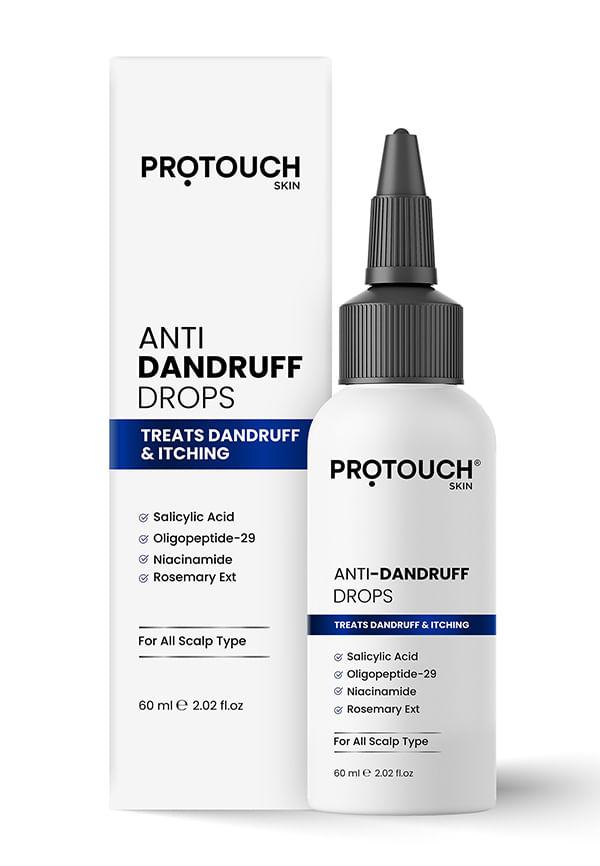
SKIN Anti Dandruff Drops Serum Soothes Itchy, Inflamed Scalp
Absolutely. The increased humidity during monsoons creates ideal conditions for the Malassezia fungus that causes dandruff to multiply rapidly. Your scalp also produces more oil during humid weather, providing additional food for these microorganisms. This seasonal increase in dandruff is completely normal and affects millions of people across India during the rainy months.
Yes, but timing matters. Use natural remedies like aloe vera or tea tree oil treatments on days when you're not using medicated shampoo to avoid over-treating your scalp. If you're using a strong antifungal shampoo, limit it to 2-3 times per week and use gentle, natural treatments on alternate days. Always patch test new combinations to ensure your scalp doesn't become irritated.
This depends on your scalp type and severity of dandruff. For oily scalps with active dandruff, daily washing with a gentle, anti-dandruff shampoo might be necessary. Those with dry scalp should limit washing to every other day or 3 times per week. The goal is to keep your scalp clean without over-stripping natural oils that protect against irritation.
Consult a dermatologist if you experience severe itching that disrupts sleep, red and inflamed patches that don't improve with over-the-counter treatments, significant hair loss along with dandruff, or if symptoms persist after 4-6 weeks of consistent treatment. These could indicate conditions like seborrheic dermatitis or scalp psoriasis that need professional medical attention.
Not necessarily. The effectiveness of an anti-dandruff shampoo depends on its active ingredients, not its price tag. A budget shampoo with 2% ketoconazole can be more effective than an expensive one with milder ingredients. Focus on finding the right active ingredient for your specific type of dandruff rather than the brand name or price point.
Monsoon dandruff itself rarely causes permanent damage, but the constant scratching it triggers can lead to hair breakage and temporary hair loss. Severe, untreated fungal infections might cause some lasting damage to hair follicles, but this is uncommon. Most monsoon-related scalp issues resolve completely with proper treatment, and any hair loss is typically temporary.
Natural remedies can be very effective for mild to moderate dandruff and provide excellent relief from itching and inflammation. However, severe fungal infections or persistent dandruff often require the stronger antifungal action that only medicated treatments can provide. Many people find success combining both approaches — using natural remedies for daily maintenance and medicated treatments for active flare-ups.
Dealing with monsoon dandruff itch doesn't have to be a losing battle. Understanding that this seasonal challenge is completely normal helps you approach it with the right mindset and tools. The combination of proper identification, targeted treatment, and consistent care can help you maintain healthy scalp conditions even during the most humid months.
Remember that what works for your friend might not work for you — scalp health is highly individual. Don't be afraid to experiment with different approaches until you find your perfect combination. Whether it's a specific anti-dandruff shampoo, a natural remedy routine, or a mix of both, the key is consistency and patience.
The most important thing is to start treatment early rather than waiting for the problem to worsen. A proactive approach to monsoon hair care can save you weeks of discomfort and help you enjoy the rainy season without constantly worrying about your scalp. If you're unsure about which products might work best for your specific scalp concerns, Smytten offers trial-size versions of many anti-dandruff and scalp care products — a smart way to test different formulations before committing to full-size bottles.
