Moisturizing Shampoo for Frizzy Hair FAQ: Your Questions Answered

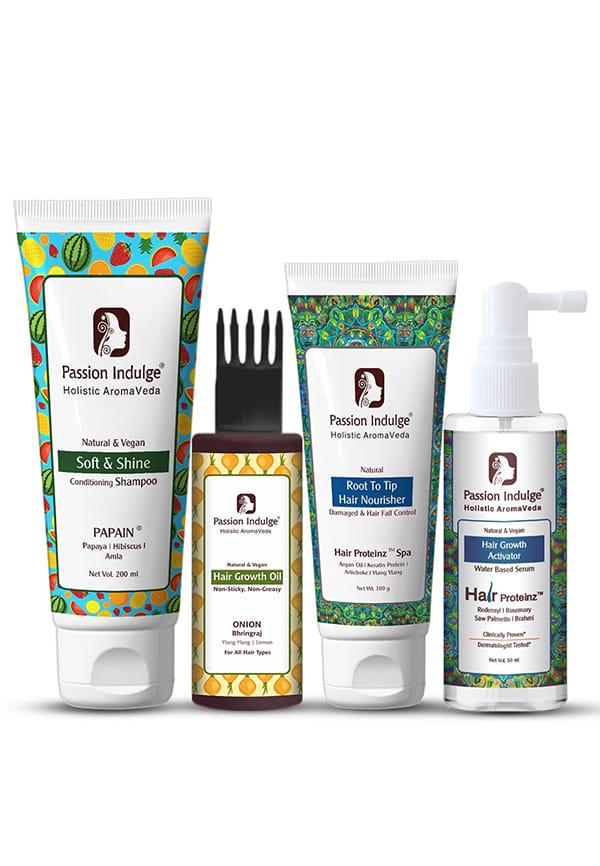
Onion Hair oil, Rosemary Hair Growth Serum, Hair Spa Protein Booster & Papain Shampoo
Frizzy hair can feel like an endless battle, especially when humidity hits or your hair decides to have its own agenda. If you've been scrolling through endless product reviews wondering whether a moisturising shampoo for frizzy hair is actually worth the hype, you're not alone. The truth is, finding the right hydrating shampoo can be a game-changer for taming those rebellious strands, but it's not always straightforward. With so many anti-frizz shampoo options claiming to be the ultimate solution, it's easy to feel overwhelmed. That's where platforms like Smytten come in handy—letting you trial different formulas before committing to full-size bottles. Let's dive into the most common questions about moisturising shampoos and get you the answers you need to make your hair behave.
Moisturising shampoo for frizzy hair works by infusing hydration into dry strands and sealing the hair cuticle to prevent moisture loss
Key ingredients like hyaluronic acid, argan oil, and keratin protein are your best friends for frizz control
Different hair types need different approaches—fine hair needs lightweight formulas whilst thick hair can handle richer treatments
Proper application technique and washing frequency matter just as much as the product you choose
Results typically show within 2-4 weeks of consistent use with the right formula
Let's be real—frizz happens when your hair is basically crying out for moisture. A moisturising shampoo for frizzy hair is specifically formulated to address this by delivering hydration whilst gently cleansing your scalp. Unlike regular shampoos that can strip natural oils, these formulas contain humectants and emollients that actually add moisture back into your strands.
The science behind frizz is pretty straightforward. When your hair cuticles are raised or damaged, moisture escapes and humidity gets in, causing those annoying flyaways and that general "I stuck my finger in an electrical socket" vibe. A good hydrating shampoo works by smoothing down these cuticles and creating a protective barrier that locks moisture in and keeps humidity out.
Most moisture shampoo formulas contain ingredients that are smaller molecules, allowing them to penetrate the hair shaft rather than just sitting on the surface. This means you're getting hydration from the inside out, not just a temporary fix. The key difference between regular and moisturising shampoos is that the latter focuses on adding moisture whilst cleansing, rather than just removing dirt and oil.
As for timeline expectations, don't expect miracles overnight. Most people start seeing noticeable improvements in frizz control after 2-3 weeks of consistent use. Your hair needs time to absorb the moisture and repair itself, so patience is definitely your friend here.
Not all anti-frizz shampoo formulas are created equal, and the ingredients list is where the magic really happens. Understanding what to look for can save you from wasting money on products that promise the world but deliver disappointment.
Here are the superstar ingredients that actually make a difference in frizz control shampoo:
Hyaluronic acid: This isn't just for skincare anymore. It can hold up to 1,000 times its weight in water, making it incredible for deep hydration
Argan oil: Rich in vitamin E and fatty acids, it smooths the hair cuticle and adds serious shine without weighing hair down
Coconut milk: Natural proteins and fats that penetrate the hair shaft for long-lasting moisture retention
Keratin protein: Helps repair damaged cuticles and strengthens hair structure from within
Glycerin: A humectant that draws moisture from the air into your hair (but can backfire in very humid conditions)
Shea butter: Provides deep conditioning without the heavy, greasy feeling
On the flip side, there are ingredients you'll want to dodge. Sulfates like sodium lauryl sulfate can be too harsh and strip natural oils. Parabens and high concentrations of alcohol can also dry out your hair, making frizz worse rather than better.
Here's where things get interesting—the best shampoo for frizzy hair isn't a one-size-fits-all situation. Your hair type, texture, and specific concerns all play a role in finding your perfect match.
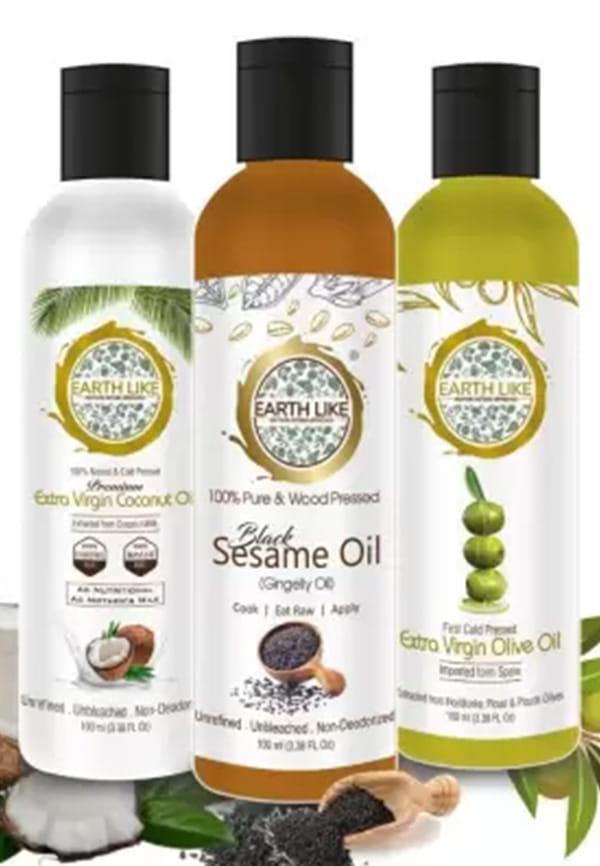
Pure Olive Oil, Coconut Oil & Black Sesame Oil Combo for Hair & Skin Care
Refreshing and Easy to Apply
 5
5“so refreshing easy to apply..must try this product”
Good, Pure Product
4“very good product and pure also.”
Easy Application, Good Absorption
5“loved it easy to apply and good absorption”
If you've got fine hair that's prone to frizz, you need a delicate balance. Look for lightweight hydrating shampoo formulas that won't weigh your hair down. Ingredients like rice protein and lightweight oils work brilliantly here.
Your hair can handle richer formulations, so don't be afraid of shampoo for dry frizzy hair that contains heavier moisturising ingredients. Shea butter, coconut oil, and deeper conditioning agents will be your best friends.
Curly hair has its own rulebook. A shampoo for curly frizzy hair should be sulfate-free and contain curl-enhancing ingredients like aloe vera and flaxseed extract. These help define your natural curl pattern whilst controlling frizz.
Chemical processing makes hair more porous and prone to frizz. Look for colour-safe smoothing shampoo formulas with UV protection and gentle cleansing agents that won't fade your colour whilst addressing frizz concerns.
Even the best frizz taming shampoo won't work miracles if you're not using it correctly. The way you wash, rinse, and follow up makes a huge difference in your results.
Proper application starts with water temperature—lukewarm is your sweet spot. Hot water opens the cuticles too much, leading to moisture loss, whilst cold water doesn't cleanse effectively.
Focus the shampoo on your scalp, not your hair ends. Your scalp produces the oils and collects the dirt, so that's where the cleaning action needs to happen. Gently massage for about 30 seconds, then let the suds rinse through your lengths.
This depends on your hair type and lifestyle. Fine hair might need daily washing with a gentle formula, whilst thick, coarse hair often benefits from every other day or even twice weekly washing. Pay attention to how your hair feels and adjust accordingly.
Your moisturising shampoo is just the beginning. Always follow with a matching conditioner, focusing on mid-lengths to ends. Consider adding a weekly deep conditioning treatment and a leave-in product for extra frizz protection.
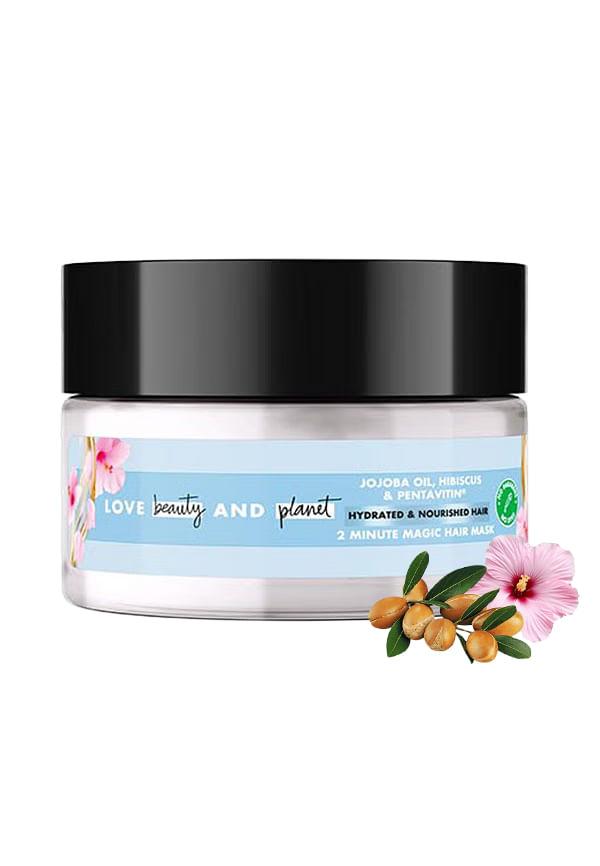
Jojoba oil , Hibiscus & Pentavitin Hydrate & Nourish Hair Mask
Hair Mask Works
5“first time using this one hair mask and it also works”
Hair Mask Works
5“first time using this one hair mask and it also works”
Good Product, Go For It
5“like the product just go for it.”
Sometimes the problem isn't your shampoo—it's how you're treating your hair overall. These common mistakes can sabotage even the best moisture shampoo efforts.
Over-washing is probably the biggest culprit. Washing daily with harsh formulas strips your hair's natural protective oils, leading to increased frizz and dryness. Your scalp then overcompensates by producing more oil, creating a vicious cycle.
Using water that's too hot is another major mistake. It might feel relaxing, but it's essentially cooking your hair cuticles, making them more prone to lifting and creating frizz. Stick to lukewarm water for washing and finish with a cool rinse to seal the cuticles.
Rough towel drying is like giving your hair a static electricity treatment. Instead, gently squeeze out excess water with a microfibre towel or even a cotton t-shirt. The smoother surface creates less friction and reduces frizz formation.
Product buildup from using too many heavy treatments can also backfire. Your hair becomes coated and can't absorb moisture properly, leading to dull, frizzy results despite your best efforts.
The best hydrating shampoo for frizzy and dry hair contains moisture-binding ingredients like hyaluronic acid, natural oils, and proteins. Look for sulfate-free formulas that cleanse gently whilst adding hydration. Budget-friendly options from drugstore brands can work just as well as premium products if they contain the right ingredients. The key is finding a formula that matches your specific hair porosity and texture needs.
The best moisturising shampoo for frizzy hair depends on your individual hair type, but quality formulas share common characteristics. They should contain humectants to draw moisture in, emollients to smooth the cuticle, and proteins to strengthen hair structure. Avoid anything with harsh sulfates or high alcohol content. Trial-sized versions available on Smytten let you test different formulas before committing to full-size bottles.
Absolutely, but with realistic expectations. Scientific studies show that properly formulated moisture shampoos can reduce frizz by up to 70% over 4-6 weeks of consistent use. The key is addressing the root cause—lack of moisture and damaged cuticles. However, environmental factors like humidity will still affect your hair, so think of moisturising shampoo as part of a comprehensive frizz management strategy rather than a magic bullet.
No single shampoo can completely "stop" frizzy hair because frizz is influenced by genetics, environment, and hair health. However, anti-frizz shampoo formulas with keratin, argan oil, and moisture-sealing ingredients can significantly reduce frizz formation. The most effective approach combines the right shampoo with proper application technique, suitable conditioning treatments, and protective styling methods.
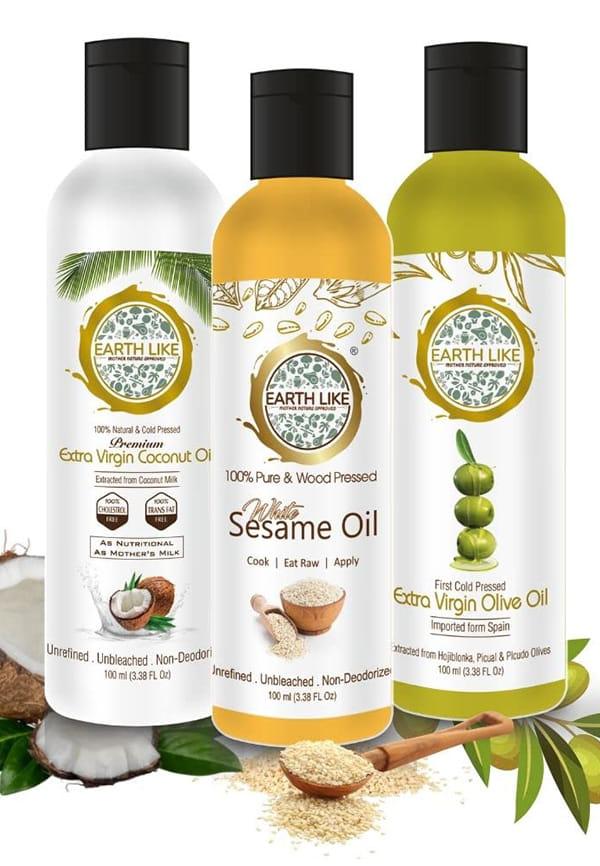
Pure Olive Oil, Coconut Oil & White Sesame Oil Combo for Hair & Skin Care
Good Product, Recommended
5“nice product I have shared this product with my friends and family”
Great Value
5“good combo and at good price, Igot”
Excellent Oil Blend
5“very good combination of all the healthy oils.”
This varies by hair type and lifestyle. Fine hair typically needs washing every 1-2 days with a lightweight formula, whilst thick, coarse hair can go 2-3 days between washes with richer formulations. Signs you're over-washing include increased oiliness, scalp irritation, or paradoxically more frizz. Under-washing shows up as scalp buildup, dullness, or an itchy scalp.
Yes, if you choose the wrong formula for your hair type or use too much product. Fine hair can become weighed down by heavy moisturising ingredients, whilst thick hair might need those richer formulas. Start with a small amount and adjust based on how your hair responds. If your hair feels greasy, try using less product or switching to a lighter formula designed for your hair density.
Generally, yes. Sulfate-free formulas are gentler and less likely to strip natural oils that help control frizz. However, they clean differently than traditional shampoos, so there's often a 2-3 week transition period where your hair and scalp adjust. Some people with very oily scalps might need occasional clarifying with a gentle sulfate shampoo, but most frizzy hair types benefit from sulfate-free options.
Beyond choosing the right smoothing shampoo, long-term frizz control requires a holistic approach. Professional stylists recommend thinking of frizz management as a lifestyle rather than just a product choice.
Environmental protection plays a huge role in maintaining smooth hair. Humidity is frizz's best friend, so consider using anti-humidity products during monsoon season or in tropical climates. Air conditioning and heating can also affect your hair's moisture levels, so adjust your routine seasonally.
How you dry and style your hair matters just as much as what you wash it with. Air-drying with scrunching motions helps enhance natural texture whilst minimising frizz. If you must use heat, always apply a heat protectant and use the lowest effective temperature.
Your diet and hydration levels affect hair health from the inside out. Omega-3 fatty acids, biotin, and adequate water intake all contribute to healthier, more manageable hair. Stress management also plays a role—chronic stress can affect hair texture and growth patterns.
Sleep habits matter too. Silk or satin pillowcases create less friction than cotton, reducing overnight frizz formation. Consider protective hairstyles like loose braids or silk scrunchies to minimise tangles and breakage whilst you sleep.
Finding the right moisturising shampoo for frizzy hair is definitely a journey, not a destination. The key is understanding your specific hair type and needs, then choosing products with proven ingredients like hyaluronic acid, natural oils, and proteins. Remember that consistency matters more than perfection—using the right formula regularly will give you better results than switching products constantly.
Don't forget that your shampoo is just one part of the equation. Proper application technique, suitable conditioning treatments, and protective styling all contribute to frizz control. Be patient with the process—most people see significant improvements within 3-4 weeks of consistent use with the right products.
Most importantly, realistic expectations will save you frustration. Even the best frizz control shampoo won't eliminate all frizz, especially in humid conditions or if you have naturally textured hair. The goal is manageable, healthy hair that looks and feels its best, not perfection.
Navigating the world of haircare for frizzy hair doesn't have to feel overwhelming when you have the right resources. Smytten is India's largest product discovery and trial platform, connecting you with top lifestyle, beauty, wellness, and grooming brands through curated trial packs from over 2,400 trusted brands. This try before you buy approach is perfect for finding your ideal moisturising shampoo without the commitment of full-size purchases. With trial packs available for just ₹279 and 100% cashback on trials redeemable for future orders, you can explore different formulas until you find your perfect match. After all, why settle for 'maybe' when you can #TryItAll and discover what actually works for your unique hair needs!
