Milk Protein Shampoo FAQ: Common Questions Answered


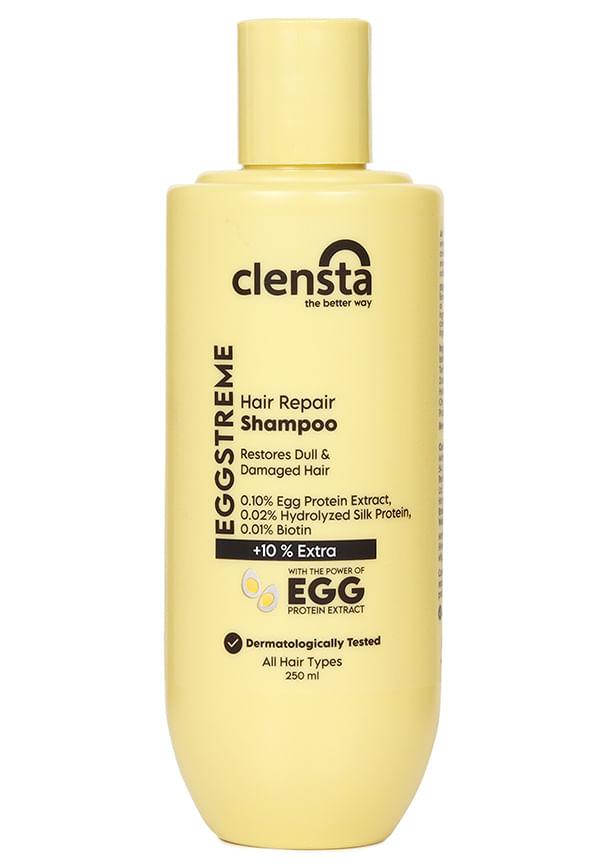
Eggstreme Hair Repair Shampoo With Egg Protein, Biotin & Hydrolyzed Silk Protein
Shiny, frizz-free hair
 4
4“no frizzy hair and fresh and shines”
Good product, recommended
4“product is so good I will recommend to my friends and family.”
Good Product, Recommended
4“product is so good I will recommend to my friends and family.”
Ever wondered if milk protein shampoo is actually worth the hype? You're not alone. With so many protein-packed haircare options flooding the market, it's totally normal to feel a bit confused about what works and what's just clever marketing. Milk protein shampoo has been making waves in the beauty world, promising stronger, healthier hair through the power of whey and casein proteins. But here's the thing—not all protein shampoos are created equal, and what works for your mate might not be your kind of pick. Whether you're dealing with damaged strands, looking for a hair strengthening shampoo, or just curious about natural protein alternatives, we've got you covered. At Smytten, we know how overwhelming it can be to choose the right haircare products, which is why we're breaking down everything you need to know about milk protein shampoos. From understanding the science behind these formulations to figuring out if they're right for your hair type, let's dive into the most common questions and get you the answers you've been searching for.
Milk protein shampoo contains whey and casein proteins that strengthen and repair damaged hair by filling in gaps in the hair shaft
Best suited for damaged, chemically treated, or weak hair that needs protein reinforcement
Different from keratin protein shampoo in molecular size and penetration method
Can cause protein overload if used too frequently—balance with moisturising treatments
Natural protein option that's gentler than synthetic alternatives but still effective for hair repair
Let's start with the basics—milk protein shampoo is exactly what it sounds like. It's a cleansing formula that's been supercharged with proteins derived from milk, specifically whey protein and casein protein. These aren't just fancy names thrown around for marketing; they're actual powerhouse ingredients that your hair can seriously benefit from.
Here's where it gets interesting: whey protein shampoo works differently from your regular cleansing routine. Whey proteins are smaller molecules that can actually penetrate the hair shaft, whilst casein proteins form a protective film on the hair's surface. Think of it like giving your strands a double dose of TLC—internal repair and external protection all in one go.
When your hair gets damaged from heat styling, chemical treatments, or just everyday wear and tear, tiny gaps form in the hair shaft. Milk proteins are brilliant at filling these gaps, essentially patching up your strands from the inside out. The amino acids in milk proteins mirror those naturally found in hair, making them incredibly compatible with your hair's structure.
Regular shampoos focus mainly on cleansing, whilst protein-enriched formulas multitask. They cleanse, repair, and strengthen simultaneously. The key difference lies in the molecular structure—milk proteins can actually bond with damaged areas of your hair, creating a temporary but effective repair system.
Real talk—milk protein shampoo can be a game-changer for the right hair type. But like any good thing, it's all about understanding what it brings to the table and whether that matches what your hair actually needs.
The benefits are pretty impressive when you break them down. First up, it's brilliant for strengthening weak and brittle hair strands. If your hair snaps easily or feels fragile, the proteins work to reinforce the hair shaft, making it more resilient to daily styling and environmental stressors.
One of the biggest wins with hair strengthening shampoo is how it tackles breakage. The proteins help seal the hair cuticle, reducing the likelihood of split ends forming and preventing existing damage from travelling up the hair shaft.
Contrary to what some people think, protein doesn't always mean dryness. Milk proteins actually have moisturising properties, helping to smooth frizzy hair texture whilst maintaining the hair's natural moisture balance. It's like getting the best of both worlds—strength and hydration.
Regular use of a quality milk protein formula can improve your hair's overall condition. You might notice increased shine, better manageability, and hair that feels genuinely healthier rather than just temporarily improved.
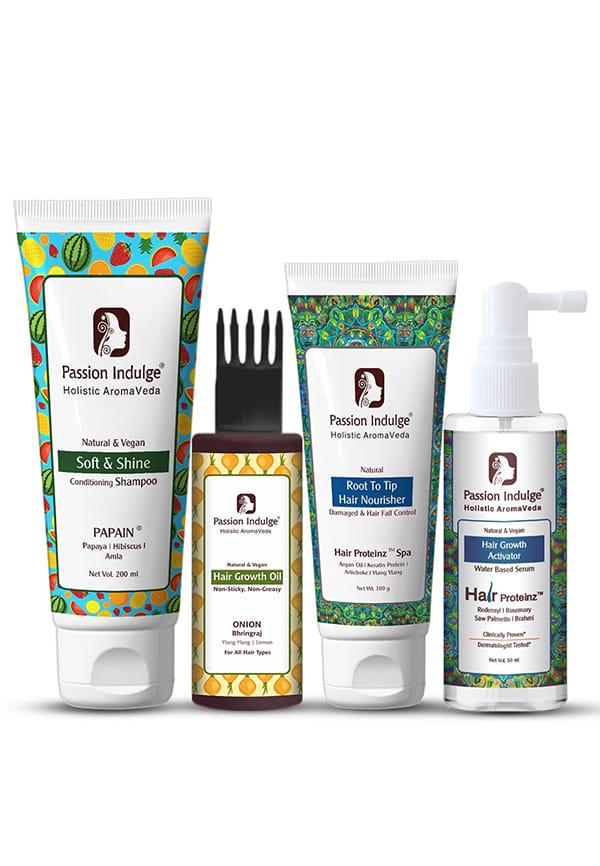
Onion Hair oil, Rosemary Hair Growth Serum, Hair Spa Protein Booster & Papain Shampoo
Not everyone needs protein in their haircare routine, and that's totally fine. Understanding whether you're a good candidate for shampoo for damaged hair is crucial to getting the results you're after.
If you've got chemically treated hair—think bleaching, colouring, perming, or relaxing—you're probably an ideal candidate. These processes break down the hair's natural protein structure, leaving gaps that milk proteins can help fill. Similarly, if you're a heat styling enthusiast who can't live without their straighteners or curling wands, protein therapy might be exactly what your strands are crying out for.
Your hair will usually tell you when it needs protein. Look out for excessive breakage, hair that feels mushy when wet, lack of elasticity, or strands that seem to stretch and snap rather than bounce back. If your hair feels limp and lifeless despite regular conditioning, it might be protein-deficient rather than moisture-deficient.
If your hair is already strong and healthy, adding too much protein can actually make it stiff and brittle. Low-porosity hair types should also be cautious, as proteins might sit on the surface rather than penetrating effectively.
Most hair types benefit from using hair repair shampoo once or twice a week rather than daily. Start slowly and see how your hair responds—you can always increase frequency if needed.
The protein world in haircare can feel like a bit of a maze, especially when you're trying to figure out whether milk protein, keratin, or other natural proteins are your best bet. Each type has its own superpowers, and understanding these differences can help you make a more informed choice.
Keratin protein shampoo is probably the most well-known option, and for good reason. Keratin is the actual protein that makes up your hair, so it's like giving your strands exactly what they're made of. However, keratin molecules are often quite large, which means they typically coat the hair rather than penetrating deeply.
This is where milk proteins really shine. As a natural protein shampoo option, milk-derived proteins tend to be gentler and more compatible with your hair's natural structure. Synthetic proteins can be effective but sometimes feel harsh or create buildup over time.
Milk proteins, particularly whey, have smaller molecular structures compared to keratin. This means they can actually penetrate the hair shaft rather than just sitting on top. Think of it as the difference between applying a bandage and actually healing the wound from within.
If you're new to protein treatments, milk protein is often a safer starting point. It's less likely to cause protein overload and tends to be more forgiving if you accidentally overuse it. Keratin might be better for severely damaged hair that needs intensive repair.
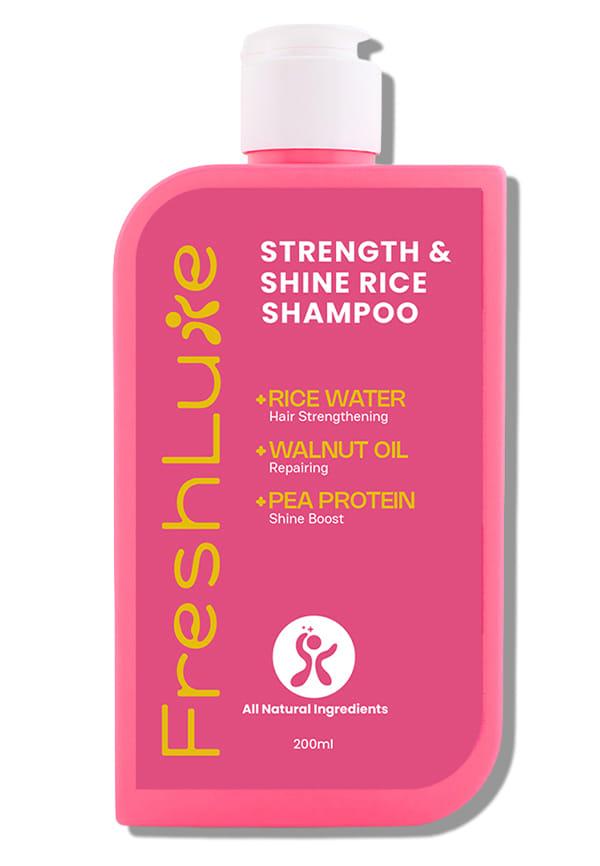
Strength & Shine Rice Water Shampoo Walnut Oil & Pea Protein Deep Nourishment & Strength
Very good shampoo for smooth hair
5“very very good shampoo and very smooth my hair and free free my hair such a very nice shampoo 😇😇”
Very nice product, must try
5“A very nice product, must try.”
Positive Product Review
5“i loved it. My skin feels deeply nourished and smooth, and it doesn’t feel tight or irritated after showering. it's totally worth it..”
Here's where things get practical. Choosing the right protein for hair growth isn't just about grabbing the first bottle you see with 'protein' on the label. There are some key things to look out for that can make the difference between a product that actually works and one that just empties your wallet.
First up, check the ingredient list. You want to see milk protein, whey protein, or casein listed within the first five ingredients. If it's buried at the bottom of a long list, you're probably not getting enough protein to make a real difference. Also, look for complementary ingredients like amino acids, which work alongside proteins to maximise their effectiveness.
A good moisturising protein shampoo should balance protein with hydrating ingredients. Look for additions like glycerin, natural oils, or hyaluronic acid. This combination ensures you're getting strength without sacrificing moisture.
Expensive doesn't always mean better, but extremely cheap protein shampoos might not contain enough active ingredients to be effective. Look for brands that are transparent about their protein concentrations and manufacturing processes.
Steer clear of formulas loaded with sulfates, parabens, or excessive fragrances. These can counteract the benefits of the protein and potentially cause irritation or dryness.
Let's address the elephant in the room—protein shampoos aren't always sunshine and rainbows. Like any active ingredient in haircare, they can sometimes cause issues if not used correctly or if they're not right for your hair type.
Protein overload is the most common concern with shampoo with milk extract. This happens when your hair gets too much protein and starts feeling stiff, brittle, or straw-like. It's your hair's way of saying 'thanks, but I'm full.' The good news is that protein overload is usually temporary and can be reversed with some moisture-focused treatments.
Your hair will give you clear signals if you're overdoing it. Look out for increased breakage (ironically, the opposite of what you're trying to achieve), hair that feels rough or coarse, lack of elasticity, or strands that seem to snap rather than stretch.
Since milk proteins are derived from dairy, people with severe milk allergies should be cautious. However, topical application is generally much safer than ingestion, and reactions are relatively rare.
The key to successful protein treatment is balance. For every protein treatment, follow up with a moisturising treatment. Think of it as giving your hair both the building blocks it needs (protein) and the hydration to keep those building blocks flexible (moisture).
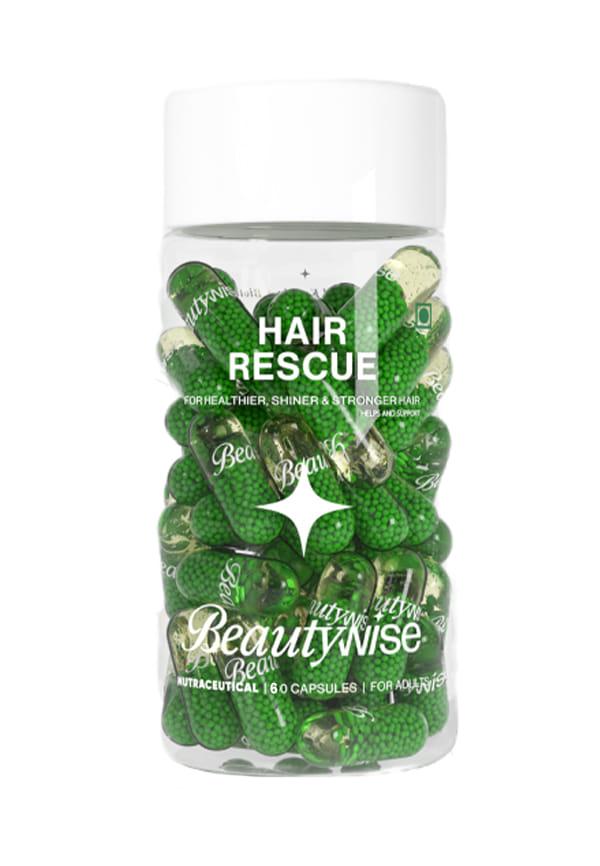
Hair Rescue, Hair Aminos, Vitamins, DHT Blocker for Hairfall Control & Growth
Good product, slow hair growth
4“good product but slow process of growth of hair”
Hair Improvement
5“my hair are improving day by day.”
Yes, protein shampoo can be excellent for hair, particularly if your strands are damaged, chemically treated, or lacking strength. However, it's not suitable for everyone—healthy, strong hair might become brittle with too much protein. The key is understanding your hair's specific needs and using protein treatments appropriately.
The best protein shampoo depends on your hair type and damage level. Milk protein shampoos are great for mild to moderate damage and offer a gentler approach. For severely damaged hair, keratin protein shampoos might be more effective. Look for formulas that balance protein with moisturising ingredients. At Smytten, you can try different protein shampoos through trial packs before committing to full-size purchases.
When used correctly, milk protein shampoo shouldn't cause damage. However, overuse can lead to protein overload, making hair stiff and brittle. Start with once or twice weekly use and monitor how your hair responds. If you notice increased breakage or stiffness, reduce frequency or take a break from protein treatments.
Most hair types benefit from using milk protein shampoo 1-2 times per week. If your hair is severely damaged, you might start with twice weekly, then reduce to once weekly as your hair improves. Always alternate with moisturising shampoos to maintain balance.
Milk protein shampoo works best for damaged, chemically treated, or weak hair. Fine hair can benefit but should use it sparingly. Coarse, thick hair typically tolerates protein treatments well. Low-porosity hair might not absorb the proteins effectively, whilst high-porosity hair usually responds brilliantly.
Regular shampoo primarily cleanses, whilst milk protein shampoo cleanses and repairs simultaneously. The proteins fill gaps in damaged hair shafts, strengthen weak areas, and provide ongoing protection. Regular shampoo might actually strip away natural proteins, whilst protein shampoo replenishes them.
Absolutely! Milk protein shampoo is actually brilliant for coloured hair because chemical processing depletes natural proteins. The gentle nature of milk proteins makes them safe for colour-treated strands, and they can help extend the life of your colour by strengthening the hair shaft.
Milk protein shampoo can be a fantastic addition to your haircare routine if you understand how to use it properly. It's particularly beneficial for damaged, chemically treated, or weak hair that needs strengthening and repair. The key is finding the right balance—too little protein won't give you results, whilst too much can leave your hair feeling stiff and brittle.
Remember that not all hair needs protein, and healthy, strong hair might actually suffer from protein treatments. Start slowly, pay attention to how your hair responds, and always balance protein with moisture. The best approach is often alternating between protein treatments and deep conditioning sessions.
When choosing a milk protein shampoo, look for formulas that combine proteins with moisturising ingredients, avoid harsh additives, and come from reputable brands. Quality matters more than price, but you don't need to break the bank to find an effective product.
Finding the right protein shampoo for your hair doesn't have to be a guessing game. Smytten is India's largest product discovery and trial platform, connecting you with top haircare brands through curated trial packs. With mini-sized products from over 2,400 trusted brands, you can explore different milk protein shampoos before committing to full-size purchases. Each trial is linked with Trial Points—get up to 10 Trial Points for just ₹279, plus enjoy 100% cashback on your trials, redeemable for future orders. Whether you're looking for a gentle natural protein shampoo or a more intensive hair repair formula, Smytten's authentic brand-verified minis let you try before you buy. With PAN-India delivery and over 28 million users trusting the platform, you can discover your perfect protein match without the commitment. After all, why settle for 'maybe' when you can #TryItAll!
