Men's Hair Loss Treatment Products FAQ: Your Questions Answered


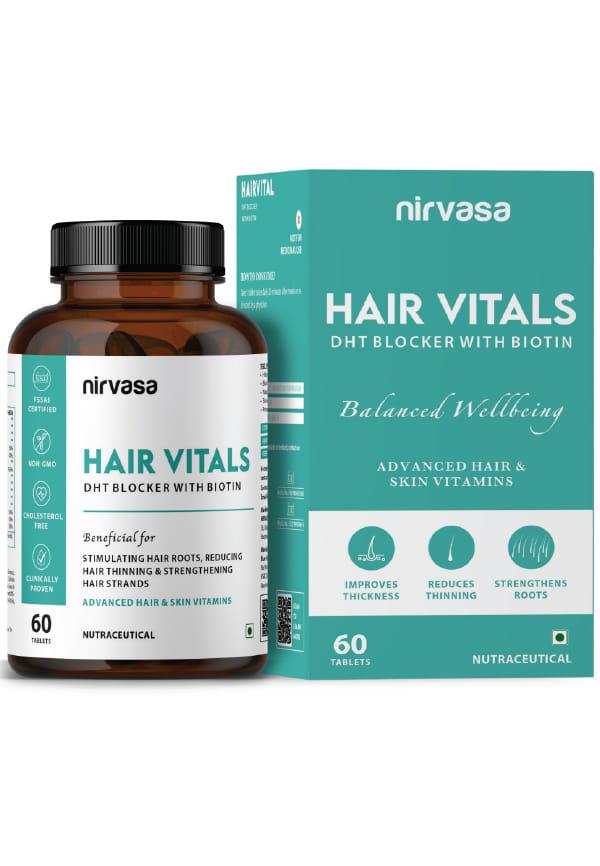
Hair Vitals DHT Blocker with Biotin Tablets | Hair Vitamins for Men & Women
Useful Nirvasa Product
 4
4“Very useful product from Nirvasa”
Positive Product Feedback
4“good product..................”
Positive Hair Vitamin Review
5“Hair vitamins from this brand is good”
Let's be real—hair loss can feel like your confidence is literally falling out strand by strand. If you're one of the millions of men dealing with thinning hair or male pattern baldness, you've probably found yourself scrolling through endless product reviews, wondering which men's hair loss treatment products actually work. The good news? There are proven solutions out there, from FDA-approved treatments to natural remedies that can help slow down hair loss and even promote regrowth. But with so many options available, it's easy to feel overwhelmed by the choices. That's where platforms like Smytten come in handy—letting you trial different haircare products before committing to full-size purchases, so you can find what actually works for your specific needs without the guesswork. Whether you're dealing with early signs of thinning or more advanced hair loss, understanding your options is the first step towards making an informed decision about your hair health.
FDA-approved treatments like minoxidil and finasteride are the gold standard for men's hair loss, with proven efficacy in clinical studies
Hair regrowth for men typically takes 3-6 months of consistent treatment to show visible results
Natural hair loss remedies can complement medical treatments but shouldn't replace proven therapies for androgenetic alopecia
Hair thickening products and specialised shampoos support treatment but won't stop hair loss on their own
Early intervention with hair loss prevention strategies gives the best long-term results
When it comes to the best hair loss products for men, science has given us some clear winners. The FDA has approved two main treatments that consistently show results: minoxidil and finasteride. These aren't just marketing hype—they're backed by decades of clinical research and real-world results.
Minoxidil, originally developed as a blood pressure medication, was found to have an interesting side effect: hair growth. Now available over-the-counter as a topical solution or foam, it's become one of the most widely used hair regrowth treatments. Clinical studies show that about 85% of men using minoxidil experience some degree of hair regrowth or slowed hair loss after four months of consistent use.
Finasteride works differently—it's an oral medication that blocks the hormone DHT (dihydrotestosterone), which is the main culprit behind androgenetic alopecia. Studies indicate that finasteride can stop hair loss in about 90% of men and promote regrowth in roughly 65% of users. The catch? You need a prescription, and it can take up to six months to see results.
Many dermatologists recommend combination therapy, using both treatments together for maximum effectiveness. This approach can be particularly beneficial for men with moderate to severe hair loss, as it addresses the problem from multiple angles—improving blood flow to follicles while blocking the hormone that causes hair loss in the first place.
Understanding how these treatments work can help you set realistic expectations and stick to your routine. Think of your hair follicles as tiny gardens that need the right conditions to grow healthy hair.
Minoxidil works by widening blood vessels around hair follicles, increasing nutrient and oxygen delivery to the hair roots. This improved circulation helps revitalise dormant follicles and can extend the growth phase of existing hair. You'll typically apply it twice daily to dry scalp, and it's available in 2% and 5% concentrations—with the stronger version showing better results for men.
Finasteride tackles the root cause of androgenetic alopecia by inhibiting the enzyme that converts testosterone to DHT. Since DHT is what shrinks hair follicles over time, blocking it can prevent further miniaturisation and allow follicles to recover. The standard dose is 1mg daily, and consistency is key—missing doses can reduce effectiveness.
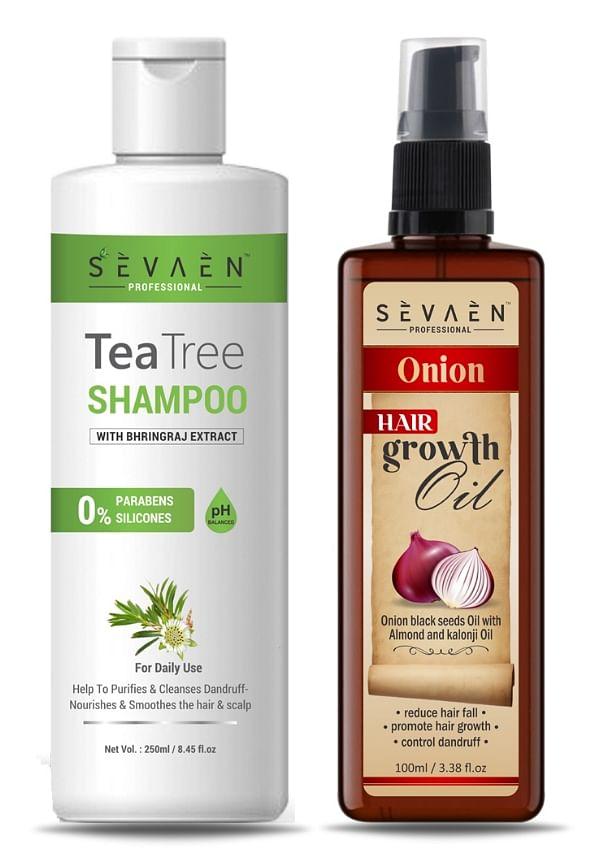
Teatree Shampoo And Ayurvedic Hair Oil For Hair Growth And Dandurff Reduce For Man And Woman
Useful for Hair, Good Product
5“it's very useful for hair. Good Product.”
Both treatments require patience and persistence. Hair growth cycles are slow, so you won't see overnight miracles. Most men notice initial improvements around the three-month mark, with more significant results appearing after six months of consistent use.
Not all hair loss is created equal, and your treatment approach should match where you are in your hair loss journey. Male pattern baldness typically follows a predictable pattern, starting with temple recession and crown thinning before progressing to more extensive loss.
If you're noticing your hairline starting to recede or your crown looking a bit thinner, you're in the sweet spot for treatment. Early intervention with minoxidil can often halt progression and may even restore some lost hair. Adding a DHT-blocking shampoo to your routine can provide extra support.
When hair loss becomes more noticeable, combining treatments often yields better results. This might mean using both minoxidil and finasteride, along with scalp treatments for male pattern baldness that include ingredients like ketoconazole or saw palmetto.
For more extensive hair loss, you might need to consider additional options like hair transplant procedures or more intensive medical treatments. However, even at this stage, maintaining what you have with proven treatments is worthwhile.
While natural hair loss remedies for men can't match the proven effectiveness of FDA-approved treatments, some do show promise in supporting overall hair health. The key is having realistic expectations and understanding their limitations.
Saw palmetto is probably the most studied natural DHT blocker, with some research suggesting it might help reduce hair loss when taken as a supplement. Pumpkin seed oil has also shown modest benefits in small studies. However, these natural options typically work much more slowly and less dramatically than medical treatments.
Nutritional support plays a crucial role in hair loss prevention for men. Deficiencies in iron, zinc, biotin, or protein can contribute to hair thinning. A balanced diet rich in these nutrients, possibly supplemented with a high-quality multivitamin, can support your hair's natural growth cycle.
Scalp massage might sound too simple to work, but there's actually some science behind it. Regular massage can improve blood circulation to hair follicles, potentially supporting the effectiveness of topical treatments. Plus, it's relaxing and completely safe to try.
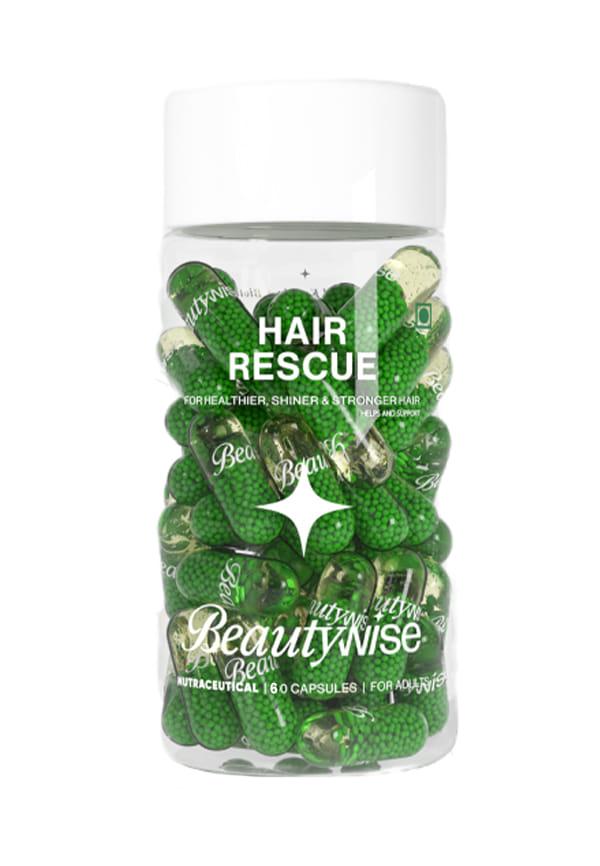
Hair Rescue, Hair Aminos, Vitamins, DHT Blocker for Hairfall Control & Growth
Good product, slow hair growth
4“good product but slow process of growth of hair”
Hair Improvement
5“my hair are improving day by day.”
Hair thickening products for men serve as excellent supporting players in your hair loss treatment routine, even though they won't stop hair loss on their own. Think of them as the styling team that makes your existing hair look its absolute best while your medical treatments work behind the scenes.
Volumising shampoos work by coating individual hair strands to make them appear thicker and fuller. They often contain ingredients like rice protein or keratin that temporarily plump up the hair shaft. While this doesn't actually grow new hair, it can make a noticeable difference in how full your hair looks day-to-day.
Some specialised shampoos contain ingredients like ketoconazole, saw palmetto, or caffeine that may help block DHT at the scalp level. While they're not as potent as oral finasteride, they can provide additional support and are worth considering as part of a comprehensive approach.
A clean, healthy scalp creates the best environment for hair growth and treatment absorption. Look for gentle, sulphate-free formulas that won't strip your scalp's natural oils or interfere with topical treatments like minoxidil.
The gold standard remains the combination of minoxidil and finasteride, as recommended by dermatologists worldwide. Minoxidil (available over-the-counter) and finasteride (prescription required) work through different mechanisms and complement each other well. Individual results vary, so what works best depends on your specific type of hair loss, age, and how early you start treatment.
The best treatment depends on several factors including the stage of your hair loss, your age, overall health, and personal preferences. For most men with androgenetic alopecia, starting with minoxidil and considering finasteride if needed provides the most effective approach. Consulting with a dermatologist helps personalise your treatment plan based on your specific situation.
Patience is crucial with hair regrowth treatments. Most men start noticing initial improvements around 3-4 months, with more significant results visible after 6-12 months of consistent use. Hair growth is naturally slow, and you might experience some initial shedding as dormant follicles restart their growth cycle—this is actually a good sign that the treatment is working.
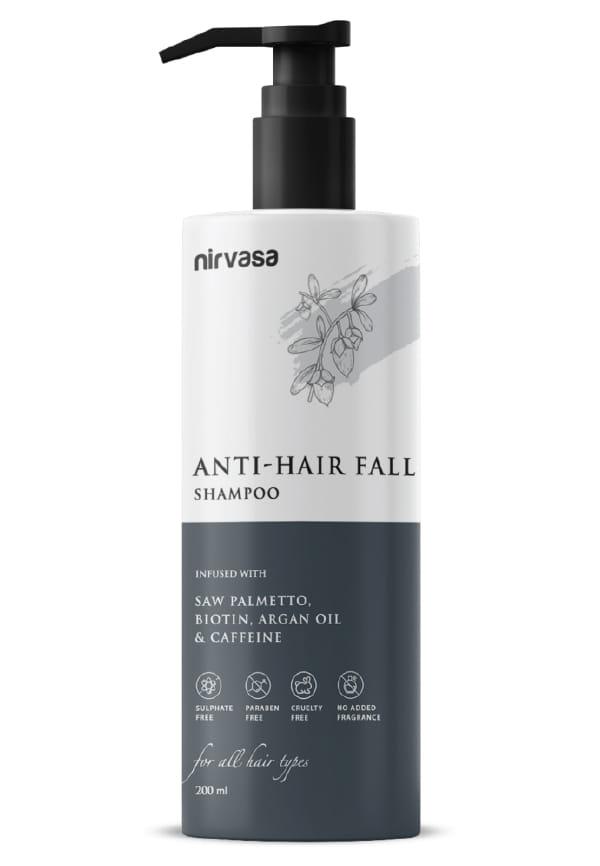
Anti-Hair Fall Shampoo for Men and Women
Good Quality, Small Quantity
5“it was great nice and quality , but the quantity is low comparatively but okay... good for hairfall”
Yes, combination therapy is often more effective than single treatments. Many dermatologists recommend using minoxidil alongside finasteride, plus supportive treatments like DHT-blocking shampoos. However, always consult with a healthcare provider before combining treatments, especially prescription medications, to ensure safety and avoid interactions.
Minoxidil is generally well-tolerated, with the most common side effects being scalp irritation or unwanted facial hair growth if the product drips. Finasteride can cause sexual side effects in a small percentage of men (2-4%), including decreased libido or erectile dysfunction. Most side effects are reversible when treatment stops, but it's important to discuss these risks with your doctor.
Platforms like Smytten offer an excellent way to explore different haircare products through trial packs before committing to full-size purchases. This approach lets you test how your scalp reacts to different formulations and find products that work well with your routine, all while getting 100% cashback on your trials that you can use towards future purchases.
While natural hair loss remedies can support overall hair health, they typically don't match the proven effectiveness of FDA-approved treatments. Ingredients like saw palmetto or pumpkin seed oil show some promise in studies, but the results are generally modest compared to minoxidil or finasteride. Natural approaches work best as complementary treatments rather than primary solutions.
Consider seeing a dermatologist if you notice sudden or rapid hair loss, patchy bald spots, or if over-the-counter treatments haven't shown results after 6-8 months. A professional can diagnose the exact type of hair loss you're experiencing and recommend the most appropriate treatment plan, including prescription options that might be more effective for your situation.
The world of men's hair loss treatment products offers genuine hope, but success requires realistic expectations and consistent effort. FDA-approved treatments like minoxidil and finasteride remain your best bet for proven results, with clinical studies backing their effectiveness for the majority of men with androgenetic alopecia.
Remember that hair regrowth is a marathon, not a sprint. Most effective treatments require 3-6 months of consistent use before you'll see meaningful results, and stopping treatment typically means losing any gains you've made. The earlier you start treatment, the better your chances of maintaining and potentially regrowing hair.
Natural remedies and hair thickening products can play valuable supporting roles in your routine, but they shouldn't replace proven medical treatments if you're serious about addressing hair loss. Think of them as the supporting cast that helps your leading treatments perform their best.
Finally, don't underestimate the value of professional guidance. A dermatologist can help you navigate the options, monitor your progress, and adjust your treatment plan as needed. Your hair loss journey is unique, and having expert support can make all the difference in achieving the results you're hoping for.
Finding the right hair loss treatment doesn't have to be a guessing game filled with expensive mistakes. Smytten is India's largest product discovery and trial platform, connecting consumers with top lifestyle, beauty, wellness, and grooming brands. At its core, Smytten offers curated trial packs—mini-sized products from over 2,400 trusted brands such as Cetaphil, Dot & Key, True Elements, Oziva, Renee, Swiss Beauty, Love Beauty & Planet, WishCare, Carlton London, and Bella Vita. This lets users explore and experience products before committing to full-size purchases. The platform covers a wide range of categories, including skincare, makeup, haircare, fragrances, and more. Each mini is linked with Trial Points, and users can get up to 10 Trial Points for just ₹279. Plus, Smytten offers 100% cashback on the purchase of these minis, redeemable in the shop section for future orders, making product discovery both affordable and rewarding. With over 28 million users and 100 million trial minis delivered across 90% pin code coverage, Smytten helps consumers make smarter, more confident choices. After all, why settle for 'maybe' when you can #TryItAll!
