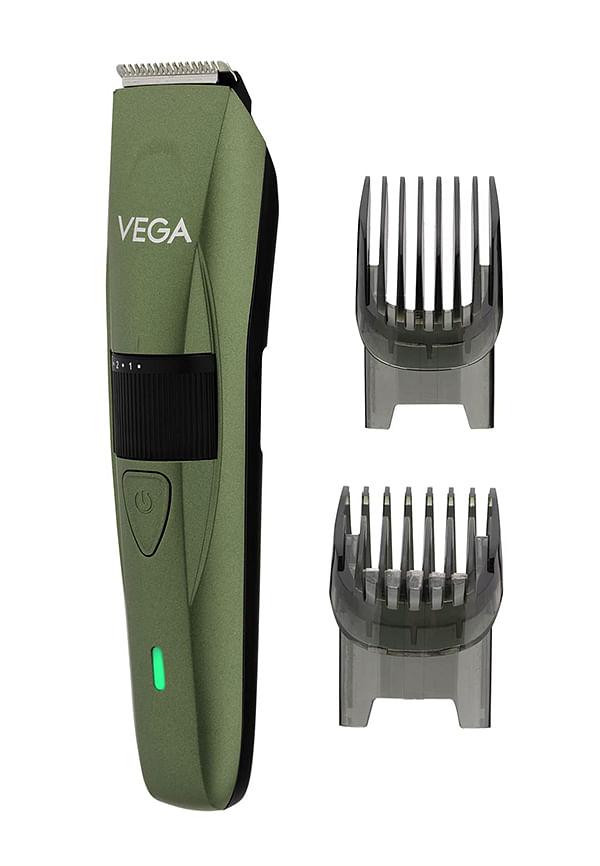
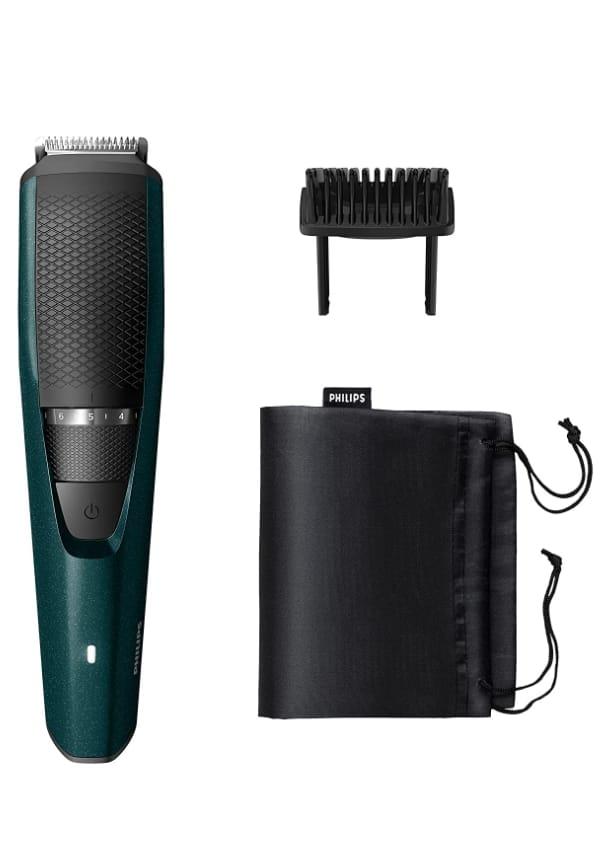
Power Series P-1 Beard Trimmer for men with 160 Mins Runtime & 40 Length Settings, Green, (VHTH-25)
₹ 1199
Let's be real—finding the perfect balance between looking put-together and not spending hours on grooming can be tricky. Small beard styles have become a popular choice for guys who want that effortlessly cool vibe without the commitment of a full beard. Whether you're after a sharp goatee or subtle stubble, these minimal facial hair looks tend to work well for both casual days and professional settings. From understanding your face shape to mastering the right trimming techniques, we're about to walk you through everything you need to know to nail your next favorite look.
Understanding Small Beard Styles
Small beard styles offer the sweet spot between clean-shaven and full beard territory. They're perfect for beginners who want to dip their toes into facial hair without going all-in. These styles typically require less daily maintenance while still giving you that defined, masculine edge.
The beauty of short beard grooming lies in its versatility—you can switch up your look without waiting months for regrowth. Plus, they're often workplace-friendly and suit almost every lifestyle.
Popular Small Beard Styles
Here are some trending picks that many men are embracing:
• **Goatee styles**: Classic chin-only coverage that works on most face shapes
• **Chin strap beard**: A thin line of hair along your jawline
• **Short boxed beard**: Full coverage but kept neat and trimmed
• **Balbo beard**: Mustache disconnected from the chin beard
• **Van Dyke beard**: Pointed goatee paired with a mustache
Benefits of Small Beard Styles
Why are these minimal looks worth a try? They're generally low-maintenance compared to full beards, meaning less time fussing with products and styling. You'll find they're versatile enough for both weekend hangouts and Monday meetings. Most importantly, they can enhance your natural facial features without overwhelming them.
Face Shape and Beard Styles: Finding Your Perfect Match
Choosing the right style isn't just about what looks trendy—it's about what works with your unique face shape. The wrong choice can throw off your proportions, while the right one can make your features pop in all the right ways.
Think of your beard as a way to balance your face. Round faces often benefit from styles that add length, while square faces might look great with softer, rounded edges.
Determining Your Face Shape
Grab a mirror and let's figure this out. Oval faces are longer than they are wide with a gently curved jawline. Round faces have similar width and length with soft curves. Square faces feature a strong, angular jawline with similar width at forehead and jaw. Rectangle faces are longer with straight sides, while diamond faces are widest at the cheekbones.
Best Small Beard Styles for Each Face Shape
**Oval faces** can often rock pretty much any style—you've got a versatile canvas to work with. **Round faces** might try chin strap beards or goatees to add visual length. **Square faces** often look great with short boxed beards or well-maintained stubble that softens those angles. **Rectangle faces** may suit Balbo beards or full goatees that add width. **Diamond faces** often work well with Van Dyke or circle beard styles that balance the narrow chin.
Essential Tools for Small Beard Mastery
You don't need a professional barber setup, but having the right tools makes all the difference. Good equipment helps you achieve cleaner lines and maintain your chosen style with ease.
Investing in quality tools upfront can save you time and frustration later. Plus, proper tools help prevent common issues like uneven trimming or skin irritation.
Trimming Tools
Your toolkit should include an electric beard trimmer with multiple guard lengths for versatility. Sharp hairdressing scissors are essential for detail work and mustache trimming. A quality razor helps create those sharp, clean lines that separate amateur from pro-level grooming.
Grooming Products
Beard care products keep your facial hair healthy and manageable. Beard oil softens hair and moisturizes the skin underneath. Beard balm provides light hold for styling while conditioning. A gentle beard wash prevents irritation, and a good brush or comb helps distribute products evenly.
Before committing to full-size beard products, try discovering your favorites through trial-sized versions. Smytten's trial system allows you to explore different beard oils and balms to find your perfect match.
4.5|(1 Unit)
VEGA
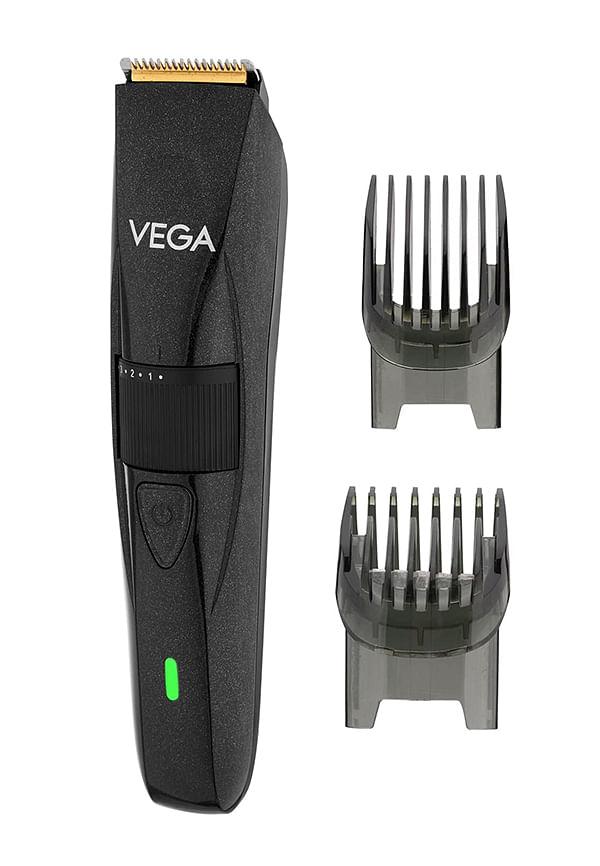
Power Series P-2 Beard Trimmer for men with Titanium Blades, 160 Mins Runtime & 40 Length Settings, Black, (VHTH-26)
₹ 1299
Step-by-Step Guide to Popular Styles
Ready to get your hands dirty? Let's walk through creating some of the most requested small beard styles. Each technique builds on basic facial hair trimming principles, so master these and you'll be sorted for any variation.
Remember, it's easier to trim more hair off than to put it back on, so start conservative with your lengths.
The Classic Goatee
Start by growing out your facial hair for 2-3 weeks to give yourself enough length to work with. Define the goatee area by imagining a line from the corners of your mouth straight down—everything outside this area gets shaved off. Trim the goatee hair to your desired length using guards, then clean up the edges with a razor for sharp definition. Regular maintenance every few days keeps the shape crisp.
The Chin Strap Beard
First, grow a full beard. Next, map out your chin strap by following your jawline from ear to ear. The line should sit just above your actual jaw bone for the most flattering effect. Then, carefully shave away all hair above and below this line, leaving a thin strip along your jaw. Keep the width consistent and touch up every 2-3 days to maintain the clean look.
The Short Boxed Beard
Start with 4-6 weeks of growth for enough density. Define your cheekline by drawing an imaginary line from your sideburn to the corner of your mustache—keep it natural, not too high or low. For the neckline, place two fingers above your Adam's apple and shave everything below. Trim the entire beard to an even length using guards, then blend the edges for a natural fade.
Facial Hair Trimming Techniques
Mastering proper trimming techniques separates good beard maintenance from great beard maintenance. These skills help you achieve salon-quality results at home while avoiding common mistakes that can ruin your look.
Proper technique also helps prevent issues like ingrown hairs, uneven growth patterns, and skin irritation that can make beard-wearing uncomfortable.
Neckline and Cheek Line Basics
Here's the thing about trimming—for the perfect neckline, a common guideline is the "two-finger rule." Place two fingers horizontally above your Adam's apple, and that's where your beard should end. Anything below gets shaved clean. You might need to adjust based on your facial structure. For cheek lines, follow your natural growth pattern but clean up any stray hairs that grow too high on your cheeks. The line should look natural, not carved out with a ruler.
Even Growth Trimming
Always use guards on your trimmer to maintain consistent length. Start with a longer guard and work your way shorter if needed—you can always trim more. Work against the grain for the closest cut, and use overlapping strokes to avoid missing patches. Regularly clean your trimmer blades to prevent hair pulling and uneven cuts.
Mustache and Beard Combo Styles
Combining mustache and beard elements creates more sophisticated, intentional looks. The key is balancing proportions so neither element overpowers the other.
These combinations often work well for professional settings where you want to look polished but still maintain some personality in your grooming choices.
Popular Combinations
A **chevron mustache with short boxed beard** creates a classic, masculine look that works in any decade. The **handlebar mustache with goatee** offers vintage charm with modern edge. A **natural mustache with chin strap** provides subtle sophistication without being too statement-heavy.
Balancing Lengths
(1 Unit)
VEGA
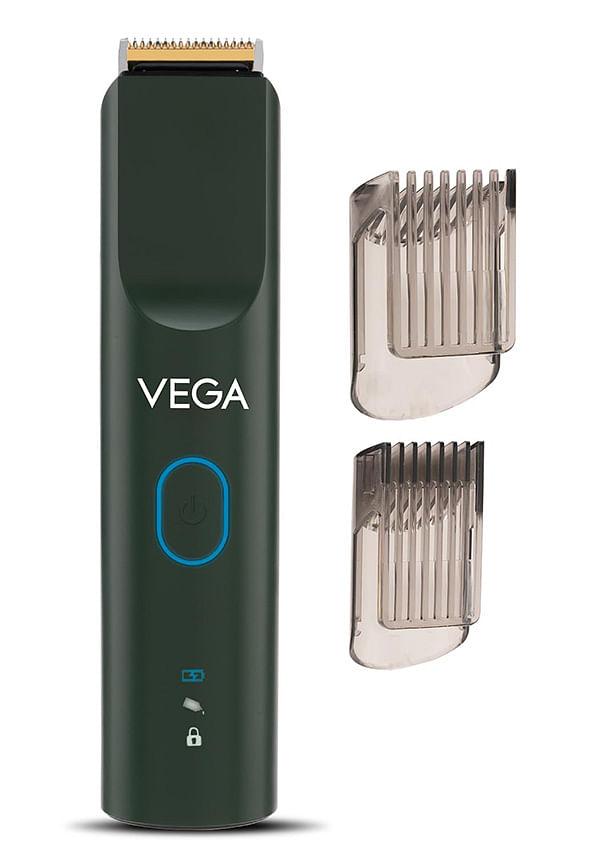
SmartOne S3 Beard Trimmer for Men - Green
₹ 1499
Keep your mustache slightly shorter than your beard to avoid an unbalanced look. If your beard is 3mm, try 2mm for the mustache. Regular trimming of both elements ensures they grow at compatible rates. Use scissors for precise mustache trimming, especially around the lip line.
Stubble Maintenance Secrets
Stubble might look effortless, but achieving that perfect "five o'clock shadow" actually requires some technique. The goal is controlled scruff that looks intentional, not like you simply forgot to shave.
Proper stubble maintenance keeps you looking sharp while maintaining that relaxed, approachable vibe that many find attractive.
Perfect Stubble Length
The sweet spot for most guys is between 1-3mm of growth. This length provides definition without looking unkempt. Use your trimmer without a guard for the closest stubble, or try a 1mm guard for slightly longer coverage. Test different lengths to find what suits your hair texture and face shape best.
Daily Stubble Care
Trim every 2-3 days to maintain consistent length. Clean up your neckline and cheek lines to keep the stubble looking intentional. Apply a light beard oil to prevent itchiness and keep the skin underneath healthy. A quick brush-through with a boar bristle brush distributes natural oils and removes dead skin.
Advanced Beard Shaping Techniques
Once you've mastered the basics, these advanced techniques help you create more precise, professional-looking results. These skills take practice but make a noticeable difference in the finished look.
Advanced shaping is particularly useful if you're dealing with uneven growth patterns or want to create more dramatic style changes.
Sharp Lines and Edges
Trust us on this one—for razor-sharp edges, use a single-blade razor rather than multi-blade cartridges—they give more control. Take your time and use short, controlled strokes. Some guys find beard stencils helpful for maintaining consistent lines, especially when starting out. Practice makes perfect, so don't worry if your first attempts aren't salon-perfect.
Fading and Tapering
Creating a natural fade requires gradually changing guard lengths as you move from longer to shorter areas. Start with your longest guard at the bulk of the beard, then switch to progressively shorter guards as you approach the edges. Blend each length carefully to avoid harsh lines between sections.
Beard Care Products That Actually Work
While small beards need less maintenance than full beards, using the right products makes a significant difference in comfort and appearance. Quality products also help prevent common issues like dryness, itchiness, and unruly hair.
The key is finding products that work with your hair type and skin sensitivity without overcomplicating your routine. Worth trying different beard oils to find your kind of pick.
Essential Products
**Beard oils** are your best mate for keeping both hair and skin healthy. Look for natural ingredients like jojoba or argan oil. **Beard balms** provide light styling hold while adding moisture—perfect for taming flyaways. **Specialized beard washes** are gentler than regular shampoo and won't strip away natural oils.
Application Tips
Apply beard oil to damp facial hair for better absorption—just a few drops for small beards. Work it through with your fingers, making sure to massage the skin underneath. For beard balm, warm it between your palms first, then work through the hair and style as desired. Less is more with both products.
4.4|(1 Unit)
Philips
Smart Beard Trimmer - 60 min run time
₹ 1995
Common Small Beard Problems Solved
Even the best-maintained beards can run into issues. The good news is that most problems have straightforward solutions once you know what to look for.
Addressing problems early prevents them from becoming bigger issues that might force you to start over with your beard journey.
Patchy Growth Solutions
If your facial hair grows unevenly, choose styles that work with your natural growth pattern rather than against it. Goatee styles often work well for patchy cheek growth. Keep patches trimmed short rather than trying to grow them out—this creates a more intentional look. Some guys find beard oils with growth-promoting ingredients helpful, though results may vary.
Itchiness and Irritation
Beard itch usually comes from dry skin or harsh products. Switch to a gentle beard wash and use beard oil daily. Exfoliate the skin gently once a week to prevent ingrown hairs. If irritation persists, you might have sensitive skin that needs fragrance-free products.
Frequently Asked Questions
What are the best small beard styles for a professional environment?
Short boxed beards, well-maintained goatees, and neat stubble often work well in professional settings. The key is keeping lines clean and length consistent. Avoid anything too trendy or attention-grabbing if your workplace is conservative.
How often should I trim my small beard?
Most small beard styles need touch-ups every 2-4 days to maintain their shape. Stubble requires more frequent trimming (every 2-3 days), while slightly longer styles like short boxed beards can go 4-5 days between trims.
Can I grow a small beard if I have patchy facial hair?
Absolutely! Many small beard styles actually work better with patchy growth than full beards do. Goatees, chin straps, and mustache combos can work around sparse cheek growth. Focus on styles that highlight your stronger growth areas.
What's the best way to transition from clean-shaven to a small beard style?
Start by growing everything out for 2-4 weeks, then shape it into your chosen style. This gives you enough hair to work with and helps you see your natural growth patterns. Don't try to create the final shape too early in the growth process.
How do I prevent ingrown hairs when maintaining a small beard?
Exfoliate gently once or twice a week to remove dead skin cells. Use sharp, clean blades when shaving edges. Apply beard oil daily to keep hair and skin moisturized. Avoid shaving too closely against the grain, especially in sensitive areas.
Final Thoughts
Mastering small beard styles is all about finding what works with your face shape, lifestyle, and personal style. Start with basic techniques and gradually work up to more advanced shaping as you get comfortable. Remember that great beard maintenance is more about consistency than perfection—regular touch-ups and proper care make all the difference.
Whether you're styling your own beard or helping your partner find his signature look, the right small beard style can become a defining feature with just a bit of practice and the right approach. And remember, your next favorite beard balm or oil might be waiting for you to discover through a trial collection. At Smytten, we've helped thousands discover their perfect grooming routine through trials, making the journey to your ideal look both fun and accessible.