Manage Humid Hair FAQ: Your Questions Answered


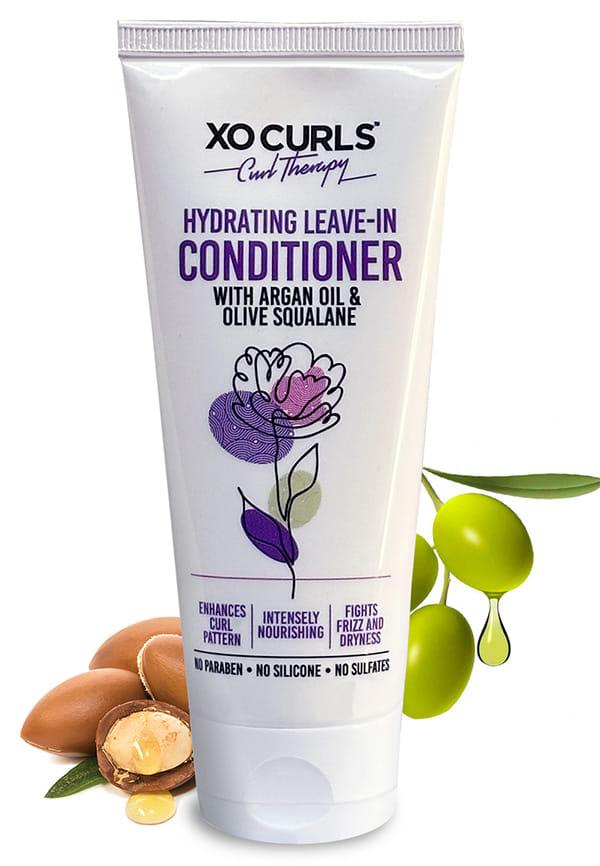
Hydrating Leave In Conditioner With Argan Oil And Olive Squalane To Tame Dryness & Frizz
That moment when you step outside and instantly feel your hair expanding like a balloon—we've all been there. One minute you're looking sleek and put-together, the next you're channeling a lion's mane thanks to humidity. If you've ever wondered why your hair seems to have a personal vendetta against moisture in the air, or you're tired of your carefully styled hair turning into a frizzy mess the second you leave the house, you're not alone. Managing humid hair doesn't have to feel like an impossible battle, and with the right knowledge and techniques, you can actually win this fight.
Let's get real about what's actually happening to your hair when humidity strikes. Your hair is basically a sponge made of protein, and when there's moisture in the air, it wants to absorb every bit of it. The outer layer of your hair, called the cuticle, is made up of overlapping scales—think of them like roof tiles. When these scales are smooth and flat, your hair looks shiny and feels soft. But when humidity hits, these scales lift up and allow moisture to penetrate the hair shaft.
Here's where it gets interesting: damaged hair is way more susceptible to humidity hair issues than healthy hair. If your cuticles are already compromised from heat styling, chemical treatments, or environmental damage, they're basically rolling out the red carpet for moisture. The water molecules sneak in and cause the hair shaft to swell, which disrupts the hydrogen bonds that keep your hair's shape intact. This is why your straight hair suddenly develops waves, or your waves turn into full-blown frizz.
Hair porosity plays a massive role in how your hair reacts to humidity. High porosity hair—which has gaps and holes in the cuticle—absorbs moisture quickly but also loses it just as fast. Low porosity hair has tightly closed cuticles that resist moisture, but once water gets in, it tends to stay trapped. Understanding your hair's porosity level is key to finding the right frizzy hair solutions that actually work for your specific hair type.
The secret to managing humid hair starts way before you even think about styling. Your haircare humidity routine needs to begin in the shower, because what you do there sets the foundation for how your hair will behave throughout the day. Think of it as building a fortress against moisture—you need strong walls from the ground up.
Co-washing might just become your new best friend if you're dealing with humidity hair struggles. This technique involves using a cleansing conditioner instead of traditional shampoo, which helps maintain your hair's natural moisture balance. When your hair is properly hydrated from within, it's less likely to seek moisture from the humid air around you.
If you do use shampoo, stick to sulfate-free formulas that won't strip your hair of its natural oils. Overwashing can actually make humidity problems worse by leaving your hair parched and desperate for moisture. Most people can get away with washing just 2-3 times per week, using dry shampoo or co-washing in between to refresh their hair without disrupting the moisture balance.
Your towel choice matters more than you might think when it comes to haircare humidity management. Cotton towels are basically frizz factories—they rough up your cuticles and create the perfect conditions for humidity to wreak havoc later. Switch to a microfiber towel or even an old cotton t-shirt to gently squeeze water from your hair instead of rubbing it dry.
Heat protectant isn't just for styling tools—it creates a barrier that helps seal your cuticles and provides some protection against environmental moisture. Apply it to damp hair before any heat styling, and consider using a lightweight leave-in treatment even on air-dry days for extra humidity protection.
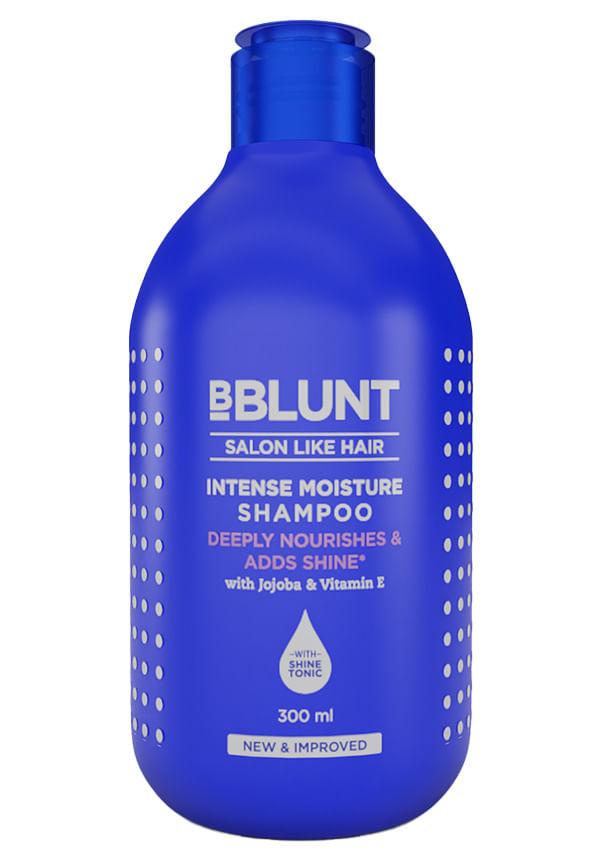
Intense Moisture Shampoo with Jojoba and Vitamin E for Dry & Frizzy Hair
Not all anti frizz products are created equal, and what works for your friend might not work for you. The key is understanding which ingredients actually create a barrier against humidity and which ones just temporarily smooth your hair without addressing the root cause of the problem.
Silicone-based serums are like raincoats for your hair—they create a protective layer that prevents moisture from penetrating the hair shaft. Look for ingredients like dimethicone or cyclomethicone, which form a lightweight film around each strand. These hair products for humidity work best when applied to damp hair and distributed evenly from mid-length to ends.
Natural oils can also provide humidity protection, but they work differently than silicones. Argan oil, coconut oil, and jojoba oil penetrate the hair shaft to provide internal moisture while also creating a light barrier on the surface. The trick is using just enough to protect without weighing your hair down—usually a few drops is plenty for most hair types.
The right leave-in conditioner can be a game-changer for hair hydration and humidity control. Look for products with humectants like glycerin, but be careful—in very humid conditions, glycerin can actually pull moisture from the air into your hair, making frizz worse. In moderate humidity, though, it helps maintain the perfect moisture balance.
Cream-based products tend to provide more substantial protection than lightweight sprays, making them ideal for thick or coarse hair that needs extra moisture. Apply these products in sections, making sure to coat every strand for even protection throughout the day.
Sometimes the best way to control frizzy hair is to work with it instead of against it. Humid weather hairstyles that embrace your hair's natural tendencies often look better and last longer than styles that fight your hair's texture.
Protective updos are your friend on super humid days. Braids, buns, and twisted styles keep your hair contained and prevent it from absorbing moisture from the air. A loose braid with some texturising spray can look effortlessly chic while keeping frizz at bay. French braids, Dutch braids, and even simple three-strand braids work well for different hair lengths and textures.
If you have naturally wavy or curly hair, humid weather might actually be the perfect time to embrace your texture. Use a curl-defining cream and scrunch your hair while it's damp, then let it air dry for natural-looking waves that won't fight against the humidity.
If you insist on straightening your hair in humid weather, you need to seal those cuticles tight. After straightening each section, run a cool shot of air from your blow dryer over it to help set the style and close the cuticles. Follow up with a light mist of anti-humidity spray for extra protection.
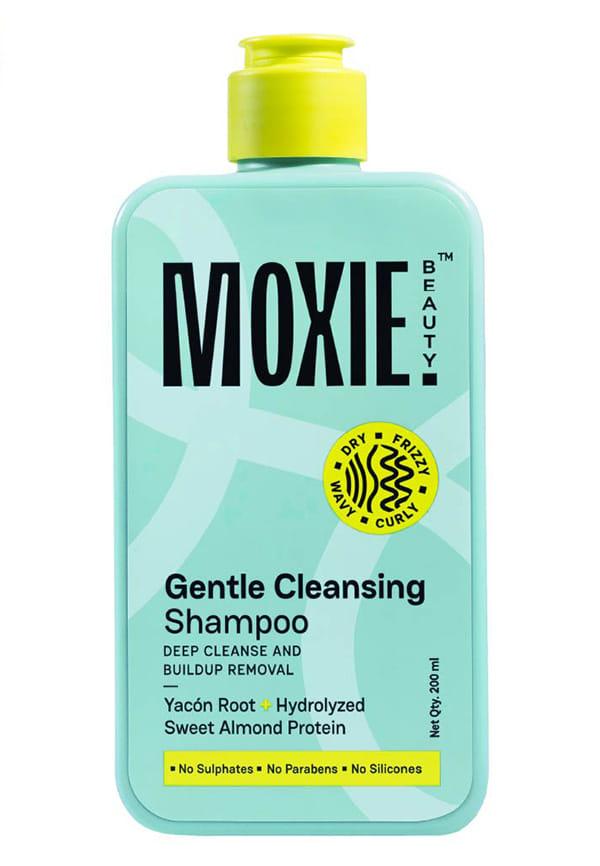
Gentle Cleansing Sulphate Free Shampoo For Dry & Frizzy Hair
Overnight protection is crucial for maintaining smooth hair humidity resistance. Sleep on a silk or satin pillowcase, and consider wrapping your hair in a silk scarf or using a silk bonnet to prevent friction and moisture absorption while you sleep.
Professional stylists have some tricks up their sleeves that you can easily replicate at home. These techniques focus on working with your hair's natural structure rather than fighting against it, which tends to produce longer-lasting results.
Plopping is a technique where you wrap your wet hair in a cotton t-shirt or microfiber towel to absorb excess water without disturbing your hair's natural curl pattern. This method helps prevent frizz from forming in the first place by maintaining your hair's natural shape as it dries.
To plop your hair, lay a t-shirt flat on your bed or bathroom counter, flip your head upside down, and lower your hair onto the centre of the shirt. Wrap the sleeves around your head and tie them at the nape of your neck, then flip the bottom of the shirt up and over your head. Leave it on for 10-20 minutes before removing and allowing your hair to finish air drying.
Your haircut can make or break your humidity game. Layers can help reduce bulk and weight, which makes your hair less prone to frizzing, but they need to be cut strategically. Avoid too many short layers if you have fine hair, as they can create more surface area for humidity to affect.
Regular trims every 6-8 weeks help maintain healthy ends, which are less likely to absorb excess moisture. Split ends and damaged hair are like magnets for humidity, so keeping your hair healthy is one of the best long-term strategies for managing humid hair.
Sometimes the best solutions come from your kitchen rather than the beauty aisle. Natural ingredients can provide effective humidity protection while nourishing your hair at the same time, making them perfect for those who prefer gentler approaches to summer haircare.
DIY hair masks using ingredients like avocado, honey, and coconut oil can help improve your hair's moisture balance and overall health. A weekly deep conditioning treatment with natural ingredients helps fill in gaps in damaged cuticles, making your hair more resistant to humidity. Mix mashed avocado with a tablespoon of honey and coconut oil for a nourishing mask that provides both protein and moisture.
Apple cider vinegar rinses can help seal your hair cuticles and restore your hair's natural pH balance. Mix one part apple cider vinegar with three parts water and use it as a final rinse after shampooing. The acidic nature of the vinegar helps flatten the cuticles, creating a smoother surface that's less likely to absorb humidity.
Your sleeping environment can also impact how your hair behaves in humid weather. Silk pillowcases reduce friction and help maintain your hair's moisture balance overnight. If your bedroom tends to be humid, consider using a dehumidifier to create a more controlled environment for your hair.
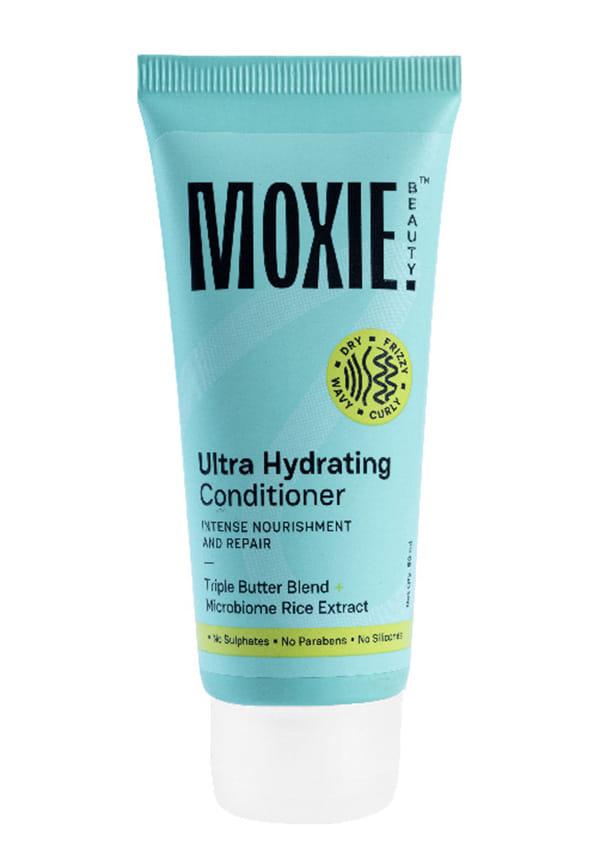
Ultra Hydrating Conditioner for Dry and Frizzy Hair
You can't actually remove humidity that's already in your hair, but you can prevent future moisture absorption by applying anti-frizz serums or lightweight oils that create a protective barrier. Focus on sealing the hair cuticles with products containing silicones or natural oils, and use techniques like cool air drying to help close the cuticles after styling.
Start with deep conditioning treatments that contain ceramides or other lipids to help repair damaged cuticles. Apply leave-in conditioners to damp hair, then use anti-frizz products to seal the cuticles. For immediate fixes, try smoothing a tiny amount of hair oil through your hair or using a humidity-blocking spray.
Sleep on silk or satin pillowcases to reduce friction, and consider wrapping your hair in a silk scarf or using a silk bonnet. Apply a light leave-in treatment before bed, and try protective styles like loose braids or a silk scrunchie ponytail. Keep your bedroom humidity levels moderate with proper ventilation or a dehumidifier.
Follow a three-step approach: start with hydrating cleansers that don't strip natural oils, apply moisture-sealing treatments like leave-in conditioners, and finish with humidity-blocking styling products. Wash less frequently to maintain natural oil balance, and always use heat protectant when styling.
While you can't permanently change your hair's structure, consistent use of protein treatments and deep conditioning can significantly improve your hair's resistance to humidity. Regular trims to remove damaged ends and protective styling can help maintain healthier hair that's naturally more resistant to environmental moisture.
Reduce washing frequency to 2-3 times per week maximum, as overwashing strips natural oils that help protect against humidity. Use co-washing or dry shampoo between regular wash days to refresh your hair without disrupting its moisture balance. Your hair's natural oils act as a protective barrier against environmental moisture.
Managing humid hair is all about understanding your hair's unique needs and working with its natural tendencies rather than against them. The key is building a solid foundation with proper cleansing and conditioning, then layering on protective products that create barriers against environmental moisture. Remember that consistency is crucial—you can't expect overnight results, but with the right routine, you'll definitely notice improvements in how your hair handles humidity.
Whether you're dealing with fine hair that goes limp in humidity or thick hair that turns into a frizzy mess, there are solutions that can work for your specific hair type. The trick is finding the right combination of products and techniques that suit your lifestyle and hair goals. Don't be afraid to experiment with different approaches until you find what works best for you.
If you're looking to try new products without committing to full sizes, Smytten offers trial packs from trusted haircare brands that can help you discover what works best for your humid hair challenges. With options from over 2,400 brands and the convenience of trying before you buy, you can build your perfect humidity-fighting routine without the guesswork.
