Manage Frizzy Humidity Hair FAQ: Your Questions Answered

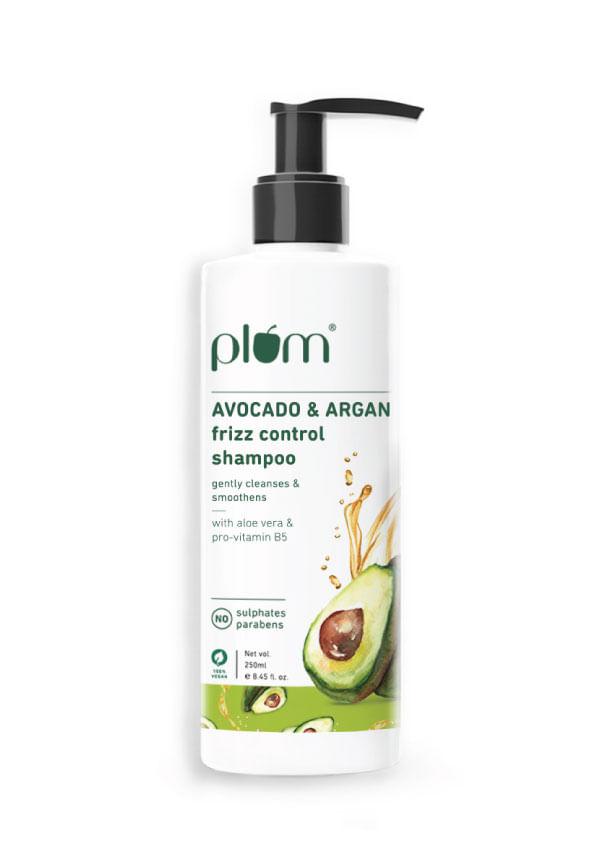
Avocado & Argan Frizz Control Shampoo For Curly, Wavy, Frizzy Hair
You know that moment when you step outside on a humid day and your hair instantly transforms into something that looks like you've been struck by lightning? Yeah, we've all been there. One minute you're feeling confident with your smooth blowout, and the next you're frantically searching for a hair tie while your locks have turned into a frizzy mess. The struggle is real, and if you're tired of battling humidity every time the weather gets a bit steamy, you're definitely not alone. Let's dive into everything you need to know about managing frizzy humidity hair, because your hair deserves better than being held hostage by the weather.
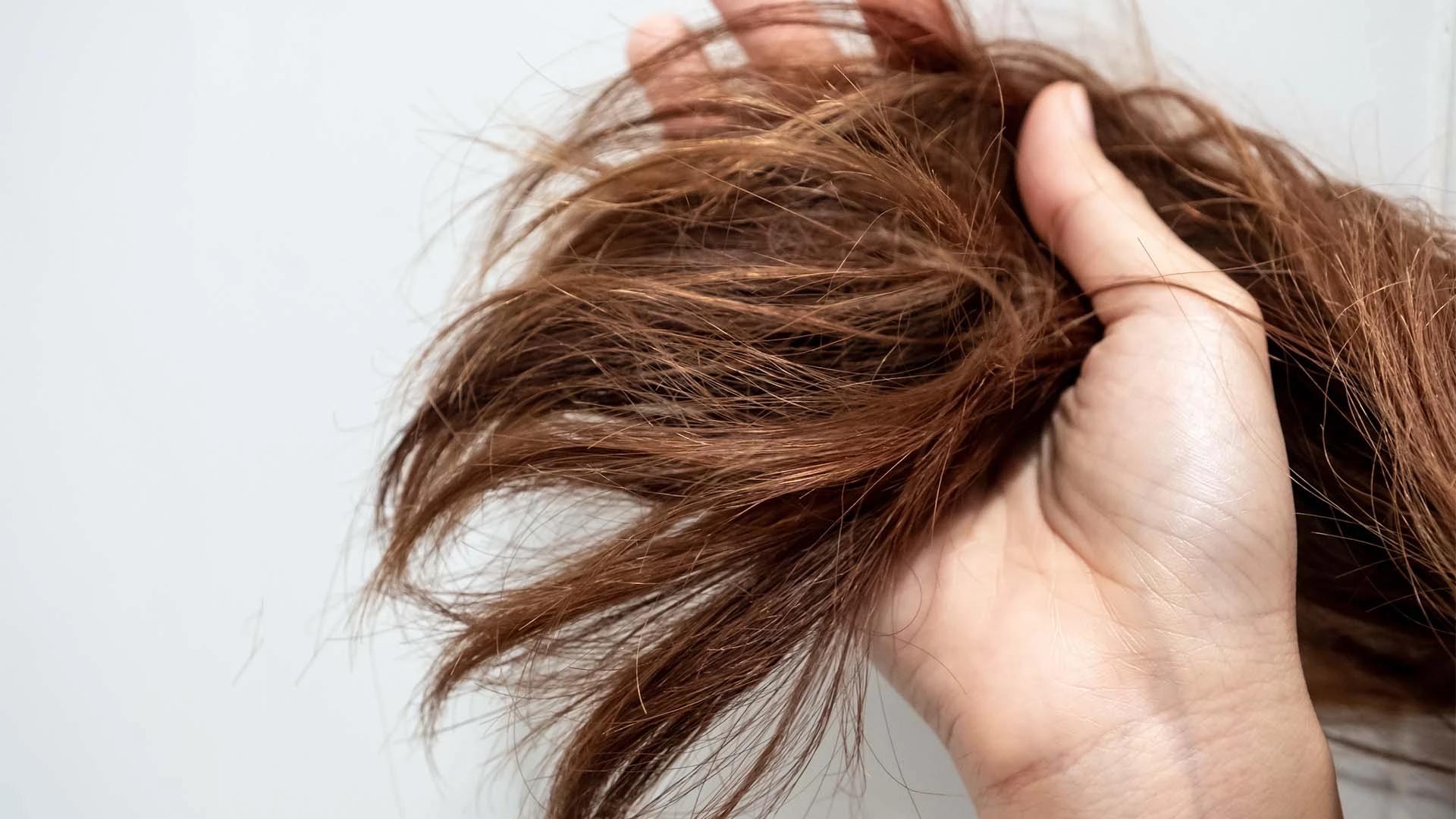
Real talk—understanding why your hair goes rogue in humid weather is the first step to winning this battle. When humidity levels rise, your hair cuticles (those tiny scales that cover each strand) start acting like tiny sponges. If your hair is even slightly damaged or porous, these cuticles lift up and allow moisture from the air to penetrate the hair shaft.
Here's where it gets interesting: your hair naturally contains hydrogen bonds that help maintain its shape. When moisture sneaks in, these bonds break and reform randomly, causing your hair to swell and change texture. That's why your straight hair might suddenly develop waves, or your naturally wavy hair turns into a frizzy cloud.
Hair porosity plays a massive role in how your hair reacts to humidity. Low porosity hair has tightly closed cuticles and tends to repel moisture, making it more humidity resistant. Normal porosity hair absorbs and releases moisture at a balanced rate, while high porosity hair (often from chemical processing or heat damage) soaks up humidity like a sponge, leading to maximum frizz potential.
Different hair types also respond differently to humid conditions. Fine hair might become limp and lose volume, while thick, coarse hair often becomes unruly and difficult to manage. Curly and textured hair types are particularly susceptible because their natural structure creates more opportunities for moisture to penetrate the hair shaft.
Finding the right humidity hair products can feel like searching for a needle in a haystack, but once you know what to look for, it becomes much easier. The key is understanding that different anti frizz treatment options work better for different hair types and concerns.
Hair smoothing serum is probably your best friend when it comes to fighting frizz. Look for lightweight formulas that won't weigh your hair down—silicone-based serums create a protective barrier against humidity, while silicone-free options use natural oils and polymers to smooth the hair cuticle. Apply these to damp hair before styling for maximum effectiveness.
Leave-in conditioners are absolute game-changers for maintaining hair hydration throughout the day. Choose formulas with humectants like glycerin (but be careful—in very humid conditions, glycerin can actually attract too much moisture). Protein-rich leave-ins work brilliantly for damaged hair that needs structural support.
Anti-humidity sprays act like invisible shields for your hair. These products typically contain film-forming polymers that create a barrier between your hair and the moisture in the air. They're particularly useful for maintaining styled hair throughout humid days.
When shopping for frizzy hair solutions, ingredients matter more than fancy packaging. Humectants like hyaluronic acid and sodium PCA help maintain optimal moisture levels without overdoing it. Emollients such as argan oil and shea butter smooth the hair cuticle and add shine.
For damaged hair, look for protein treatments containing hydrolysed keratin or silk amino acids. These ingredients help fill in gaps in the hair cuticle, making it more resistant to humidity. Natural oils like coconut oil and jojoba oil can also help seal the hair cuticle when used in moderation.
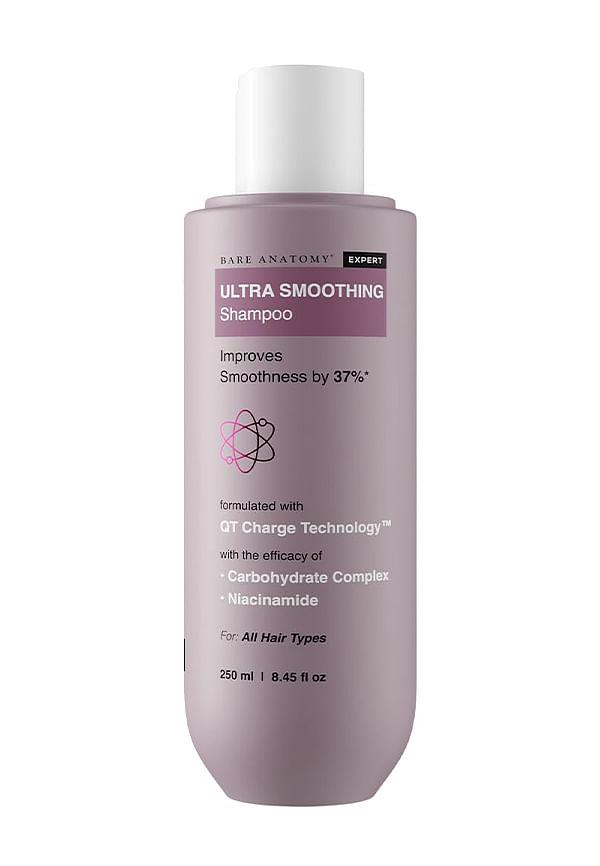
Ultra Smoothing Shampoo for Dry and Frizzy Hair
Creating an effective routine for managing frizzy humidity hair starts in the shower and extends through your styling process. The goal is to maintain proper hair hydration while creating a protective barrier against environmental moisture.
How often you wash your hair can significantly impact its ability to handle humidity. Over-washing strips your hair of natural oils, making it more porous and susceptible to frizz. Most hair types benefit from washing 2-3 times per week, though this varies based on your scalp type and lifestyle.
Water temperature matters more than you might think. Hot water opens the hair cuticle, making it more vulnerable to humidity damage. Stick to lukewarm water for washing and finish with a cool rinse to help seal the cuticle. This simple change can make a noticeable difference in how your hair handles humid weather.
When conditioning, focus on the mid-lengths and ends of your hair rather than the roots. Leave your conditioner on for at least 3-5 minutes to allow it to properly penetrate the hair shaft. For extra protection, consider using a deep conditioning treatment once a week to maintain optimal moisture levels.
How you dry your hair sets the foundation for how it will behave throughout the day. Rough towel drying can damage the hair cuticle and create more frizz. Instead, gently squeeze excess water from your hair using a microfibre towel or an old cotton t-shirt.
Air drying is often the gentlest option for frizz-prone hair, but technique matters. Apply your frizz control products to damp hair, then avoid touching it while it dries. If you need to speed up the process, use a diffuser attachment on your blow dryer with low heat and airflow settings.
Learning to manage unruly hair in humid conditions often requires rethinking your approach to styling. The goal isn't necessarily to fight your hair's natural texture, but rather to work with it while minimising frizz and maintaining control.
Heatless styling techniques can help you achieve smooth, controlled looks without the damage that makes hair more susceptible to humidity. Foam rollers work brilliantly for creating volume and smoothness—apply your styling products to damp hair, roll sections onto the rollers, and allow to air dry completely.
Braiding and twist-out methods are particularly effective for naturally textured hair. These techniques help stretch the hair while maintaining moisture, resulting in defined, frizz-free styles that can withstand humid conditions. The key is ensuring your hair is properly moisturised before styling and completely dry before unraveling.
When you do use heat styling tools, proper preparation is crucial. Always apply a heat protectant product to damp hair before blow-drying or using flat irons. Choose products that offer both heat protection and humidity resistance for double the benefits.
For blow-drying, use a round brush to smooth the hair cuticle as you dry each section. Keep the dryer moving and use the cool shot button at the end to help set your style. When flat ironing, work in small sections and avoid going over the same piece multiple times.
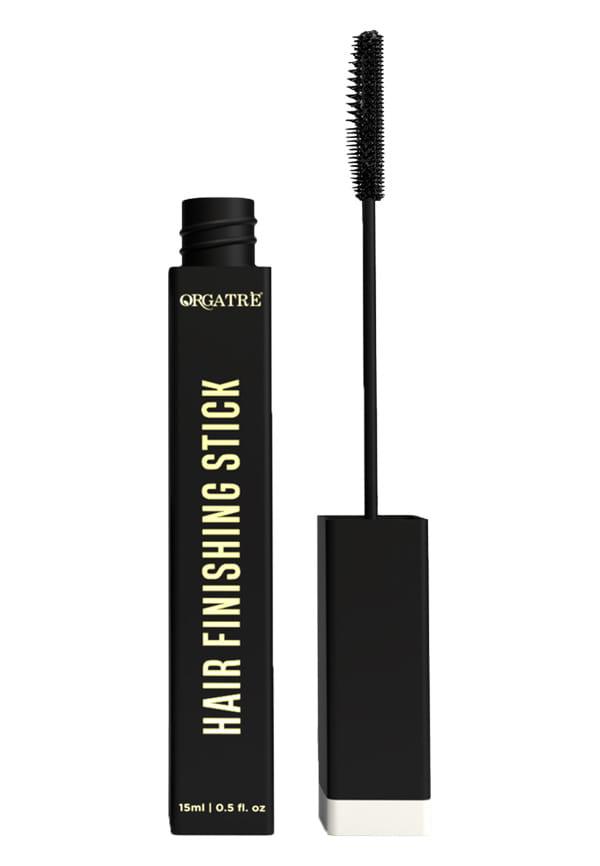
Hair Finishing Stick | Hair stick for frizzy hair | Anti flyaway for Smooth, Non-Greasy and Non-Sticky Look
Sometimes the best solutions come from your kitchen rather than expensive salon treatments. Natural ingredients can be incredibly effective for creating humidity resistant hair when used correctly.
Coconut oil and honey make an excellent hydrating mask that can help smooth the hair cuticle. Mix equal parts of both ingredients, apply to damp hair, and leave for 20-30 minutes before washing out. This treatment helps fill in microscopic gaps in damaged hair, making it more resistant to humidity.
Apple cider vinegar rinses can help smooth the hair cuticle and remove product buildup that might be weighing your hair down. Mix one part apple cider vinegar with three parts water, apply after shampooing, and rinse thoroughly. This treatment helps restore your hair's natural pH balance.
Aloe vera gel works as a natural anti frizz treatment that's particularly good for curly and textured hair. Apply a small amount to damp hair for light hold and frizz control without the crunch of traditional gels.
Your environment plays a bigger role in hair health than you might realise. Sleeping on silk or satin pillowcases reduces friction that can damage the hair cuticle overnight. These smooth fabrics also help maintain your hairstyle and reduce morning frizz.
If you live in a particularly humid climate, consider using a dehumidifier in your bedroom to create a more hair-friendly environment while you sleep. This can help prevent overnight frizz and make your morning routine much easier.
Even with the best intentions, it's easy to make mistakes that actually make humidity-related frizz worse. One of the biggest culprits is over-washing, which strips your hair of natural oils and makes it more porous. If your scalp gets oily quickly, try using dry shampoo between washes instead of washing daily.
Brushing wet or damp hair is another common mistake that can cause breakage and frizz. Wet hair is at its most vulnerable state, so if you need to detangle, use a wide-tooth comb and start from the ends, working your way up to the roots.
Using the wrong products for your hair porosity can also backfire. High porosity hair needs heavier, more occlusive products, while low porosity hair does better with lighter formulations. If you're not sure about your hair's porosity, try the water test—place a clean strand of hair in a glass of water and see how quickly it sinks.
Touching your hair while it's drying is tempting but counterproductive. Every time you run your fingers through damp hair, you're disrupting the cuticle and creating opportunities for frizz. Apply your products and then hands off until your hair is completely dry.
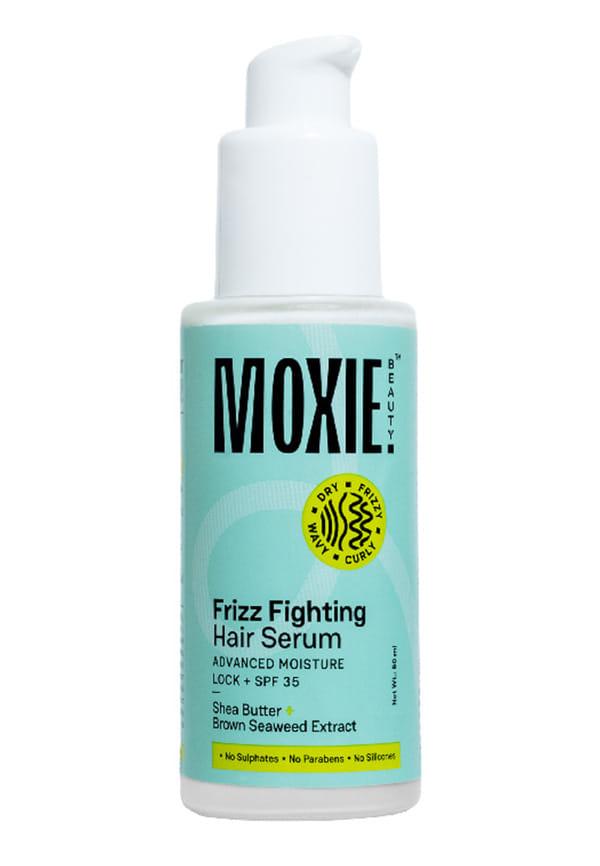
Frizz Fighting Hair Serum For Dry and Frizzy Hair
The most effective approach combines proper hydration with protective styling. Start with a moisturising shampoo and conditioner, apply a leave-in treatment to damp hair, and use a hair smoothing serum or anti-humidity spray before styling. Avoid touching your hair while it dries, and consider protective hairstyles on particularly humid days. The key is creating a barrier between your hair and environmental moisture while maintaining optimal hydration levels.
Several vitamin deficiencies can contribute to frizzy, unmanageable hair. Biotin (vitamin B7) deficiency can lead to brittle, frizzy hair, while vitamin D deficiency affects hair follicle health. Iron deficiency is particularly common and can cause hair to become dry and prone to breakage. Omega-3 fatty acids are also crucial for maintaining hair moisture and elasticity. If you suspect nutritional deficiencies, consult with a healthcare provider for proper testing and supplementation advice.
Protecting straightened hair from humidity requires a multi-step approach. Always use a heat protectant before straightening, and ensure your hair is completely dry before using hot tools. Apply an anti-humidity serum or spray immediately after straightening while your hair is still warm—this helps seal the cuticle. Avoid touching your hair throughout the day, and consider carrying a small bottle of anti-frizz serum for touch-ups if needed.
Embracing your hair's natural texture often works better than fighting it in humid conditions. For naturally wavy or curly hair, try the 'plopping' method—wrap damp, product-laden hair in a microfibre towel to encourage curl formation while reducing frizz. Protective styles like braids, buns, or twists can also help keep frizz at bay. If you prefer sleek styles, focus on thorough preparation with the right products rather than relying solely on heat styling.
Effective frizz control doesn't have to break the bank. Budget-friendly options include coconut oil as a natural serum, drugstore leave-in conditioners with glycerin, and DIY flaxseed gel for natural hold. Mid-range products often offer better formulations with ingredients like argan oil and keratin proteins. Higher-end products typically feature advanced polymers and salon-quality ingredients, but the key is finding what works for your specific hair type rather than focusing solely on price point.
Hair porosity determines how easily moisture can enter and exit your hair shaft, directly impacting how your hair reacts to humidity. Low porosity hair has tightly closed cuticles that resist moisture, making it less prone to humidity-induced frizz but harder to moisturise. High porosity hair absorbs moisture quickly, leading to more dramatic frizz in humid conditions but also responding well to deep conditioning treatments. Understanding your hair's porosity helps you choose the right products and techniques for managing humidity-related frizz.
While you can't permanently change your hair's natural structure, you can significantly improve its condition and manageability through consistent care and the right techniques. Professional treatments like keratin smoothing can provide long-lasting frizz reduction, typically lasting 3-6 months. Regular deep conditioning, protein treatments, and protective styling can also create lasting improvements in hair texture and humidity resistance. The key is consistency and using products suited to your specific hair type and concerns.
In very humid conditions, be cautious with humectants like glycerin, which can attract too much moisture from the air and cause frizz. Avoid products with high alcohol content, as these can dry out your hair and make it more susceptible to humidity damage. Heavy oils might also weigh down fine hair in humid conditions. Instead, look for lightweight, film-forming ingredients that create a protective barrier without adding excess weight or moisture.
Managing frizzy humidity hair doesn't have to be a daily battle that you're destined to lose. With the right combination of products, techniques, and understanding of your hair's unique needs, you can achieve smooth, controlled hair even when the humidity levels are through the roof. Remember that consistency is key—it might take some time to find the perfect routine for your hair type, but the results are definitely worth the effort.
The most important thing to remember is that healthy hair is more resistant to humidity damage. Focus on maintaining proper moisture balance, protecting your hair from excessive heat and chemical damage, and using products that work with your hair's natural texture rather than against it. Whether you're dealing with fine, straight hair that goes limp in humidity or thick, curly hair that turns into a frizzy mess, there are solutions that can help you achieve the smooth, manageable hair you're after.
Not sure which products might work best for your specific hair concerns? Smytten offers trial-size versions of many humidity-fighting haircare products—a smart way to test different formulations before committing to full-size bottles. With their curated selection of trusted brands and convenient trial options, you can experiment with different frizzy hair solutions until you find your perfect humidity-busting routine.
