Manage Frizzy Hair Problems: Your FAQ


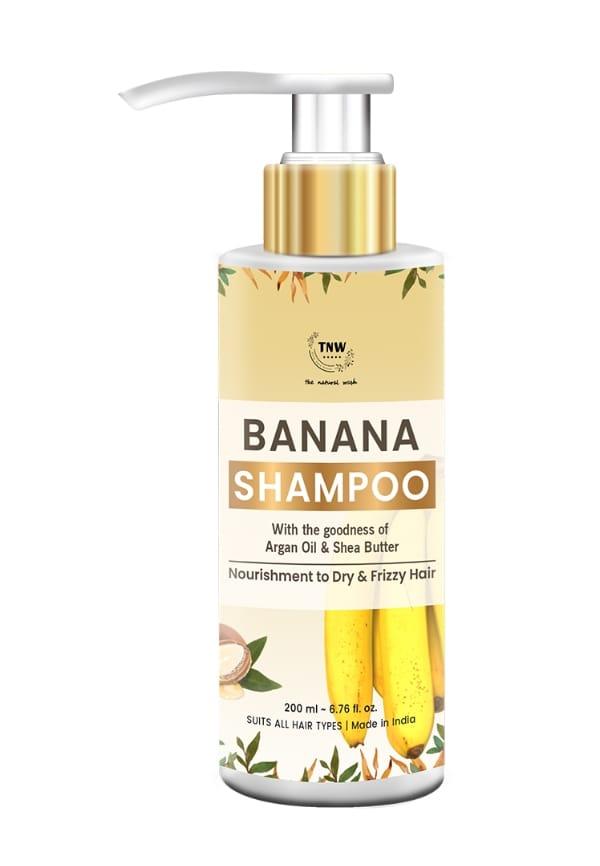
Banana Shampoo for Frizz | AntiFrizz Shampoo for All Hair Types | Banana Shampoo for Manageable Hair200ml
You know that moment when you step outside and your hair instantly transforms into a frizzy mess? Or when you spend ages styling your hair, only to catch your reflection later and wonder what happened? Real talk — frizzy hair is one of those universal struggles that can make even the best hair days feel impossible. Whether it's humidity wreaking havoc, damage from years of heat styling, or just your hair's natural texture doing its own thing, managing frizzy hair problems doesn't have to feel like an uphill battle. Let's dive into everything you need to know about taming those unruly strands and getting the smooth, manageable hair you're after.
Before we jump into frizzy hair solutions, it helps to understand what's actually happening to your hair. Frizz occurs when your hair cuticles lift and allow moisture from the air to penetrate the hair shaft, causing it to swell and create that fluffy, uncontrolled look. Think of your hair cuticles like roof shingles — when they're smooth and flat, your hair looks sleek. When they're raised, that's when the frizz party starts.
Several factors contribute to this cuticle lifting. Humidity is the obvious culprit, but damage from heat styling, chemical treatments, or even rough towel drying can weaken your hair structure. Genetics also play a role — some hair types are naturally more prone to frizz due to their shape and porosity. Curly and wavy hair textures often deal with more frizz because the irregular shape makes it harder for natural oils to travel down the hair shaft, leaving sections dry and vulnerable.
There are different types of frizz you might be dealing with. Surface frizz creates a halo effect around your head, whilst all-over frizz affects your entire hair length. Some people experience frizz only at the roots or ends, depending on where their hair is most damaged or dry. Understanding your specific frizz pattern helps you choose the right approach for hair frizz control.
Sometimes you need frizzy hair solutions that work right now. Whether you're running late or dealing with unexpected weather, these quick fixes can help tame frizzy hair in minutes.
When frizz strikes unexpectedly, a small amount of hair oil or serum can work wonders. Apply it to damp hands and gently smooth over your hair, focusing on the mid-lengths and ends. Avoid the roots unless your hair is very thick and coarse. A light misting of water followed by a leave-in conditioner can also help reset your hair's moisture balance.
If you have a few extra minutes, try the "praying hands" method — apply your anti frizz products by pressing them between your palms and smoothing down your hair in a prayer-like motion. This technique helps seal the cuticles without disturbing your hair's natural pattern. For really stubborn areas, a small amount of gel or styling cream can provide extra hold and smoothness.
The right products can make all the difference in managing dry frizzy hair. Your haircare for frizzy hair routine should include products that add moisture, seal the cuticles, and provide protection against environmental factors.
Leave-in conditioners are your first line of defence against frizz. They provide ongoing moisture and protection throughout the day. Look for lightweight formulas if you have fine hair, or richer creams if your hair is thick and coarse. Heat protectants are non-negotiable if you use styling tools — they create a barrier that prevents damage and helps maintain smoothness.
Hair serums and oils can provide that extra layer of frizz protection, especially for dry frizzy hair. Argan oil, jojoba oil, and lightweight silicone-based serums are popular choices. The key is finding the right amount — too little won't control the frizz, too much will weigh your hair down.
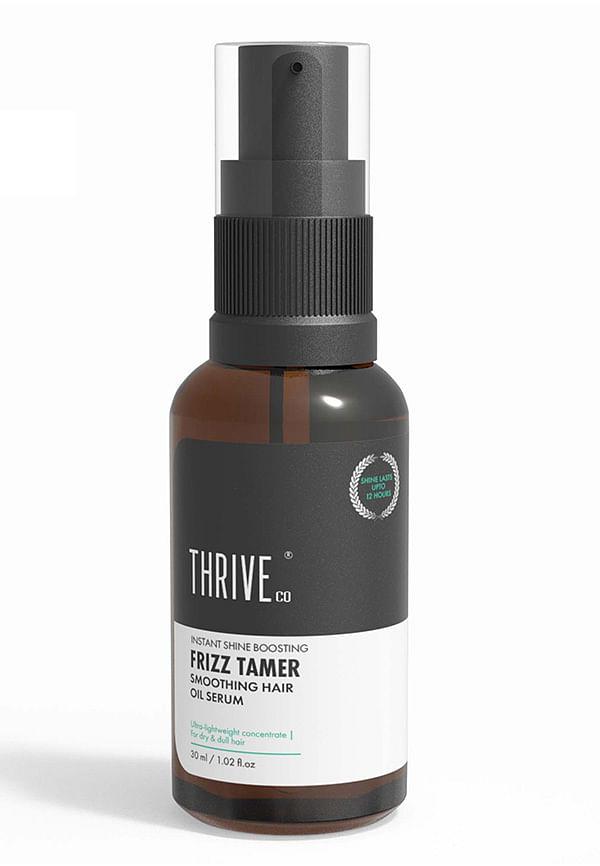
Frizz Tamer Smoothening Hair Oil
Silicones like dimethicone and cyclopentasiloxane create a protective film over your hair, sealing moisture in and humidity out. Natural oils penetrate the hair shaft to provide deep conditioning. Proteins like keratin and silk amino acids can help repair damaged cuticles and improve hair strength.
Humectants like glycerin and hyaluronic acid attract moisture to your hair, but be careful in very humid conditions — they can sometimes pull too much moisture from the air, leading to more frizz. Emollients like shea butter and coconut oil smooth the hair surface and add shine.
Sometimes the best frizzy hair solutions come straight from your kitchen. Natural ingredients can be incredibly effective for managing unruly hair, especially when used consistently as part of your routine.
Apple cider vinegar rinses help smooth the hair cuticles and remove product buildup that can contribute to frizz. Mix one part apple cider vinegar with three parts water and use it as a final rinse after shampooing. The acidity helps seal the cuticles, creating smoother, shinier hair.
Coconut oil treatments can deeply moisturise dry frizzy hair. Apply it to damp hair, focusing on the mid-lengths and ends, then leave it on for 30 minutes to several hours before washing out. For fine hair, try using it as a pre-shampoo treatment to avoid weighing your hair down.
Honey is a natural humectant that attracts and retains moisture. Mix it with a bit of olive oil for a nourishing hair mask. Avocado provides healthy fats and vitamins that can help repair damaged hair. Mash half an avocado with a tablespoon of honey for a weekly deep conditioning treatment.
Aloe vera gel can provide lightweight moisture and help define natural texture without weighing hair down. It's particularly good for those with wavy or curly hair who want to manage frizz whilst maintaining their natural pattern.
When at-home methods aren't enough, professional treatments can provide longer-lasting humidity hair remedies and frizz control. These treatments work by temporarily or permanently altering your hair's structure to create smoother results.
Keratin treatments coat the hair with proteins that fill in gaps in damaged cuticles, creating smoother, more manageable hair. Results typically last 3-6 months. Brazilian blowouts work similarly but tend to be less permanent. These treatments can significantly reduce styling time and improve your hair's resistance to humidity.
Deep conditioning treatments at the salon use professional-grade products and techniques that penetrate deeper than at-home treatments. Regular salon conditioning can help maintain hair health and reduce frizz over time.
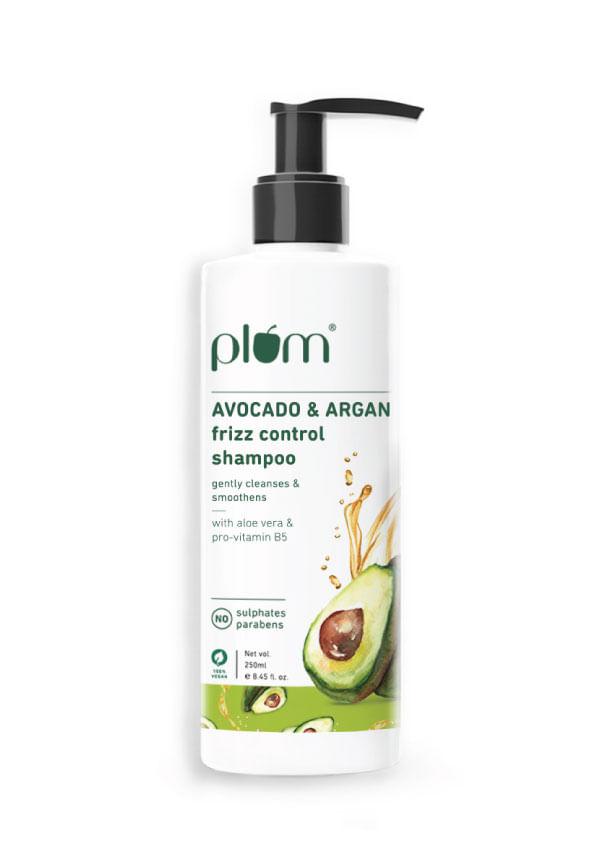
Avocado & Argan Frizz Control Shampoo For Curly, Wavy, Frizzy Hair
Consistency is key for long-term frizz management. Start with a moisturising shampoo and conditioner designed for your hair type. Wash your hair with lukewarm water rather than hot water, which can strip natural oils and increase frizz.
After washing, gently squeeze excess water from your hair rather than rubbing with a towel. Apply your leave-in products to damp hair, working from mid-lengths to ends. If you air dry, consider using a microfibre towel or cotton t-shirt to reduce friction.
Humidity is one of the biggest challenges when trying to achieve frizz free hair. Understanding how to protect your hair from environmental factors can make a huge difference in maintaining smooth styles.
On humid days, focus on creating a barrier between your hair and the moisture in the air. Use products with silicones or natural oils that can repel water. Apply them to slightly damp hair and seal with a light mist of hairspray for extra protection.
Consider protective hairstyles on particularly humid days. Braids, buns, and ponytails can help keep your hair contained and reduce exposure to humidity. Just make sure not to tie your hair too tightly, which can cause breakage.
Your hair's needs change with the weather. In winter, dry indoor heating can increase frizz, so you might need richer, more moisturising products. Summer humidity calls for lighter products with stronger hold and humidity protection.
Monsoon season requires special attention to drying techniques and protective styling. Consider switching to a more frequent but gentler washing routine during very humid periods to prevent buildup whilst maintaining moisture balance.
Start with a moisture-rich shampoo and conditioner suited to your hair type. Apply leave-in treatments to damp hair, focusing on the mid-lengths and ends. Use a microfibre towel or cotton t-shirt instead of regular towels to reduce friction. Avoid brushing wet hair, and when you do detangle, use a wide-tooth comb starting from the ends and working up.
Use products specifically formulated for dry and damaged hair, including weekly deep conditioning treatments. Wash your hair with lukewarm rather than hot water to prevent further moisture loss. Always use heat protection when styling, and consider reducing the frequency of heat styling. Switch to silk or satin pillowcases to reduce friction whilst you sleep, and avoid over-brushing, which can damage the cuticles.
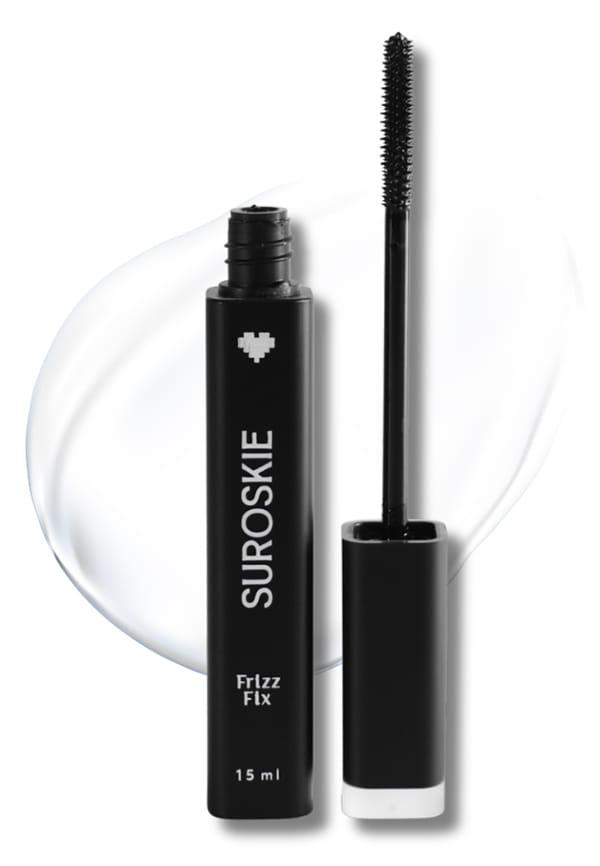
Anti Frizz Hair Stick
Yes, coconut oil can effectively reduce frizz by penetrating the hair shaft to provide deep moisture. It works best when applied to damp hair and left on for at least 30 minutes before washing. For fine hair, use it sparingly or as a pre-shampoo treatment. For thick, coarse hair, you can use it more liberally as an overnight treatment.
For immediate results, apply a small amount of hair serum or oil to damp hands and smooth over your hair. Use the praying hands method to avoid disturbing your hair's natural pattern. A light mist of water followed by leave-in conditioner can help reset moisture levels. For stubborn areas, a tiny amount of gel can provide extra control.
Frizz occurs when hair cuticles lift and allow moisture from the air to penetrate the hair shaft. This can be caused by humidity, heat damage from styling tools, chemical processing, rough handling, or genetics. Naturally curly and wavy hair types are more prone to frizz due to their structure and the difficulty for natural oils to travel down the hair shaft.
Yes, you can minimise humidity-induced frizz by using products that create a barrier against moisture, such as silicone-based serums or natural oils. Apply these to slightly damp hair and seal with a light hairspray. Consider protective hairstyles on very humid days, and avoid touching your hair frequently, which can disrupt the protective layer.
This depends on your hair type and lifestyle, but generally, frizzy hair benefits from less frequent washing to preserve natural oils. Most people with frizzy hair do well washing 2-3 times per week. If you exercise frequently or have an oily scalp, you might need to wash more often, but use a gentle, moisturising shampoo.
Avoid products with high alcohol content, which can be drying. Sulphates in shampoos can also strip natural oils, though some people with oily hair tolerate them well. Be cautious with protein treatments if your hair is already protein-sensitive, as too much protein can make hair brittle and more prone to frizz.
Managing frizzy hair problems is all about understanding your hair's specific needs and building a routine that works for your lifestyle. Whether you're dealing with humidity-induced frizz, damage from styling, or just your hair's natural texture, the right combination of products, techniques, and treatments can help you achieve the smooth, manageable hair you want.
Remember that consistency is more important than perfection. Start with the basics — gentle cleansing, adequate moisture, and protection from damage — then build from there. What works for your friend might not work for you, so don't be afraid to experiment with different approaches until you find your perfect routine.
The key is to work with your hair's natural texture rather than fighting against it. With the right care and products, even the most unruly hair can become your best feature. Not sure which products might work best for your specific hair type? Smytten offers trial-size versions of many haircare products — a smart way to test different formulas before committing to full-size bottles.
