Itchy Scalp Solutions FAQ: Common Questions Answered


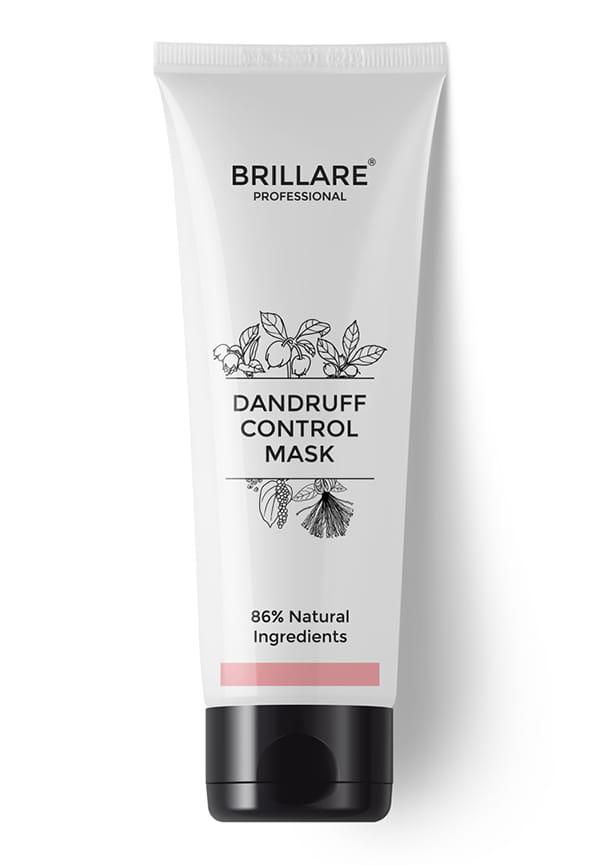
Conditioner For Itchy, Flaky Scalp
You know that moment when you're sitting in a meeting, trying to focus, but all you can think about is how desperately you want to scratch your scalp? Or when you're lying in bed at night, and the itching just won't stop? An itchy scalp can be absolutely maddening, and honestly, it's one of those things that can completely throw off your day. The good news? You're definitely not alone in this struggle, and there are loads of solutions that actually work.
Let's be real—figuring out why your scalp is driving you mad is the first step to finding proper itchy scalp solutions. Your scalp might be trying to tell you something important, and it's worth listening.
Dandruff is probably the most common culprit behind that persistent itch. Those white flakes aren't just embarrassing—they're often a sign of seborrheic dermatitis scalp conditions, where your scalp's natural oils go a bit haywire. This happens when a yeast called Malassezia decides to throw a party on your head, feeding off those oils and causing inflammation.
Then there's the classic dry scalp situation. If your scalp feels tight, especially after washing, and you're seeing small, dry flakes rather than the oily ones that come with dandruff, you're dealing with dryness. This often happens during winter months or if you're using harsh shampoos that strip away natural moisture.
Product buildup is another sneaky cause that many people overlook. All those styling products, dry shampoos, and even regular shampoos can accumulate on your scalp over time, creating a layer that irritates your skin and blocks your hair follicles. It's like your scalp is suffocating under all that buildup.
Sometimes, it's actually scalp psoriasis treatment that you need. This autoimmune condition causes thick, silvery scales and can be incredibly itchy. Unlike regular dandruff, psoriasis patches tend to be thicker and more defined, often extending beyond your hairline.
Environmental factors play a huge role too. Hard water, pollution, extreme temperatures, and even stress can trigger scalp irritation relief needs. Your scalp is basically reacting to everything your body is going through.
When your scalp is screaming for attention and you need relief right now, these quick fixes can be absolute lifesavers. Think of them as your emergency scalp first aid kit.
Cold therapy works wonders for immediate soothing scalp treatments. Wrap some ice cubes in a clean cloth and gently press it against the itchiest spots for a few minutes. The cold numbs the area and reduces inflammation instantly. If you've got aloe vera gel in your fridge, even better—apply it directly to your scalp for that cooling sensation.
Sometimes the quickest dry scalp treatment is simply washing your hair with cool water. Hot water can make itching worse by drying out your scalp even more, whilst cool water helps calm irritated skin. Use a gentle, sulfate-free shampoo and massage your scalp very lightly—no aggressive scrubbing.
Here's a trick that might sound odd but works brilliantly: resist the urge to scratch. Instead, try gently tapping or pressing the itchy areas with your fingertips. Scratching can create micro-tears in your scalp, leading to more irritation and potential infection.
If you suspect product buildup is the issue, a clarifying rinse can provide instant relief. Mix equal parts water and apple cider vinegar, pour it over your scalp after shampooing, let it sit for a minute, then rinse thoroughly. This helps restore your scalp's natural pH balance.
When it comes to tackling persistent scalp issues, you've got two main paths: medical treatments and natural remedies. Both have their place, and often the best approach combines elements of each.
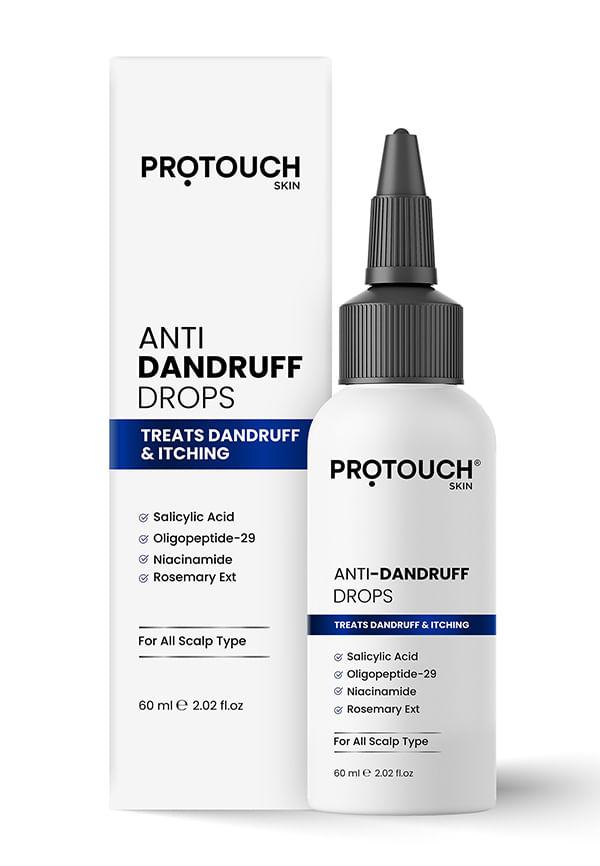
SKIN Anti Dandruff Drops Serum Soothes Itchy, Inflamed Scalp
Medicated shampoos are your heavy hitters for stubborn dandruff remedies. Look for ingredients like ketoconazole (brilliant for fungal issues), salicylic acid (great for removing buildup), or zinc pyrithione (excellent for reducing inflammation). These aren't just fancy marketing terms—they're clinically proven to work.
For natural remedies for itchy scalp, tea tree oil is a game-changer. Its antifungal and antibacterial properties make it perfect for sensitive scalp care. Just remember to dilute it properly—a few drops in your regular shampoo will do the trick.
Prescription treatments become necessary when you're dealing with severe conditions like scalp psoriasis or chronic seborrheic dermatitis. Topical steroids, prescription antifungals, or specialised medicated shampoos might be what your scalp needs to finally find peace.
Sometimes the best solutions are sitting right in your kitchen cupboard. These itchy scalp home remedies have been tried and tested by countless people dealing with similar struggles, and they're gentle enough for sensitive scalp care.
Apple cider vinegar is like a reset button for your scalp. Mix one part ACV with three parts water, apply it to your scalp after shampooing, leave it for a few minutes, then rinse. It helps balance your scalp's pH levels and removes buildup that might be causing irritation.
Coconut oil deserves its reputation as a scalp saviour. Warm a small amount between your palms and massage it gently into your scalp about 30 minutes before washing your hair. Its antimicrobial properties help fight the bacteria and fungi that can cause itching, whilst its moisturising qualities soothe dry, irritated skin.
Aloe vera gel straight from the plant (or a pure, store-bought version) provides instant cooling relief. Apply it directly to itchy spots and leave it on for 15-20 minutes before rinsing. It's particularly brilliant for inflamed or sunburned scalps.
Oatmeal isn't just for breakfast—colloidal oatmeal makes an excellent scalp mask. Blend plain oats into a fine powder, mix with water to form a paste, and apply to your scalp. Leave it on for 15 minutes before rinsing. Oatmeal contains compounds called avenanthramides that have anti-inflammatory properties.
Peppermint oil provides a lovely tingling sensation that can distract from itching whilst its antimicrobial properties get to work. Always dilute it in a carrier oil—about 2-3 drops per tablespoon of coconut or jojoba oil.
Building a proper haircare routine when you're dealing with scalp issues isn't just about finding the right products—it's about creating a gentle, consistent approach that gives your scalp time to heal.
Your shampoo choice makes all the difference in effective haircare for itchy scalp. Look for sulfate-free formulations that won't strip your scalp of its natural oils. Ingredients like ceramides, hyaluronic acid, and niacinamide can help maintain your scalp's moisture barrier.
Washing frequency is crucial—too much and you'll dry out your scalp, too little and you'll allow buildup to accumulate. Most people with itchy scalps do best washing 2-3 times per week, but this can vary depending on your hair type and lifestyle.
Water temperature matters more than you might think. Hot water feels lovely, but it can strip away natural oils and worsen irritation. Lukewarm water is your friend—it's warm enough to clean effectively without causing additional dryness.
When choosing styling products, read those ingredient lists carefully. Avoid anything with high alcohol content, strong fragrances, or harsh chemicals. Your scalp is already irritated, so the last thing it needs is more potential irritants.
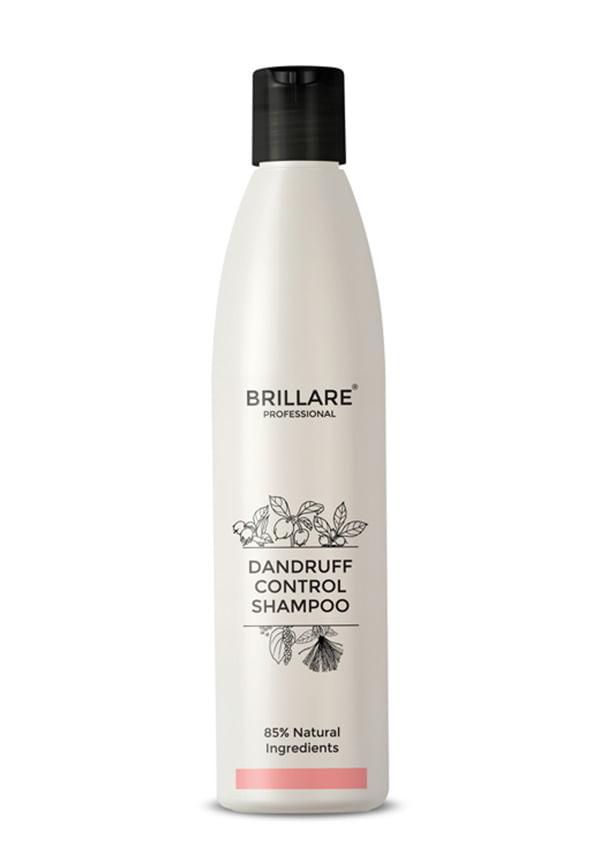
Dandruff Control Shampoo For Itchy, Flaky Scalp
Consider incorporating a weekly scalp treatment into your routine. This could be a gentle exfoliating scrub to remove dead skin cells, a moisturising mask for dry scalps, or a clarifying treatment to remove buildup.
If you've ever wondered why your scalp seems to get itchier as soon as your head hits the pillow, you're not imagining things. There are actually several reasons why nighttime can make scalp irritation worse.
Your pillow and bedding materials can be major culprits. Cotton pillowcases can be rough on sensitive skin and can harbour dust mites, whilst synthetic materials might not breathe well, leading to increased moisture and heat around your scalp. Switching to silk or bamboo pillowcases can make a noticeable difference.
Room humidity levels affect your scalp more than you might realise. Dry air from heating or air conditioning can worsen seborrheic dermatitis scalp conditions and general dryness. A humidifier in your bedroom can help maintain optimal moisture levels.
Stress and anxiety often peak at bedtime when your mind finally has a chance to process the day. This can trigger or worsen scalp irritation relief needs, as stress hormones can increase inflammation and make you more sensitive to itching.
Creating an evening scalp care routine can help break this cycle. Try applying a small amount of soothing oil or aloe vera to particularly itchy spots before bed. Keep your nails short to minimise damage if you do scratch in your sleep, and consider wearing soft cotton gloves if nighttime scratching is a real problem.
Whilst many scalp issues can be managed at home, there are definitely times when professional help is necessary. Knowing when to seek medical advice can save you weeks of frustration and prevent potential complications.
If you're seeing blood from scratching, experiencing significant hair loss, or noticing thick, silvery scales that don't respond to over-the-counter treatments, it's time for scalp psoriasis treatment from a professional. These symptoms often indicate conditions that need prescription medications.
Persistent itching that doesn't improve after 2-3 weeks of consistent home treatment warrants a dermatologist visit. Sometimes what seems like simple dandruff is actually a more complex condition requiring specialised seborrheic dermatitis scalp treatment.
Signs of infection—such as pus, severe redness, warmth, or fever—need immediate medical attention. Scratching can introduce bacteria into small wounds on your scalp, leading to secondary infections that require antibiotic treatment.
If your scalp issues are affecting your quality of life, sleep, or mental health, don't hesitate to seek help. Chronic itching can be incredibly distressing, and dermatologists have access to treatments that can provide significant relief.
Getting rid of an itchy scalp permanently usually involves identifying and addressing the underlying cause. Start with gentle, sulfate-free shampoos and establish a consistent washing routine. If it's dandruff-related, medicated shampoos with ketoconazole or zinc pyrithione can be very effective. For dry scalp issues, focus on moisturising treatments and avoiding harsh products. Persistent cases often require professional diagnosis to rule out conditions like psoriasis or dermatitis that need specific treatments.
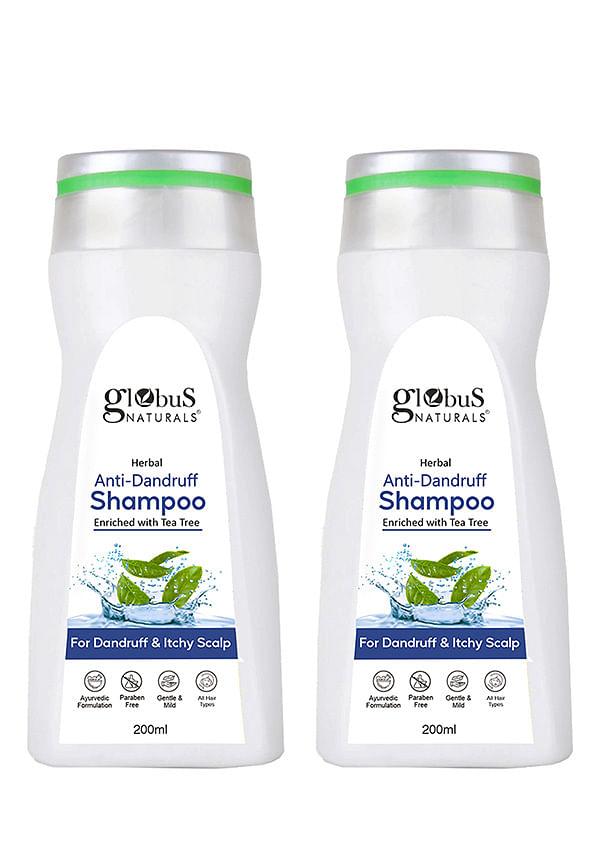
Anti Dandruff Shampoo, For Dandruff and Itchy Scalp
For immediate relief, try applying a cold compress to the itchy areas for a few minutes. Aloe vera gel provides instant cooling and anti-inflammatory benefits. Avoid scratching and instead try gentle tapping or pressing. A cool water rinse with a mild shampoo can help if product buildup is the issue. Apple cider vinegar diluted with water can also provide quick pH balancing and relief.
Coconut oil can be very effective for itchy scalp, particularly when the issue is related to dryness or fungal overgrowth. Its antimicrobial properties help fight the bacteria and fungi that can cause itching, whilst its moisturising qualities soothe irritated skin. Warm a small amount and massage it into your scalp 30 minutes before washing. However, if you have very oily hair or scalp, coconut oil might be too heavy and could worsen the problem.
Recent increases in scalp itching can be triggered by several factors: seasonal changes (especially winter dryness), new hair products, increased stress levels, hormonal changes, or even changes in your water supply. Consider what's changed in your routine recently—new shampoo, styling products, or even laundry detergent for your pillowcases. Environmental factors like heating systems or air conditioning can also dry out your scalp.
Seborrheic dermatitis typically responds well to antifungal treatments. Medicated shampoos containing ketoconazole, selenium sulfide, or zinc pyrithione are first-line treatments. For severe cases, topical steroids prescribed by a dermatologist may be necessary. Maintaining a consistent routine with gentle products and avoiding triggers like stress and harsh chemicals is crucial for long-term management.
The healing time varies significantly depending on the underlying cause. Simple dryness or product irritation might improve within a few days to a week with proper care. Dandruff-related itching typically takes 2-4 weeks of consistent treatment to show significant improvement. More complex conditions like psoriasis or chronic dermatitis may take several months to fully manage, and often require ongoing maintenance rather than a complete cure.
Some natural remedies can be quite effective, particularly for mild to moderate scalp issues. Tea tree oil has proven antifungal properties that rival some medicated treatments. Apple cider vinegar helps restore scalp pH balance. However, for severe or persistent conditions, medicated treatments are usually more reliable and faster-acting. Many people find success combining natural remedies with medical treatments for a comprehensive approach.
Dealing with an itchy scalp can feel overwhelming, but remember that you've got loads of options to find relief. Whether your scalp needs gentle moisture, antifungal treatment, or just a break from harsh products, there's definitely a solution that'll work for your specific situation.
The key is being patient and consistent with whatever approach you choose. Your scalp didn't become irritated overnight, and it won't heal overnight either. Give treatments time to work—usually at least 2-3 weeks—before deciding they're not effective.
If you're exploring different products to find what works best for your scalp, Smytten's curated selection includes gentle shampoos, soothing treatments, and scalp care products from trusted brands. Not sure which format works for your hair? Smytten also offers trial-size versions of many of these products—a good way to check before committing to a full bottle.
