Itchy Scalp Remedies FAQ: Common Questions Answered

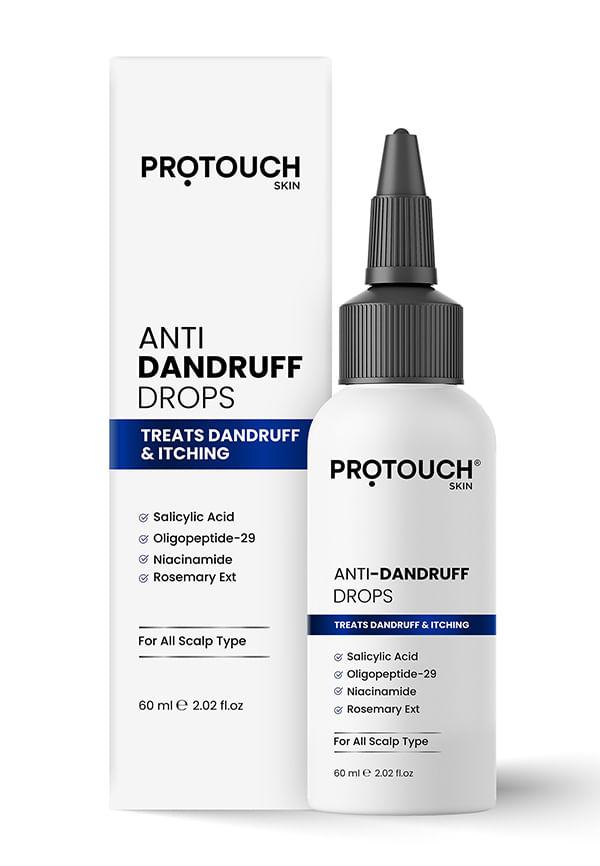
SKIN Anti Dandruff Drops Serum Soothes Itchy, Inflamed Scalp
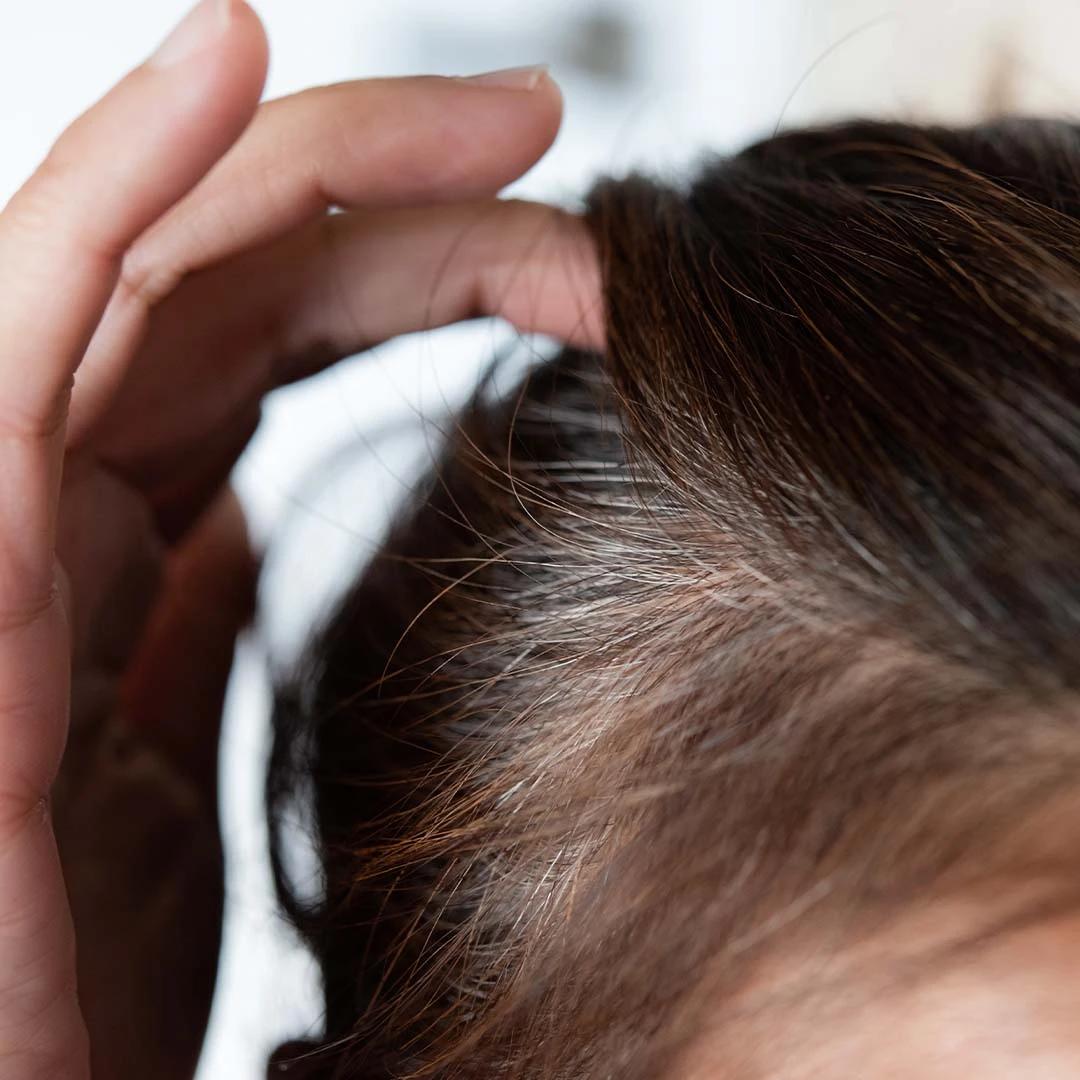
You know that maddening moment when your scalp starts itching in the middle of an important meeting? Or when you're lying in bed, and suddenly your head feels like it's hosting its own personal itch festival? Real talk — an itchy scalp is one of those things that can drive you absolutely mental, especially when you can't figure out what's causing it or how to make it stop. Whether it's dryness, dandruff, or something else entirely, that constant urge to scratch can mess with your confidence and your sanity. The good news? There are loads of proven remedies that actually work, from quick fixes you can try right now to long-term solutions that'll keep your scalp happy and healthy.
Before diving into solutions, let's get real about what's actually happening up there. Your scalp might be sending you SOS signals for several reasons, and knowing the cause helps you pick the right remedy. Think of it like detective work — once you crack the case, the solution becomes way clearer.
Seborrheic dermatitis is probably the most common culprit behind that persistent itch. It shows up as red, scaly patches and often comes with dandruff as its annoying sidekick. Then there's contact dermatitis, which happens when your scalp throws a tantrum over certain hair products — basically, your skin's way of saying "nope, not having it." Psoriasis and eczema can also make your scalp their playground, creating thick, itchy patches that feel impossible to ignore. Fungal infections, whilst less common, can turn your scalp into an itchy nightmare that needs proper medical attention.
Sometimes the problem isn't medical — it's just life being life. Over-washing strips your scalp of natural oils, leaving it dry and irritated, whilst under-washing lets oil and product build-up create the perfect breeding ground for bacteria. Harsh chemical treatments like bleaching or frequent colouring can leave your scalp feeling raw and angry. Stress and hormonal changes mess with everything, including your scalp's oil production. Even the weather plays a part — dry winter air can leave your scalp parched, whilst humid summers might trigger excess oil production.
When your scalp is driving you mad and you need relief right now, these quick fixes can be absolute lifesavers. The key is choosing something that'll calm the irritation without making things worse.
Aloe vera gel is like a cool drink of water for your angry scalp. Apply it directly to the itchy areas and let it work its magic for about 20 minutes before rinsing. A cool water rinse can provide instant relief too — just avoid hot water, which can make irritation worse. Peppermint oil, when properly diluted with a carrier oil like coconut or jojoba, creates a cooling sensation that distracts from the itch. Apple cider vinegar mixed with equal parts water can help restore your scalp's pH balance and reduce inflammation.
Anti-itch shampoos containing ingredients like zinc pyrithione, selenium sulphide, or coal tar can provide targeted relief for specific scalp conditions. Look for medicated scalp treatments with hydrocortisone for inflammation or salicylic acid for gentle exfoliation. Cooling sprays and serums designed for scalp care can offer on-the-go relief when you can't wash your hair.
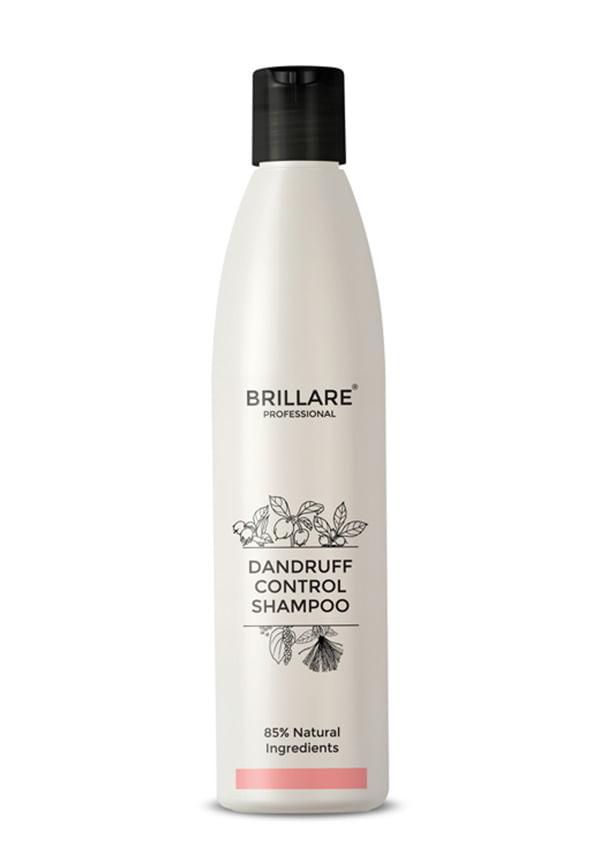
Dandruff Control Shampoo For Itchy, Flaky Scalp
Natural remedies aren't just trendy — many have genuine science backing their effectiveness. The best part? Most of these ingredients are probably already in your kitchen or easily available at any local shop.
Lemon juice works brilliantly for oily, itchy scalps thanks to its natural acidity that helps balance pH levels and reduce fungal growth. Mix fresh lemon juice with water and apply to your scalp, leaving it on for 10-15 minutes before washing. Baking soda creates a gentle exfoliating paste when mixed with water — perfect for removing dead skin cells and product build-up. Olive oil provides deep moisturisation for dry scalp treatment, whilst coconut oil offers both hydration and antimicrobial properties that can tackle multiple scalp issues at once.
Tea tree oil is a powerhouse for antifungal action, making it brilliant for dandruff relief and scalp irritation caused by fungal overgrowth. Always dilute it properly — a few drops in your regular shampoo works perfectly. Neem leaves, when boiled and cooled, create a soothing rinse that reduces inflammation and fights bacteria. Colloidal oatmeal treatments provide gentle relief for sensitive, irritated scalps, whilst fenugreek seeds soaked overnight and ground into a paste offer both soothing and strengthening benefits.
Here's where things get interesting — dry scalp and dandruff might seem similar, but they need completely different approaches. Getting this wrong can actually make your scalp problems worse, so let's sort this out properly.
Dry scalp flakes are typically small, white, and dry, whilst dandruff flakes are larger, yellowish, and often oily. Dry scalp feels tight and irritated, especially after washing, whilst dandruff comes with redness and sometimes an oily feeling. If you're dealing with dry scalp, you need more moisture and gentle care. Dandruff, on the other hand, often requires antifungal treatments and more frequent washing to control oil production.
For dry scalp treatment, focus on moisturising ingredients like hyaluronic acid, glycerin, and natural oils. Weekly deep conditioning treatments can work wonders — apply a nourishing mask from mid-length to scalp and leave it on for 20-30 minutes. Gentle exfoliation with a soft brush or your fingertips helps remove dead skin without causing further irritation. For dandruff relief, look for ingredients like ketoconazole, selenium sulphide, or zinc pyrithione that target the underlying fungal causes.
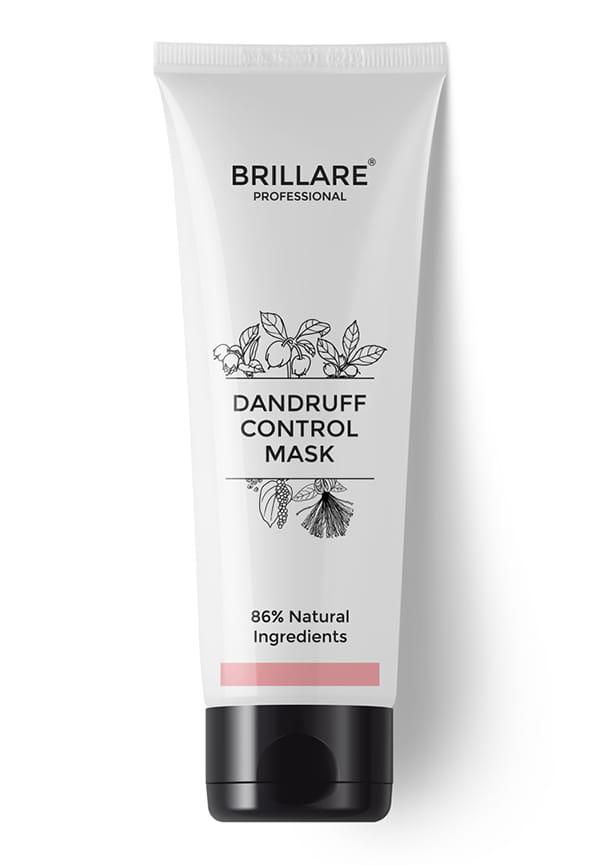
Conditioner For Itchy, Flaky Scalp
Prevention really is better than cure, especially when it comes to scalp care. Building good habits now can save you from future itchy scalp drama and keep your hair looking and feeling its best.
Finding the right washing frequency is crucial — most people with scalp issues benefit from washing every 2-3 days, but this varies based on your hair type and scalp condition. Avoid products with harsh sulphates, artificial fragrances, and alcohol, which can strip and irritate your scalp. When styling, be gentle — tight hairstyles and excessive heat can stress your scalp and trigger irritation. Regular scalp massage improves circulation and helps distribute natural oils, keeping your scalp healthy and balanced.
Stress management isn't just good for your mental health — it directly impacts your scalp condition. High stress levels can trigger inflammatory responses that worsen itching and irritation. Your diet plays a role too — foods rich in omega-3 fatty acids, zinc, and B vitamins support healthy scalp function. Even your sleep position matters — sleeping on clean pillowcases and avoiding rough fabrics can prevent nighttime scalp irritation.
Sometimes, despite your best efforts with natural remedies and over-the-counter solutions, your scalp continues to cause problems. Knowing when to seek professional help can save you time, discomfort, and prevent potential complications.
Dermatologists can prescribe stronger treatments like ketoconazole shampoos for stubborn fungal issues or fluocinolone solutions for inflammatory conditions. Corticosteroid treatments provide powerful anti-inflammatory relief for severe scalp irritation, whilst prescription antifungal medications tackle persistent infections that don't respond to over-the-counter options. These treatments are typically more potent and targeted than what you can buy yourself.
If your scalp itching persists for more than two weeks despite trying various remedies, it's time to see a professional. Signs of infection like pus, severe redness, or swelling need immediate attention. Hair loss accompanying the itching could indicate an underlying condition that requires medical treatment. Trust your instincts — if something feels seriously wrong, don't hesitate to get it checked out.
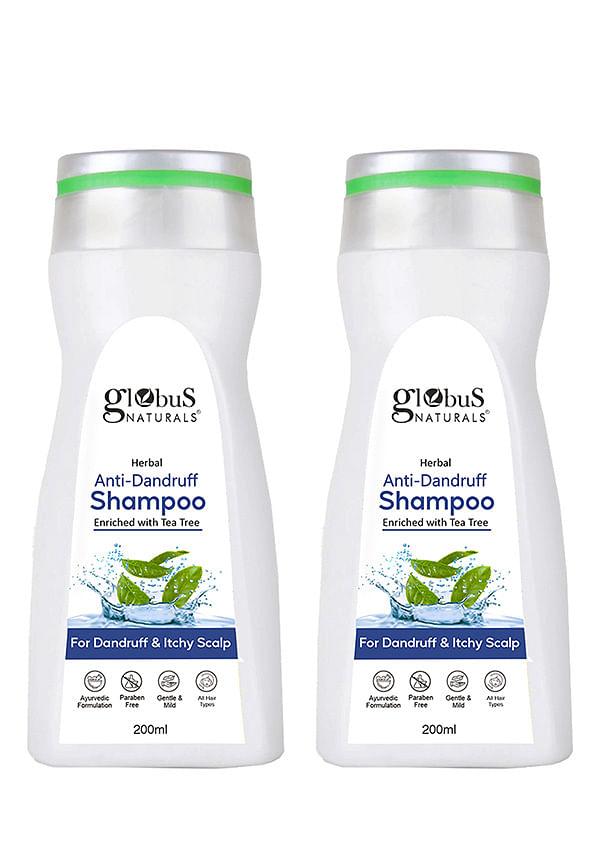
Anti Dandruff Shampoo, For Dandruff and Itchy Scalp
Most natural remedies show initial results within a few days to a week of consistent use. However, complete relief might take 2-4 weeks, depending on the underlying cause and severity of your scalp condition. The key is consistency — using remedies sporadically won't give you the results you're looking for.
Generally yes, but introduce them one at a time to see how your scalp reacts. Avoid mixing acids (like lemon juice or apple cider vinegar) with oils in the same treatment session, as this can reduce effectiveness. When using essential oils, stick to one type at a time to prevent overwhelming your scalp.
Nighttime itching often intensifies because there are fewer distractions, making you more aware of the sensation. Additionally, lying down can increase blood flow to your scalp, potentially worsening inflammation. Dry indoor air from heating or air conditioning can also contribute to nighttime scalp irritation.
Avoid essential oils like rosemary, sage, and high concentrations of tea tree oil during pregnancy. Stick to gentle, natural options like aloe vera, coconut oil, and oatmeal treatments. Always consult your healthcare provider before trying new treatments during pregnancy or whilst breastfeeding.
For most scalp conditions, washing every 2-3 days strikes the right balance between removing irritants and preserving natural oils. If you have dandruff, you might need to wash more frequently, whilst dry scalp conditions often improve with less frequent washing. Pay attention to how your scalp responds and adjust accordingly.
Absolutely. Foods rich in omega-3 fatty acids (like salmon and walnuts), zinc (found in pumpkin seeds and chickpeas), and B vitamins can support scalp health. Reducing inflammatory foods like processed sugars and excessive dairy might also help some people. Staying well-hydrated is equally important for maintaining healthy skin and scalp function.
Dealing with an itchy scalp doesn't have to be a never-ending battle. Whether you're tackling dryness, dandruff, or general scalp irritation, the right combination of immediate relief tactics and long-term prevention strategies can get you back to comfortable, healthy scalp days. Remember that what works for your friend might not work for you — scalp care is surprisingly personal, and finding your perfect routine might take some experimentation. The key is being patient with the process and consistent with whatever approach you choose. If you're exploring new haircare products to support your scalp health journey, Smytten offers trial-size versions of many scalp-friendly shampoos and treatments — a smart way to test what works for your specific needs before committing to full-size bottles.
