Itchy Scalp Monsoon Solutions FAQ: Your Questions Answered

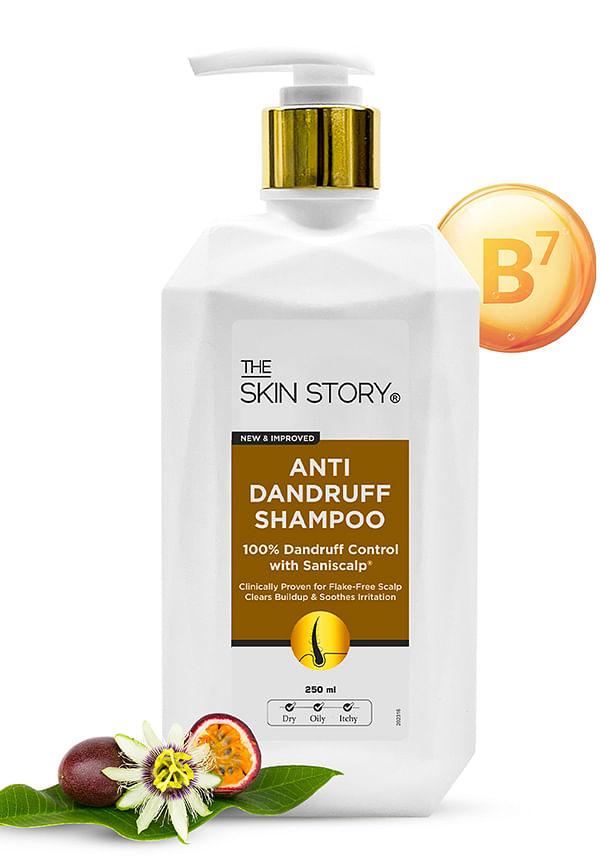
Anti Dandruff Shampoo For Oily Dry Itchy Scalp With Saniscalp
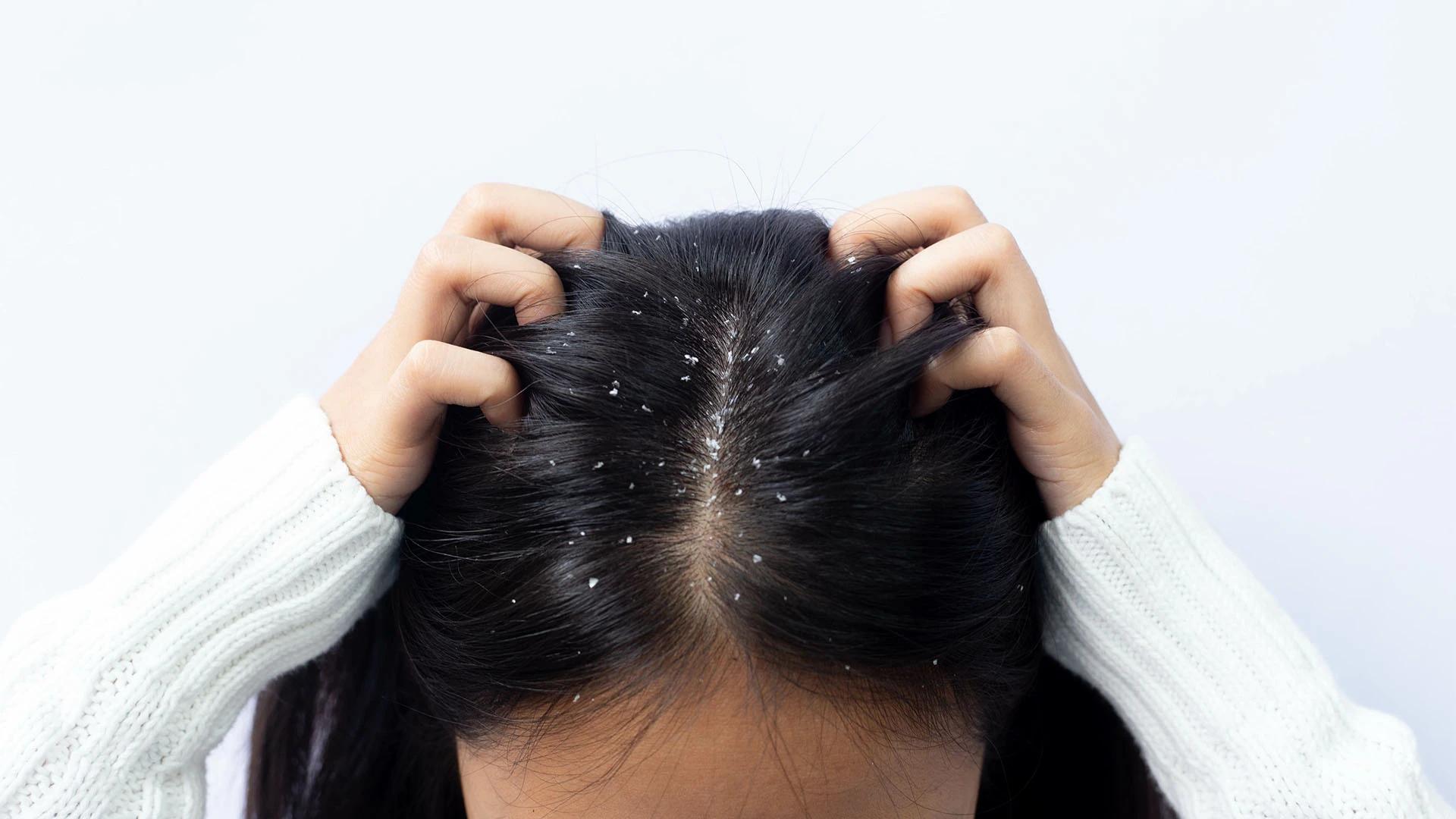
You know that feeling when the first monsoon shower hits and your scalp decides to throw a proper tantrum? One minute you're celebrating the weather change, the next you're scratching like there's no tomorrow. If you've been dealing with an itchy, irritated scalp this monsoon season, you're definitely not alone. The combination of humidity, trapped moisture, and all that lovely monsoon chaos can turn even the healthiest scalp into an itchy mess. Let's sort through the most common questions about itchy scalp monsoon solutions and get you back to enjoying those rainy days without the constant urge to scratch.
Real talk — monsoon weather is basically a perfect storm for scalp issues. The increased humidity doesn't just make your hair frizzy; it creates an environment where your scalp produces more oil than usual whilst also trapping moisture against your skin. This combination becomes a breeding ground for fungi and bacteria that love nothing more than warm, damp conditions.
When humidity levels spike during monsoon, your scalp's sebaceous glands go into overdrive. The trapped moisture from rain, combined with increased sweating, creates the perfect environment for Malassezia — the fungus responsible for dandruff and seborrheic dermatitis. Plus, rainwater often carries pollutants that can disrupt your scalp's natural pH balance, leading to irritation and inflammation.
During monsoon season, you might notice your dandruff getting worse, or develop new issues like folliculitis (inflamed hair follicles) or contact dermatitis from environmental pollutants. These conditions often present as persistent itching, flaking, redness, or small bumps on the scalp.
When your scalp is driving you mad with itching, you need relief fast. These itchy scalp remedies can provide almost instant comfort whilst you work on longer-term solutions for your monsoon hair care routine.
The quickest way to get scalp irritation relief is a cool water rinse. Cold water helps reduce inflammation and provides immediate cooling relief. You can also apply a cold compress wrapped in a thin towel to the itchiest areas for 5-10 minutes. Gentle scalp massage using your fingertips (never nails) can help redistribute oils and reduce tension that contributes to itching.
Apple cider vinegar diluted with water (1:3 ratio) makes an excellent emergency rinse that helps restore your scalp's pH balance. A paste made from baking soda and water can provide gentle exfoliation to remove buildup. Cold green tea, rich in antioxidants, works as a soothing rinse, whilst a simple oatmeal mask can calm inflammation and provide moisture.
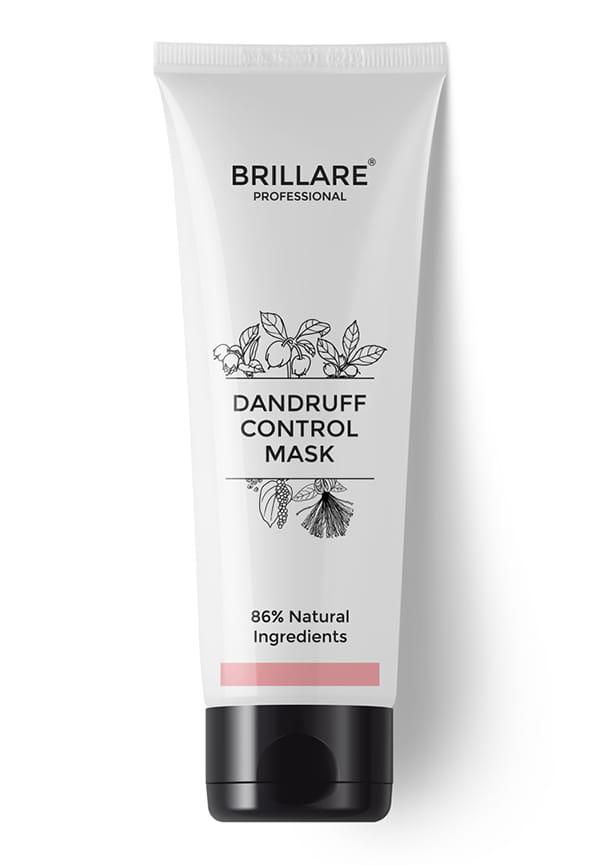
Conditioner For Itchy, Flaky Scalp
Sometimes home remedies aren't enough, and you need the big guns. The right anti-itch shampoo can make all the difference in managing monsoon scalp issues. Look for formulations specifically designed for dandruff treatment and scalp health.
Zinc pyrithione is your best friend for fungal control and reducing inflammation. Ketoconazole works brilliantly for stubborn fungal infections, whilst selenium sulfide tackles severe dandruff cases. Salicylic acid helps exfoliate dead skin cells and unclog hair follicles, preventing buildup that can worsen itching.
Don't just slap on medicated shampoo and rinse immediately. Dilute it slightly with water, massage gently into your scalp, and let it sit for 2-3 minutes before rinsing with lukewarm (not hot) water. Use these shampoos 2-3 times per week initially, then reduce frequency as your scalp improves.
Natural ingredients can be incredibly effective for haircare for humid weather. These soothing scalp treatments work with your scalp's natural processes rather than against them, making them perfect for sensitive skin that's already dealing with monsoon stress.
Tea tree oil is a powerhouse for fungal control — mix 2-3 drops with a tablespoon of coconut oil for a treatment that fights infection whilst moisturising. Rosemary oil improves circulation and can help reduce inflammation. Peppermint oil provides cooling relief, whilst lavender oil calms irritated skin and reduces stress-related scalp tension.
Neem water (made by boiling neem leaves and cooling the liquid) has antibacterial properties that work brilliantly for monsoon scalp issues. Fresh aloe vera gel straight from the plant provides instant cooling and healing. Lemon juice diluted with water helps balance pH, whilst coconut oil offers deep conditioning without being too heavy for humid weather.
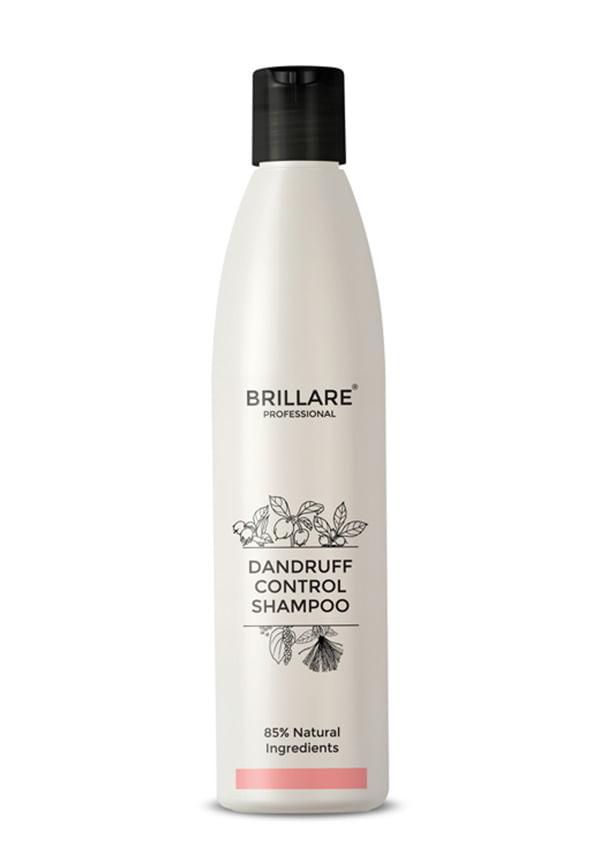
Dandruff Control Shampoo For Itchy, Flaky Scalp
Managing itchy scalp during monsoon isn't just about treating symptoms — it's about creating a routine that prevents issues before they start. Your monsoon hair care routine should focus on keeping your scalp clean, balanced, and protected from environmental stressors.
Start your morning by gently massaging your scalp to stimulate circulation. If you get caught in the rain, rinse your hair with clean water as soon as possible to remove pollutants. In the evening, do a quick scalp check and apply a light, natural oil if needed. Once a week, do a deeper treatment with your chosen remedy.
During monsoon, less is definitely more. Heavy styling products can trap moisture and create buildup that worsens itching. Choose lightweight, water-based formulations over oil-heavy products. Avoid anything with harsh sulphates or alcohol that can strip your scalp's natural protective barrier.
Different scalp conditions require different approaches. Understanding whether you're dealing with fungal issues, bacterial problems, or simple irritation helps you choose the most effective hair fungus treatment or dry scalp solutions.
Fungal infections typically present with persistent itching, flaking, and sometimes a musty smell. They require consistent antifungal treatment — whether through medicated shampoos or natural antifungals like tea tree oil. Prevention involves keeping your scalp as dry as possible and avoiding sharing hair tools.
Dry scalp needs gentle hydration without heavy oils that can trap moisture. Think lightweight oils like jojoba or argan applied sparingly. Oily scalp requires more frequent washing with clarifying ingredients, but be careful not to over-strip, which can actually increase oil production.
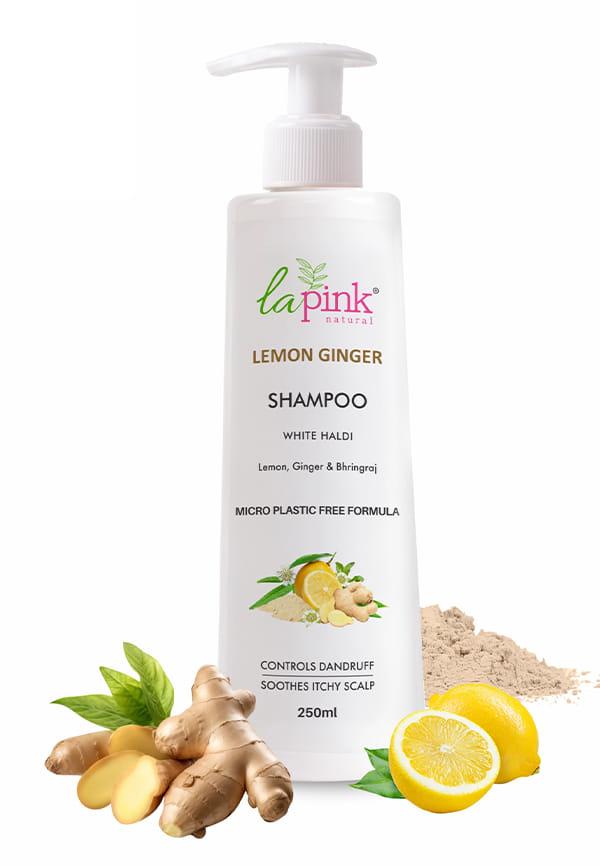
Lemon Ginger Shampoo with White Haldi to Control Dandruff & Soothe Itchy Scalp
For instant relief, try a cold water rinse followed by a diluted apple cider vinegar treatment. The cold water reduces inflammation whilst the vinegar helps restore your scalp's natural pH balance. You can also apply a cold compress for 5-10 minutes or use a few drops of peppermint oil mixed with a carrier oil for cooling relief. Avoid scratching, which can worsen irritation and potentially lead to infection.
Prevention is all about moisture control and cleanliness. Dry your hair thoroughly after getting wet, especially the scalp area. Use antifungal ingredients like tea tree oil or neem in your routine 2-3 times per week. Avoid sharing hair tools, change pillowcases frequently, and choose breathable fabrics for headwear. If you're prone to fungal issues, consider using a medicated shampoo once a week as prevention.
This depends on your scalp type, but generally, washing every other day or every two days works well during monsoon. If you have an oily scalp or get caught in the rain frequently, daily washing with a gentle shampoo is fine. For dry or sensitive scalps, stick to 2-3 times per week but rinse with water on non-wash days if you've been exposed to rain or pollution.
Natural remedies can be very effective, especially for mild to moderate scalp issues. Tea tree oil, neem, aloe vera, and apple cider vinegar all have proven antimicrobial and anti-inflammatory properties. However, severe fungal infections or persistent problems might need medicated treatments. Natural remedies work best as part of a comprehensive routine rather than standalone solutions.
Avoid heavy silicones, mineral oils, and petroleum-based ingredients that can trap moisture and create buildup. Harsh sulphates can strip your scalp's natural protection, making it more vulnerable to irritation. Also steer clear of products with high alcohol content, which can dry out your scalp and trigger increased oil production. Stick to gentle, pH-balanced formulations with natural antimicrobial ingredients.
See a professional if your itching persists for more than two weeks despite consistent treatment, if you develop painful sores or pustules, or if the itching is so severe it affects your sleep or daily activities. Also seek help if you notice hair loss, spreading redness, or signs of secondary bacterial infection like increased pain, warmth, or pus formation.
Managing an itchy scalp during monsoon doesn't have to be a constant battle. The key is understanding that humidity and moisture create the perfect environment for scalp issues, so your routine should focus on maintaining balance rather than completely stripping or over-moisturising your scalp. Whether you choose natural remedies like tea tree oil and neem, or opt for medicated shampoos with zinc pyrithione, consistency is what makes the difference. Remember that prevention is always easier than treatment — keep your scalp clean and dry, avoid heavy products, and address issues early before they become persistent problems. If you're looking to experiment with different scalp care products without committing to full sizes, Smytten offers trial-size versions of many scalp treatments and specialised shampoos — a smart way to find what works for your specific scalp needs during this challenging season.
