Itchy Scalp Dandruff Relief FAQ: Your Questions Answered

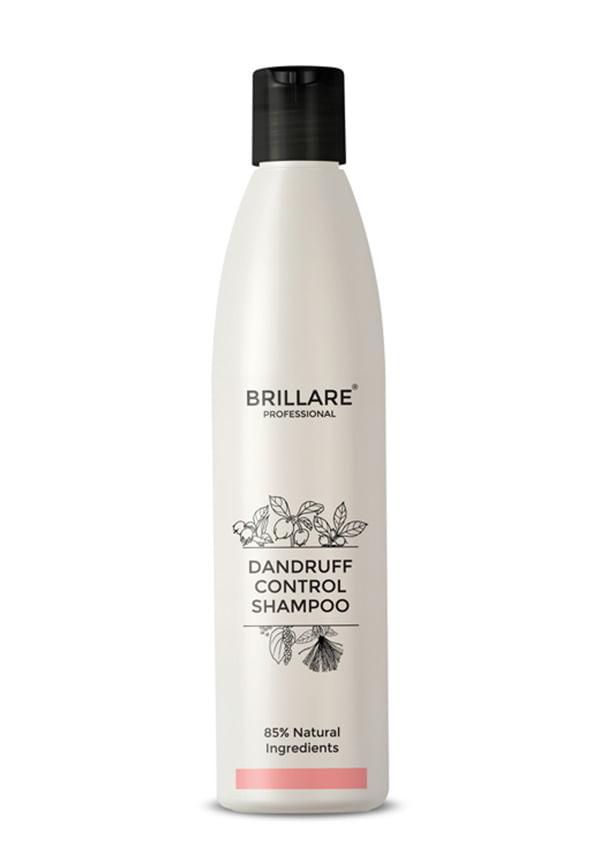
Dandruff Control Shampoo For Itchy, Flaky Scalp
Nourishing & Dandruff-Fighting Shampoo
 5
5“This shampoo deeply nourishes the scalp and strengthens the hair from roots to tips. and removes all dandruff within 2..4 wash”
Love this product, order every time
5“love this product i ordered it every time”
Quick Results, Gentle & Amazing Quality
5“you will see results quickly rather than anything, very gentle small quantity enough , quality amazing”
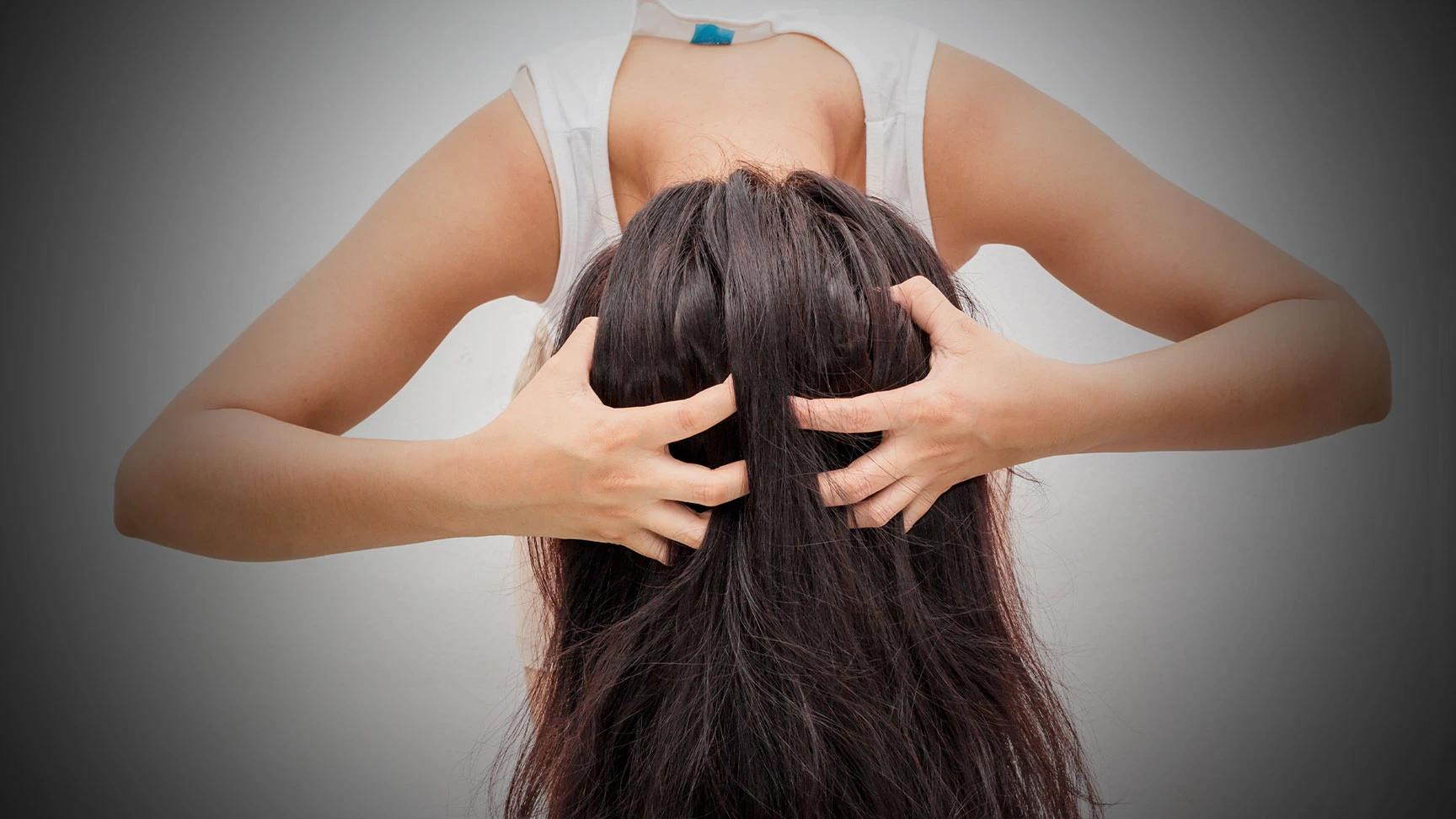
That moment when your scalp starts itching in the middle of an important meeting, and you're trying not to scratch because everyone's watching. Or when you notice white flakes on your black top just before heading out. We've all been there, and honestly, it's frustrating when your scalp decides to act up at the worst possible times. The good news? Itchy scalp dandruff relief isn't some impossible quest—it's totally achievable once you know what you're dealing with and how to tackle it properly.
Let's be real—before you can fix the problem, you need to know what's actually going on up there. Most people think dandruff is just dry skin, but that's only part of the story. The main culprit is usually a yeast called Malassezia that naturally lives on your scalp. When this little troublemaker gets out of control, it feeds on the oils your scalp produces and creates irritation that leads to flaking and itching.
Seborrheic dermatitis is the fancy name for what most of us call dandruff, and it's different from a genuinely dry scalp. With seborrheic dermatitis, your scalp is actually producing plenty of oil—sometimes too much—which feeds the yeast. A dry scalp, on the other hand, happens when your scalp isn't producing enough natural oils, leading to tight, flaky skin that's more like what you'd see on dry elbows or knees.
Environmental triggers can make everything worse. Stress, hormonal changes, humid weather, and even certain hair products can throw your scalp's balance off. Some people also develop contact dermatitis from ingredients in shampoos, conditioners, or styling products. If you've recently switched products and noticed your scalp getting angry, that might be your answer right there.
When your scalp is driving you mad with itching, you need relief now, not next week. Here's your emergency protocol for soothing scalp irritation fast. First, resist the urge to scratch—I know it's torture, but scratching can damage your scalp and make the inflammation worse, creating a vicious cycle.
Try a cold compress instead. Wrap some ice cubes in a thin cloth and gently press it against the itchiest spots for a few minutes. The cold helps numb the itch and reduces inflammation. Aloe vera gel straight from the fridge works brilliantly too—it's cooling, anti-inflammatory, and won't clog your pores or make oiliness worse.
If you're at home and can wash your hair, rinse with cool water and gently massage your scalp with your fingertips (not nails) using a mild, fragrance-free shampoo. Sometimes just removing buildup and excess oils can provide immediate relief. For a quick DIY scalp itch treatment, mix a tablespoon of baking soda with enough water to make a paste, massage it gently into your scalp, leave for five minutes, then rinse thoroughly.
Anti-dandruff shampoos aren't all created equal, and understanding the active ingredients can help you pick the right one for your specific situation. Zinc pyrithione is probably the gentlest option and works by controlling the Malassezia yeast that causes most dandruff. It's found in many over-the-counter shampoos and is safe for regular use.
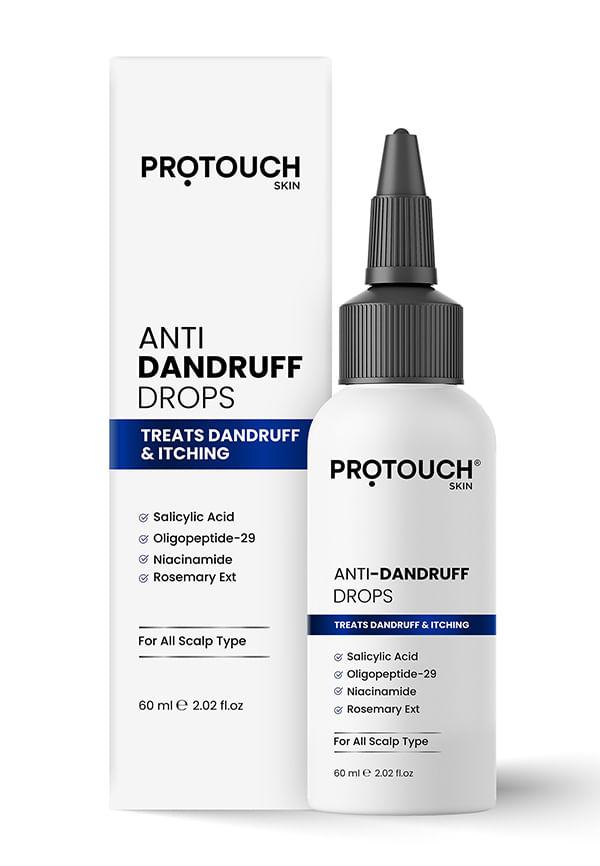
SKIN Anti Dandruff Drops Serum Soothes Itchy, Inflamed Scalp
Ketoconazole is the heavy-duty antifungal that dermatologists often recommend for stubborn cases. It's more potent than zinc pyrithione and can tackle severe dandruff, but you'll typically only use it a couple of times a week. Salicylic acid works differently—it's a gentle exfoliant that helps remove flaky buildup and can be particularly helpful if you have a flaky scalp solution needs.
The key to getting results from medicated shampoos is proper application. Don't just lather and rinse immediately. Work the shampoo into your scalp, then leave it on for five to ten minutes before rinsing. This contact time lets the active ingredients actually do their job. Start with using these shampoos every other day, then adjust based on how your scalp responds.
Sometimes the best solutions come from your kitchen or local health store. Natural dandruff treatment options can be incredibly effective, especially when used consistently and correctly. The trick is knowing which ones actually have science behind them and how to use them safely.
Tea tree oil is a powerhouse for scalp care because it's both antifungal and anti-inflammatory. But here's the crucial bit—never use it undiluted. Mix 5-10 drops with a tablespoon of carrier oil like coconut or jojoba oil. Massage this mixture into your scalp, leave for 20 minutes, then shampoo as usual. You can also add a few drops to your regular shampoo.
Apple cider vinegar helps restore your scalp's natural pH balance and has antimicrobial properties. Mix one part ACV with two parts water, apply to your scalp after shampooing, massage gently, then rinse after five minutes. The smell disappears once your hair dries, and many people notice reduced itching within a few uses.
Coconut oil provides moisture for dry scalp relief while also having antifungal properties. For an overnight treatment, warm a small amount of coconut oil, massage it into your scalp, cover with a shower cap, and wash out in the morning. If overnight feels too intense, try a 30-minute treatment before your regular shampoo routine.
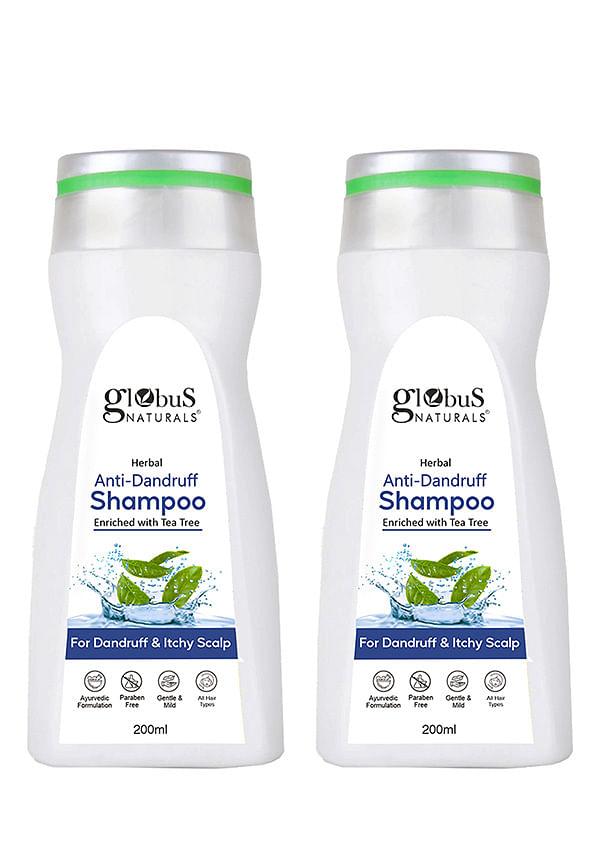
Anti Dandruff Shampoo, For Dandruff and Itchy Scalp
Cooling Anti-Dandruff Shampoo
5“एंटी डैंड्रफ शैंपू शैंपू बहुत अच्छे हैं इससे गर्मियों में बहुत अच्छा लगता है ठंडा ठंडाफील होता है”
Unexpectedly good quality
5“I love it not expected this quality super”
Nice Product, Quick Delivery & Reasonable Price
5“very very nice and beautiful product quick delivery reasonable price thank you smitten for this beautiful product”
Consistency beats intensity when it comes to scalp care. Building a routine that you can actually stick to is more valuable than trying extreme treatments that you'll abandon after a week. Your daily routine should be gentle enough not to irritate your scalp but effective enough to keep symptoms under control.
For most people, washing every other day works well. Daily washing can strip your scalp of natural oils, potentially making dryness worse, while washing too infrequently allows buildup that feeds the yeast. Use lukewarm water rather than hot, which can be drying and irritating. When you shampoo, focus on your scalp rather than the lengths of your hair.
Weekly deep treatments can help maintain balance. This might be a medicated shampoo if you're using gentler daily products, or a natural treatment like the coconut oil or tea tree oil protocols mentioned earlier. Pay attention to seasonal changes too—you might need more moisture in winter and lighter products in humid summer months.
Lifestyle factors matter more than you might think. Stress can trigger flare-ups, so finding ways to manage stress can actually improve your scalp health. Getting enough sleep, staying hydrated, and eating a balanced diet all support healthy skin, including your scalp. Some people find that reducing dairy or sugar helps their symptoms, though this varies from person to person.
Sometimes DIY approaches aren't enough, and that's completely normal. If you've been trying over-the-counter treatments and itchy scalp home remedies for six to eight weeks without improvement, it's time to get professional help. Dermatologists have access to prescription-strength treatments that can tackle stubborn cases.
Red flags that warrant immediate professional attention include severe inflammation, open sores from scratching, signs of infection like pus or extreme tenderness, or if the condition is spreading beyond your scalp to your face or neck. Sometimes what looks like dandruff is actually psoriasis, eczema, or another condition that needs specific treatment.
Prescription treatments might include stronger antifungal shampoos, topical steroids for inflammation, or even oral medications in severe cases. Your dermatologist can also help identify specific triggers and create a personalised treatment plan that addresses your particular type of scalp issue.
For quick relief, start with a medicated shampoo containing zinc pyrithione or ketoconazole, used every other day with proper contact time. Combine this with cooling treatments like aloe vera gel between washes. Most people see improvement within a week, though complete resolution usually takes 2-4 weeks of consistent treatment.
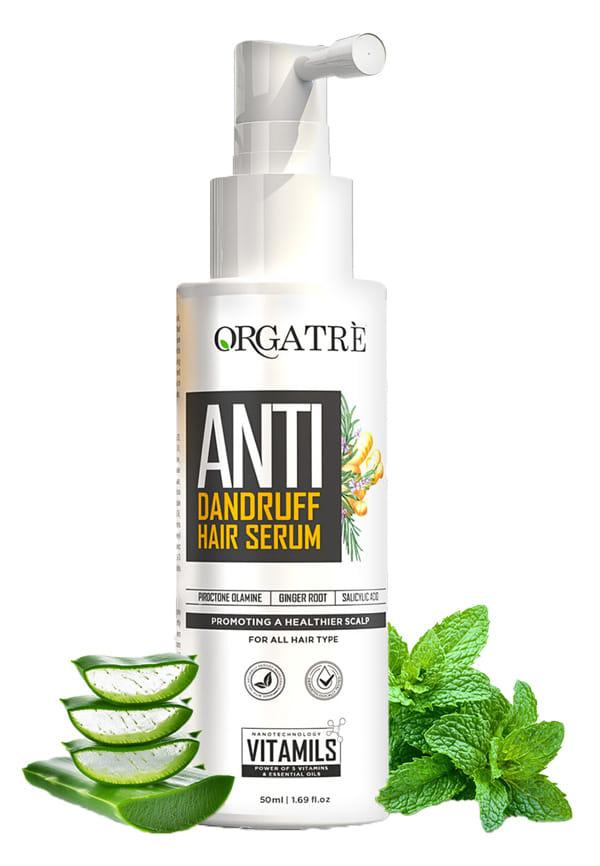
Anti Dandruff Hair Serum | Treatment for Dandruff, Flaky & Dry Scalp
Dandruff is typically a chronic condition that can be managed very effectively but rarely "cured" permanently. The Malassezia yeast that causes most dandruff naturally lives on everyone's scalp, so the goal is keeping it balanced rather than eliminating it completely. With the right routine, many people can go months or even years without symptoms.
Dry scalp flakes are usually smaller, whiter, and less oily than dandruff flakes. Dry scalp often feels tight and may be accompanied by dry skin elsewhere on your body. Dandruff flakes tend to be larger, more yellow or grey, and your scalp may actually feel oily. The treatments are different, so getting the diagnosis right matters.
Most people with dandruff benefit from washing every other day or every two days. Daily washing can be too harsh, while washing less frequently allows buildup that feeds the yeast causing dandruff. If you have very oily hair, daily washing with a gentle shampoo might work better, while those with dry hair might do well with twice-weekly washing.
Natural remedies can be very effective, especially for mild to moderate cases. Tea tree oil, apple cider vinegar, and coconut oil all have research supporting their use. However, severe cases often respond better to medicated shampoos initially, with natural treatments used for maintenance. The best approach often combines both.
Winter brings lower humidity, indoor heating, and hot showers—all of which can dry out your scalp. Paradoxically, this can trigger more oil production as your scalp tries to compensate, feeding the yeast that causes dandruff. Stress from holiday seasons and less sunlight can also worsen symptoms.
The path to a comfortable, flake-free scalp isn't about finding one magic product—it's about understanding your specific triggers and building a routine that works for your lifestyle. Start with identifying whether you're dealing with true dandruff or dry scalp, then choose treatments accordingly. Medicated shampoos provide reliable results for most people, while natural treatments can be excellent for maintenance or for those who prefer gentler approaches.
Remember that consistency matters more than perfection. A simple routine you can stick to will always beat an elaborate one you abandon after two weeks. Pay attention to your triggers—stress, certain products, seasonal changes—and adjust your routine accordingly. Most importantly, don't suffer in silence if over-the-counter treatments aren't working. Dermatologists can provide targeted solutions for stubborn cases.
If you're looking to try different scalp care products without committing to full sizes, Smytten's curated selection includes trial-size versions of many anti-dandruff and scalp-soothing products from trusted brands. It's a practical way to test what works for your specific scalp needs before investing in full-size bottles, especially when you're building your ideal scalp care routine.
