Itchy Flaky Scalp FAQ: Understanding Dandruff, Psoriasis & Dryness
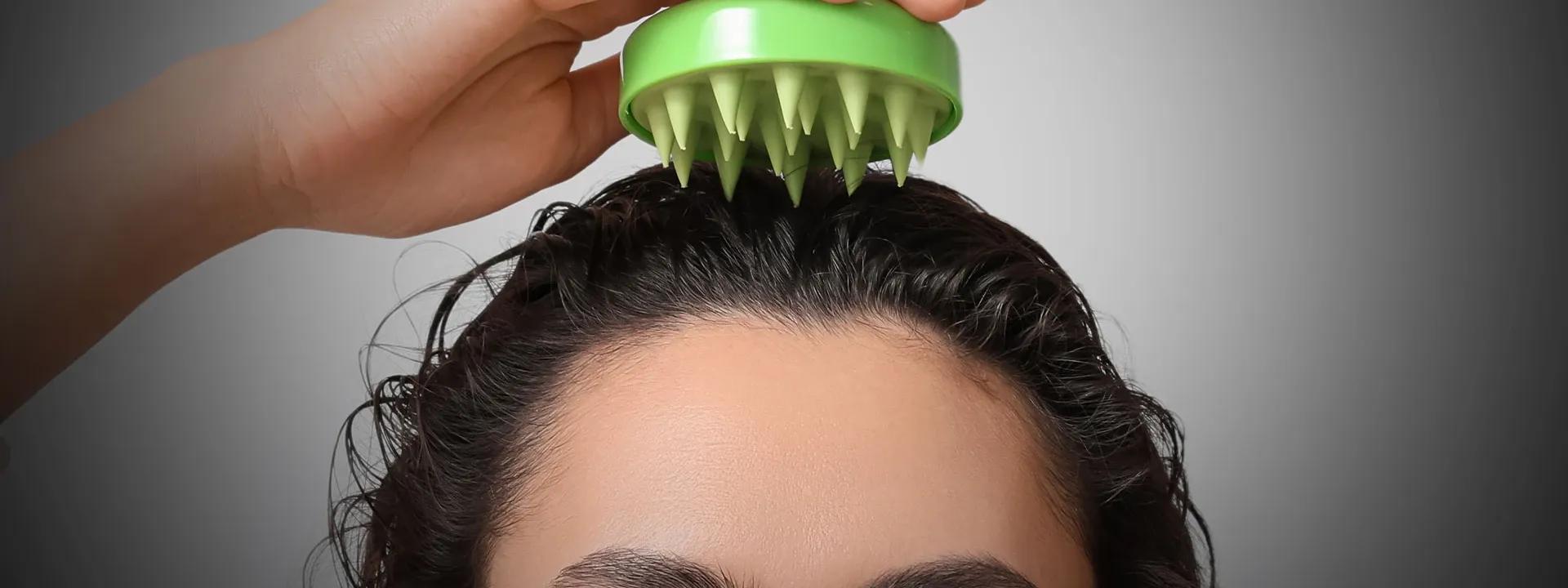

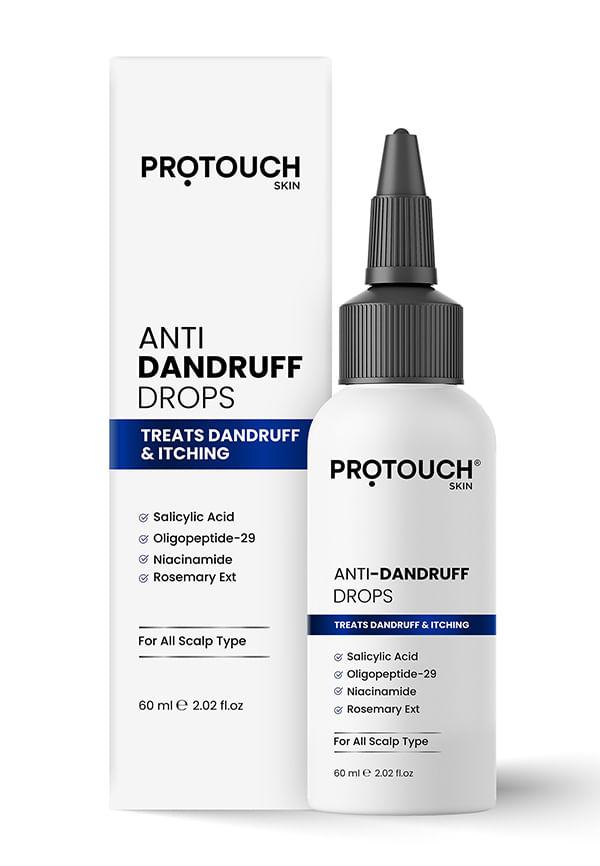
SKIN Anti Dandruff Drops Serum Soothes Itchy, Inflamed Scalp
You know that moment when you're scrolling through your phone and suddenly realise you've been scratching your scalp for the past five minutes? That constant itch paired with those annoying white flakes on your shoulders can be seriously frustrating. Whether it's dandruff acting up, your scalp feeling drier than the Sahara, or something more complex like scalp psoriasis, figuring out what's actually going on up there is the first step to getting relief. Let's break down the most common culprits behind an itchy flaky scalp and get you some real answers.
Real talk—your scalp can get irritated for loads of different reasons, and pinpointing the exact cause is key to finding the right treatment. The most common culprits behind scalp irritation include dandruff, seborrheic dermatitis, dry scalp, and scalp psoriasis. Each condition has its own triggers and characteristics, so understanding what you're dealing with makes all the difference in your treatment approach.
These two are basically cousins in the scalp condition family. Both involve a fungus called Malassezia that naturally lives on your scalp but sometimes gets a bit too comfortable. When this happens, it feeds on the oils your scalp produces, creating irritation and those telltale flakes. Dandruff typically shows up as white or yellowish flakes that are relatively small and dry. Seborrheic dermatitis is the more intense version—think larger, greasier flakes with more redness and inflammation.
Dry scalp happens when your scalp's moisture barrier isn't doing its job properly, often due to weather changes, overwashing, or using harsh products. The flakes tend to be smaller and whiter than dandruff flakes. Scalp psoriasis, on the other hand, is an autoimmune condition where your skin cells multiply too quickly, creating thick, silvery scales and red patches. It's often accompanied by similar patches on other parts of your body like elbows or knees.
Sometimes your itchy flaky scalp might be reacting to something in your haircare routine. Product allergies, especially to sulfates or fragrances, can trigger sensitivity. Environmental factors like pollution, hard water, or extreme weather can also mess with your scalp's balance. Hormonal changes during pregnancy, menopause, or even stress can affect how your scalp behaves too.
Figuring out whether you're dealing with a fungal issue or simple dryness can save you loads of time and frustration. The symptoms might seem similar at first glance, but there are some key differences that can help you identify what's actually going on with your scalp.
If you're dealing with a fungal scalp issue, the itching tends to be more intense and persistent. You might notice red, inflamed patches that feel warm to the touch. Sometimes there are small bumps or even pus-filled spots. Hair thinning or temporary hair loss in affected areas is also a red flag that points to a fungal infection rather than simple dryness.
Dry scalp flakes are usually smaller, whiter, and less oily than fungal-related flakes. The itching might be more noticeable after washing your hair or during dry weather. You'll probably notice that other areas of your skin feel dry too—your face, arms, or legs might be crying out for moisture as well.
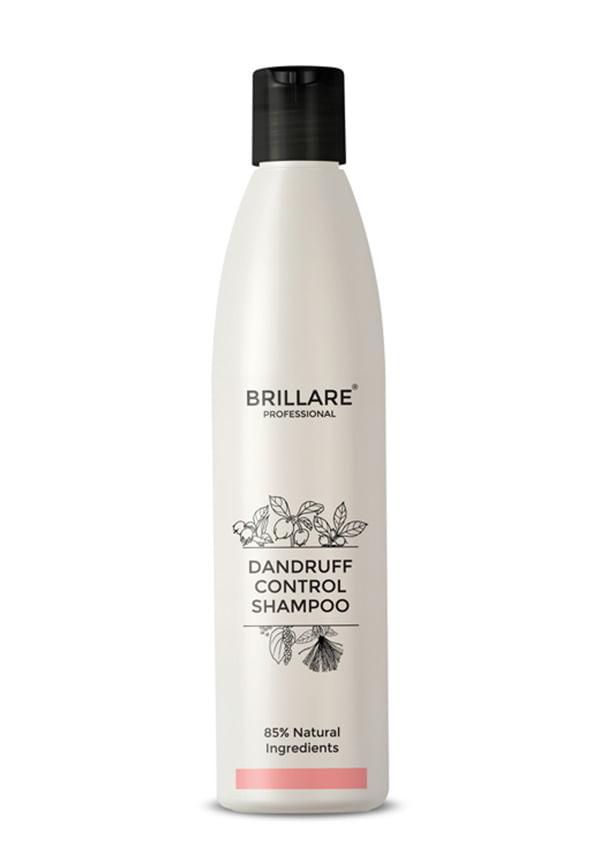
Dandruff Control Shampoo For Itchy, Flaky Scalp
If you've tried over-the-counter treatments for a few weeks without improvement, it's time to get professional help. Severe redness, bleeding, hair loss, or spreading to other areas of your body are all signs that you need medical attention. Don't mess around if you suspect scalp psoriasis—early treatment can prevent it from getting worse.
When your scalp is driving you absolutely mad with itching, you need relief fast. While long-term treatment is important, these quick fixes can help you get through the day without constantly scratching.
A cool, damp cloth pressed gently against your scalp can provide immediate relief from itching. Gentle scalp massage with your fingertips (not nails!) can help improve circulation and reduce tension. Aloe vera gel straight from the fridge feels amazing on an irritated scalp and has natural anti-inflammatory properties.
Ever notice how your scalp seems to get extra itchy right when you're trying to sleep? Your body's natural cortisol levels drop at night, which can make inflammation feel more intense. Plus, lying on a pillow can create warmth and friction that aggravates sensitive skin. Try switching to a silk or satin pillowcase and keeping your bedroom cool.
The key to successful flaky scalp treatment is matching your approach to your specific condition. What works brilliantly for dandruff might make dry scalp worse, so getting the right diagnosis is crucial for effective treatment.
Ketoconazole shampoos are your best friend for fungal-related scalp issues. This antifungal ingredient tackles the Malassezia fungus directly and can provide relief within a few weeks. Zinc pyrithione is another powerhouse ingredient that reduces fungal growth while being gentler than some alternatives. Selenium sulfide works well for stubborn cases, though it can be a bit drying. Salicylic acid helps remove buildup and flakes, making it easier for other active ingredients to work.
For dry scalp, you want to focus on adding moisture back rather than stripping it away. Sulfate-free shampoos are much gentler and won't over-cleanse your already dry scalp. Look for hydrating scalp serums with ingredients like hyaluronic acid or glycerin. Washing with lukewarm rather than hot water helps preserve your scalp's natural oils.
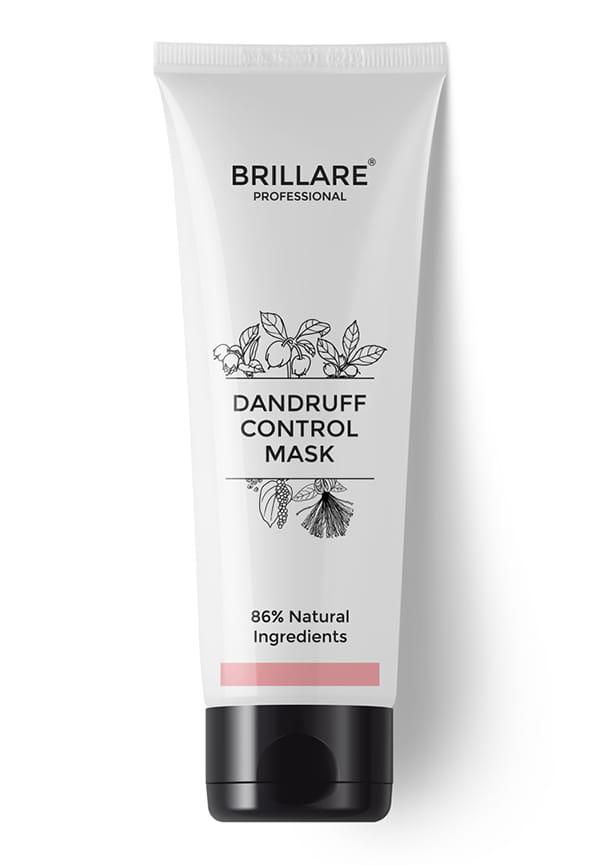
Conditioner For Itchy, Flaky Scalp
Tea tree oil has natural antifungal properties, but always dilute it before applying to your scalp—it's potent stuff. Argan oil is brilliant for dry scalp as it's lightweight but deeply moisturising. Apple cider vinegar rinses can help restore your scalp's pH balance, but use them sparingly as they can be drying if overused.
Building a haircare routine that works for your sensitive scalp doesn't have to be complicated, but it does require some thoughtful product choices and gentle techniques. The goal is to cleanse effectively without causing further irritation.
When shopping for shampoo for your itchy flaky scalp, look for formulas that are free from sulfates, parabens, and artificial fragrances. These ingredients can be particularly irritating for sensitive scalps. Instead, seek out shampoos with soothing ingredients like oatmeal, chamomile, or niacinamide. How often you wash depends on your specific condition—dandruff might need more frequent washing, while dry scalp benefits from less frequent cleansing.
Start with gentle, circular motions when shampooing—your fingertips should do the work, not your nails. Follow up with a lightweight conditioner applied only to the lengths and ends of your hair, avoiding the scalp area. If you use heat styling tools, keep them on lower settings and always use a heat protectant. Consider air-drying when possible to give your scalp a break from additional heat exposure.
Getting your itchy flaky scalp under control isn't just about finding the right products—it's about creating sustainable habits that support scalp health over time. Consistency is key, and small lifestyle adjustments can make a surprisingly big difference.
Your diet can impact scalp health more than you might think. Foods rich in omega-3 fatty acids, zinc, and B vitamins support healthy skin and hair. Staying properly hydrated helps maintain your skin's moisture barrier from the inside out. Stress management is crucial too—chronic stress can trigger or worsen scalp conditions like seborrheic dermatitis and psoriasis.
Once you've found a routine that works, stick with it even after your symptoms improve. Many scalp conditions are chronic and can flare up again if you stop treatment too soon. Adjust your routine seasonally—you might need more moisture in winter and lighter products in summer. Keep track of what triggers your flare-ups so you can avoid them in the future.
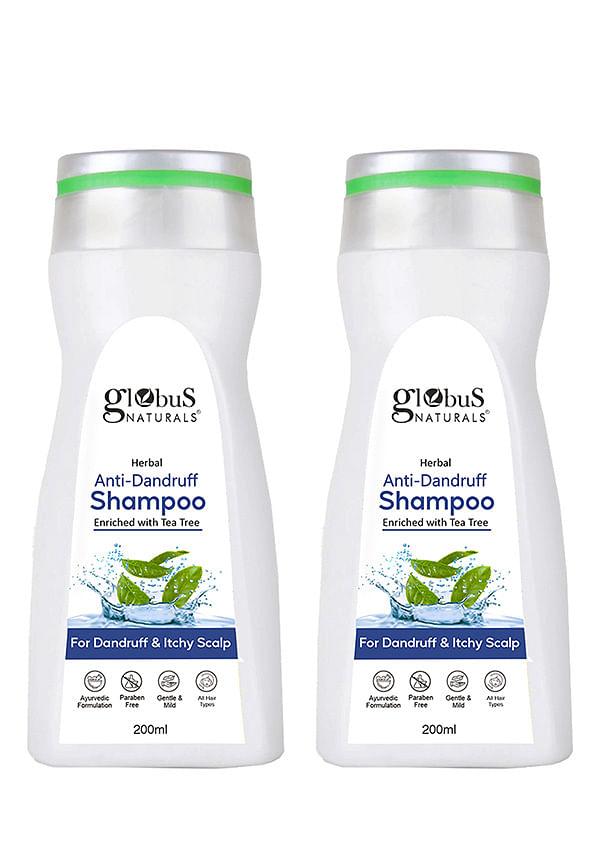
Anti Dandruff Shampoo, For Dandruff and Itchy Scalp
Start by identifying whether you're dealing with dandruff, dry scalp, or another condition, as each requires a different approach. For dandruff, use an antifungal shampoo with ingredients like ketoconazole or zinc pyrithione 2-3 times per week. For dry scalp, switch to a gentle, sulfate-free shampoo and add a hydrating scalp serum to your routine. Avoid scratching, which can worsen inflammation, and be patient—most treatments take 4-6 weeks to show full results.
Focus on gentle, moisturising treatments that won't strip your scalp further. Wash your hair with lukewarm water and a sulfate-free shampoo no more than every other day. Apply a few drops of diluted tea tree oil or argan oil to your scalp before bed, massaging gently with your fingertips. Avoid hot styling tools and harsh brushing when your scalp is irritated. If home remedies don't improve things within 2-3 weeks, consider seeing a dermatologist.
Absolutely. Washing your hair too frequently or with harsh shampoos can strip away your scalp's natural oils, leading to dryness, irritation, and paradoxically, more oil production as your scalp tries to compensate. Most people with scalp issues do better washing every 2-3 days rather than daily. Signs you're overwashing include increased flaking, tightness after washing, and hair that gets oily very quickly after cleansing.
Most scalp treatments take 2-4 weeks to show noticeable improvement, with full results appearing around 6-8 weeks of consistent use. You might notice reduced itching within the first week, followed by fewer flakes and less redness. Don't give up if you don't see immediate results—scalp conditions often take time to resolve. If you haven't seen any improvement after 6 weeks of consistent treatment, it's worth consulting a dermatologist to reassess your approach.
No, though they can look similar at first glance. Dandruff typically produces smaller, white or yellowish flakes and is caused by a fungal overgrowth. Scalp psoriasis creates thicker, silvery scales with well-defined red patches and is an autoimmune condition. Psoriasis often extends beyond the hairline to the forehead, neck, or ears, and you might have psoriasis patches elsewhere on your body. The treatments are quite different, so proper diagnosis is important.
Yes, stress can definitely trigger or worsen scalp conditions. Chronic stress affects your immune system and hormone levels, which can lead to increased oil production, inflammation, and flare-ups of conditions like seborrheic dermatitis or psoriasis. Stress can also make you more likely to scratch, creating a cycle of irritation. Managing stress through exercise, meditation, or other relaxation techniques can be an important part of your scalp care routine.
Dealing with an itchy flaky scalp can be frustrating, but understanding what's causing your symptoms is the first step toward finding relief. Whether you're battling dandruff, dry scalp, seborrheic dermatitis, or scalp psoriasis, the right combination of gentle products and consistent care can make a real difference. Remember that scalp health is often connected to overall wellness—managing stress, staying hydrated, and eating a balanced diet all play a role in keeping your scalp happy.
The key is patience and consistency with whatever treatment approach you choose. Most scalp conditions improve gradually over several weeks, so don't get discouraged if you don't see immediate results. If over-the-counter treatments aren't cutting it after 6-8 weeks, don't hesitate to see a dermatologist for a proper diagnosis and potentially stronger treatments.
When you're ready to explore different scalp care products, Smytten's curated selection includes gentle shampoos and treatments from trusted brands that cater to sensitive scalps. Not sure which format works for your hair? Smytten also offers trial-size versions of many of these products—a good way to check before committing to a full bottle.
