Is Monsoon a Good Time to Colour Your Hair? FAQ

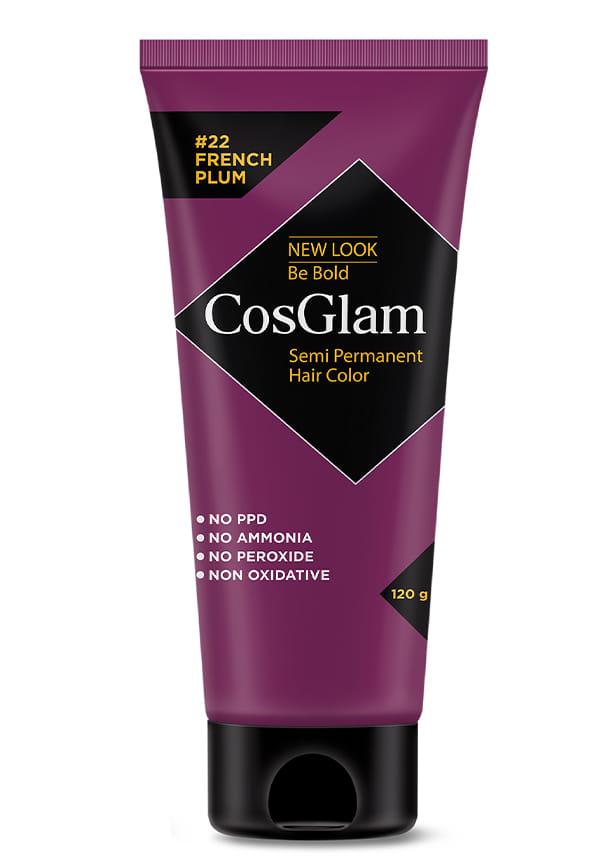
Nisha Cosglam Semi Permanent Hair Color, PPD & Ammonia Free | Electric Teal | 120gm Tube | Pack of 1
Pleasant Use, No Skin Benefits
 5
5“perfect good and does nothing to the skin it's just fascinating to use”
The monsoon brings relief from scorching heat, but it also brings a whirlwind of questions for anyone considering a hair colour change. Is monsoon a good time to colour your hair? The short answer isn't straightforward—it depends on several factors including your hair type, the colour you're choosing, and how committed you are to maintenance. While the humid weather can pose challenges for hair coloring during rainy season, it's not impossible to achieve gorgeous results with the right approach. The key lies in understanding how monsoon conditions affect your hair and adapting your colouring strategy accordingly. At Smytten, we've seen countless users discover their perfect hair colour products through trial packs, making it easier to test what works best for their hair during different seasons. Let's dive into everything you need to know about monsoon hair colouring, from the science behind humidity's effects to practical tips that'll keep your colour looking fresh all season long.
Monsoon creates unique challenges for hair colouring due to increased humidity and acidic rainwater that can affect colour absorption and longevity
Semi-permanent colours and natural options like henna work better during humid weather compared to high-maintenance permanent dyes
Proper preparation, quality products, and consistent maintenance routines are crucial for successful monsoon hair colouring
Professional salon treatments often yield better results than DIY colouring during rainy season
Timing matters—early monsoon is generally better than peak monsoon for colouring appointments
Let's be real—monsoon weather does create some unique hurdles when it comes to hair colouring. The science behind it is pretty fascinating, actually. During humid weather, your hair cuticles tend to swell and open up more than usual, which sounds like it would help colour penetrate better, right? Well, it's a bit more complicated than that.
The increased humidity affects how your hair absorbs and retains colour molecules. While open cuticles might seem beneficial for colour absorption, they also make your hair more porous and vulnerable to colour loss. Think of it like trying to fill a bucket with holes—the colour goes in, but it can also escape more easily.
During monsoon, professional colouring often trumps DIY attempts. Salon professionals can control environmental factors better and use products specifically formulated for humid conditions. They can also assess your hair's current state and adjust the colouring process accordingly.
Several factors determine whether your monsoon hair colouring will be a win or a disaster. Your hair's current health, the type of colour you choose, and your commitment to maintenance all play crucial roles in the final outcome.
Understanding monsoon hair dye effects starts with knowing what's actually happening to your hair during this season. The increased moisture in the air doesn't just make your hair frizzy—it fundamentally changes how your hair behaves at a molecular level.
Humidity causes your hair shaft to swell, making the cuticle layer lift slightly. This creates a double-edged situation for colour application. While it might seem like lifted cuticles would help colour penetrate better, they also create an unstable environment for colour molecules to settle properly.
Here's something most people don't consider—rainwater is slightly acidic due to atmospheric pollution. When this acidic water repeatedly contacts your freshly coloured hair, it can cause colour molecules to break down faster than they would in normal conditions.
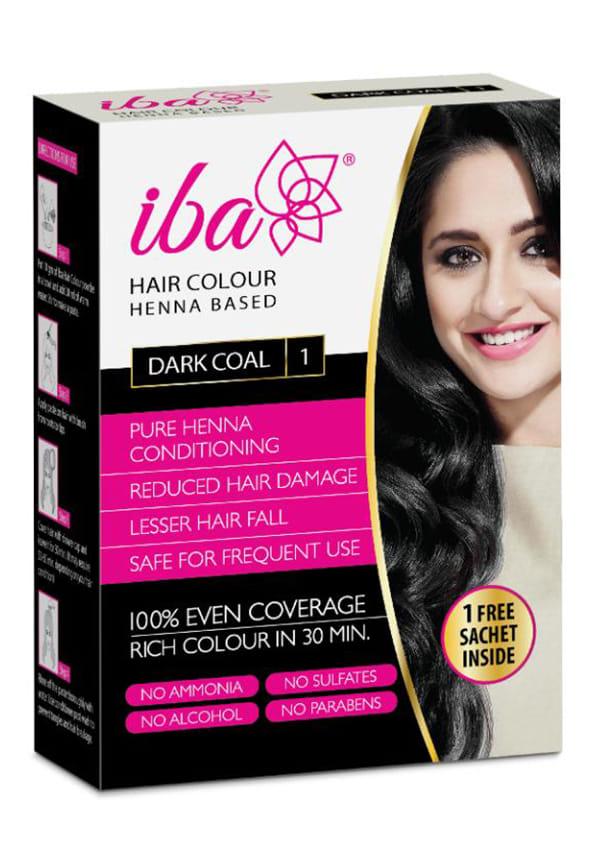
Halal Care Hair Colour
Loved Product, Found on Smytten
5“loved the product I searched for this product in so many shopping apps but I didn't get it. finally I got it from smytten🤩”
Positive Product Review
5“love it 😀😀😀😀😀😀😀😀😀😀😀”
Great for Hair
5“it's really good for hair , no ammonia”
The humid weather also affects your scalp's sensitivity levels. Many people experience increased scalp sensitivity during monsoon, which can make the colouring process more uncomfortable and potentially lead to irritation.
Not all hair colours are created equal when it comes to monsoon survival. The best hair color for humid weather tends to be formulations that can withstand moisture and don't require frequent touch-ups. Semi-permanent colours often perform better than permanent ones during rainy season because they're designed to fade gradually rather than maintain intense pigmentation.
Natural hair colouring options like henna and indigo are actually fantastic choices for monsoon. These plant-based colours tend to be more resilient against humidity and can even improve your hair's overall health and texture.
Look for hair colours specifically marketed as humidity-resistant or long-lasting. These formulations often contain ingredients that help seal the cuticle after colouring, providing better protection against moisture-related fading.
Early monsoon is generally better than peak monsoon for colouring. The humidity levels are more manageable, and you'll have time to establish a proper maintenance routine before the heaviest rains hit.
Hair color maintenance monsoon strategies need to be more intensive than your regular routine. The key is creating a protective barrier between your coloured hair and the harsh environmental conditions. Start with a solid foundation by using sulfate-free shampoos that won't strip your colour aggressively.
Your daily routine should include UV protection products, even on cloudy days. Many people assume they don't need sun protection during monsoon, but UV rays can still penetrate clouds and contribute to colour fading.
Amp up your conditioning game with weekly deep treatments. Coloured hair needs extra moisture and protein to maintain its integrity during humid weather. Look for treatments specifically designed for colour-treated hair.
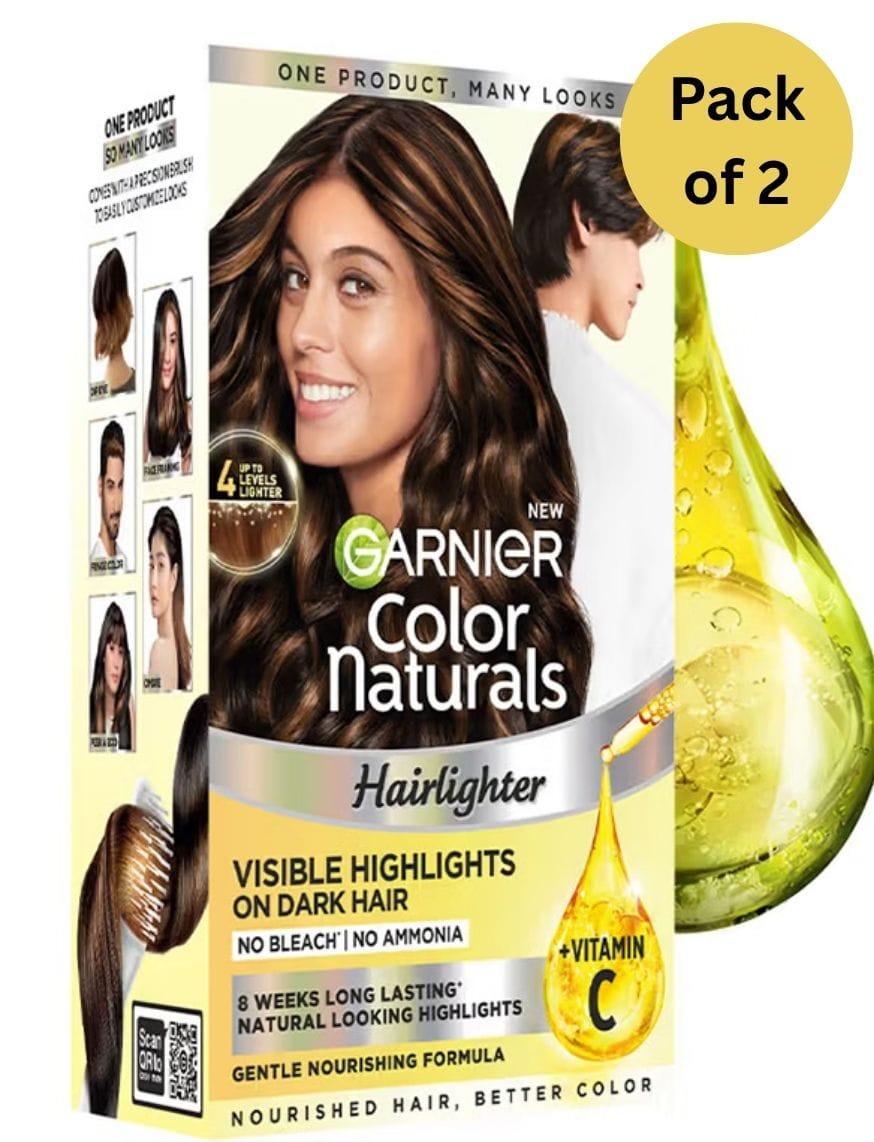
Color Naturals Hairlighter, No Bleach, No Ammonia
Reduce heat styling during monsoon or use lower temperature settings. Your hair is already dealing with environmental stress, so additional heat can accelerate colour fading and damage.
Preventing hair color damage monsoon requires a multi-pronged approach. Think of it as creating a protective shield around your coloured hair. Start with physical protection—umbrellas, hats, and scarves aren't just fashion statements during monsoon; they're your colour's best friends.
Water quality plays a huge role in colour longevity. If you live in an area with hard water, consider installing a shower filter. The minerals in hard water can cause colour to fade faster and create buildup that makes your hair look dull.
Don't underestimate the power of silk pillowcases or satin hair bonnets. These smooth surfaces reduce friction while you sleep, preventing colour molecules from being rubbed away.
Have a game plan for quick touch-ups. Keep colour-depositing shampoos or temporary colour sprays handy for those moments when your roots start showing or your colour looks a bit flat.
Professional stylists swear by certain hair coloring monsoon tips that can make or break your colour experience. The most important? Never skip the strand test, especially during monsoon. Your hair's porosity can change with the weather, affecting how it takes colour.
Pre-appointment consultations become even more crucial during rainy season. A good stylist will assess your hair's current condition, discuss your lifestyle and maintenance commitment, and recommend colours that suit both your preferences and the season.
Follow your stylist's post-colouring instructions religiously. They might recommend waiting longer than usual before your first wash or suggest specific products for monsoon care.
Sometimes the best hair colouring advice rainy season is to wait. If your hair is already damaged from humidity or if you're dealing with scalp issues, it might be worth postponing your colour until conditions improve.
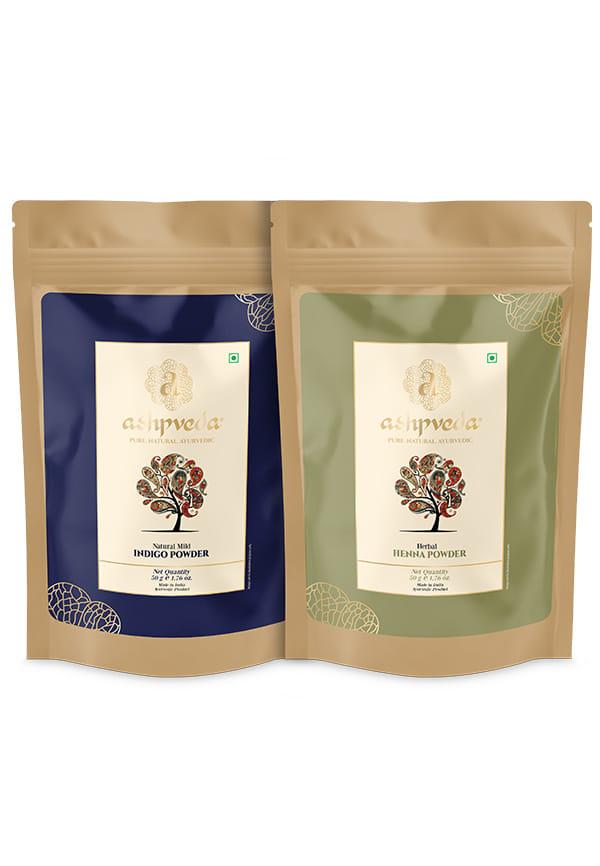
Natural Hairs Colour for Women | Henna & Indigo for Hairs | 100% Pure Hair Colour | Natural Hair Colour Henna & Indigo Herbal Colour Combo (50 gm Pac
Early monsoon (June-July) is generally better than peak monsoon (August-September) for hair colouring. The humidity levels are more manageable, and you'll have time to establish a proper maintenance routine. Avoid colouring during heavy rainfall periods or when the weather forecast predicts continuous rain for several days.
Yes, rainwater can significantly affect hair colour. Rainwater is slightly acidic due to atmospheric pollution, and this acidity can cause colour molecules to break down faster. Additionally, getting your hair repeatedly wet and then drying it can cause the cuticles to lift and release colour molecules.
It's generally not recommended to colour severely damaged or overly frizzy hair during monsoon. The additional stress from colouring chemicals combined with humid weather can worsen the damage. Focus on repairing your hair with deep conditioning treatments first, then consider colouring once your hair health improves.
Hair colour typically lasts 2-4 weeks less during monsoon compared to other seasons. Semi-permanent colours might fade within 3-4 weeks, while permanent colours can start showing noticeable fading after 4-6 weeks. The exact duration depends on your hair type, the colour used, and how well you maintain it.
Yes, avoid high-maintenance colours like platinum blonde, bright reds, or fashion colours (blues, pinks, purples) during monsoon. These colours require frequent touch-ups and are more prone to fading. Stick to natural shades or colours close to your natural hair colour for better longevity.
Essential products include sulfate-free shampoos, colour-protecting conditioners, leave-in treatments with UV protection, anti-humidity serums, and weekly deep conditioning masks. Look for products containing ingredients like keratin, argan oil, and colour-sealing polymers. Smytten offers trial packs of various hair care products, making it easy to test what works best for your coloured hair during monsoon.
Monsoon hair colouring isn't impossible, but it requires extra planning and commitment. The humid weather creates challenges, but with the right approach, you can achieve beautiful, long-lasting colour. Choose your colour wisely—semi-permanent options and natural shades tend to perform better than high-maintenance colours during rainy season.
Maintenance is everything during monsoon. Invest in quality products, protect your hair from rain and humidity, and don't skip your conditioning treatments. Professional colouring often yields better results than DIY attempts during this season, so consider splurging on a salon appointment if you're serious about your colour goals.
Whether monsoon is a good time to colour your hair ultimately depends on your hair's current condition, your colour choice, and your commitment to maintenance. While the season presents unique challenges, it's not a complete no-go for hair colouring. Smytten is India's largest product discovery and trial platform, connecting consumers with top lifestyle, beauty, wellness, and grooming brands. At its core, Smytten offers curated trial packs - mini-sized products from over 2,400 trusted brands such as Cetaphil, Dot & Key, True Elements, Oziva, Renee, Swiss Beauty, Love Beauty & Planet, WishCare, Carlton London, and Bella Vita. This lets users explore and experience hair care products before committing to full-size purchases, which is especially valuable when you're trying to find the perfect colour-protecting routine for monsoon. Each mini is linked with Trial Points, and users can get up to 10 Trial Points for just ₹279. Plus, Smytten offers 100% cashback on the purchase of these minis, redeemable in the shop section for future orders, making product discovery both affordable and rewarding. With authentic brand-verified minis available on Smytten and PAN-India delivery, you can try before you buy the perfect hair care products to keep your colour looking fresh all monsoon long. After all, why settle for maybe when you can #TryItAll!
