Is Cutting Hair Good for Growth? Your FAQ Answered

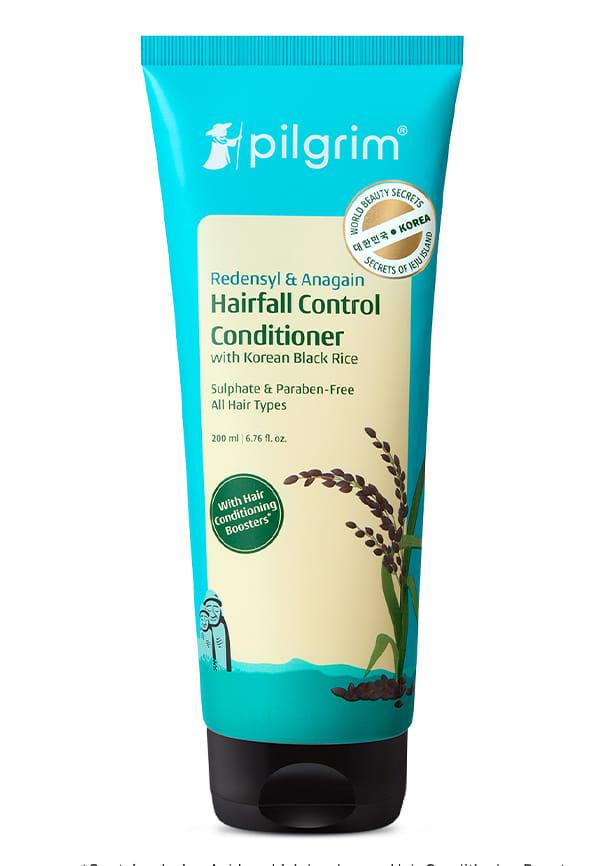
Redensyl & Anagain Conditioner Prevents Hair Breakage|Increases Hair Thickness
You've been growing your hair for months, maybe even years, and then someone suggests you need a trim. Cue the internal panic. Won't cutting it undo all that progress? It's one of those hair dilemmas that feels genuinely confusing—like being told you need to spend money to save money. The whole "cut it to grow it" concept sounds backwards, but there's actually some solid science behind why regular trims might be your hair's best friend. Let's dig into what's really happening when you snip those ends and whether it's actually helping or hurting your length goals.
Real talk: cutting your hair doesn't make it grow faster. Your hair grows from the follicles in your scalp, not from the ends you're trimming off. Think of it like grass—mowing your lawn doesn't make the roots work harder. Hair typically grows about half an inch per month regardless of how often you trim it, and that rate is determined by genetics, hormones, and overall health, not your scissors.
The confusion comes from mixing up growth rate with length retention. When you trim damaged ends, you're not speeding up growth—you're preventing breakage that would otherwise make your hair shorter over time. It's like plugging a leak in a bucket. The water (your hair growth) keeps flowing at the same rate, but now you're not losing it from the bottom.
Hair follicles are completely independent structures that respond to internal factors like nutrition, hormones, and blood circulation. They have no idea what's happening at the ends of your hair strands. So while trimming won't boost your growth rate, it can definitely help you keep more of the length you're already growing.
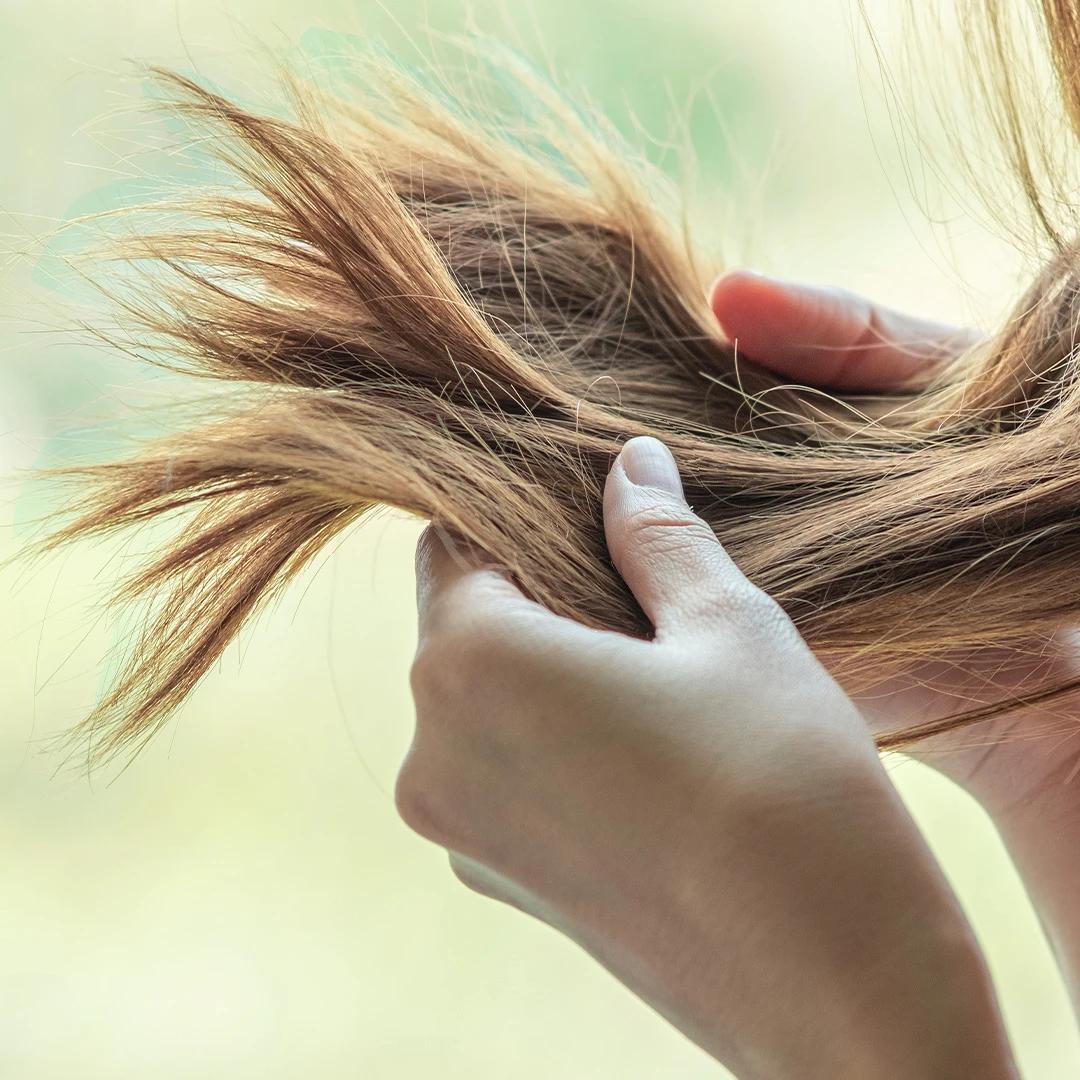
Here's where things get interesting. Even though trimming doesn't speed up growth, it offers some serious benefits for anyone trying to grow longer hair. Split ends are basically tiny tears in your hair shaft, and they don't just stay put—they travel upward, creating more damage as they go.
When you leave split ends untreated, they can cause breakage that travels several inches up the hair shaft. This means you might be growing half an inch per month but losing an inch to breakage, leaving you with a net loss. Regular trims remove these damaged sections before they can cause more problems, helping you retain more of your actual growth.
There's also the visual factor. Hair with damaged, thin ends looks shorter and less healthy than hair with blunt, thick ends—even if they're technically the same length. A good trim can instantly make your hair look fuller and longer by removing the wispy, damaged bits that make your ends look sparse.
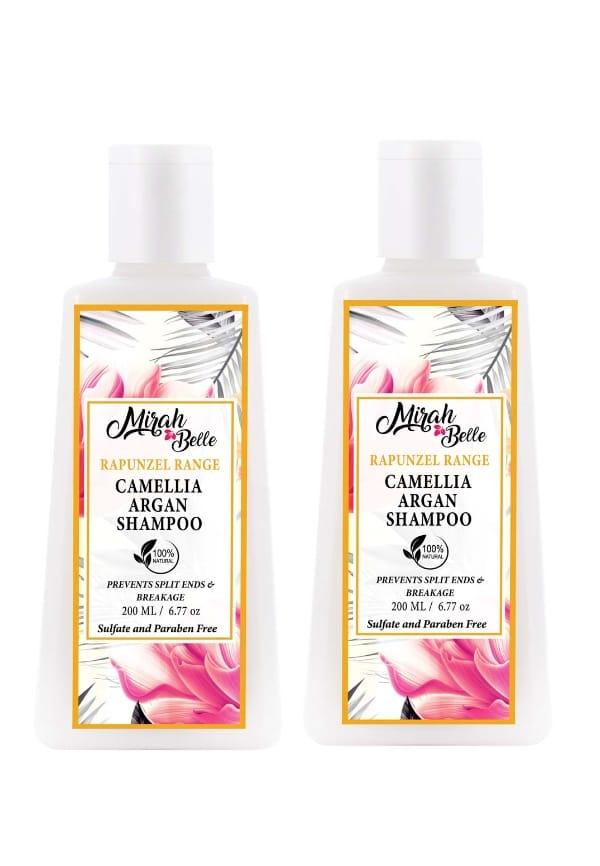
Organic & Natural - Camellia Argan Shampoo - Frizzy Hair, Breakage & Split Ends
The "every six weeks" rule isn't actually universal. Your ideal trimming schedule depends on your hair type, texture, and current condition. Straight and wavy hair typically shows damage more quickly and might need trims every 8-12 weeks. Curly and coily hair tends to be more forgiving and can often go 10-16 weeks between cuts.
If you're rocking a short style or structured cut like a bob, you'll probably need more frequent trims—every 6-8 weeks—to maintain the shape. Damaged or chemically treated hair also needs more attention, usually every 6-8 weeks, because it's more prone to splitting and breaking.
The key is learning to read your hair's signals. Look for split ends, feel for rough or dry texture at the ends, and notice if your hair is getting harder to style or looking frizzy despite your usual routine. These are all signs it's time for a trim, regardless of what the calendar says.
Since we've established that cutting doesn't speed up growth, let's talk about what actually does. Your scalp is where the magic happens, so keeping it healthy is priority number one. This means regular cleansing to remove buildup, gentle massage to boost circulation, and avoiding harsh chemicals that can damage follicles.
Nutrition plays a huge role too. Your hair is essentially dead protein, so it needs a steady supply of nutrients to grow strong and healthy. Focus on getting enough protein, iron, biotin, and vitamins A, C, D, and E through your diet. While supplements can help if you're deficient, whole foods are usually your best bet for consistent nutrition.
Gentle handling is also crucial. Wet hair is particularly fragile, so avoid aggressive brushing when it's damp. Use a wide-tooth comb or detangling brush, and always start from the ends and work your way up. When drying, skip the rough towel rubbing and opt for a microfiber towel or cotton t-shirt instead.
If you use heat styling tools, always use a heat protectant and keep temperatures as low as possible while still getting your desired results. Consider air-drying when you can, and embrace styles that work with your natural texture rather than against it.
Chemical treatments like bleaching, perming, and relaxing can significantly impact hair health and growth retention. If you're serious about growing longer hair, you might want to take a break from these processes or space them out more.
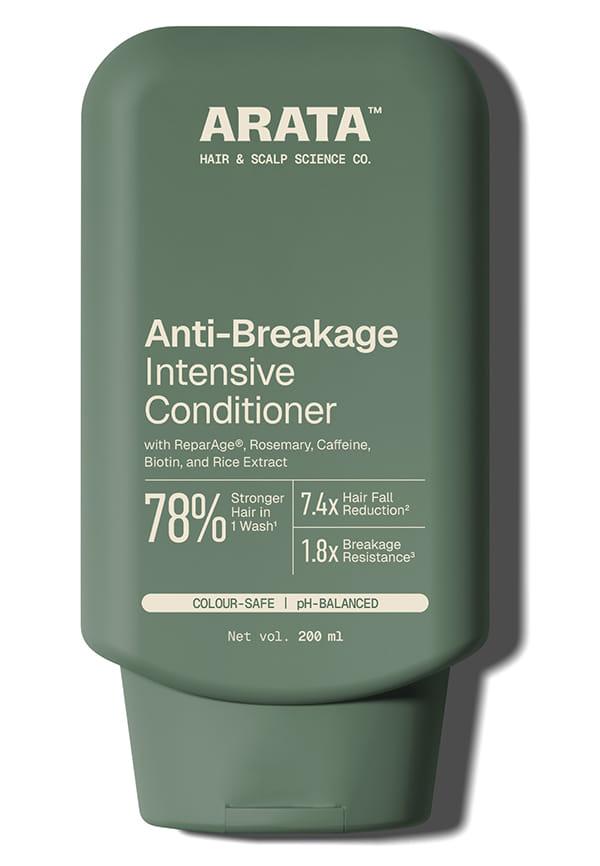
Anti-Hair Fall Conditioner for Breakage and Split-End Reduction | Powered by ReparAge®, Rice Protein, Caffeine, and Biotin | Supports Thicker & Dense
Let's clear up some persistent myths that keep circulating. First, cutting your hair doesn't make it grow thicker—it just creates the illusion of thickness by removing thin, damaged ends and leaving behind blunt, fuller-looking ones. Your actual hair density is determined by the number of follicles on your scalp, which doesn't change with trimming.
The idea that frequent trims speed up growth is also false and can actually be counterproductive. If you're trimming too often or taking off too much length each time, you might be cutting off more than you're growing, leading to no net gain or even shorter hair over time.
Shaving your head won't reset your hair growth either. This myth probably comes from observing body hair, which has different growth cycles than scalp hair. Your hair follicles have their own predetermined growth patterns that aren't affected by cutting.
There's definitely a psychological component to why trimmed hair "feels" like it grows faster. When your hair looks healthier and fuller after a trim, you're more likely to notice and appreciate the growth that follows. Plus, removing damaged ends can make your hair easier to style and manage, which might make you more aware of length changes.
If you want to track growth accurately, take photos and measurements rather than relying on how your hair feels or looks day to day. Measure from the same point on your scalp to the ends, and take photos in similar lighting and styling conditions for the most accurate comparison.
No, trimming doesn't change your hair's actual thickness or density. What it does is remove thin, damaged ends and create blunt cuts that make your hair appear fuller and thicker. Your hair's diameter is determined by genetics and doesn't change based on cutting.
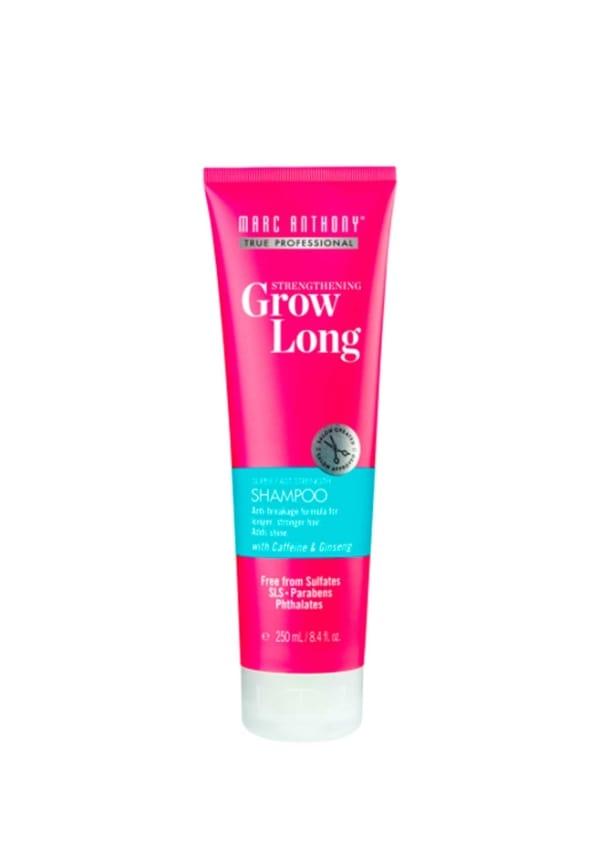
Strengthening Grow Long Shampoo
Cutting damaged ends doesn't speed up growth, but it helps with length retention. Split ends can travel up the hair shaft and cause breakage, so removing them prevents further damage and helps you keep more of the length you're already growing.
The benefits of regular trimming apply to everyone regardless of gender. While men and women might have different hormonal factors affecting growth rates, the basic principle of preventing damage through trimming works the same way for all hair types.
Without regular trims, split ends and damage can accumulate, leading to increased breakage and potentially making your hair look thinner and less healthy. Most hair also has a terminal length—the maximum length it can reach before natural shedding occurs—so extremely long growth periods might not result in significantly longer hair anyway.
The best approach is finding a balance. Regular small trims (quarter-inch to half-inch) every 8-16 weeks, depending on your hair type, can help you achieve longer, healthier hair over time compared to avoiding cuts altogether or cutting too frequently.
Look for visible split ends, feel for rough or dry texture at the ends, notice increased tangling, or observe that your hair isn't holding styles as well as usual. These are all signs that a trim could benefit your hair health and appearance.
The relationship between cutting and growing hair isn't as straightforward as it might seem, but it's not as mysterious as some make it out to be either. Regular trims won't make your hair grow faster, but they can definitely help you retain more length by preventing damage and breakage. The key is finding the right balance for your hair type and goals—frequent enough to maintain health, but not so often that you're cutting off your progress.
Focus on overall hair health through gentle handling, proper nutrition, and scalp care, and use trimming as a maintenance tool rather than a growth strategy. Your hair will thank you with stronger, longer strands that actually reach their full potential. If you're exploring new haircare products to support your growth goals, Smytten offers trial-size versions of many professional treatments and styling products—a smart way to test what works for your hair before investing in full-size bottles.
