Is Coconut Oil Good for Hair? Unlock the Benefits for Luscious Locks

Coconut Oil
Right, let's tackle the question everyone's asking: is coconut oil good for hair? Spoiler alert—it's been a total game-changer for millions worldwide, and there's actual science backing up all the hype. From ancient Ayurvedic traditions to modern haircare routines, coconut oil has earned its spot as a proper multitasker. Whether you're dealing with dry, damaged strands or just want to give your hair some extra love, this tropical wonder might just become your new obsession. Let's dive into what makes coconut oil such a standout choice and how you can make it work for your unique hair needs.
Here's the thing about coconut oil—it's not just another trendy oil that'll sit on your hair's surface looking pretty. The magic lies in its unique molecular structure, specifically the high concentration of lauric acid (about 50% of its composition). This medium-chain fatty acid is small enough to actually penetrate the hair shaft, rather than just coating it like many other oils do.
Research published in the Journal of Cosmetic Science shows that coconut oil can reduce protein loss in both damaged and undamaged hair. That's massive because protein loss is one of the main culprits behind weak, brittle hair that breaks at the slightest touch.
Studies have found that coconut oil's ability to penetrate hair fibres makes it incredibly effective at preventing hygral fatigue—basically, the damage that happens when your hair swells and contracts repeatedly from getting wet and drying. Think of it as giving your hair a protective shield that works from the inside out.
Unlike heavier oils that can weigh your hair down or lighter oils that barely make a dent, coconut oil strikes that perfect balance. It's substantial enough to provide real benefits but light enough not to leave your hair looking greasy (when used correctly, of course).
Let's get into the nitty-gritty of what coconut oil can actually do for your locks. These aren't just claims—they're backed by research and countless real-world experiences.
Coconut oil for dry hair is honestly a match made in heaven. The oil's molecular structure allows it to fill in the gaps in damaged hair cuticles, creating a smoother surface that retains moisture better. Unlike some moisturisers that give temporary relief, coconut oil provides lasting hydration.
If you're dealing with coconut oil hair damage concerns, here's some good news: when used properly, coconut oil actually helps repair existing damage and prevents future breakage. It strengthens the hair shaft and provides a protective barrier against environmental stressors.
A healthy scalp equals healthy hair growth, and coconut oil's antimicrobial properties help maintain scalp balance. It can soothe irritation and may help with conditions like dandruff.
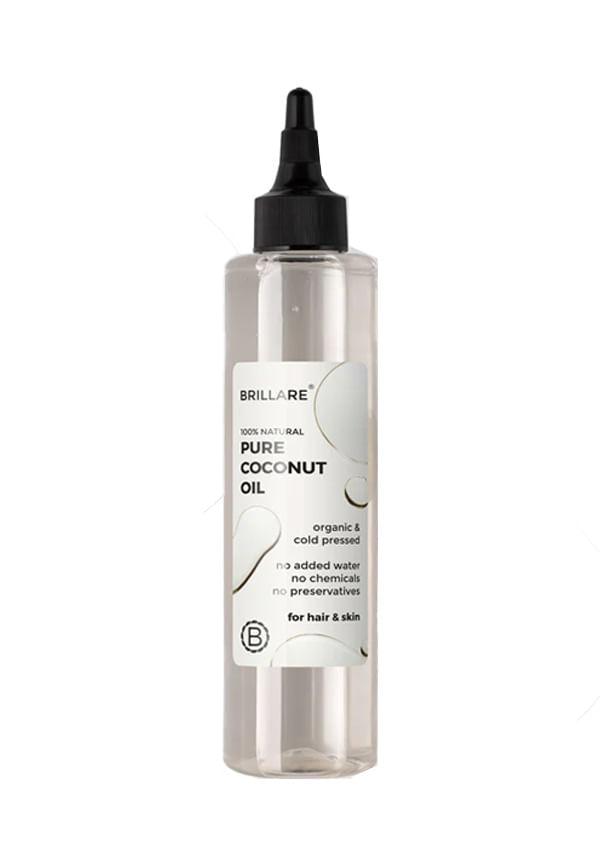
Pure Coconut Oil
Nice Coconut Oil & Moisturizer
 5
5“very nice coconut oil. can be used as moisturizer”
Nice Hair Oil, Good for Skin & Hair
5“nice hair oil good for skin and hair please use it”
Effective Hair Oil
5“nice hair oil suited me well..”
While coconut oil for hair growth won't magically give you Rapunzel-length hair overnight, it does create optimal conditions for growth by improving scalp health and reducing breakage.
This is where coconut oil truly shines. By reducing protein loss, it helps maintain hair's structural integrity, making it stronger and more resilient.
The antifungal properties of coconut oil can help tackle dandruff-causing microorganisms while moisturising the scalp.
Acting as a natural coconut oil hair conditioner, it smooths the hair cuticle and adds shine without any harsh chemicals.
Ready to put theory into practice? These coconut oil hair mask recipes are proper game-changers, and you probably have most ingredients at home already.
Mix 2-3 tablespoons of melted coconut oil with a tablespoon of honey. Apply from mid-length to ends, leave for 30 minutes, then shampoo out. Perfect for when your hair feels like straw.
Combine coconut oil with a beaten egg and a splash of apple cider vinegar. This coconut oil hair treatment targets damage while balancing your scalp's pH. Leave on for 20 minutes before washing.
Mix coconut oil with a few drops of tea tree oil and massage into your scalp. This combination tackles dandruff whilst providing deep nourishment.
Add a few drops of rosemary essential oil to coconut oil for a circulation-boosting scalp treatment that may support healthy hair growth.
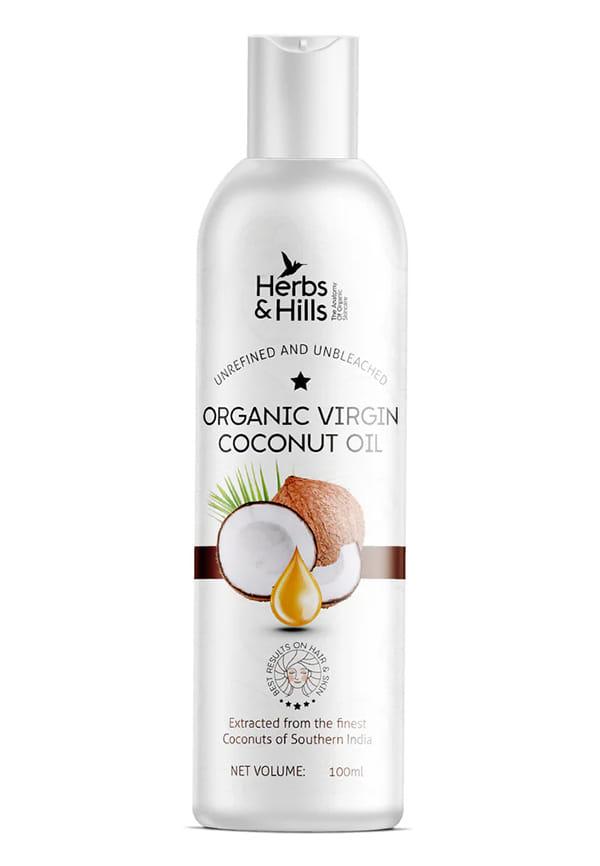
Organic Virgin Coconut Oil
Good Packaging, First Order
4“packing achhi thi ye Mera first order h let's see kaisa result milta h 🤭”
Good Packaging, First Order
4“packing achhi thi ye Mera first order h let's see kaisa result milta h 🤭”
Good Packaging, First Order
4“packing achhi thi ye Mera first order h let's see kaisa result milta h 🤭”
Here's where most people go wrong with coconut oil—they either use too much or apply it incorrectly. Let's sort that out.
Start with a small amount (seriously, a little goes a long way). Warm it between your palms until it melts, then work through damp hair from mid-length to ends. Avoid the roots unless you're doing a scalp treatment.
For deep conditioning, apply coconut oil 30 minutes to 2 hours before washing. For a lighter coconut oil hair moisturiser effect, you can use tiny amounts on damp hair as a leave-in treatment.
Pre-wash treatments are brilliant for deep nourishment, whilst minimal amounts can work as a leave-in coconut oil hair serum for added shine and protection.
Real talk—coconut oil isn't a miracle cure for everyone. Some hair types might not love it, and that's totally normal.
Fine hair can get weighed down easily, whilst coarse hair usually loves the extra moisture. If you have naturally oily hair, stick to the lengths and ends only.
Since coconut oil helps retain protein, using it too frequently on already protein-rich hair can make it feel stiff or brittle. Listen to your hair and adjust accordingly.
Coconut oil can clog pores for some people, so if you're prone to forehead or back acne, be cautious about how much you use near these areas.
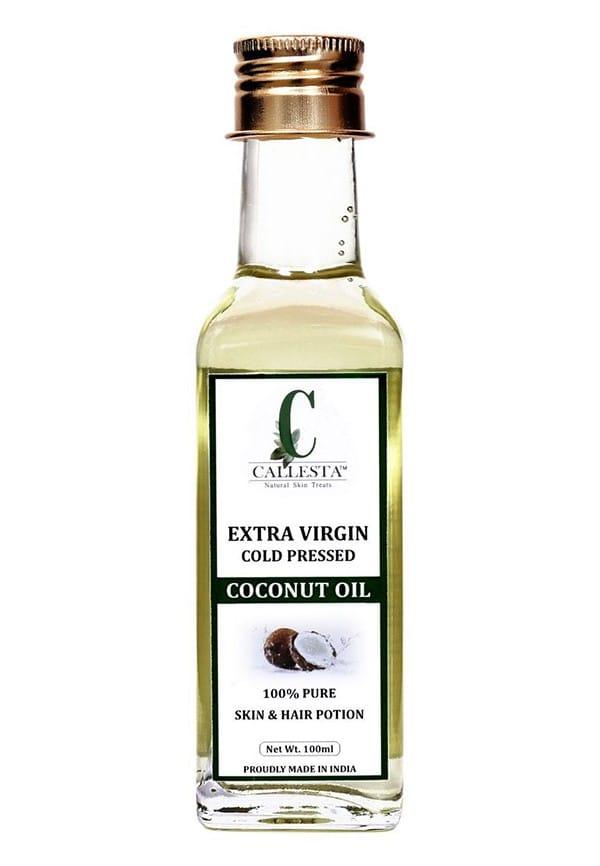
Extra Virgin Cold Pressed Coconut Oil
Not all coconut oils are created equal, and choosing the right one can make a massive difference in your results.
Virgin, cold-pressed coconut oil is generally your best bet. It retains more of the beneficial compounds and has a lovely natural coconut scent. Refined versions work too but may lack some of the therapeutic properties.
Look for oils that are organic, unrefined, and cold-pressed. The colour should be clear when melted and white when solid. If it smells off or has an unusual colour, give it a miss.
With platforms like Smytten, you can actually try different coconut oil hair products in mini sizes before committing to full-size purchases. This is brilliant for testing how your hair responds to different formulations without the financial commitment.
When used properly, coconut oil doesn't cause hair loss. However, using too much or not washing it out properly can lead to clogged follicles, which might contribute to hair issues.
Start with once a week and adjust based on how your hair responds. Fine hair might need it less frequently, whilst very dry or damaged hair might benefit from twice-weekly treatments.
Whilst most hair types can benefit from coconut oil, fine or naturally oily hair should use it sparingly. Coarse, dry, or chemically treated hair typically loves it.
It can work as an occasional deep conditioning treatment, but it's best used alongside your regular haircare routine rather than as a complete replacement.
For deep conditioning, 30 minutes to 2 hours is ideal. Leaving it overnight occasionally is fine, but regular overnight treatments might be too much for some hair types.
So, is coconut oil good for hair? Absolutely, when used correctly and consistently. It's one of those rare natural ingredients that actually delivers on its promises, backed by both science and centuries of traditional use. The key is understanding your hair's unique needs and adjusting your approach accordingly.
Whether you're looking to tackle dryness, repair damage, or simply maintain healthy hair, coconut oil offers a gentle, effective solution. Start slowly, pay attention to how your hair responds, and don't be afraid to experiment with different application methods.
Remember, great haircare is about finding what works specifically for you. With Smytten's Trial Points system, you can explore various coconut oil-based haircare products and treatments without the commitment of full-size purchases. After all, why settle for guessing what might work when you can try it all and discover what truly transforms your hair?
