Humidity Hair Problems FAQ: Your Questions Answered

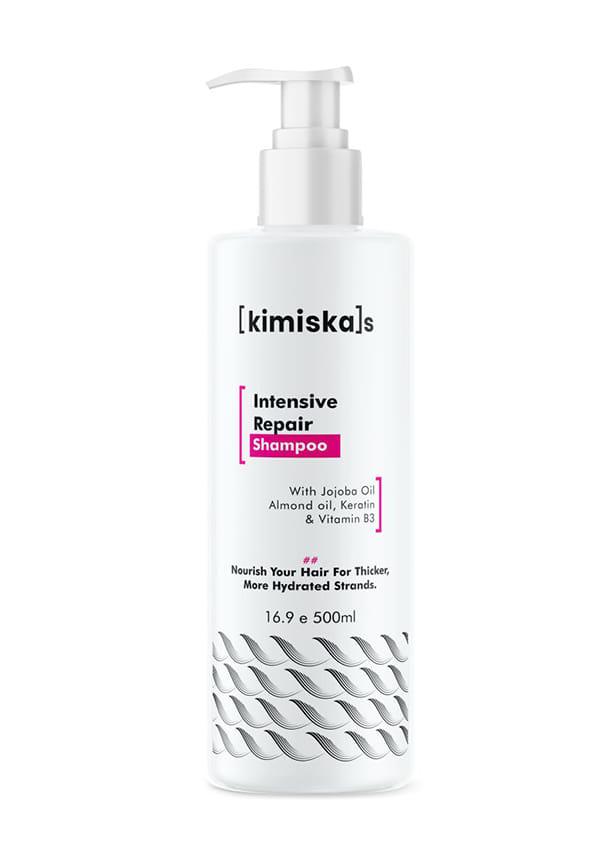
Intensive Hair Repair Shampoo for Dry and Frizzy Hair
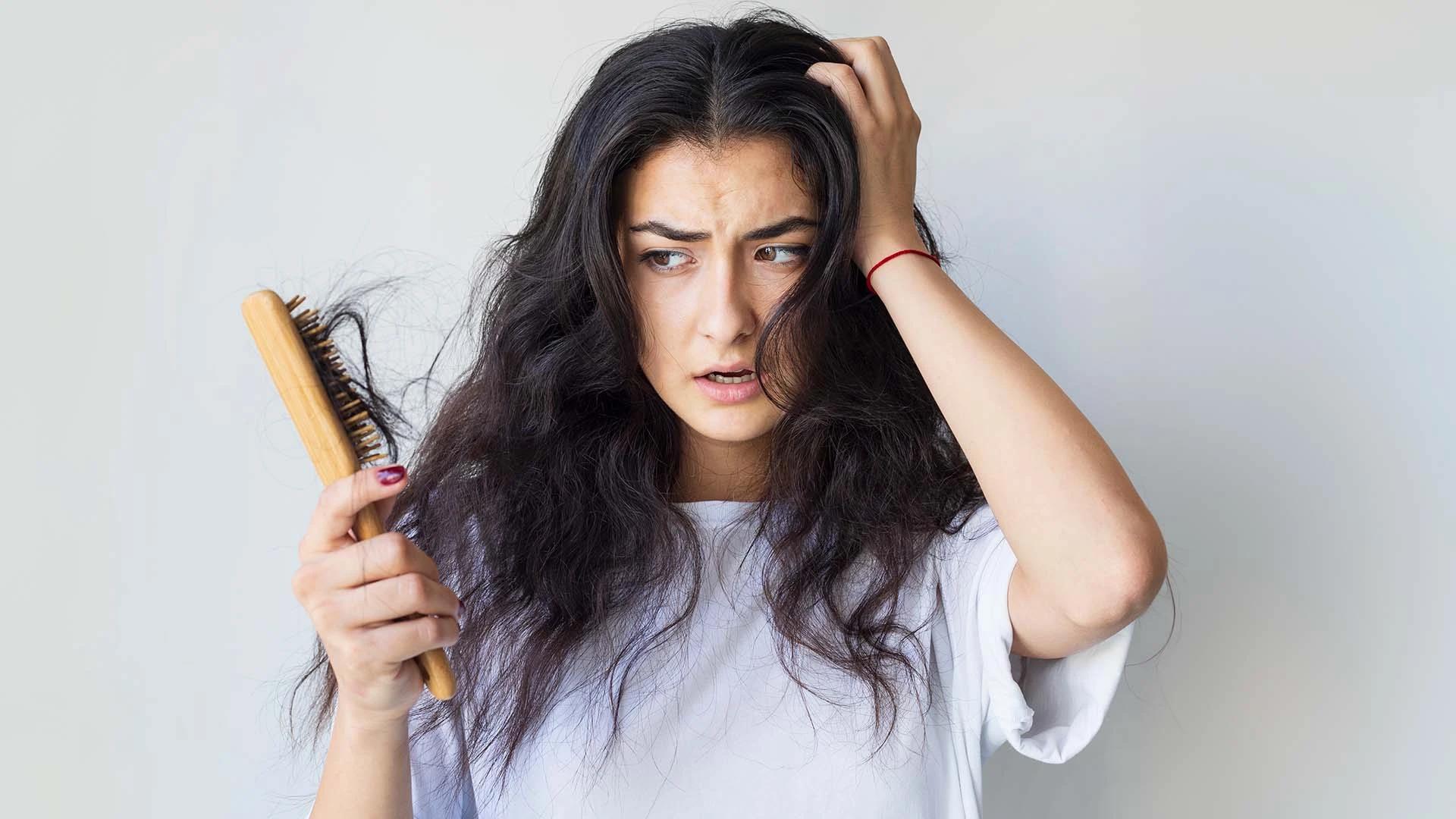
Picture this: you spend ages perfecting your hair, step outside, and within minutes it's transformed into something that looks like you've been struck by lightning. Sound familiar? If humidity has been your hair's worst enemy, you're definitely not alone. The moment moisture levels rise, many of us watch our carefully styled locks turn into a frizzy, unmanageable mess. But here's the thing – understanding why this happens and knowing how to fight back can completely change your hair game. Let's dive into the most common questions about humidity hair problems and get you the answers you've been searching for.
Real talk – humidity doesn't just make your hair look different, it literally changes its structure. When there's moisture in the air, your hair acts like a tiny sponge, absorbing water and swelling up. This isn't just surface-level stuff; it's happening deep within each strand.
Your hair cuticles are like overlapping scales that protect the inner layers of your hair shaft. In normal conditions, they lie flat and smooth. But when humidity strikes, these cuticles lift and separate as your hair absorbs moisture from the air. The hydrogen bonds that keep your hair's shape start breaking down and reforming, which is why your straight hair might suddenly develop waves or your curls might lose their definition. It's basically your hair having an identity crisis every time the weather changes.
Not all hair is created equal when it comes to humidity battles. If your hair is damaged, chemically treated, or naturally porous, it's going to soak up moisture faster than a dry sponge. Curly hair tends to be more vulnerable because it has natural weak points along the curves where the cuticles don't lie as flat. Fine hair might not get as frizzy, but it can lose volume and become limp. Meanwhile, coarse or thick hair might handle humidity better but can still puff up significantly.
The good news? You're not powerless against humidity. There are actually loads of ways to protect your hair and keep it looking fab, no matter what the weather throws at you.
Think of this as creating a shield around your hair before you even start styling. Anti-frizz serums and leave-in treatments work by forming a protective barrier that blocks moisture from getting in. Apply these products to damp hair, focusing on the mid-lengths and ends where damage is usually worst. Hair oils can also be brilliant for this – they create a water-repelling layer that keeps humidity at bay.
Sometimes the best defence is changing how you style your hair altogether. Protective styles like braids, buns, or sleek ponytails keep your hair contained and reduce its exposure to humid air. When drying your hair, squeeze don't rub – rubbing with a towel roughens up those cuticles we talked about earlier. If you're air-drying, scrunch your hair gently with a microfibre towel or cotton t-shirt instead.
Your daily routine can make or break your humidity game. Washing your hair too often strips away natural oils that help protect against moisture, but not washing enough can leave buildup that makes frizz worse. Most hair types do best with washing 2-3 times per week. In the morning, a light mist of leave-in conditioner can refresh your style, and at night, sleeping on a silk or satin pillowcase reduces friction that can cause frizz.
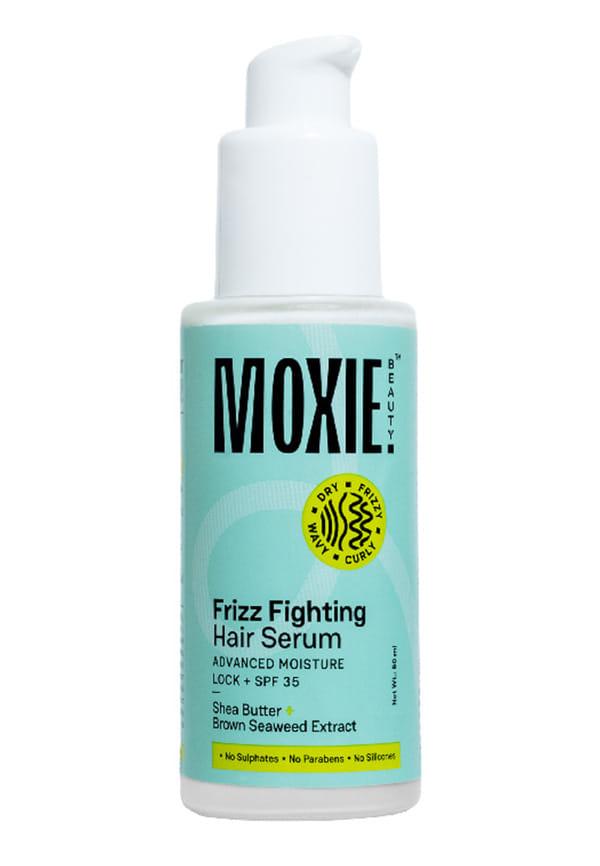
Frizz Fighting Hair Serum For Dry and Frizzy Hair
Let's be honest – not all anti-frizz products are created equal. The right products can be absolute game-changers, but you need to know what to look for and how to use them properly.
Look for shampoos that cleanse without stripping, and conditioners that add moisture without weighing your hair down. Ingredients like glycerin can be tricky – in moderate humidity, it helps your hair retain moisture, but in very humid conditions, it can actually pull moisture from the air into your hair, making frizz worse. Silicones like dimethicone create a protective coating, whilst natural oils like argan or coconut oil nourish and protect.
These are your secret weapons against humidity. Apply them to damp hair before styling, and use just enough to coat your strands without making them greasy. Silicone-based serums are brilliant for creating that moisture barrier, whilst oil-based treatments work better for very dry or damaged hair. The key is finding the right amount – start with less than you think you need and build up gradually.
You don't always need to splash out on expensive products, but sometimes it's worth the investment. Professional products often have more concentrated active ingredients and better formulations. However, plenty of affordable options work brilliantly too. The most important thing is finding products that work for your specific hair type and concerns, regardless of price point.
Your hair type completely changes how you should approach humidity protection. What works for your mate with pin-straight hair might be a disaster for your curls, and that's totally normal.
Curly hair and humidity can actually be friends if you know how to work with them. The key is maintaining the right moisture balance – your curls need hydration, but not so much that they become frizzy. Use the 'plopping' method with a microfibre towel to dry your curls gently, and consider the 'curly girl method' which involves avoiding sulphates and silicones. Diffusing on low heat can help set your curl pattern whilst reducing frizz.
Fine hair faces different challenges in humidity. Instead of frizz, you might deal with limpness or your style falling flat. Use lightweight products that won't weigh your hair down, and focus on your roots for volume. Dry shampoo can be your best friend for absorbing excess moisture and maintaining texture throughout the day.
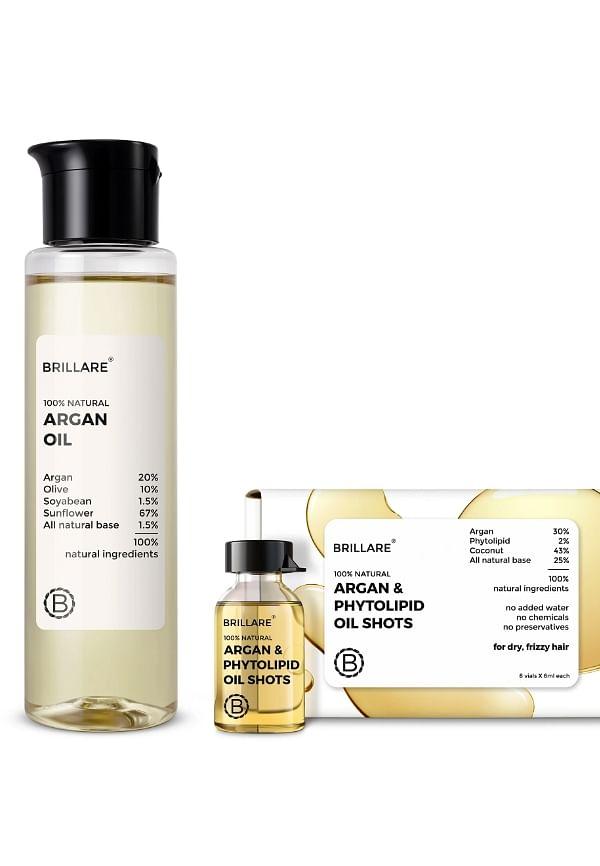
Hair Nourishing Duo for Dry & Frizzy Hair
If your hair is damaged or colour-treated, it's even more vulnerable to humidity because the cuticles are already compromised. You'll need extra protection and regular deep conditioning treatments. Protein treatments can help strengthen damaged areas, but don't overdo them – too much protein can make hair brittle.
This is a brilliant question that loads of people wonder about. The short answer is yes, but it's not the humidity itself that's the problem – it's how your hair responds to it.
When your hair constantly swells and contracts due to changing humidity levels, it can weaken the hair shaft over time. This repeated stress can lead to breakage, especially if you're constantly touching or manipulating frizzy hair. The lifting of cuticles also makes your hair more vulnerable to other types of damage from heat styling, chemical treatments, or even just brushing.
Prevention is always better than trying to fix damage after it's happened. Keep your hair well-moisturised with regular conditioning treatments, use heat protectants when styling, and be gentle when your hair is wet and most vulnerable. Regular trims help prevent split ends from travelling up the hair shaft, and protective styles can shield your hair from environmental stressors.
Summer brings its own set of challenges beyond just humidity. You're dealing with heat, sun exposure, chlorine from pools, and salt from the sea – all whilst trying to keep your hair looking decent.
Your hair care routine should change with the seasons just like your wardrobe does. In summer, you might need lighter products that won't feel heavy in the heat, whilst winter might call for richer, more moisturising formulas. Pay attention to how your hair responds to different weather patterns and adjust accordingly. Some people find they need to wash more frequently in summer due to increased sweating, whilst others can go longer between washes.
If you're really struggling with humidity, professional treatments might be worth considering. Keratin treatments can smooth the hair cuticle and reduce frizz for several months, though they do require some maintenance. Brazilian blowouts offer similar results but work differently. These treatments aren't for everyone and can be quite an investment, so do your research and consult with a professional stylist first.
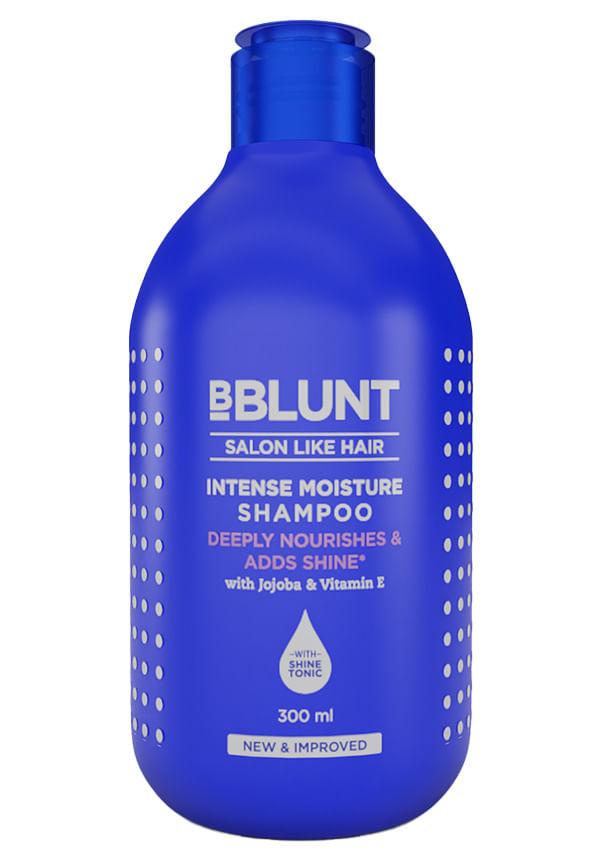
Intense Moisture Shampoo with Jojoba and Vitamin E for Dry & Frizzy Hair
Humidity levels above 60% can definitely cause issues for most hair types, and 70% is when many people start noticing significant frizz and style changes. However, how your hair reacts depends on its condition, porosity, and what products you're using. Well-protected hair can handle higher humidity levels much better.
Most people start experiencing frizz when humidity hits around 50-60%, but it really varies by hair type. Damaged or porous hair might react to humidity as low as 40%, whilst healthy, well-moisturised hair might not show significant frizz until humidity reaches 70% or higher.
Professional treatments like keratin can last 3-6 months depending on your hair type and how you care for it. At-home anti-frizz products typically provide protection for one wash cycle, so you'll need to reapply them each time you style your hair.
Whilst you can't literally 'train' your hair, you can definitely improve its condition over time to make it more resistant to humidity. Regular deep conditioning, protein treatments when needed, and consistent use of protective products can strengthen your hair and make it less reactive to environmental changes.
Humidity frizz happens when healthy hair absorbs moisture from the air and temporarily changes texture. Damaged hair looks frizzy even in low humidity because the cuticles are permanently lifted or broken. If your hair only gets frizzy in humid weather, it's likely just reacting to moisture. If it's always frizzy, you might be dealing with damage that needs treatment.
Absolutely! Your hair's needs change based on the environment. Moving from a dry climate to a humid one, or even just travelling somewhere with different weather, often requires adjusting your products and routine. Pay attention to how your hair behaves and be willing to experiment.
Natural oils like coconut, argan, or jojoba can help create a barrier against humidity. Aloe vera gel can provide light hold without stiffness. Apple cider vinegar rinses can help smooth the cuticle. However, natural doesn't always mean better – sometimes you need the technology of modern hair products to really tackle humidity effectively.
The proof is in how your hair behaves throughout the day. If your style holds up in humid conditions and you're not constantly battling frizz, your products are doing their job. It might take some trial and error to find the right combination, but when you do, you'll definitely notice the difference.
Dealing with humidity hair problems doesn't have to be a constant battle. Once you understand what's happening to your hair and why, you can take control with the right products, techniques, and routines. Remember, what works for someone else might not work for you, so don't be afraid to experiment until you find your perfect humidity-fighting formula. Your hair is unique, and your approach should be too. Not sure which products might work best for your specific hair concerns? Smytten offers trial-size versions of many anti-frizz and humidity-control products – a smart way to test different formulas before investing in full-size bottles.
