Humidity Hair Issues FAQ: Your Questions Answered


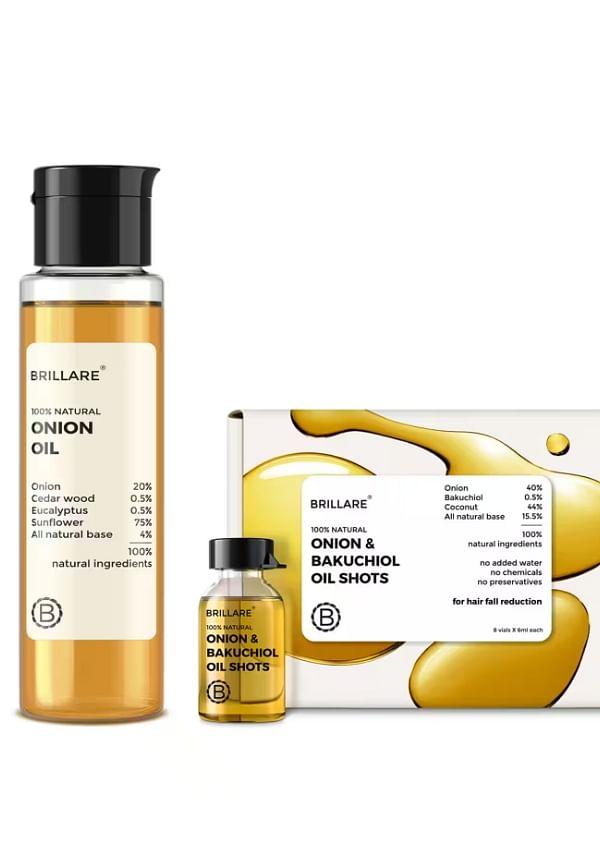
Hair & Scalp Treatment Duo for Dry, Frizzy & Hair Fall-Prone Hair
Ever stepped outside on a humid day only to watch your perfectly styled hair transform into a frizzy mess within minutes? You're definitely not alone. That frustrating moment when your sleek blowout turns into a lion's mane or your defined curls become an unruly cloud happens to the best of us. Understanding humidity hair issues isn't just about knowing why it happens—it's about finding real solutions that actually work for your specific hair type and lifestyle.
Let's get real about what's actually happening to your hair when humidity strikes. Your hair is basically a sponge made of protein, and when there's moisture in the air, it wants to absorb it. The outer layer of your hair, called the cuticle, has tiny scales that can lift up when exposed to humidity. This allows moisture to penetrate the hair shaft and disrupt the hydrogen bonds that keep your hair's structure intact.
Here's where it gets interesting: damaged hair is way more susceptible to humidity effects. If your hair has been chemically treated, heat-styled frequently, or is naturally porous, those cuticle scales are already lifted or damaged. This means moisture can get in more easily, causing more dramatic changes in texture and shape. Think of it like a damaged umbrella—it's just not going to protect you as well.
High humidity levels (anything above 70%) tend to cause the most noticeable frizz and volume changes. But low humidity can be just as problematic, leading to static, dryness, and brittle hair that breaks easily. Your hair's porosity level—how easily it absorbs and releases moisture—plays a huge role in how dramatically it reacts to these environmental changes.
Not all hair reacts to humidity in the same way, and understanding your specific hair type's challenges is key to finding solutions that actually work. Different textures and conditions respond differently to moisture in the air, which means your approach needs to be tailored to your unique situation.
Curly hair and humidity have a complicated relationship. While curls naturally need moisture to look their best, too much environmental moisture can cause serious frizz and make your curl pattern go completely haywire. You might notice your curls losing their definition, becoming uneven, or expanding to twice their normal size. The uneven moisture absorption that happens with textured hair means some sections might look great while others turn into a frizzy mess.
If you have straight or fine hair, humidity often means losing all your volume and watching your hair go completely flat against your head. The excess moisture weighs down your strands, making them look limp and lifeless. On the flip side, low humidity can create static and flyaways that make your hair look messy and unmanageable. Fine hair also tends to absorb moisture quickly, which can make it look greasy even when it's clean.
Hair that's been coloured, permed, relaxed, or frequently heat-styled faces the biggest humidity challenges. The chemical processes and heat damage create gaps in the cuticle layer, making your hair extremely porous. This means it absorbs moisture rapidly and unevenly, leading to extreme frizz, increased breakage, and even colour fading. The texture changes can be so dramatic that your hair feels like a completely different material.
The best way to deal with humidity hair issues is to prevent them from happening in the first place. This means creating a barrier between your hair and the moisture in the air, and strengthening your hair's structure so it's less reactive to environmental changes.
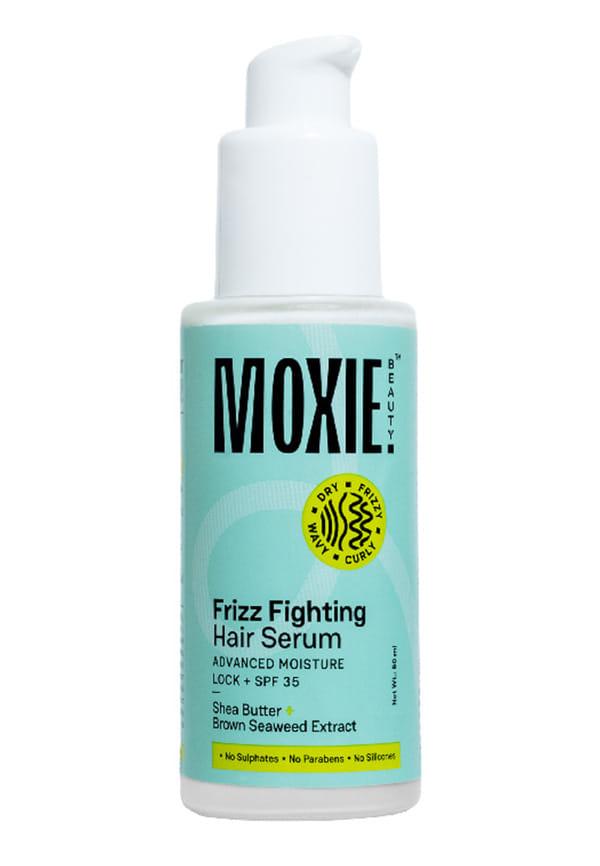
Frizz Fighting Hair Serum For Dry and Frizzy Hair
Start with your pre-styling routine. Apply a leave-in treatment or serum to damp hair before styling—this creates a protective layer that helps seal the cuticle and prevent moisture from getting in. When you're styling, use lower heat settings and always apply a heat protectant. High heat can damage your cuticles further, making them more susceptible to humidity effects later.
Your washing frequency might need adjusting based on the humidity levels in your area. In very humid conditions, you might need to wash more frequently to remove excess moisture and product buildup. In dry conditions, washing less often can help preserve your hair's natural oils, which act as a protective barrier.
Protective styling is your friend when humidity levels are high. Braids, buns, and other updos keep your hair contained and reduce its surface area exposure to humid air. Just make sure not to style too tightly, as this can cause breakage and tension on your scalp.
Finding the right products for humidity protection can feel overwhelming, but understanding what ingredients actually work makes the process much easier. The key is looking for products that either create a barrier on your hair shaft or help strengthen and smooth the cuticle layer.
Silicone-based products are incredibly effective at creating a moisture barrier, but they're not your only option. Look for ingredients like dimethicone or cyclopentasiloxane in serums and leave-in treatments. These create a lightweight film that repels humidity while still allowing your hair to move naturally. Natural alternatives include argan oil, coconut oil, and shea butter, which can provide similar protective benefits without synthetic ingredients.
Application technique matters just as much as the product itself. Apply leave-in treatments to damp hair, focusing on the mid-lengths and ends where damage is typically worst. Use a wide-tooth comb to distribute the product evenly, and avoid applying too much near your roots unless you have very dry or damaged hair.
Your foundation routine sets the stage for how well your hair handles humidity throughout the day. Look for shampoos and conditioners that focus on moisture balance rather than just adding moisture. Ingredients like keratin, protein complexes, and ceramides help strengthen the hair shaft and smooth the cuticle layer.
If your hair is damaged or chemically treated, consider incorporating a weekly protein treatment into your routine. These help fill in gaps in the cuticle layer, making your hair less porous and more resistant to humidity effects. Just be careful not to overdo it—too much protein can make hair brittle and prone to breakage.
The right styling products can make or break your humidity game. Gels and mousses with humidity-resistant formulas help lock your style in place while providing a protective barrier. Look for products that specifically mention humidity protection or anti-frizz benefits on the label.
Finishing sprays and humidity shields are your final line of defence. These products create an invisible barrier that helps repel moisture while locking in your style. Apply them as the last step in your styling routine, holding the bottle about 6-8 inches away from your hair for even coverage.
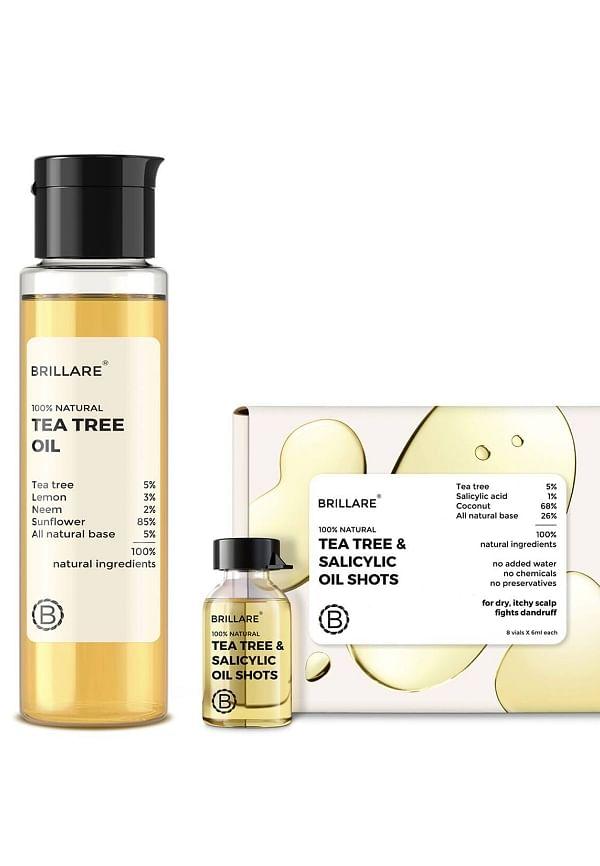
Hair & Scalp Treatment Duo for Dry, Frizzy & Dandruff-Prone Hair
If you prefer natural approaches or want to supplement your product routine with DIY treatments, there are several effective options that can help your hair become more resistant to humidity effects.
Apple cider vinegar rinses are brilliant for sealing the hair cuticle. Mix one part ACV with three parts water and use it as a final rinse after shampooing. The acidic pH helps flatten the cuticle scales, creating a smoother surface that's less likely to absorb excess moisture from the air.
Natural oils like argan, jojoba, and coconut oil can provide excellent humidity protection when used correctly. The key is using just a tiny amount—start with a drop or two and work it through your hair, focusing on the ends. These oils create a protective barrier while adding shine and softness.
DIY protein treatments using ingredients like eggs, yoghurt, or gelatin can help strengthen damaged hair and make it more resistant to humidity. Mix one egg with a tablespoon of honey and apply to damp hair for 20 minutes before shampooing. The protein helps fill in gaps in the cuticle layer, while the honey provides moisture balance.
Sometimes DIY solutions and drugstore products aren't enough, especially if you're dealing with severely damaged or very porous hair. Professional treatments can provide longer-lasting humidity protection and help repair your hair's structure from the inside out.
Keratin treatments are probably the most well-known professional option for humidity control. These treatments infuse the hair shaft with protein and create a protective coating that can last 3-6 months. They're particularly effective for frizzy, damaged, or chemically treated hair. Just keep in mind that some keratin treatments contain formaldehyde, so make sure to discuss options with your stylist.
Professional smoothing services and deep conditioning treatments can also provide significant humidity protection. These treatments often use salon-grade ingredients that penetrate deeper into the hair shaft than at-home products. The results typically last longer and provide more dramatic improvements in manageability.
For severely damaged hair, your stylist might recommend a series of protein treatments or bond-building services. These help repair the internal structure of your hair, making it stronger and less reactive to environmental factors like humidity.
Your humidity hair care strategy needs to change with the seasons because different times of year present different challenges. Summer typically brings high humidity and heat, while winter often means dry indoor air and harsh weather conditions.
During summer months, focus on lightweight products that won't weigh your hair down in the heat. Gel-based leave-in treatments and light oils work well for creating a protective barrier without adding heaviness. You might also need to wash your hair more frequently to remove sweat and product buildup.
Winter humidity challenges are different but equally frustrating. Indoor heating systems create very dry air, which can make your hair static and brittle. Switch to heavier, more moisturising products during these months, and consider using a humidifier in your bedroom to add moisture back into the air.
Transitional seasons like spring and autumn require flexibility in your routine. Keep both lightweight and heavier products on hand so you can adjust based on daily weather conditions. This is also a great time to reassess your hair's condition and adjust your treatment routine accordingly.
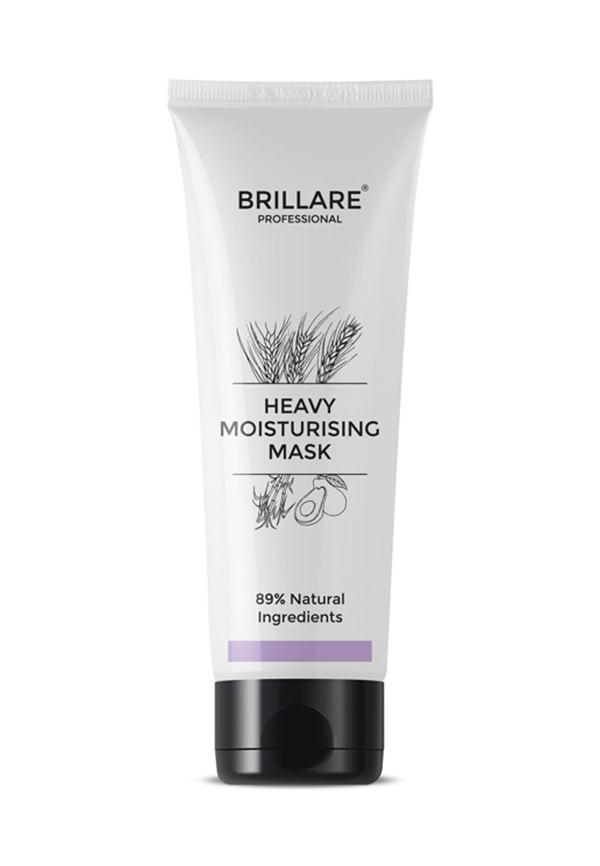
Conditioner For Dry, Frizzy Hair
Humidity levels above 70% can definitely cause noticeable changes in most hair types, especially if your hair is damaged or naturally porous. However, whether it's "bad" depends on your hair type and how well-prepared you are. With the right products and techniques, you can manage your hair even in high humidity conditions.
Humidity itself doesn't cause permanent damage, but the way you handle humid hair can. Aggressive brushing of swollen, frizzy hair or using high heat to constantly fight humidity effects can lead to breakage and damage over time. The key is working with your hair's natural response rather than fighting against it.
Your hair absorbs moisture from the air, which causes the hair shaft to swell and the cuticle layer to lift. This changes how light reflects off your hair and can alter its texture, volume, and curl pattern. It's a completely normal physical response to environmental moisture.
Most anti-humidity styling products provide protection for one day, though this can vary based on the product, your hair type, and environmental conditions. Professional treatments like keratin can provide humidity protection for several months, while daily-use products need to be reapplied with each styling session.
Hair tends to be most manageable in moderate humidity levels between 40-60%. This provides enough moisture to keep hair hydrated without causing excessive swelling or frizz. However, with proper care and products, you can maintain healthy-looking hair in a wide range of humidity conditions.
Price doesn't always correlate with effectiveness when it comes to humidity protection. Some drugstore products work brilliantly, while some expensive ones might not suit your particular hair type. The key is finding products with the right ingredients for your specific needs, regardless of price point.
Your overall hair health definitely affects how it responds to humidity, and diet plays a role in hair health. Proper hydration, adequate protein intake, and essential fatty acids can help strengthen your hair structure, making it more resilient to environmental factors like humidity.
Understanding humidity hair issues is really about understanding your own hair and finding the right combination of products and techniques that work for your lifestyle. There's no one-size-fits-all solution because everyone's hair reacts differently to environmental moisture. The key is being patient with yourself as you figure out what works and being willing to adjust your routine based on seasonal changes and your hair's evolving needs.
Remember that humidity doesn't have to be your hair's enemy. With the right approach, you can learn to work with your hair's natural response to moisture rather than constantly fighting against it. Sometimes this means embracing a slightly different texture on humid days, and other times it means investing in products that provide serious humidity protection.
If you're still figuring out which products work best for your humidity hair issues, Smytten's curated selection includes anti-frizz treatments and humidity-resistant styling products from trusted brands. Not sure which format works for your hair? Smytten also offers trial-size versions of many of these products—a good way to check before committing to a full bottle.
