Humidity Hair Frizz FAQ: Your Questions Answered


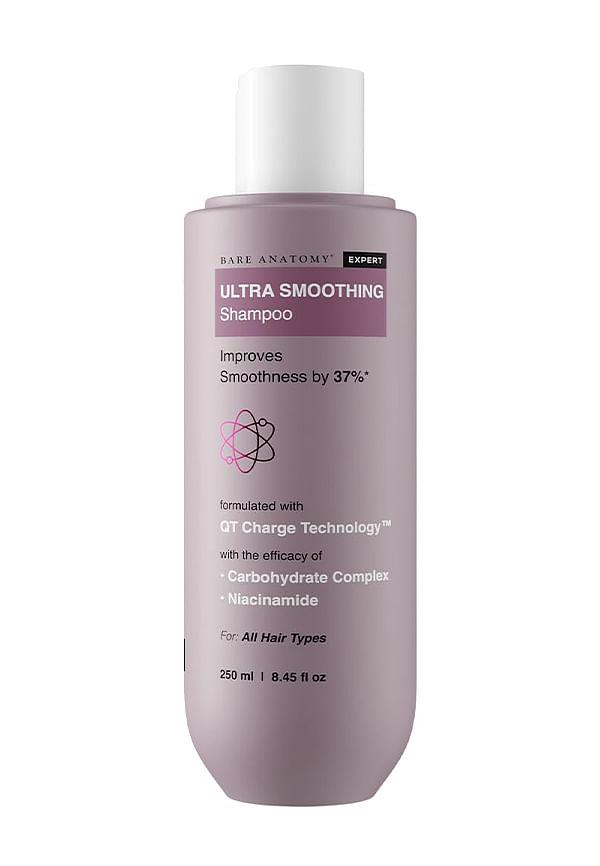
Ultra Smoothing Shampoo for Dry and Frizzy Hair
Loved the feel, nice product
 5
5“used it once and loved the feel! nice product”
Amazing Hair Product
5“amazing product for hair try once”
Hair Smoother & Shinier
5“Makes the hair smoother and silky and shiny”
Picture this: you spend ages perfecting your hair, step outside, and within minutes it's transformed into a frizzy mess that looks nothing like what you started with. If this sounds painfully familiar, you're definitely not alone. Humidity hair frizz is one of those universal struggles that can turn even the most confident hair day into a complete disaster. The thing is, understanding why humidity wreaks havoc on your hair is actually the first step to fighting back. Once you know what's happening on a scientific level, you can arm yourself with the right strategies and products to keep your hair looking smooth and manageable, no matter what the weather throws at you.
Let's be real—humidity and hair have a complicated relationship that's all about moisture and structure. When there's excess moisture in the air, your hair basically becomes a sponge, absorbing water through its outer layer (the cuticle). This process disrupts the hydrogen bonds in your hair's keratin structure, causing strands to swell and lose their smooth shape. The result? That dreaded frizzy hair texture that seems impossible to tame.
Your hair cuticle acts like overlapping roof tiles, and when humidity levels rise, these tiles lift up to let moisture in. Damaged or porous hair is especially vulnerable because it has more gaps for water to sneak through. Once inside, the moisture causes your hair shaft to expand unevenly, creating that bumpy, frizzy texture. This is why hair that's been chemically treated or heat-damaged tends to get frizzier in humid conditions—the cuticle is already compromised.
Most hair types start showing signs of humidity hair frizz when the moisture level hits around 70%. At this point, the air holds enough water vapour to significantly affect your hair's structure. Factors like wind, temperature changes, and even indoor air conditioning can make things worse by creating moisture imbalances that your hair tries to correct by absorbing or releasing water.
Fighting hair frizz isn't just about using the right products—it's about creating a complete defence system that starts in the shower and continues throughout your day. The key is building moisture barriers while keeping your hair properly hydrated from within. Think of it as weatherproofing your hair against environmental challenges.
Start with deep hydration techniques that give your hair the moisture it needs so it won't desperately grab water from the air. Use lukewarm or cool water for your final rinse to help seal the hair cuticles. When drying, skip the rough towel rubbing and opt for a microfiber towel or even a cotton t-shirt to gently squeeze out excess water without causing friction damage.
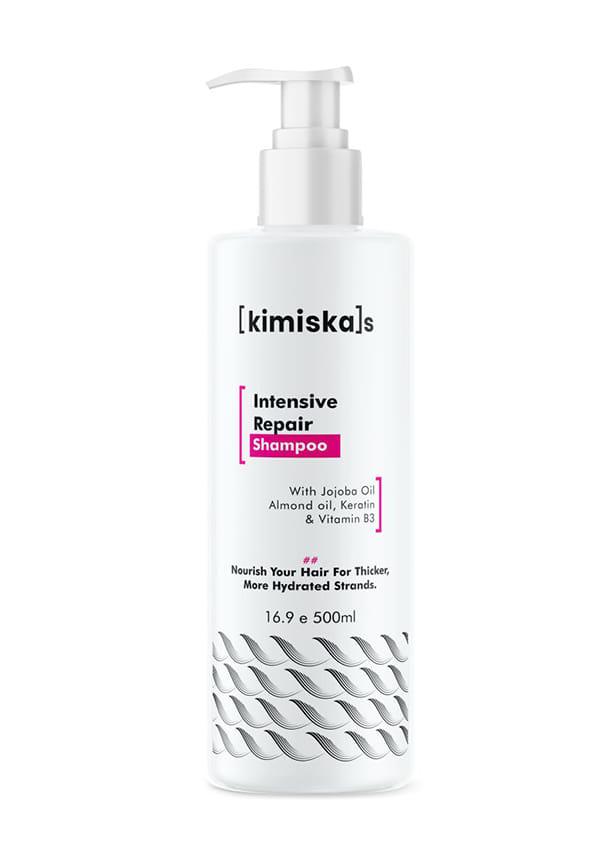
Intensive Hair Repair Shampoo for Dry and Frizzy Hair
Look for products with anti-humectant ingredients like silicones, natural waxes, and certain oils that create a protective barrier around your hair shaft. Layer your products strategically: start with a heat protectant, add a smoothing cream while hair is damp, and finish with a lightweight serum to lock everything in. Avoid products with glycerin or other humectants on high-humidity days, as these can actually attract more moisture to your hair.
Building a consistent routine is your best defence against humidity hair challenges. The goal is to maintain optimal moisture levels while protecting your hair's structure from environmental damage. This means being strategic about when and how you wash, condition, and style your hair.
Consider co-washing (using conditioner instead of shampoo) on alternate days to maintain moisture without stripping natural oils. When you do shampoo, choose sulfate-free formulas that clean gently. Deep condition weekly to repair damage and strengthen your hair's moisture barrier. This helps create more resilient hair that's less likely to react dramatically to humidity changes.
Keep heat styling temperatures moderate—high heat can damage the cuticle and make frizzy hair worse. If air-drying, use the plopping method with a microfiber towel to encourage natural curl patterns without disruption. On particularly humid days, consider protective styles like braids or buns that keep your hair contained and less exposed to moisture.
Even with the best intentions, it's easy to make mistakes that actually worsen humidity hair frizz. Understanding these common pitfalls can help you adjust your routine for better results. Most of these errors happen because we're trying to fix frizz after it's already started, rather than preventing it from the beginning.
Stop touching your hair throughout the day—every time you run your fingers through it, you're disrupting the protective layer you've created and introducing oils from your hands. Avoid mixing too many products, which can create buildup and weigh hair down. Apply styling products to damp hair for better distribution and absorption, not dry hair where they'll just sit on the surface.
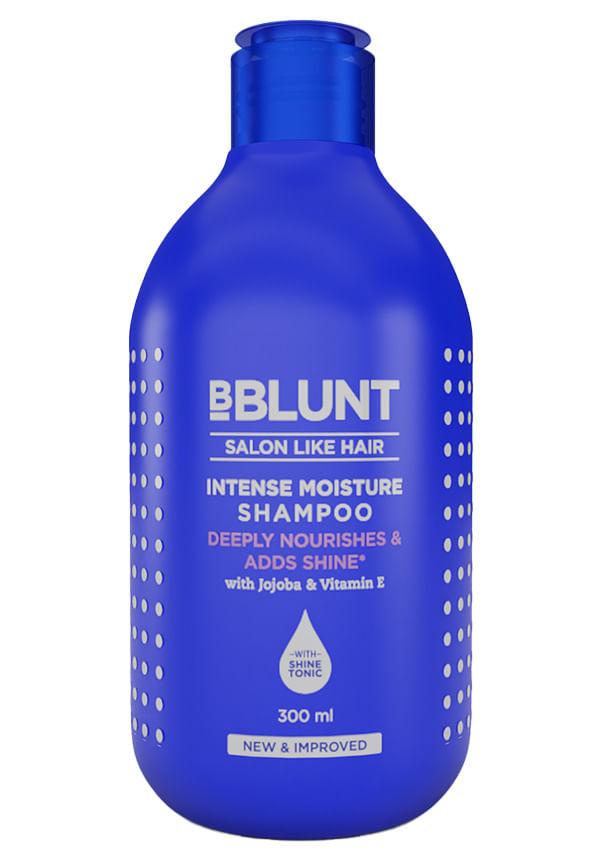
Intense Moisture Shampoo with Jojoba and Vitamin E for Dry & Frizzy Hair
Mixed: Bad Smell, Good Shine
4“smells not good but add shine to hair”
Mixed: Bad Smell, Good Shine
4“smells not good but add shine to hair”
Mixed: Bad Smell, Good Shine
4“smells not good but add shine to hair”
Hot water opens the hair cuticle, making it more susceptible to humidity damage later. Aggressive towel drying creates friction that roughens the cuticle surface. Skipping heat protectant before styling leaves your hair vulnerable to damage that makes future frizz control much harder.
Sometimes managing frizzy hair requires more intensive treatments, whether professional or DIY. Understanding your options helps you choose the right approach based on your hair type, budget, and lifestyle. Professional treatments offer longer-lasting results, while at-home methods give you more control over ingredients and frequency.
Keratin treatments can provide months of humidity resistance by temporarily altering your hair's structure. Brazilian blowouts and similar smoothing services work differently but offer comparable results. Consider the cost versus how often you struggle with hair frizz—if it's a daily battle, professional treatment might be worth the investment.
Create weekly hydrating masks using ingredients like avocado, coconut oil, or honey to boost moisture levels naturally. Natural oils like argan or jojoba can provide humidity protection when applied sparingly to damp hair. Consistency is key with DIY treatments—use them regularly for cumulative benefits rather than expecting instant results.
Not necessarily. Your hair's porosity level plays a huge role in how it responds to humidity. Low-porosity hair might handle higher humidity levels better, while high-porosity hair can start frizzing at lower humidity percentages. You can adapt by adjusting your product routine based on weather forecasts and learning your hair's specific triggers.
Start with properly hydrated hair, use humidity-blocking products, and avoid touching your hair throughout the day. Apply a smoothing serum to damp hair, use a diffuser when blow-drying, and consider protective styles on particularly humid days. Keep a small bottle of diluted leave-in conditioner for emergency touch-ups.
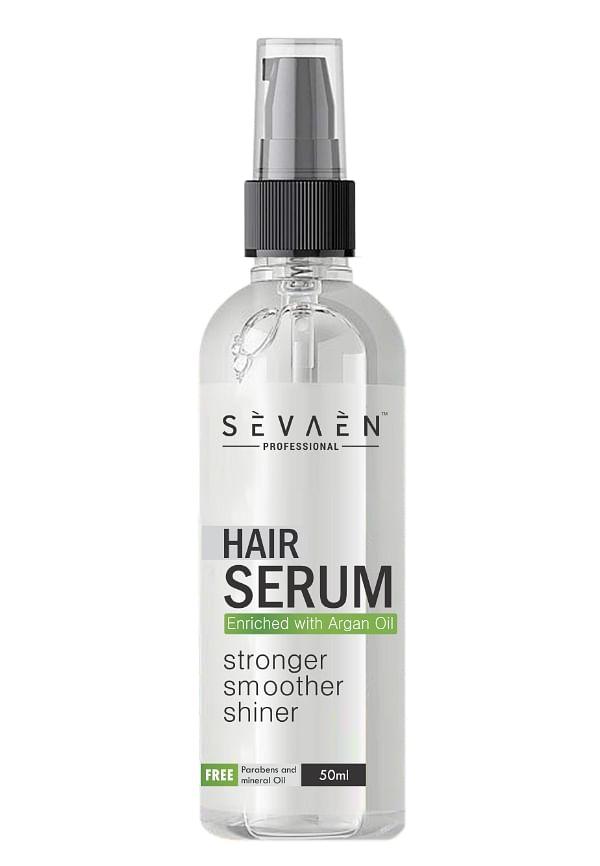
Hair Serum For Silky & Smooth Hair, Tames Frizzy Hair
Loved the product
5“I really really loved the product”
Loved the product
5“I really really loved the product”
Good for Hair, Feels Good
5“very good for hair and feels so good”
Deficiencies in biotin, vitamin D, and omega-3 fatty acids can contribute to weak, frizzy hair structure. However, humidity hair frizz is primarily an environmental response, not a nutritional issue. That said, maintaining good nutrition supports overall hair health and can make your hair more resilient to environmental stressors.
Look for products containing silicones like dimethicone or cyclomethicone, natural oils like argan or coconut oil, and film-forming polymers. Anti-frizz serums, leave-in conditioners with humidity blockers, and smoothing creams are your best friends. Avoid products with glycerin or other humectants on high-humidity days.
Different hair types require tailored approaches to humidity protection. What works for fine, straight hair might be too heavy for someone with thick, curly hair, and vice versa. Understanding your specific hair needs helps you choose the most effective haircare for humidity strategies.
Use lightweight, volumising products that won't weigh your hair down while still providing humidity protection. Apply products sparingly and focus on mid-lengths to ends rather than roots. Consider mousse or lightweight gels that offer hold without heaviness, and avoid over-conditioning which can make fine hair limp and more prone to frizz.
Your hair can handle heavier products, so don't be afraid to use richer creams and oils for humidity protection. Section your hair when applying products to ensure even distribution. Focus on sealing techniques like the LOC method (leave-in, oil, cream) to create multiple moisture barriers that can withstand humid conditions.
Managing humidity hair frizz is definitely achievable once you understand the science behind it and develop a routine that works for your specific hair type. Remember that consistency is more important than perfection—even small changes to your routine can make a significant difference in how your hair handles humid weather. The key is finding the right balance of moisture and protection that keeps your hair smooth without weighing it down.
Experiment with different techniques and products to discover what works best for your hair. Some days will be better than others, and that's completely normal. The goal isn't to achieve perfect hair every single day, but to have reliable strategies that help you feel confident regardless of the weather. Not sure which anti-frizz products might work for your hair type? Smytten offers trial-size versions of many humidity-resistant haircare products—a smart way to test different formulas before investing in full-size bottles.
