Humidity Hair FAQ: Your Questions Answered

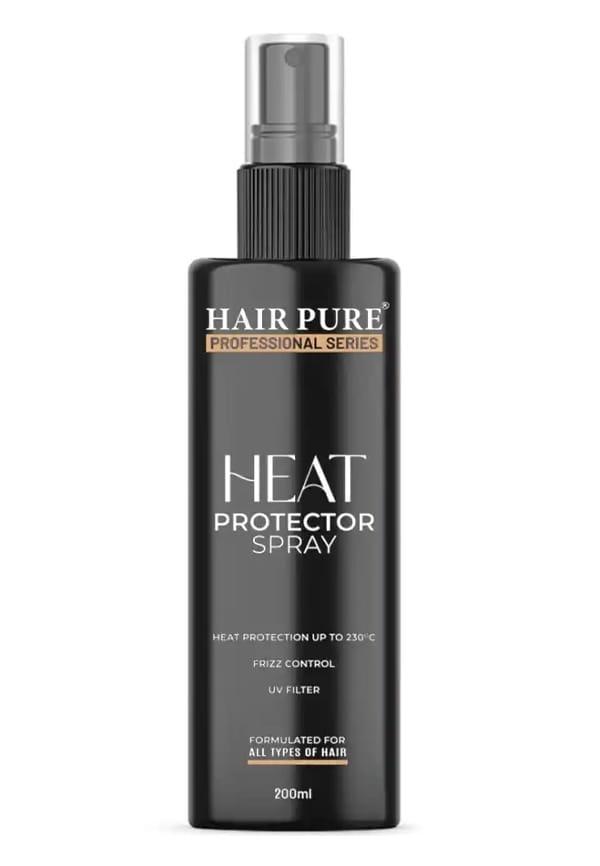
Heat Protector Spray Heat Protection Up to 230ºC, Controls Frizz
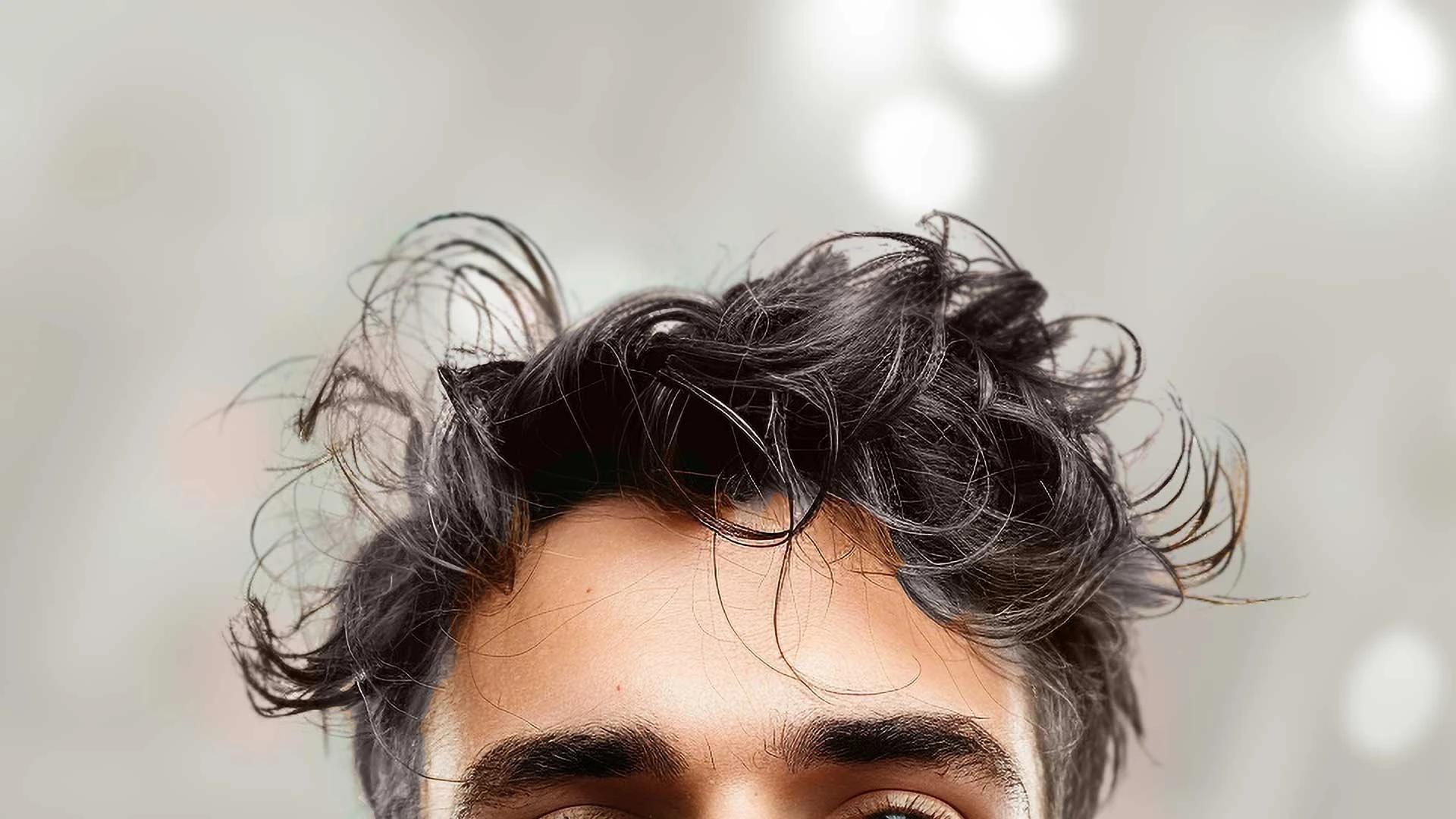
You know that feeling when you step outside on a humid day and your perfectly styled hair instantly transforms into something unrecognisable? One minute you're feeling confident with your sleek blowout, and the next you're dealing with frizz that seems to have a mind of its own. If you've ever wondered why humidity wreaks such havoc on your hair, you're definitely not alone. The relationship between moisture in the air and your hair structure is more complex than you might think, and understanding it is the first step to winning the battle against humid weather.
Let's get real about what's actually happening to your hair when humidity levels rise. Your hair is made up of proteins called keratin, which are held together by hydrogen bonds. These bonds are pretty fragile and break easily when they come into contact with moisture from the air. When humidity is high, your hair absorbs water molecules, causing these hydrogen bonds to break and reform in new positions.
This process makes your hair shaft swell and the cuticles lift, which is why your hair feels rougher and looks frizzier on humid days. Think of your hair like a sponge – the more porous it is, the more moisture it can absorb from the environment. Hair that's been chemically treated, heat-damaged, or naturally porous will absorb moisture much faster than healthy, intact hair.
The hair swelling humidity causes isn't just cosmetic. When your hair repeatedly swells and contracts due to changing moisture levels, it can lead to something called hygral fatigue. This weakens your hair structure over time, making it more prone to breakage and damage. It's like repeatedly stretching a rubber band – eventually, it loses its elasticity and snaps.
Not all hair types react the same way to humidity. Humidity curly hair tends to be more affected because curly hair is naturally more porous than straight hair. The twists and turns in curly hair create weak points where the cuticle is more likely to lift, allowing moisture to penetrate more easily.
Hair texture humidity responses vary significantly. Fine hair might become limp and lose volume, while thick, coarse hair might become unmanageably frizzy. Damaged hair from chemical processing or heat styling is particularly vulnerable because the cuticle layer is already compromised.
Frizzy hair humidity creates is probably the most common complaint, but it's not the only issue you might face. When humidity levels are high, you might notice your hair becomes harder to style, loses its shape quickly, or feels rough and tangled. These damp hair problems occur because moisture disrupts your hair's natural structure and any styling you've done.
Volume loss is another major concern, especially for those with fine hair. When hair absorbs moisture, it can become heavy and weighed down, making it lie flat against your head. On the flip side, those with naturally thick or curly hair might experience the opposite problem – excessive volume and uncontrollable frizz.
The constant cycle of moisture absorption and release can also lead to increased breakage. Your hair becomes more fragile when it's swollen with moisture, making it more likely to snap when you brush, style, or even just move around. This is why you might notice more hair in your brush after particularly humid days.
Porosity plays a huge role in how much humidity affects your hair. High-porosity hair has gaps and holes in the cuticle layer, allowing moisture to enter and exit easily. Low-porosity hair has tightly packed cuticles that resist moisture absorption, making it less reactive to humidity changes.
Your hair's natural oil production also matters. Scalps that produce adequate sebum create a natural barrier that helps protect hair from environmental moisture. If your scalp is dry or you wash your hair too frequently, you might be stripping away this protective layer.
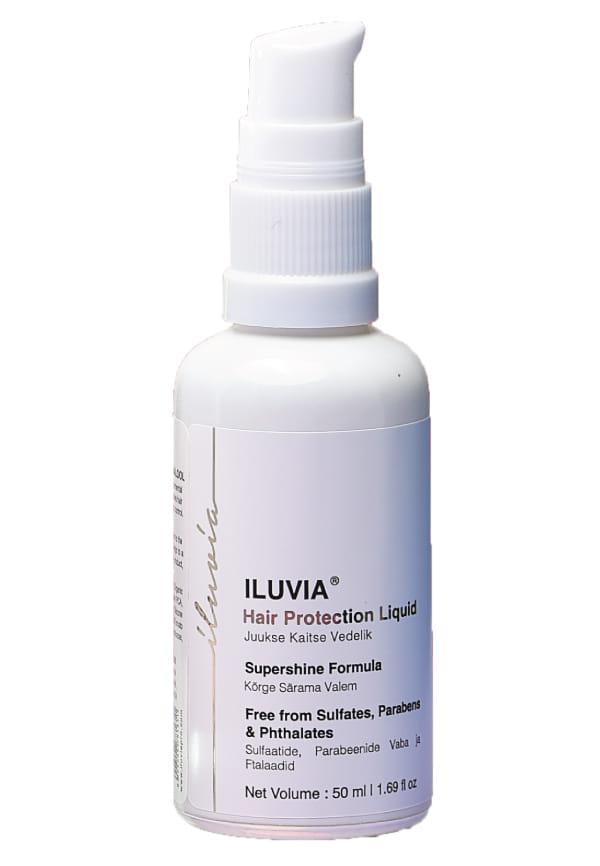
Hair Protections Liquid | Frizz control with super shiny hair + Heat Protection
The good news is that there are plenty of hair humidity solutions that actually work. Prevention is always better than damage control, so starting with the right foundation is key. Before you even think about styling, make sure your hair is properly moisturised from within. Well-hydrated hair is less likely to seek moisture from the environment.
Anti frizz humidity protection starts in the shower. Use a moisturising shampoo and conditioner suited to your hair type, and consider adding a weekly deep conditioning treatment to your routine. When your hair is properly hydrated, it's less likely to absorb excess moisture from the air.
Protective styling is your best friend on humid days. Braids, buns, and other updos keep your hair contained and reduce its exposure to environmental moisture. If you prefer wearing your hair down, consider using products that create a barrier between your hair and the humid air.
Temperature matters too. Hot, humid air is more damaging than cool, humid air because heat opens up the hair cuticle even more. If possible, try to limit your time in hot, steamy environments like saunas or hot showers on particularly humid days.
Living in a humid climate means adapting your haircare routine to work with the environment rather than against it. You might need to wash your hair less frequently to preserve natural oils, or switch to lighter products that won't weigh your hair down in the moisture-heavy air.
Your drying technique becomes crucial in humid weather. Air-drying might seem like the gentler option, but it can actually leave your hair more vulnerable to humidity if it's not completely dry. Using a blow dryer on a cool setting can help seal the cuticle and create a smoother surface that's more resistant to moisture.
When shopping for humidity hair products, look for ingredients that create a protective barrier on your hair shaft. Silicones like dimethicone and cyclopentasiloxane are excellent for this purpose, as they form a lightweight film that repels moisture while still allowing your hair to breathe.
Haircare humidity protection also comes from ingredients like glycerin, but here's the catch – glycerin can be a friend or foe depending on the humidity level. In moderate humidity, glycerin draws moisture from the air to your hair, which can be beneficial. But in very high humidity, it can draw too much moisture, leading to frizz.
Anti-humidity serums and leave-in treatments are worth investing in if you live in a consistently humid climate. These products are specifically formulated to create a barrier against environmental moisture while providing nourishment to your hair. Look for products that contain a combination of silicones, oils, and humectants for the best protection.
Protein treatments can also help strengthen hair that's been weakened by humidity damage. Products containing hydrolysed proteins can help fill in gaps in damaged cuticles, making your hair less porous and more resistant to moisture absorption.
If you prefer natural solutions, there are several DIY treatments that can help protect your hair from humidity. Coconut oil, argan oil, and jojoba oil can all help seal the hair cuticle when applied to damp hair before styling. Just remember that a little goes a long way – too much oil can weigh your hair down.
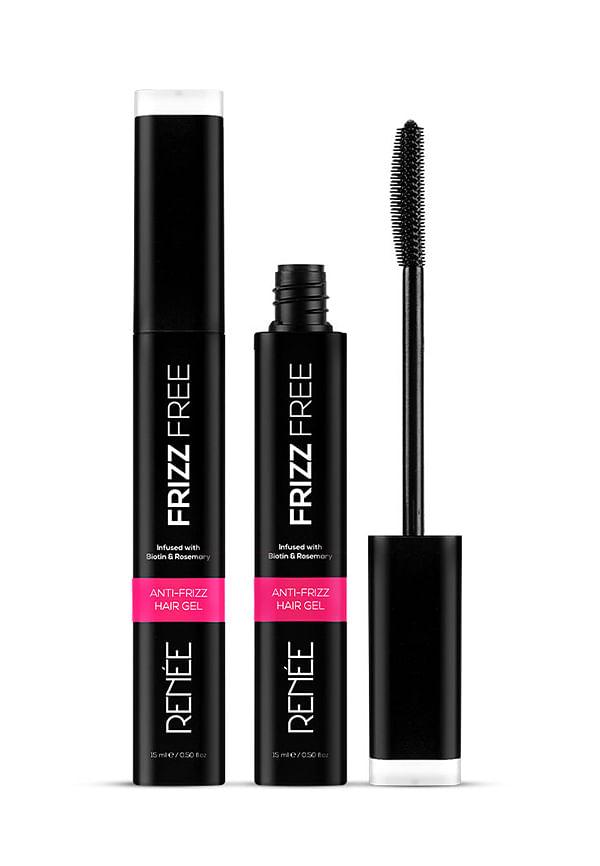
Frizz Free Anti Frizz Hair Gel
Apple cider vinegar rinses can help smooth the cuticle and reduce porosity over time. Mix one part apple cider vinegar with three parts water and use it as a final rinse after shampooing and conditioning once a week.
Professional stylists have developed specific techniques for dealing with humidity hair challenges. The key is to work with your hair's natural texture rather than fighting against it. If you have naturally curly hair, embrace the curl and use products that define and control rather than trying to straighten it completely.
When blow-drying in humid weather, use a round brush to smooth the cuticle as you dry. Start with a heat protectant, then use medium heat and finish with a blast of cool air to seal the cuticle. This technique helps create a smoother surface that's more resistant to humidity.
Setting sprays and finishing products become essential in humid climates. These products help lock your style in place and create an additional barrier against moisture. Apply them after styling but before you head out into the humid air.
For touch-ups throughout the day, carry a small bottle of diluted leave-in conditioner or anti-frizz serum. A light mist can help tame any frizz that develops without weighing your hair down or making it look greasy.
Living in a humid environment long-term requires a strategic approach to hair health. While humidity can be challenging for styling, it's not necessarily bad for your hair's overall health. In fact, some moisture in the air can be beneficial, especially if you live in a climate with dry winters.
The key is finding the right balance and protecting your hair from the negative effects while allowing it to benefit from the positive ones. Regular trims become even more important in humid climates because damaged ends are more susceptible to moisture absorption and frizz.
Scalp health is also crucial when dealing with humidity. The warm, moist environment can sometimes lead to scalp issues like fungal infections or increased oil production. Make sure you're cleansing your scalp properly and allowing it to breathe when possible.
Consider seasonal adjustments to your routine. You might need different products for the height of summer humidity versus the milder humidity of spring and autumn. Pay attention to how your hair responds to different weather patterns and adjust accordingly.
The most effective way to protect your hair from humidity is to create a barrier using the right products and techniques. Start with well-moisturised hair, use leave-in treatments or serums containing silicones, and consider protective styling on particularly humid days. Proper drying techniques and regular deep conditioning treatments also help strengthen your hair's resistance to environmental moisture.
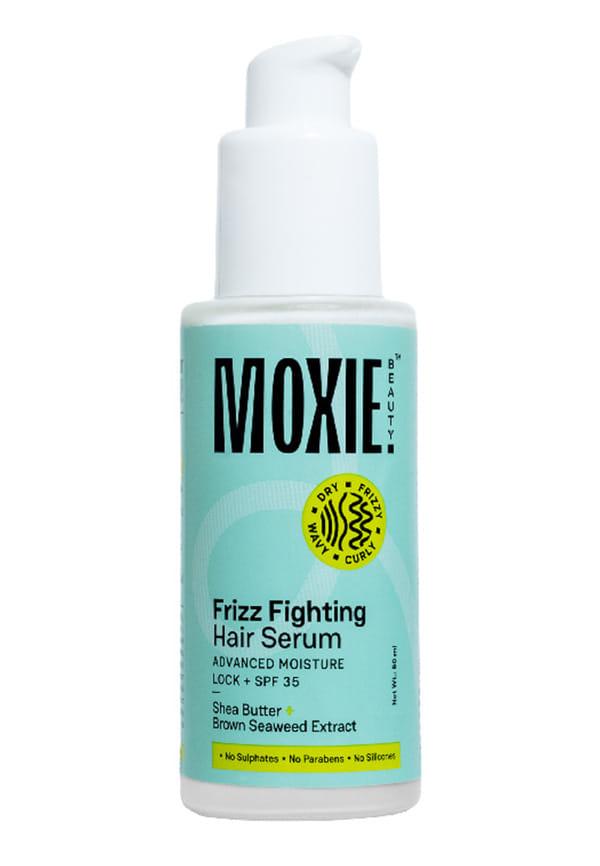
Frizz Fighting Hair Serum For Dry and Frizzy Hair
Moderate humidity can actually be beneficial for hair growth because it helps maintain moisture levels in both your hair and scalp. However, excessive humidity combined with heat can lead to scalp issues that might impede healthy hair growth. The key is finding the right balance and protecting your hair from the damaging effects while allowing it to benefit from appropriate moisture levels.
While humidity itself won't permanently damage your hair, the repeated swelling and contracting caused by moisture absorption can lead to hygral fatigue, which weakens your hair structure over time. This can result in increased breakage and damage, but with proper care and protection, you can minimise these effects and maintain healthy hair even in humid climates.
Curly, damaged, or chemically-treated hair tends to be most affected by humidity because these hair types are naturally more porous. Fine hair can also be significantly impacted, becoming limp and losing volume, while thick, coarse hair might become unmanageably frizzy. High-porosity hair of any texture will generally be more reactive to humidity changes.
Humidity doesn't directly cause hair loss, but it can make existing hair more fragile and prone to breakage. The constant swelling and contracting of the hair shaft in humid conditions can weaken the hair structure, leading to increased breakage that might be mistaken for hair loss. Proper protection and care can help minimise this effect.
Natural protection methods include using oils like coconut, argan, or jojoba to seal the hair cuticle, apple cider vinegar rinses to smooth the cuticle, and protective styling to minimise exposure. Maintaining proper hydration from within through diet and adequate water intake also helps your hair resist absorbing excess moisture from the environment.
Humidity typically enhances your hair's natural texture rather than changing it completely. If you have naturally curly or wavy hair, humidity will usually make it curlier and more voluminous. If you have straight hair, it might develop some wave or become frizzy, but it won't become truly curly. The effect depends on your hair's natural structure and porosity level.
Understanding how humidity affects hair is the first step to managing it effectively. Remember that your hair's reaction to humidity depends on its porosity, texture, and overall health. The key is working with your hair's natural tendencies rather than fighting against them.
Consistent care and the right products make all the difference. Whether you're dealing with frizz, limpness, or uncontrollable volume, there are solutions that can help you maintain your desired style even in challenging weather conditions.
If you're still figuring out which products work best for your hair type and humidity concerns, exploring different formulations through trial sizes can be a smart approach. Smytten offers trial-size versions of many humidity-fighting haircare products from trusted brands – a practical way to test what works for your specific needs before investing in full-size bottles. After all, finding the right humidity hair solutions is all about discovering what works uniquely for you.
