Humidity Effects on Hair FAQ: Your Questions Answered


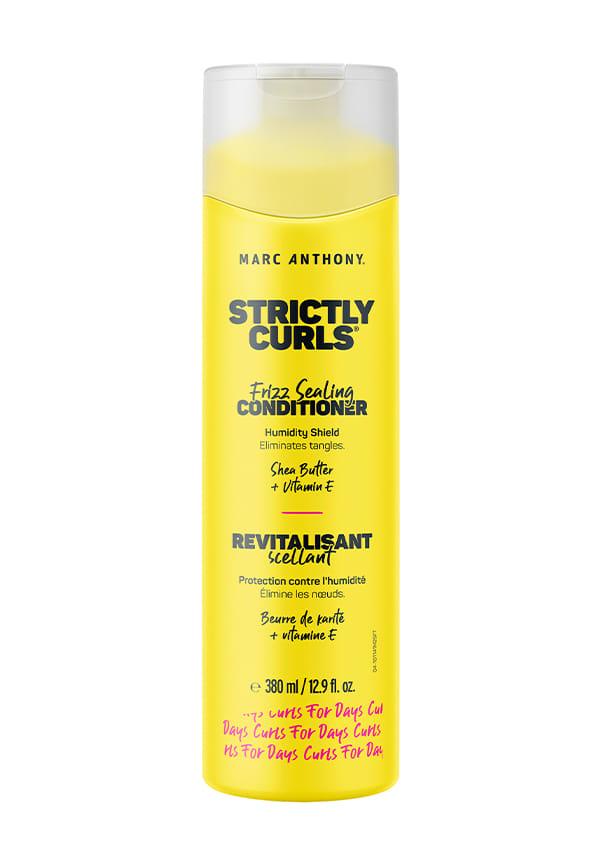
Strictly Curls Frizz Sealing Conditioner
You step outside, and within minutes, your perfectly styled hair transforms into something that looks like you've been wrestling with a hairdryer. Sound familiar? If humidity is your hair's worst enemy, you're definitely not alone. Whether it's that dreaded frizz taking over your curls or your straight hair going completely flat, humid weather can turn even the best hair day into a proper nightmare. Let's dive into exactly what's happening to your hair when the moisture levels spike and, more importantly, how to fight back.
Here's the thing about humidity effects on hair — it's all about science, and once you understand what's happening, everything starts to make sense. Your hair is basically made up of protein structures held together by hydrogen bonds. When there's moisture in the air, these bonds break and reform, causing your hair shaft to swell and change shape.
The hair swelling humidity causes can be pretty dramatic. Your individual strands can actually expand by up to 16% in diameter when they absorb moisture from the air. Think of your hair like a sponge — the more porous it is, the more water it's going to soak up. This is why damaged or chemically treated hair tends to go completely wild in humid conditions.
What's really happening is that the outer layer of your hair, called the cuticle, starts lifting when it encounters moisture. This lifting creates that rough, frizzy texture and allows even more moisture to penetrate deeper into the hair shaft. It's like a domino effect that keeps getting worse the longer you're exposed to humid air.
Your hair's natural oils also play a role here. In humid conditions, these oils can't spread as effectively down the hair shaft, leaving some areas protected and others completely vulnerable. This uneven protection is why you might notice some sections of your hair behaving differently than others on the same humid day.
Not all hair reacts to humidity and hair texture changes in the same way. If you've got curly or coily hair, you're probably dealing with the classic frizzy hair humidity situation. Your curls might expand, lose their definition, and start doing their own thing in every direction. High-porosity hair is particularly vulnerable because it absorbs moisture quickly and holds onto it.
Straight hair faces the opposite problem. Instead of expanding, it often goes limp and flat. The moisture weighs down your strands, making them lose volume and bounce. Fine hair is especially prone to this because each strand is already delicate, and the added moisture weight can make your entire head look lifeless.
Thick hair has its own set of challenges. While it might not go completely flat like fine hair, it can become unmanageable and difficult to style. The outer layers might frizz while the underneath stays relatively normal, creating an uneven, messy look.
Damaged hair from colouring, heat styling, or chemical treatments is basically a humidity magnet. The damaged cuticles can't close properly, so moisture rushes in and causes maximum chaos. If your hair has been through a lot of processing, you're probably noticing humidity effects much more dramatically than someone with virgin hair.
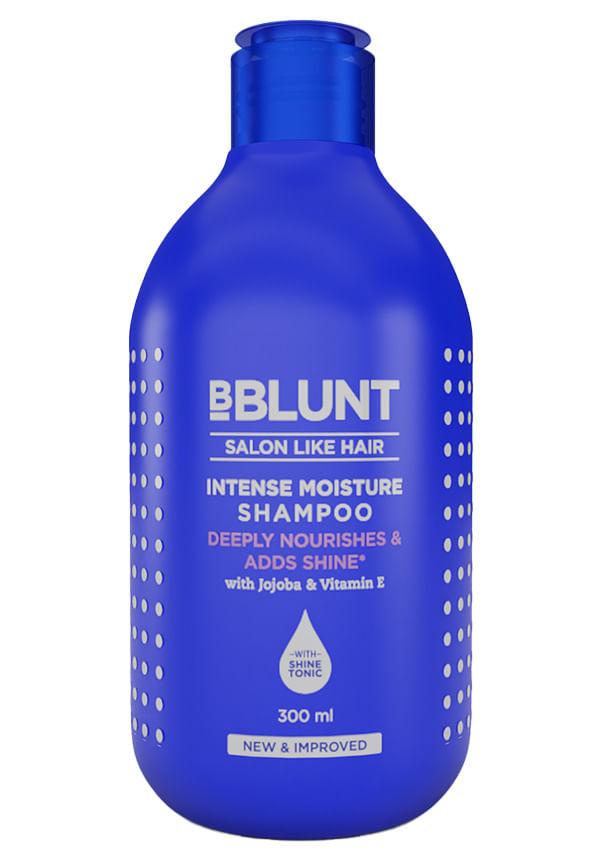
Intense Moisture Shampoo with Jojoba and Vitamin E for Dry & Frizzy Hair
This is where things get a bit concerning. While humidity itself isn't directly damaging your hair, the constant swelling and shrinking cycle can lead to something called hygral fatigue. Think of it like stretching a rubber band over and over — eventually, it loses its elasticity and breaks.
When your hair repeatedly absorbs moisture and then dries out, the protein structure starts to weaken. The cuticles that keep lifting and closing can become damaged over time, leading to increased porosity and making your hair even more vulnerable to future humidity effects.
This cycle can contribute to split ends, breakage, and overall hair weakness. Your hair might start feeling rougher, looking duller, and becoming harder to manage even on low-humidity days. The good news is that this damage develops gradually, so taking protective steps now can prevent long-term problems.
Real talk — if you live in a consistently humid climate and don't take any protective measures, you might notice your hair becoming more fragile over time. But with the right approach, you can minimise these effects and keep your hair healthy regardless of the weather.
Let's get into the good stuff — hair products for humidity that can actually make a difference. The key is creating a barrier between your hair and the moisture in the air, while also ensuring your hair is properly hydrated from within.
Deep conditioning treatments are your first line of defence. When your hair is well-moisturised, it's less likely to grab moisture from the air. Look for treatments with ingredients like shea butter, coconut oil, or keratin that can penetrate the hair shaft and provide lasting hydration.
Anti frizz hair serums and oils work by coating your hair strands and creating a protective barrier. Silicone-based products are particularly effective because they repel moisture while adding shine. Apply these to damp hair before styling for maximum protection.
Leave-in treatments are brilliant for ongoing protection throughout the day. They continue working even after your hair dries, providing a shield against humidity while keeping your hair soft and manageable. Choose lightweight formulas if you have fine hair, or richer creams if your hair is thick or coily.
For curly hair, the right gel can be a game-changer. Look for products that provide hold without stiffness, allowing your curls to maintain their shape while staying flexible. The best hair styling products humidity can't defeat often contain polymers that form a flexible film around each strand.
Beyond products, your technique matters just as much when it comes to humidity hair tips. Start with how you dry your hair — never rub it with a towel. Instead, gently squeeze out excess water and use a microfibre towel or cotton t-shirt to blot your hair dry.
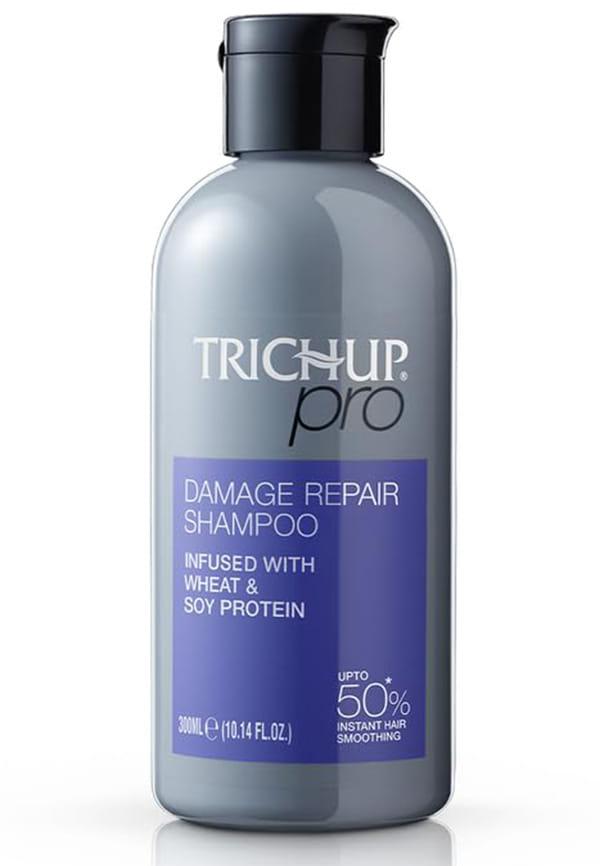
Trichup Pro Damage Repair Shampoo for Dry Frizzy Hair Instant Dual Action
When it comes to how to control frizzy hair, the key is working with your hair's natural texture rather than fighting against it. If you have curly hair, consider embracing protective styles like braids, buns, or ponytails on particularly humid days. These styles keep your hair contained and reduce the surface area exposed to moisture.
Your washing routine needs adjusting for haircare for humid weather. Over-washing can strip your hair of natural oils, making it more porous and vulnerable to humidity. Try washing every other day or even less frequently, depending on your hair type.
Heat styling in humid weather requires a different approach. Use lower temperatures and always apply a heat protectant. Consider air-drying when possible, as heat-styled hair often reverts more quickly in humid conditions.
One trick that works surprisingly well is the "plopping" method for curly hair. After applying your products, wrap your hair in a cotton t-shirt for 10-20 minutes to help set your curl pattern before the humidity hits.
While we focus a lot on high humidity, low humidity can be just as problematic for your hair. In dry conditions, your hair might become brittle, static-prone, and prone to breakage. Winter heating and air conditioning can create these low-humidity environments indoors.
Some people ask about using a dehumidifier for hair management, but this isn't really practical or necessary. Instead, focus on adjusting your routine seasonally. In winter, you might need richer, more moisturising products, while summer calls for lighter, humidity-blocking formulas.
Travelling between different climates can shock your hair. If you're going from a dry climate to a humid one, start using anti-humidity products a few days before your trip. Your hair needs time to adjust to new products and routines.
Indoor environments can be tricky too. Air conditioning and heating systems can create artificial humidity levels that your hair might react to differently than outdoor conditions. Pay attention to how your hair behaves in different environments and adjust accordingly.
Absolutely, especially if your hair is porous or damaged. At 80% humidity, there's so much moisture in the air that most hair types will experience some level of frizz or texture change. The key is using protective products and techniques to minimise the effects.
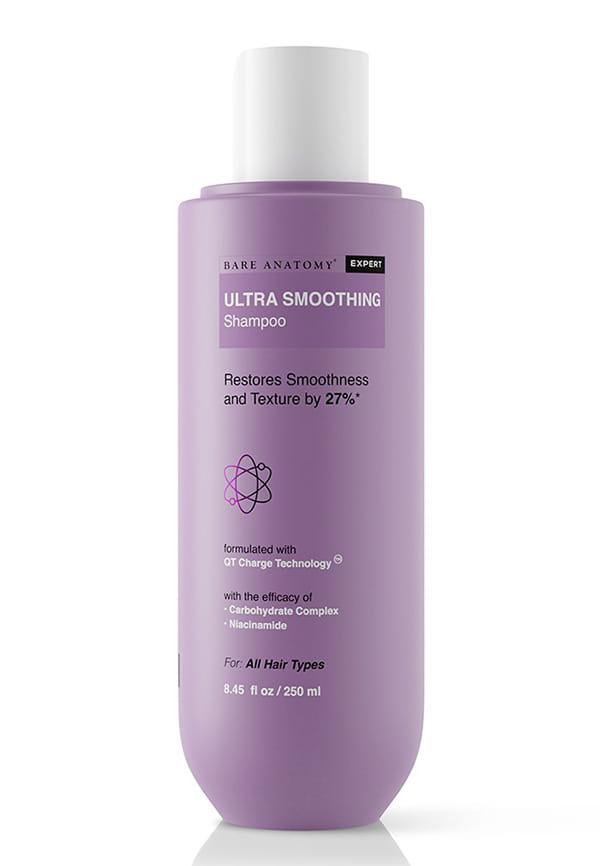
Expert Ultra Smoothing Shampoo To Restore Smoothness, Repair Damaged Hair And Locks In Moisture
Moderate humidity can actually be beneficial, providing natural moisture that prevents dryness and brittleness. The problems start when humidity levels are too high or when your hair isn't properly protected. It's all about finding the right balance.
Start with proper hydration using deep conditioning treatments, then create a barrier with anti-frizz products. Adjust your styling techniques for humid weather and consider protective hairstyles when humidity levels are particularly high.
While humidity itself doesn't cause permanent damage, the repeated swelling and shrinking can weaken your hair structure over time. This process, called hygral fatigue, can lead to increased breakage and porosity, but it's preventable with proper care.
Chemical straightening treatments can last several months even in humid conditions, but heat-styled straight hair will typically revert within hours in high humidity. The longevity depends on your hair's natural texture and the treatment method used.
Natural oils like coconut, argan, or jojoba can create a protective barrier. Aloe vera gel works well for curly hair, and even something as simple as braiding damp hair can help set a smooth texture that resists humidity.
Understanding humidity effects on hair is the first step to managing them effectively. Your hair type, porosity level, and current condition all play roles in how dramatically humidity affects your look. The good news is that with the right combination of products, techniques, and realistic expectations, you can maintain great-looking hair regardless of the weather.
Remember that consistency is key — it's better to use protective products regularly than to try emergency fixes when the humidity spikes. Your hair will thank you for the proactive approach, and you'll spend less time battling bad hair days.
Not sure which anti-humidity products might work best for your specific hair type? Smytten offers trial-size versions of many top haircare brands, letting you test different formulas before committing to full-size bottles. It's a smart way to discover your perfect humidity-fighting routine without the guesswork.
