Humid Hair Problems Solutions FAQ: Your Questions Answered


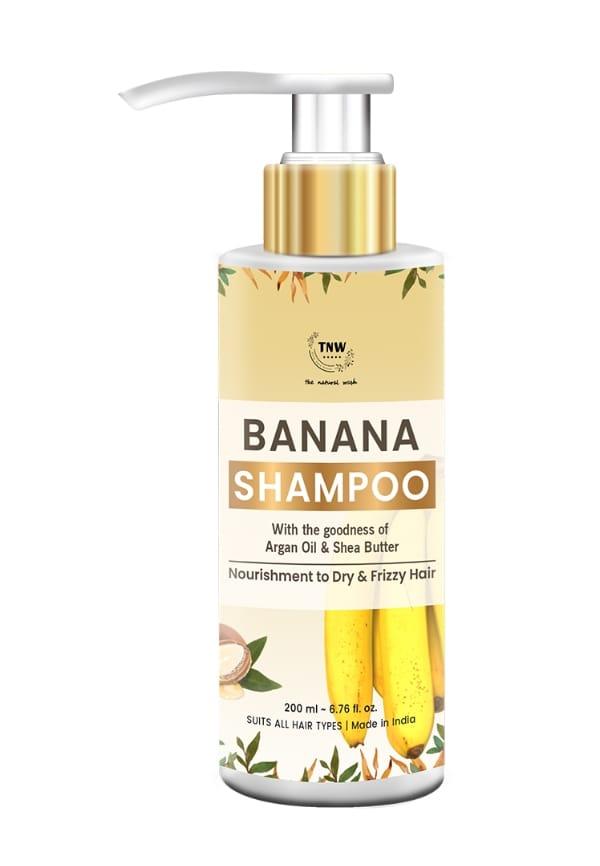
Banana Shampoo for Frizz | AntiFrizz Shampoo for All Hair Types | Banana Shampoo for Manageable Hair200ml
Picture this: you've just spent ages perfecting your hair, stepped outside, and within minutes it's transformed into a frizzy, unmanageable mess. Sound familiar? You're definitely not alone. Humidity affects around 80% of people with textured or chemically treated hair, turning even the most carefully styled locks into a source of daily frustration. The good news? Understanding why humidity wreaks havoc on your hair is the first step to beating it. From quick morning fixes to long-term strategies, there are proven humid hair problems solutions that actually work. Let's dive into the most common questions about managing frizzy, humidity-affected hair and get you the answers you need to finally win this battle.
Real talk: humidity isn't just annoying—it's actually changing your hair's structure on a molecular level. When there's moisture in the air, your hair cuticles (the outer layer of each strand) lift up to absorb that extra water. This is especially true if your hair is already damaged or naturally porous. The result? Frizz, loss of shape, and that dreaded 'poofy' look that no amount of smoothing seems to fix.
Your hair's porosity level plays a huge role here. High-porosity hair absorbs moisture quickly but also loses it just as fast, making it super reactive to humidity changes. Low-porosity hair, on the other hand, resists moisture but once it gets in, it's harder to control. Understanding your hair's porosity can help you choose the right humidity hair control products and techniques.
When humidity levels rise above 60%, your hair starts acting like a sponge. The hydrogen bonds in your hair shaft break and reform as moisture enters, causing your hair to swell and change shape. This is why your carefully straightened hair suddenly develops waves, or your defined curls turn into a frizzy mess.
Beyond the obvious frizz, humidity causes several specific issues: loss of curl definition, flat roots with puffy ends, increased tangles that lead to breakage, and styles that fall flat within hours. Recognising these patterns helps you target your solutions more effectively.
The key to beating humidity starts way before you step outside. Your hair's condition and how you prep it makes all the difference. Think of it like waterproofing—you want to create a barrier that keeps excess moisture out whilst maintaining your hair's natural hydration balance.
Weekly deep conditioning treatments are your first line of defence. When your hair is properly moisturised from within, it's less likely to grab moisture from the air. Look for treatments with ingredients like keratin, which helps smooth the cuticle, or hyaluronic acid, which provides controlled hydration without the frizz.
Oil treatments applied 30 minutes before washing can create a protective barrier. Coconut oil works brilliantly for fine hair, whilst argan oil suits thicker textures. The key is using just enough to coat your strands without weighing them down.
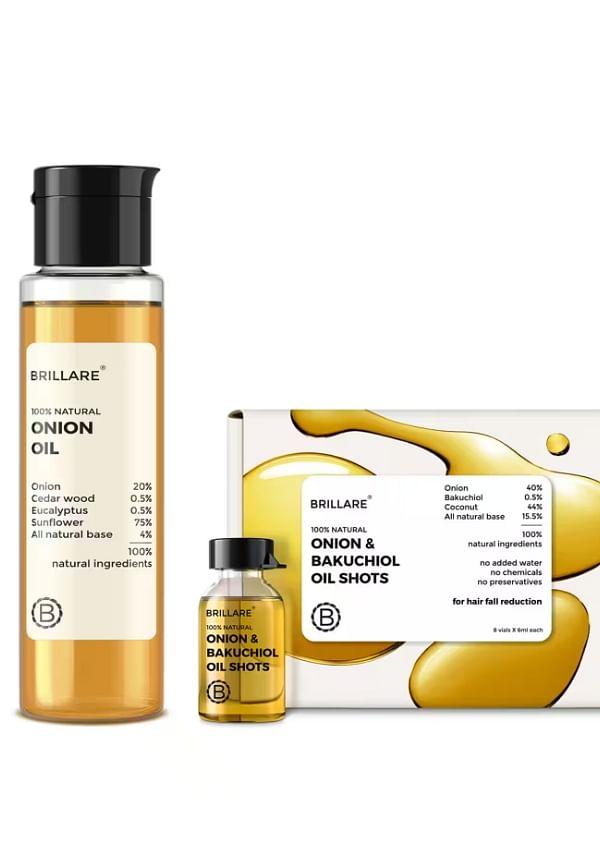
Hair & Scalp Treatment Duo for Dry, Frizzy & Hair Fall-Prone Hair
Sulfate-free shampoos preserve your hair's natural oils, which act as a humidity barrier. Follow with a conditioner applied mid-length to ends, then rinse with cool water to seal the cuticles. This simple switch can reduce frizz by up to 40%.
Not all anti frizz products are created equal, and what works in dry weather might not cut it when humidity strikes. You need products specifically formulated to create a moisture barrier whilst still allowing your hair to breathe. The trick is layering lightweight products rather than relying on one heavy cream that might weigh your hair down.
Silicone-based serums get a bad rap, but they're actually brilliant for humidity protection when used correctly. Look for cyclomethicone or dimethicone high on the ingredient list—these create an invisible shield that blocks moisture whilst adding shine. Natural alternatives include products with plant-based waxes or oils that provide similar protection without the buildup.
Apply leave-in treatments to damp hair, focusing on the mid-lengths and ends where damage is most likely. A pea-sized amount of serum distributed through wet hair can prevent up to 70% of humidity-related frizz.
Humidity-blocking hairsprays work by creating a flexible film over your styled hair. Look for products containing acrylates copolymer or polyurethane—these ingredients form a protective barrier that moves with your hair rather than making it stiff.
Prevention really is better than cure when it comes to humidity-related hair chaos. Your morning routine can make or break your entire day, so it's worth getting this right. The goal is to seal moisture into your hair whilst creating a barrier against environmental humidity.
Start with slightly damp hair—not soaking wet, but not completely dry either. This gives your products something to grip onto whilst preventing that crunchy, over-processed feel. Work your products through systematically, starting with the lightest formulas and building up to heavier styling products.
Detangle gently with a wide-tooth comb, apply your leave-in treatment, then your anti-humidity serum. If you're using heat tools, always apply a heat protectant that also offers humidity protection. Finish with a light mist of humidity-blocking spray.
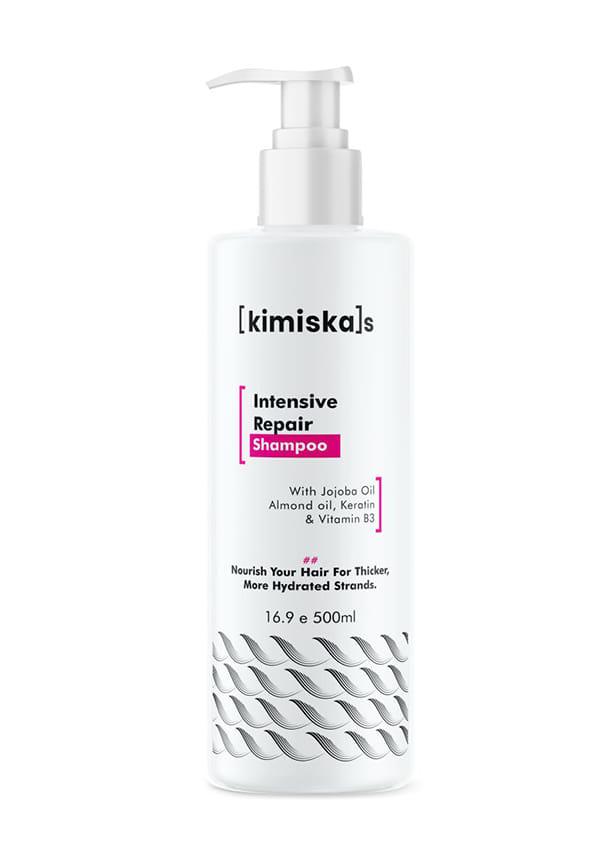
Intensive Hair Repair Shampoo for Dry and Frizzy Hair
Loose braids, low buns, and twist-outs work because they minimise your hair's exposure to humid air. Silk pillowcases reduce friction whilst you sleep, preventing the micro-damage that makes hair more susceptible to humidity.
Even with the best morning routine, humidity can strike at any time. Having a game plan for touch-ups means you're never stuck with unmanageable hair. The key is working with your hair's natural texture rather than fighting against it.
Keep a small bottle of diluted leave-in conditioner (mix one part product with two parts water) in your bag for emergency touch-ups. A light mist followed by gentle scrunching can revive curls or smooth frizz without starting over. For straight styles, a tiny amount of serum smoothed over the surface can tame flyaways instantly.
Blotting papers aren't just for your face—they can absorb excess moisture from your hair without disturbing your style. Keep a small paddle brush for gentle smoothing and a travel-size humidity spray for quick fixes.
On days when humidity exceeds 80%, embrace textured styles rather than fighting for sleekness. Rainy weather calls for protective styles that keep your hair tucked away. Air-conditioned environments can actually help set your style, so take advantage of indoor time to let your products work.
Sometimes the best defence against humidity is choosing styles that work with moisture rather than against it. Humidity proof hairstyles aren't about creating perfect smoothness—they're about maintaining shape and definition even when the weather doesn't cooperate.
Braided styles, whether loose or tight, physically protect your hair from moisture whilst looking intentionally textured. Updos keep the bulk of your hair away from humid air, whilst strategic face-framing pieces can be styled to complement rather than compete with the weather.
French braids, messy buns, and twisted half-updos all work because they embrace texture. The key is starting with slightly textured hair rather than trying to create these styles on perfectly smooth hair.
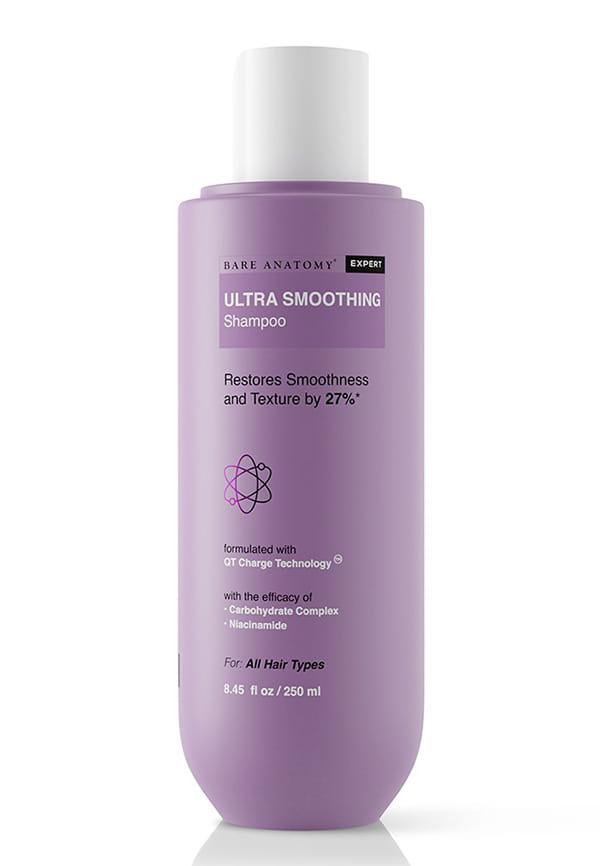
Expert Ultra Smoothing Shampoo To Restore Smoothness, Repair Damaged Hair And Locks In Moisture
When blow-drying, use a round brush to smooth the cuticle in the direction of hair growth. Set your style with cool air to seal everything in place. If curling, let each section cool completely before touching it—this helps the style last longer in humid conditions.
Start by identifying what type of humidity damage you're dealing with. For general frizz, mist your hair lightly with water mixed with a small amount of leave-in conditioner, then scrunch gently to reactivate your styling products. If your hair has gone completely flat, try flipping your head upside down and scrunching with a microfiber towel to add volume back. For styles that have lost their shape entirely, the quickest fix is often to dampen the problem areas and re-style with a small amount of anti-frizz cream.
You can't actually remove humidity that's already been absorbed, but you can minimise its effects. Use a blow dryer on cool setting to gently smooth the cuticle and reduce puffiness. Apply a small amount of smoothing serum to damp palms and gently press over the surface of your hair—don't rub, as this can create more frizz. If you're at home, try the 'plopping' method: wrap your hair in a cotton t-shirt for 10-15 minutes to absorb excess moisture without disturbing your hair's natural pattern.
Coconut oil is brilliant for creating a moisture barrier, but use it sparingly—a tiny amount warmed between your palms and smoothed over damp hair works best. Aloe vera gel provides hold without stiffness and actually helps repel moisture. Apple cider vinegar rinses (one part vinegar to four parts water) can help seal the cuticle and reduce porosity over time. Flaxseed gel, made by boiling flaxseeds in water, creates a natural humidity barrier that's particularly good for curly hair.
Biotin (Vitamin B7) deficiency is most commonly linked to hair texture issues, including increased frizz and brittleness. Vitamin D deficiency can also affect hair health, making strands more porous and prone to humidity damage. Iron deficiency, whilst not a vitamin, significantly impacts hair structure and can make hair more susceptible to environmental damage. However, it's worth noting that frizz is usually more about hair care routine and environmental factors than nutritional deficiencies. If you suspect a deficiency, it's best to consult with a healthcare provider for proper testing.
Look for products containing ingredients like amodimethicone (a humidity-resistant silicone), polyquaternium compounds (which form a protective film), or natural alternatives like shea butter and argan oil. Leave-in conditioners with humectants like glycerin work well in moderate humidity but can backfire in very humid conditions. Anti-humidity hairsprays containing acrylates copolymer are excellent for setting styles. The key is finding the right combination for your hair type—fine hair needs lighter formulas, whilst thick or coarse hair can handle richer products.
Preparation is everything. Start with completely clean hair, as any residue can attract moisture. Use a clarifying shampoo once a week to remove buildup. Apply products in thin layers rather than one thick application—this prevents weighing your hair down whilst still providing protection. Set your style with cool air from your blow dryer, and finish with a humidity-resistant hairspray. Consider sleeping with your hair in a loose, high ponytail or silk scarf to maintain your style overnight.
Managing humid hair doesn't have to be a daily struggle. The key is understanding your hair's unique needs and building a routine that works with, rather than against, the weather. Remember that consistency matters more than perfection—even small changes to your routine can make a significant difference over time. Focus on keeping your hair healthy and well-moisturised from within, create protective barriers with the right products, and don't be afraid to embrace styles that work with humidity rather than fighting it. With these de-frizzing hair tips and strategies, you can finally step outside with confidence, no matter what the weather forecast says. Not sure which products might work best for your hair type? Smytten offers trial-size versions of many humidity-fighting haircare products—a smart way to test what works for your hair before investing in full-size bottles.
