Humid Hair FAQ: Your Questions About Frizzy Hair Solutions Answered

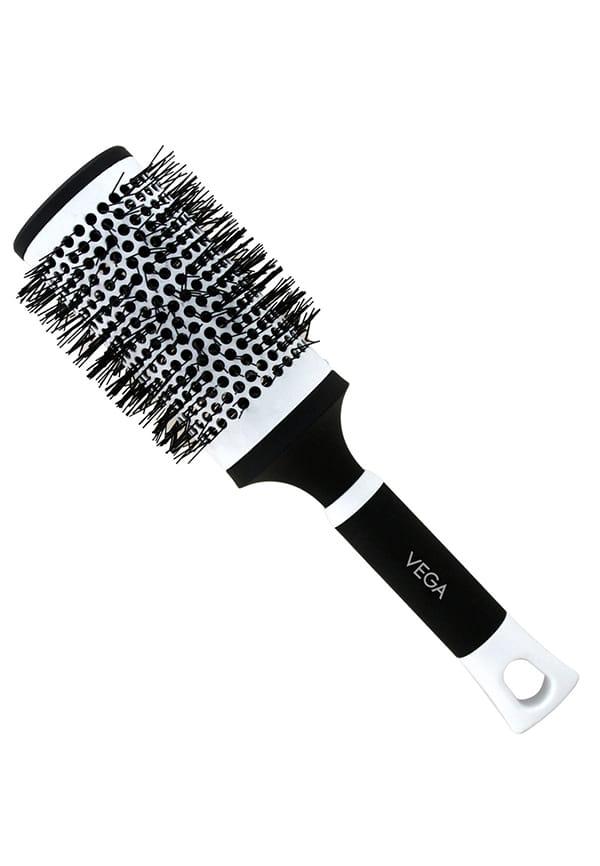
Hot Curl Brushfor Hair Styling, Drying, Healthy Hair and Add Volume, Large (H1-PRL)
We've all been there — you step outside with perfectly styled hair, only to watch it transform into a frizzy mess the moment humidity hits. That sticky, unpredictable weather seems to have a personal vendetta against your hair goals. Whether you're dealing with monsoon madness or just a particularly muggy day, frizzy hair can feel like an unsolvable puzzle. But here's the thing: understanding why humidity wreaks havoc on your strands is the first step to winning this battle.
Let's get real about what's actually happening to your hair when the air gets thick and sticky. Your hair is essentially a sponge made of protein, and each strand has tiny scales called cuticles that can open and close. When humidity levels rise, these cuticles lift up, allowing moisture from the air to penetrate your hair shaft. This causes your strands to swell unevenly, creating that dreaded frizzy texture we all know too well.
Hair porosity plays a massive role here. If your hair is highly porous — maybe from heat damage, chemical treatments, or just genetics — it's going to absorb moisture from humid air much faster than healthy, low-porosity hair. Think of it like a damaged umbrella versus a brand new one. The damaged umbrella (high-porosity hair) lets water through easily, while the new one (low-porosity hair) repels it effectively.
Some hair types are naturally more susceptible to humidity-induced frizz. Curly and coily hair textures tend to be more porous by nature, making them prime targets for moisture absorption. Fine hair can also struggle because it lacks the weight to stay smooth when it swells. Even straight hair isn't immune — damaged cuticles from heat styling or chemical processing can make any hair type vulnerable to humidity's effects.
Building an effective arsenal of humidity hair products is your first line of defence against frizz. The key is understanding which products create barriers and which ones provide the right kind of moisture balance. Not all anti-frizz products are created equal, and finding your perfect match often involves some trial and error.
A good anti frizz serum works by coating your hair shaft with protective ingredients that block humidity from penetrating. Look for serums containing silicones like dimethicone or cyclomethicone — these create a lightweight barrier without weighing your hair down. Apply serum to damp hair, focusing on mid-lengths and ends where frizz tends to be most noticeable.
Leave-in conditioners serve a dual purpose: they provide your hair with controlled moisture while creating a protective layer against environmental humidity. The best formulas contain humectants like glycerin or hyaluronic acid, but in balanced amounts that won't backfire in high humidity conditions.
Hair oils can be tricky in humid weather — too much and you'll look greasy, too little and you won't get protection. Lightweight oils like argan or jojoba work best for fine hair, while thicker textures can handle heavier oils like coconut or shea butter blends. Apply oil to the lengths and ends of damp hair, avoiding the roots entirely.
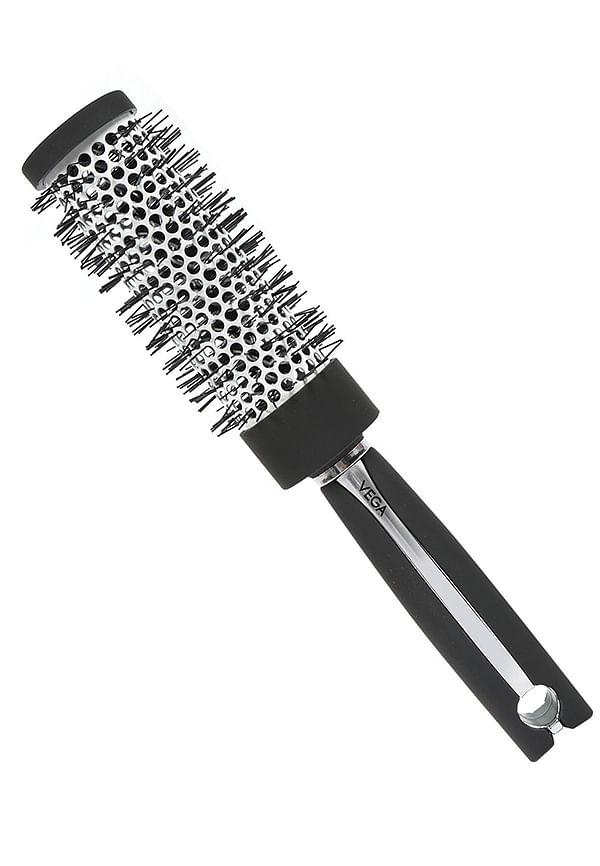
Hot Curl Brush Big
Your frizz-fighting strategy should start in the shower, not at your styling station. Proper preparation is half the battle when it comes to creating humidity resistant hair that lasts throughout the day.
Start with a sulphate-free shampoo that won't strip your hair's natural oils. Over-cleansing can actually make your hair more porous and susceptible to humidity. Follow with a moisturising conditioner, focusing on the mid-lengths and ends. Once a week, treat your hair to a deep conditioning mask to repair any cuticle damage that might be making your strands more vulnerable to moisture absorption.
Your drying technique matters more than you might think. Rough towel-drying can lift the cuticles and create instant frizz, even before humidity gets involved. Instead, gently squeeze excess water from your hair using a microfibre towel or even a cotton t-shirt. These materials are much gentler on your hair's surface.
If you're air-drying, apply your leave-in products while your hair is still quite damp — this helps lock in controlled moisture before environmental humidity can interfere. For blow-drying, use a heat protectant and keep the dryer moving to avoid overheating any one section.
Sometimes the best defence against humidity is working with your hair's natural tendencies rather than fighting them. Strategic styling can help you look polished even when the weather isn't cooperating.
Protective updos are your best friend on particularly humid days. A sleek low bun, twisted chignon, or even a casual topknot keeps most of your hair contained and away from environmental moisture. The key is to smooth your hair with a bit of serum or gel before securing it, creating a polished finish that humidity can't easily disrupt.
Braided styles also work brilliantly for managing humid hair. Whether you go for a classic French braid, loose side braid, or trendy boxer braids, the woven structure helps control frizz while looking intentionally textured. Plus, when you take braids out later, you'll have beautiful waves without the frizz.
If you prefer wearing your hair down, consider embracing your natural texture instead of fighting it. Scrunch some curl-enhancing cream into damp hair and let it air-dry for an effortlessly tousled look. This approach works especially well for wavy and curly hair types that tend to look best with some natural movement.
You don't always need expensive products to protect your hair from humidity. Some of the most effective de-frizzing hair tips involve ingredients you probably already have at home.
Apple cider vinegar rinses can help seal your hair cuticles, making them less likely to lift and absorb moisture from the air. Mix one part apple cider vinegar with three parts water and pour it through your hair after shampooing. Let it sit for a minute before rinsing thoroughly. The acidic pH helps smooth the cuticle layer, creating a natural barrier against humidity.
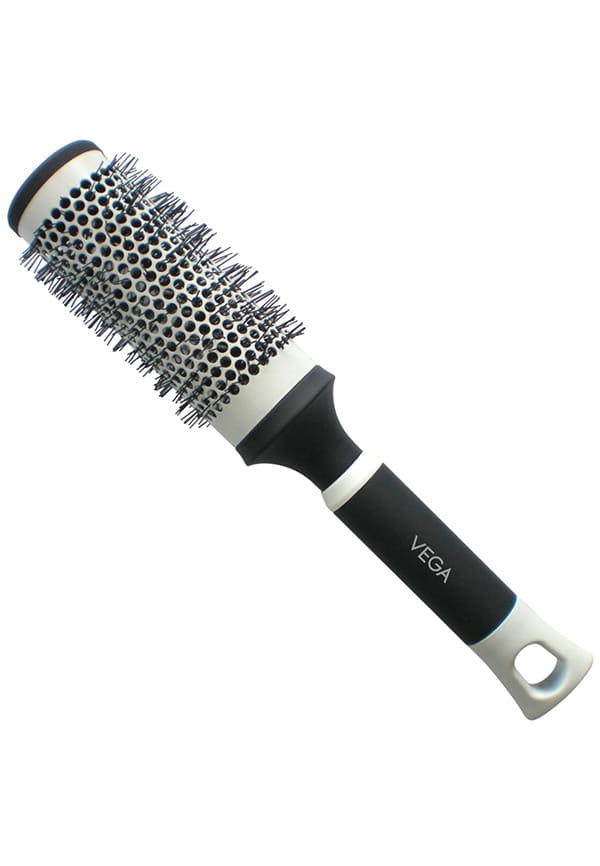
Hot Curl Hair Brushfor Hair Styling, Drying, Healthy Hair and Add Volume Big (H1-PR B)
Coconut oil masks work wonders for high-porosity hair that's particularly susceptible to humidity damage. Apply a small amount of melted coconut oil to your hair from mid-length to ends, leave it on for 30 minutes, then shampoo as usual. This treatment helps fill in gaps in damaged cuticles, reducing your hair's ability to absorb environmental moisture.
Even your pillowcase choice can impact how your hair handles humidity. Silk or satin pillowcases create less friction than cotton, helping maintain your hair's smoothness overnight. This means you'll start each day with less frizz to manage, giving you a head start against humidity's effects.
When basic tips for humid hair aren't cutting it, it might be time to level up your approach. Professional treatments and advanced techniques can provide longer-lasting protection against environmental moisture.
Keratin treatments and similar smoothing services work by filling in the gaps in damaged cuticles and coating the hair shaft with protective proteins. While these treatments don't permanently change your hair structure, they can provide several months of improved humidity resistance. Just remember that these treatments require specific aftercare to maintain their effectiveness.
For at-home advanced care, consider incorporating protein treatments into your routine if your hair is damaged or over-processed. Protein helps rebuild the hair's structure, making it less porous and more resistant to humidity. However, balance is key — too much protein can make hair brittle, so alternate protein treatments with moisturising masks.
Seasonal routine adjustments are also crucial for maintaining humidity resistant hair year-round. During monsoon season, you might need heavier leave-in products and more frequent deep conditioning treatments. In drier months, lighter formulations might be sufficient.
You can't completely eliminate humidity's effects, but you can minimise them significantly. Start with anti-frizz serums applied to damp hair, use humidity-blocking styling products, and choose protective hairstyles that keep your hair contained. The key is creating a barrier between your hair and environmental moisture while ensuring your strands are properly moisturised from within.
After straightening, immediately apply a humidity-blocking serum or spray to seal the cuticles. Avoid touching your hair throughout the day, as oils from your hands can disrupt the smooth surface. If you need to go outside in high humidity, consider carrying a small bottle of anti-frizz spray for touch-ups. Sleeping with your hair wrapped in a silk scarf can also help maintain smoothness overnight.
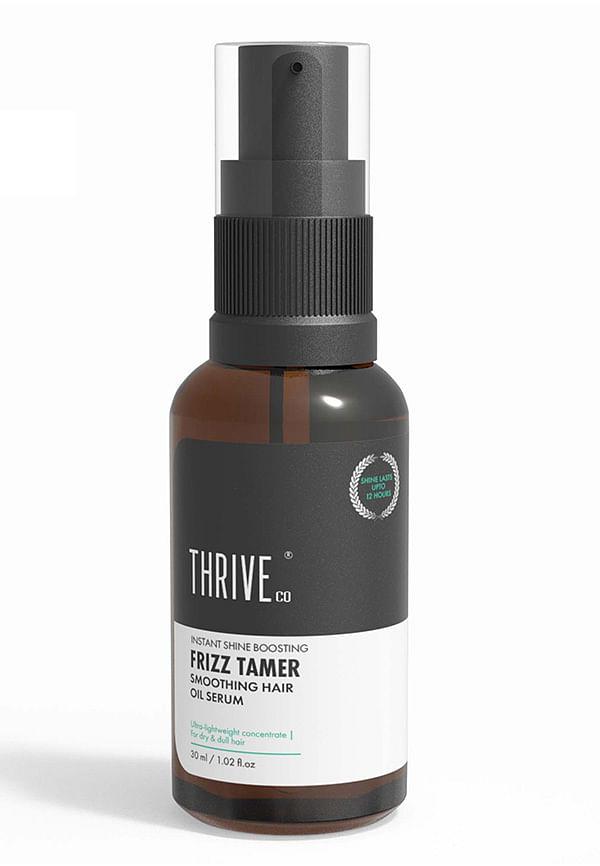
Frizz Tamer Smoothening Hair Oil
For emergency frizz fixes, lightly dampen your hands and smooth them over your hair to redistribute moisture evenly. Apply a tiny amount of hair oil or serum to your palms and gently press it onto the frizzy areas — avoid rubbing, which can create more frizz. If the frizz is severe, try putting your hair up in a sleek bun or braid until you can properly re-style it.
Several vitamin deficiencies can contribute to frizzy, unmanageable hair. Biotin (vitamin B7) deficiency can lead to weak, brittle hair that's more susceptible to damage and frizz. Low levels of vitamin D, iron, and omega-3 fatty acids can also affect hair health and texture. A balanced diet with adequate protein, vitamins, and minerals supports stronger, more resilient hair that better resists humidity damage.
The most effective at-home strategies include using a microfibre towel for drying, applying leave-in treatments to damp hair, and sleeping on silk pillowcases. Create DIY hair masks using ingredients like coconut oil, honey, or avocado to improve your hair's moisture balance. Keep a small bottle of diluted leave-in conditioner for quick touch-ups throughout the day.
Natural protection methods include regular deep conditioning with natural oils, using apple cider vinegar rinses to seal cuticles, and maintaining a diet rich in hair-healthy nutrients. Protective styling like braids or buns also shields your hair from environmental moisture. Additionally, staying hydrated and getting adequate sleep supports overall hair health, making your strands more resilient against humidity's effects.
Coconut oil can be helpful for managing humidity-induced frizz, especially for medium to thick hair textures. Its molecular structure allows it to penetrate the hair shaft, providing moisture from within while creating a light protective barrier. However, use it sparingly — too much can weigh hair down or attract more moisture in very humid conditions. Apply a small amount to damp hair, focusing on the ends.
Several factors could be at play: you might be using too much product, applying it to the wrong areas, or your hair might need a different type of treatment. Over-application can weigh hair down without providing protection, while under-application won't create an adequate barrier. Additionally, if your hair is severely damaged, you might need professional treatments or a complete routine overhaul to see significant improvement.
Managing frizzy hair in humid weather doesn't have to be a daily struggle. The most effective approach combines understanding your hair's specific needs with consistent use of the right products and techniques. Remember that humidity resistance is built through proper preparation, strategic product application, and sometimes embracing your hair's natural texture rather than fighting it.
Start with the basics: gentle cleansing, adequate moisture, and protective styling. Layer in targeted treatments like anti-frizz serums and leave-in conditioners, and don't forget about the power of natural solutions like apple cider vinegar rinses and coconut oil masks. Most importantly, be patient with the process — finding your perfect humidity-fighting routine often takes some experimentation.
Not sure which humidity hair products will work best for your specific hair type? Smytten offers trial-size versions of many anti-frizz serums, leave-in treatments, and styling products from trusted brands — a smart way to test different formulations before committing to full-size bottles.
