How to Use Tea Tree Oil for Healthy, Vibrant Hair

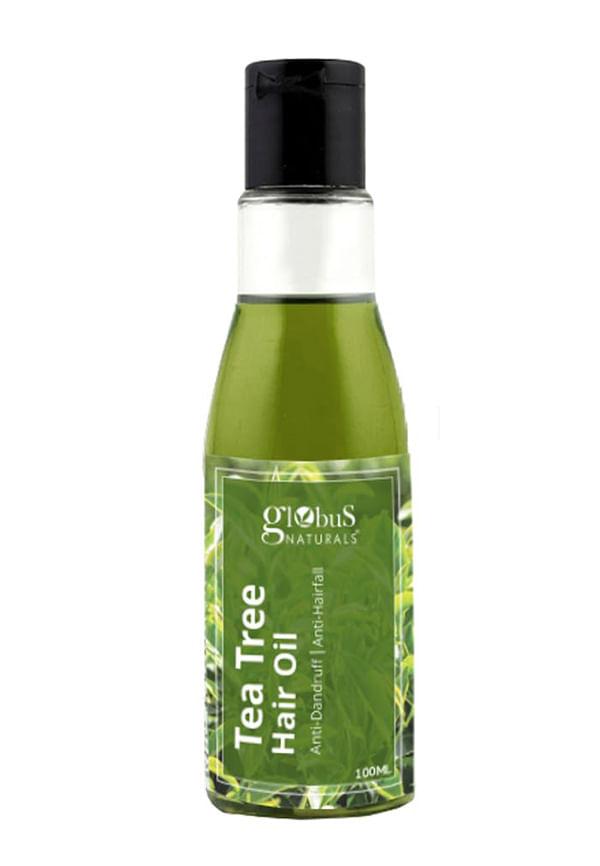
Tea Tree Hair Oil
Effective Hair Oil, Pleasant Smell
 5
5“nice smell with effective hair oil.”
Wonderful Product
4“wonderful product go and buy....”
Good Hair Oil, Love Fragrance
5“Good hair oil, love the fragrance too”
Let's be real—your hair deserves better than harsh chemicals and empty promises. Tea tree oil uses for hair have been making waves in the beauty world, and honestly, it's about time. This powerful essential oil isn't just another trendy ingredient; it's nature's answer to common hair woes like dandruff, slow growth, and lacklustre locks. Whether you're dealing with an itchy scalp or dreaming of stronger, shinier hair, tea tree oil might just become your new fave. Ready to discover how this natural wonder can transform your haircare routine?
Tea tree oil comes from the leaves of the Australian tea tree (Melaleuca alternifolia), and it's packed with compounds that your hair absolutely loves. The secret lies in its antimicrobial and anti-inflammatory properties, which work together to create the perfect environment for healthy hair growth.
This essential oil contains terpinen-4-ol, the star compound responsible for most of its therapeutic benefits. When applied to your scalp, it helps cleanse pores, reduce inflammation, and create conditions where your hair can truly thrive. Plus, it's lightweight enough not to weigh down your strands while still delivering serious results.
Studies show that tea tree oil can penetrate hair follicles and remove buildup that might be blocking healthy growth. Its antifungal properties also make it incredibly effective against the yeast that often causes dandruff and scalp irritation.
Real talk—tea tree oil hair benefits go way beyond what you might expect from a single ingredient. From tackling stubborn dandruff to promoting actual hair growth, this natural powerhouse covers all your bases.
If dandruff is cramping your style, tea tree oil for dandruff treatment is genuinely worth a try. Its antifungal properties target the root cause—literally. The oil fights Malassezia, the fungus that contributes to those annoying flakes, whilst soothing the irritation that makes you want to scratch constantly.
Tea tree oil for hair growth works by unclogging hair follicles and improving blood circulation to your scalp. When your follicles can breathe and receive proper nutrients, your hair has a much better chance of growing longer and stronger.
Your scalp accumulates product buildup, excess oil, and environmental pollutants daily. Tea tree oil cuts through this gunk like nothing else, creating a clean slate for healthy hair growth without stripping away your scalp's natural protective oils.
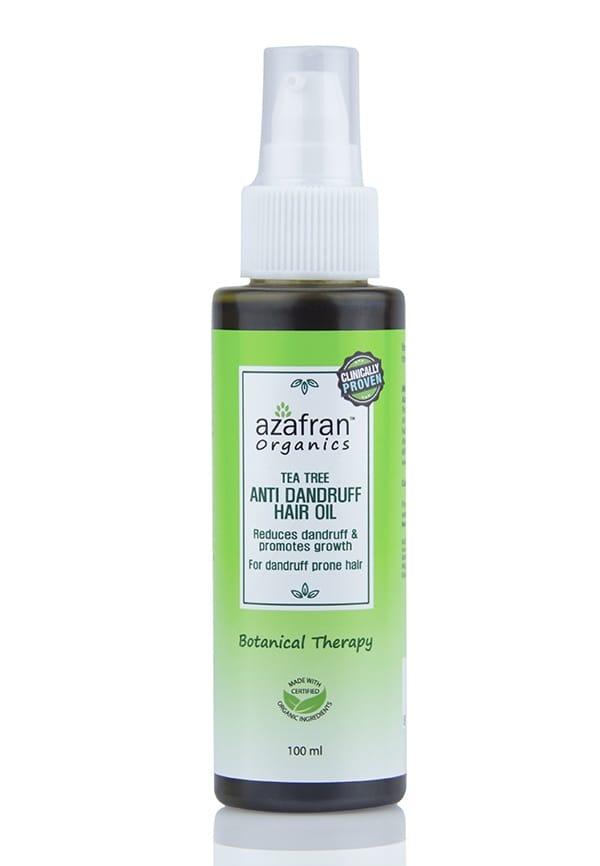
Tea Tree Anti-Dandruff Hair Oil
Regular use can help reduce breakage by strengthening your hair from root to tip. The oil's nourishing properties help improve hair elasticity, making your strands more resilient against styling damage and environmental stress.
Whether your hair is too oily or too dry, tea tree oil helps regulate your scalp's natural oil production. It's like having a personal assistant for your sebaceous glands—keeping everything perfectly balanced.
Forget expensive glossing treatments. Tea tree oil naturally enhances your hair's shine by smoothing the hair cuticle and removing dulling buildup. Your hair will look healthier and more vibrant without any heavy residue.
Here's where things get important—tea tree oil is potent stuff, so you'll want to use it correctly. Never apply pure tea tree oil directly to your scalp; it needs to be diluted to prevent irritation.
The golden rule is to mix 2-3 drops of tea tree oil with a tablespoon of carrier oil like coconut, jojoba, or olive oil. This creates the perfect concentration for most hair types whilst ensuring your scalp stays happy.
Before diving in, always do a patch test. Apply a small amount of your diluted mixture to your inner wrist and wait 24 hours. If there's no redness or irritation, you're good to go.
Coconut oil works brilliantly for dry hair, whilst jojoba oil is perfect for oily scalps. Sweet almond oil is gentle enough for sensitive skin, and argan oil adds extra nourishment for damaged hair.
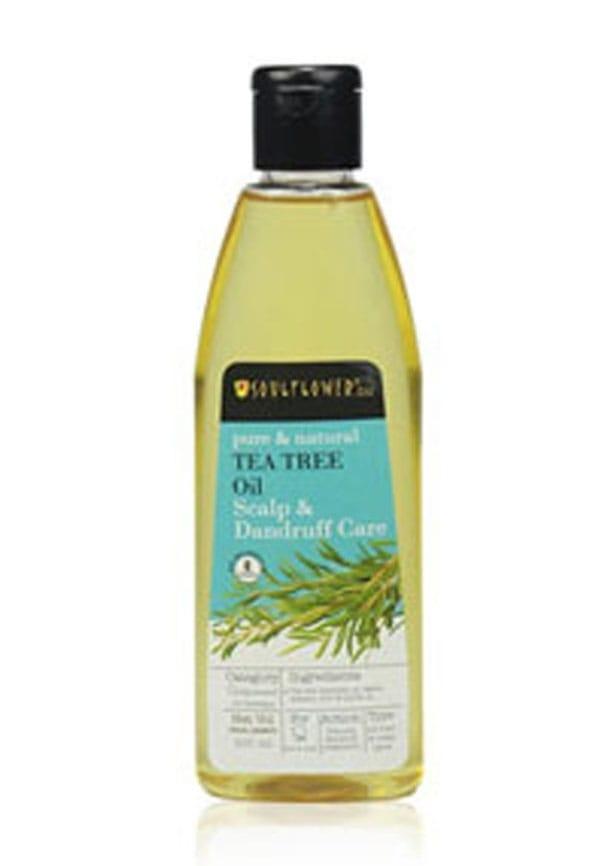
Tea Tree Anti Dandruff Hair Oil
Amazing Product!
5“Hydrating, radiant, soothing, amazing, effective, revitalizing, luminous, soft, strong, shiny.”
Effective Fragrance
5“the fragrance is so good and it also controls headache”
Positive anticipation
4“Rating was good. Can't wait to use it”
Ready to get your hands dirty? These homemade treatments are simple, effective, and way more affordable than salon alternatives. Plus, you know exactly what's going on your hair.
Mix 3 drops of tea tree oil with 2 tablespoons of coconut oil and 1 tablespoon of honey. Apply to damp hair, focusing on your scalp and mid-lengths. Leave for 20 minutes, then wash out with your regular shampoo. This tea tree oil hair mask deeply nourishes whilst treating scalp issues.
Combine 5 drops of tea tree oil with 30ml of jojoba oil in a dark glass bottle. Massage a few drops into your scalp before bed twice a week. This tea tree oil hair serum promotes circulation and can support healthy hair growth over time.
Add 10 drops of tea tree oil to 500ml of apple cider vinegar and water (1:1 ratio). Use as a final rinse after shampooing once a week. This tea tree oil hair rinse removes buildup and adds incredible shine.
Mix 4 drops of tea tree oil with 2 tablespoons of castor oil. Massage into your scalp, braid your hair, and sleep with a silk pillowcase. Wash out in the morning for stronger, potentially faster-growing hair.
If DIY isn't your thing, there are plenty of ready-made options. Look for a tea tree oil shampoo with at least 1-2% tea tree oil concentration, or try a tea tree oil hair conditioner for added moisture. Some brands also offer convenient tea tree oil hair spray for quick scalp refreshing.
When shopping for tea tree oil products, checking ingredients is crucial. The best formulations combine tea tree oil with complementary ingredients like peppermint for circulation or aloe vera for soothing properties. Smytten connects consumers with over 1,500 trusted brands, offering curated trial packs that let you explore different tea tree oil products before committing to full-size purchases. With trial minis starting from just ₹249 and 100% cashback* on mini purchases, you can discover your perfect tea tree oil haircare match without the usual shopping drama.
Tea tree oil is generally safe, but it's not right for everyone. Some people experience skin sensitivity, especially with higher concentrations. If you notice redness, burning, or excessive dryness, stop using it immediately.
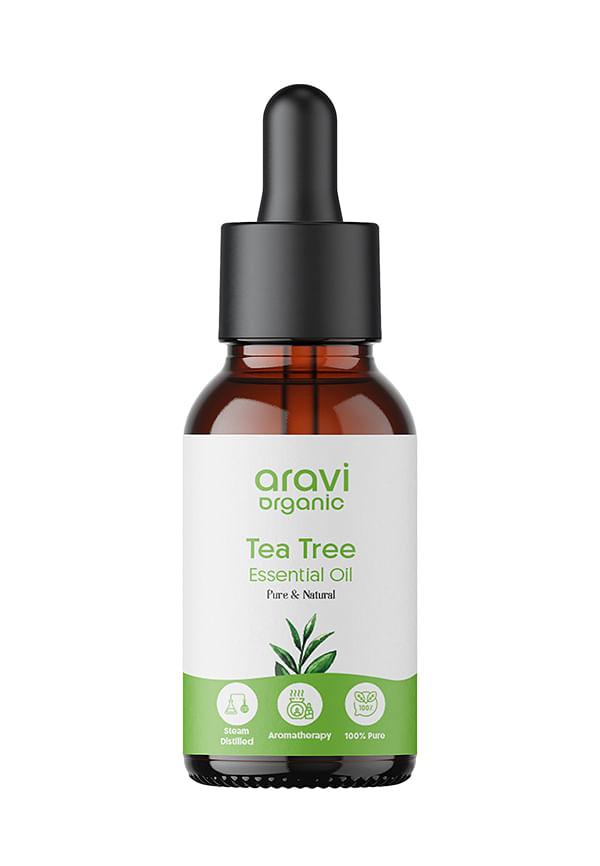
Tea Tree Essential Oil
Pregnant and breastfeeding women should consult their healthcare provider before using tea tree oil products. Also, keep tea tree oil away from your eyes—it can cause serious irritation.
Your scalp feels overly dry, you're experiencing more irritation than usual, or your hair seems brittle. These are signals to reduce frequency or concentration.
Daily use isn't recommended for most people. Start with 1-2 times per week and see how your scalp responds. Some people can handle more frequent use, but it's better to build up gradually.
For dandruff relief, you might notice improvements within a week or two. Hair growth and strength benefits typically take 4-6 weeks of consistent use to become noticeable.
Yes, but use it sparingly. Tea tree oil can be clarifying, which might fade colour faster than usual. Always do a strand test first.
Whilst tea tree oil can improve scalp health and circulation, it's not a cure for genetic hair loss. It works best for hair loss caused by scalp issues or clogged follicles.
Commercial tea tree oil shampoos are formulated for stability and proper dilution. Adding oil to regular shampoo can work, but the concentration might be inconsistent.
Tea tree oil uses for hair are backed by both science and countless success stories. Whether you're battling dandruff, seeking hair growth support, or simply wanting healthier-looking locks, this natural ingredient deserves a spot in your routine. Start slowly, listen to your scalp, and give it time to work its magic.
The beauty of tea tree oil lies in its versatility—you can create custom treatments that work for your specific hair needs. From simple scalp massages to elaborate hair masks, the possibilities are endless. With platforms like Smytten offering trial-sized products from trusted brands, you can explore different tea tree oil formulations risk-free. After all, why settle for 'maybe' when you can try it all and find what genuinely works for your hair?
