How to Use Rosemary Oil for Hair Growth: Before & After
Published Date - 7 August 2025
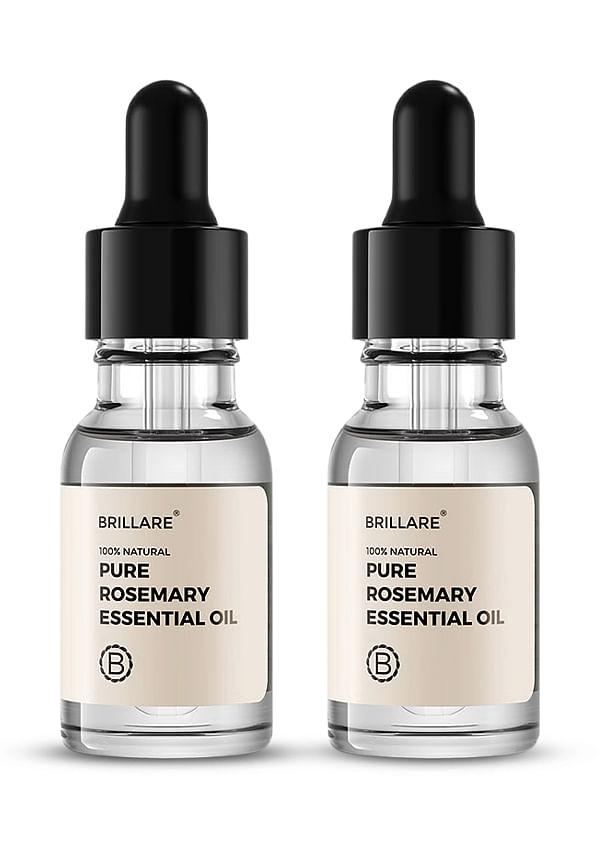
4.2|(Combo)
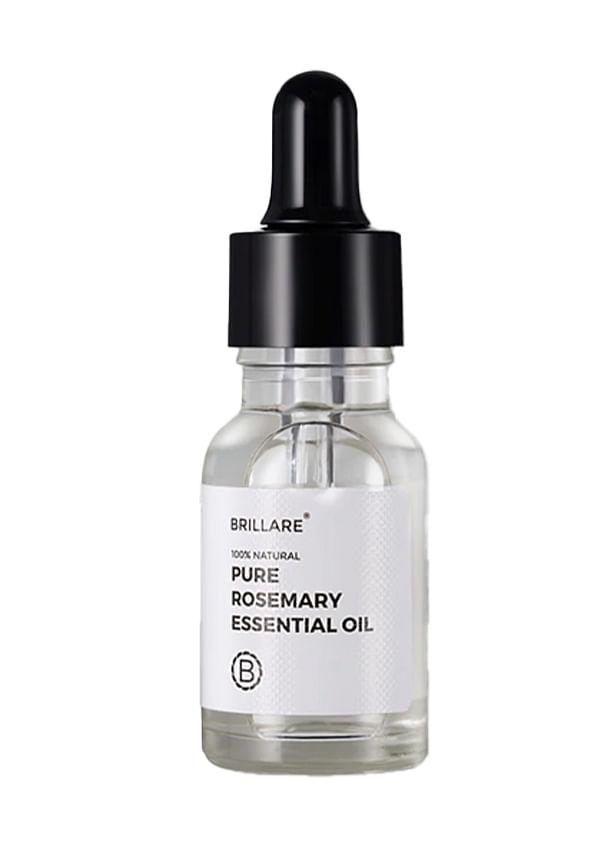
Brillare
Pure Rosemary Essential Oil For Hair Growth
₹ 89050 % OFF
₹ 445
Reviews from genuine users
Superb Fantastic Product
5
“superb duperb fantastic product of the year I like it very much”
Ayush Jain11 Jan 2026
Rosemary for hair: Awaiting results
4
“rosemary is good for hair. let's see how long will it show the results”
Vaishali Bhooshan03 Dec 2025
Great Product, Best Price
5
“best price ever I love this product”
Hiteesha Chotai01 Dec 2025
Ever scrolled through social media and wondered how some people have that effortlessly thick, lush haircare routine down to a T? Let's be honest—rosemary oil might just be your next game-changer. This aromatic essential oil has been making waves in the natural hair growth remedies space, and for good reason. Some research suggests it may perform similarly to conventional treatments. If you're curious about what rosemary oil for hair growth before and after results actually look like, you're in the right place. We're diving deep into how this herbal haircare solution works, what to expect, and how to use it properly. Spoiler alert: patience is key, but the results might surprise you.
Understanding Rosemary Oil and Its Benefits for Hair
Rosemary oil isn't just another trendy ingredient that'll disappear next season. This essential oil has serious credentials when it comes to scalp health and hair growth. The magic lies in its unique composition of compounds like carnosic acid and rosmarinic acid, which work together to create an environment where your hair can thrive. Think of it as giving your scalp the VIP treatment it deserves.
What is Rosemary Oil?
Extracted from the leaves of the rosemary plant through steam distillation, this essential oil packs a powerful punch. It's been used for centuries in Mediterranean cultures, not just for cooking but for its therapeutic properties. The oil has a distinctive herbal scent that's both invigorating and calming.
The Science Behind Rosemary Oil and Hair Growth
Here's where it gets interesting. Studies suggest rosemary oil may help increase circulation to the scalp, which means more nutrients reach your hair follicles. The oil also contains antioxidants that protect hair from environmental damage.
Key Benefits of Rosemary Oil for Hair
Beyond growth, rosemary oil offers multiple perks for your haircare routine. It can help reduce dandruff, add shine, and strengthen hair strands. Some users report less hair shedding and improved overall scalp health. Try it and see for yourself!
How Rosemary Oil Promotes Hair Growth
Let's get into the nitty-gritty of how this essential oil actually works its magic on your scalp. Understanding the mechanisms helps you appreciate why consistency matters so much with natural hair growth remedies. It's not just about applying oil to your scalp randomly—there's real science happening here.
Anti-inflammatory Properties
Inflammation can seriously interfere with your hair growth cycle. Rosemary oil's anti-inflammatory compounds help calm irritated scalp conditions that might be preventing optimal growth. Think of it as creating a peaceful environment where your hair follicles can do their thing without interference.
Improved Blood Circulation to the Scalp
When you massage rosemary oil into your scalp, it stimulates blood flow to the area. Better circulation means your follicles get more oxygen and nutrients—basically, it's like giving them a proper meal instead of surviving on snacks. This improved blood flow is crucial for healthy hair growth.
DHT Blocking Effects
Dihydrotestosterone (DHT) is often the villain in hair loss stories. Some preliminary research indicates rosemary oil may have properties that could influence DHT effects on hair follicles. While it's not a miracle cure, this action could help prevent further hair loss while promoting new growth.
Rosemary Oil for Hair Growth: Before and After Results to Expect
4.4|(15 ml)
Brillare
Pure Rosemary Essential Oil For Hair Growth
₹ 44550 % OFF
₹ 223
Reviews from genuine users
Helps grow baby hairs
5
“This is my 2nd bottle it helps to grow many baby hairs ..but mix with carrier oil before use this”
Sangeeta Saini06 Aug 2026
Helps grow baby hairs
5
“This is my 2nd bottle it helps to grow many baby hairs ..but mix with carrier oil before use this”
Sangeeta Saini06 Aug 2026
Rosemary Oil Smell Not Strong
4
“the smell of oil isn't very strong compared to other rosemary oil”
Divya Jain19 Feb 2026
Let's be real about expectations here. Rosemary oil isn't going to transform your hair overnight, and anyone promising instant results is probably trying to sell you something. However, with consistent use, many people do see noticeable improvements in their hair's thickness and growth rate. The key is understanding the timeline and being patient with the process.
Short-term Effects (1-4 weeks)
In the first month, you might notice your scalp feeling healthier and less irritated. Some people report reduced itching and fewer flakes. Your hair might feel stronger and look shinier, though significant growth changes won't be visible yet. Think of this phase as laying the groundwork.
Medium-term Results (1-3 months)
This is when things start getting interesting. You might notice less hair in your brush or shower drain. New baby hairs could start appearing around your hairline. Your existing hair might look fuller and feel thicker. Progress photos become your best friend during this phase.
Long-term Outcomes (3+ months)
After three to six months of consistent use, this is where you'll see the most dramatic before and after differences. Many users report visibly thicker hair, improved density, and stronger strands. Remember, everyone's hair grows at different rates, so your timeline might vary.
How to Use Rosemary Oil for Hair Growth: Step-by-Step Guide
Ready to give rosemary oil a proper try? These rosemary oil application techniques will help you get the most out of this natural remedy. The key is consistency and proper dilution—never apply essential oils directly to your scalp without mixing them with a carrier oil first. Your scalp will thank you for being gentle.
Preparing Your Rosemary Oil Mixture
Start with a carrier oil like jojoba, coconut, or olive oil. Add 3-5 drops of rosemary essential oil per tablespoon of carrier oil. Mix thoroughly before each use. This dilution ratio is gentle enough for regular use while still being effective for stimulating hair follicles.
Application Techniques for Maximum Effectiveness
Section your hair and apply the oil mixture directly to your scalp using your fingertips. Massage gently in circular motions for 5-10 minutes to boost circulation. Focus on areas where you want to see more growth. Cover with a shower cap and leave on for at least 30 minutes, or overnight if your scalp tolerates it well.
Frequency and Duration of Use
Start with 2-3 times per week to see how your scalp reacts. Once you're comfortable, you can increase to daily use if desired. Always shampoo thoroughly afterwards to remove any residue. Consistency matters more than frequency—it's better to use it twice a week religiously than daily for a week and then forget about it.
DIY Hair Growth Treatments
Want to level up your rosemary oil game? These DIY hair growth treatments combine rosemary with other beneficial ingredients to create powerful hair masks and serums. They're easy to make at home and can be customized based on your hair's specific needs. Plus, there's something satisfying about creating your own herbal haircare solutions.
Rosemary Oil Scalp Massage Blend
4.7|(200 ml)
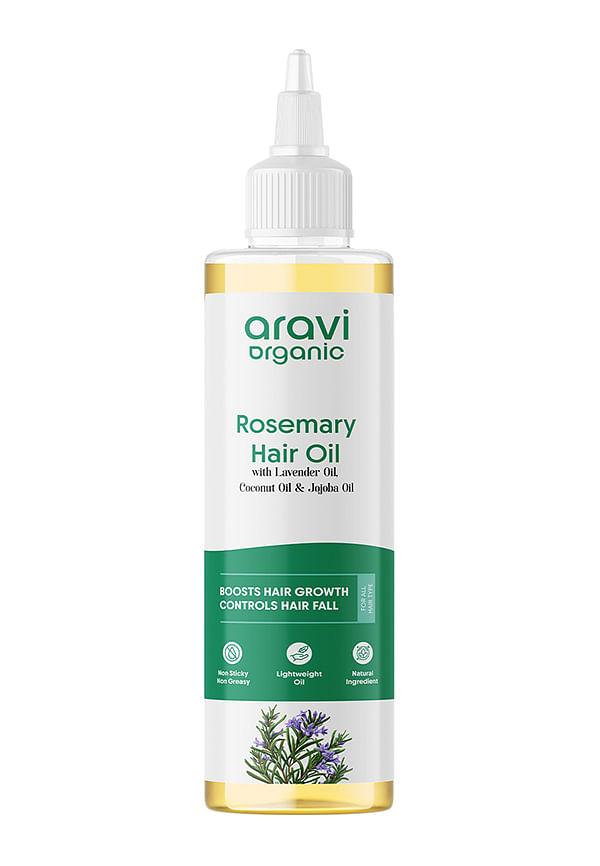
Aravi Organic
Rosemary Lavender Hair Growth Hair Oil
₹ 35525 % OFF
₹ 266
Combine 2 tablespoons of sweet almond oil with 5 drops of rosemary oil and 3 drops of peppermint oil. The peppermint adds an extra tingle and circulation boost. Massage this blend into your scalp before washing your hair. It's refreshing and invigorating—perfect for morning routines.
Overnight Rosemary Oil Hair Mask
Mix 2 tablespoons of coconut oil, 1 tablespoon of castor oil, and 6 drops of rosemary oil. Apply from mid-length to ends, then focus the remainder on your scalp. Sleep with it in (use a silk pillowcase to prevent staining) and shampoo out in the morning. This deep conditioning treatment works while you sleep.
Rosemary-infused Hair Growth Serum
Create a lightweight daily serum by combining 1 tablespoon of argan oil with 4 drops of rosemary oil and 2 drops of lavender oil. Store in a dark glass bottle and apply a few drops to your scalp daily. This rosemary oil hair mask recipe alternative is perfect for those who prefer lighter formulations.
Potential Side Effects and Precautions
While rosemary oil is generally safe for most people, it's important to know what to watch out for. Like any essential oil, it can cause reactions in some individuals, especially when used incorrectly. Being informed about potential issues helps you use rosemary oil safely and effectively as part of your hair loss prevention methods.
Common Side Effects
Some people might experience scalp irritation, redness, or itching when first using rosemary oil. This usually happens when the oil isn't properly diluted or if you're sensitive to the ingredient. Start with a patch test on your inner wrist before applying to your scalp.
Allergies and Sensitivities
If you're allergic to rosemary the herb, you should avoid the essential oil as well. Pregnant women should consult their healthcare provider before using rosemary oil, as it can be quite potent. People with epilepsy should also exercise caution, as some essential oils can trigger seizures in sensitive individuals.
Proper Dilution and Usage Guidelines
Never use rosemary essential oil undiluted on your skin or scalp. Always mix it with a carrier oil first. If you experience any irritation, discontinue use immediately. Keep essential oils away from your eyes and mucous membranes. Store them in a cool, dark place to maintain their potency.
Combining Rosemary Oil with Other Hair Growth Methods
Rosemary oil works brilliantly on its own, but combining it with other approaches can amplify your results. Think of it as building a comprehensive strategy rather than relying on a single solution. This holistic approach to hair health often yields the best long-term outcomes for those seeking thicker hair with rosemary and other natural methods.
Complementary Essential Oils for Scalp Health
Peppermint oil pairs beautifully with rosemary for an extra circulation boost. Cedarwood and thyme oils also have research-backed hair growth benefits. Lavender oil can help if you have a sensitive scalp. Try mixing 2-3 different oils with your carrier oil for a custom blend.
Rosemary Oil and Nutrition for Hair Health
4.5|(Combo)
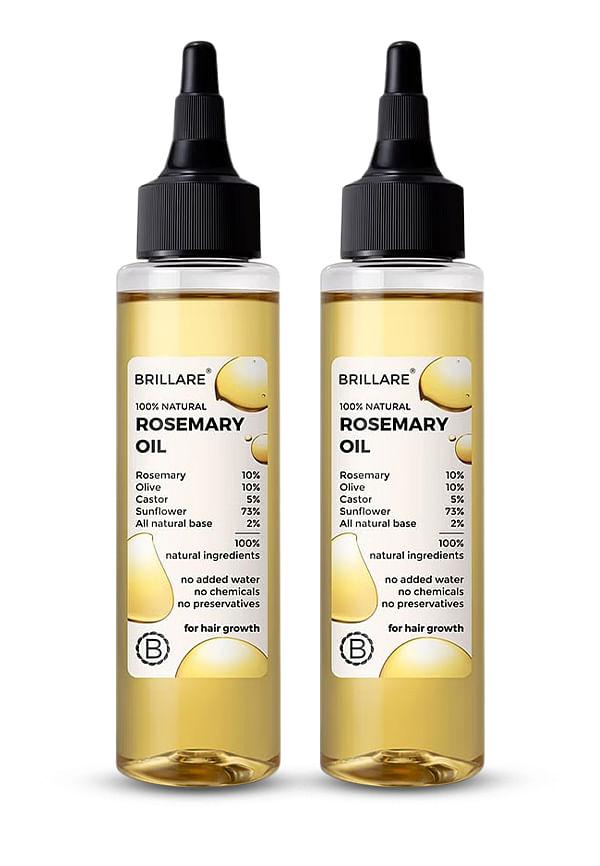
Brillare
Rosemary oil
₹ 69050 % OFF
₹ 345
Reviews from genuine users
Very good product
5
“this is so good and going to buy same product”
Iqra Tikki19 Aug 2026
Good for Hair Growth
5
“very good product for hair growth”
Yashashri Adwe19 Aug 2026
Best Hair Growth Oil
5
“best hair growth oil love it and must try”
Priyanka Sharma18 Aug 2026
What you eat affects your hair growth just as much as what you apply topically. Iron, biotin, and protein are crucial for healthy hair. Consider adding foods rich in omega-3 fatty acids to support overall hair health while using your rosemary oil treatments.
Integrating Rosemary Oil with Other Hair Care Practices
Gentle scalp massages, silk pillowcases, and regular trims all support healthy hair growth. Use rosemary oil as part of a broader routine that includes proper cleansing, conditioning, and protection from heat damage. It's about creating an environment where your hair can thrive.
FAQs
Can rosemary oil cause hair loss at first?
Some people might notice increased shedding in the first few weeks of use. This is often normal as your hair cycle adjusts and older, weaker hairs make way for new growth. If excessive shedding continues beyond a month, discontinue use and consult a professional.
How long does it take to see results with rosemary oil?
Many users report noticing improvements in scalp health within 2-4 weeks, though individual results vary. Visible hair growth changes typically become apparent after 2-3 months of consistent use. Remember, hair grows slowly—about half an inch per month—so patience is essential.
Is rosemary oil as effective as minoxidil for hair growth?
Some research has indicated rosemary oil may perform similarly to 2% minoxidil after six months of use, though individual results may vary significantly. More research is needed to make definitive comparisons. Rosemary oil may be worth trying, especially if you prefer natural alternatives.
Can I leave rosemary oil in my hair overnight?
Yes, you can leave properly diluted rosemary oil in overnight. Make sure it's well-mixed with a carrier oil and that your scalp doesn't react negatively. Use a silk pillowcase to prevent staining and always shampoo thoroughly in the morning.
Are there any hair types that should avoid using rosemary oil?
Rosemary oil is generally suitable for all hair types when properly diluted. However, people with very sensitive scalps or certain medical conditions should consult a healthcare provider first. Always do a patch test before first use.
What should I document when tracking rosemary oil for hair growth before and after pictures?
When documenting your progress, take clear, well-lit photos of your hairline, crown, and any problem areas. Use consistent lighting and angles each time. Take pictures every 2-4 weeks, and consider close-ups of individual sections to track new growth.
What are the 1 month rosemary oil for hair growth results I can expect?
After one month of consistent use, you may notice improvements in scalp health, reduced itching or flaking, and possibly a slight reduction in hair shedding. However, significant hair growth changes are typically not visible this early. Remember, everyone's results can vary.
Final Thoughts
Rosemary oil for hair growth before and after results can be genuinely impressive when you approach it with realistic expectations and consistent use. This natural remedy offers a gentle, research-backed approach to supporting healthier hair growth without harsh chemicals. The key is understanding that natural solutions take time to work—we're talking months, not days. Start with proper dilution, be consistent with application, and give your hair the time it needs to respond. Whether you're dealing with thinning hair or just want to boost your current growth, rosemary oil might just become a staple in your haircare routine. Remember, everyone's hair journey is different, so what works for your friend might work differently for you—and that's completely normal. Worth a try, right?

 5
5