How to Use Hibiscus for Hair: Unlock Its Incredible Benefits

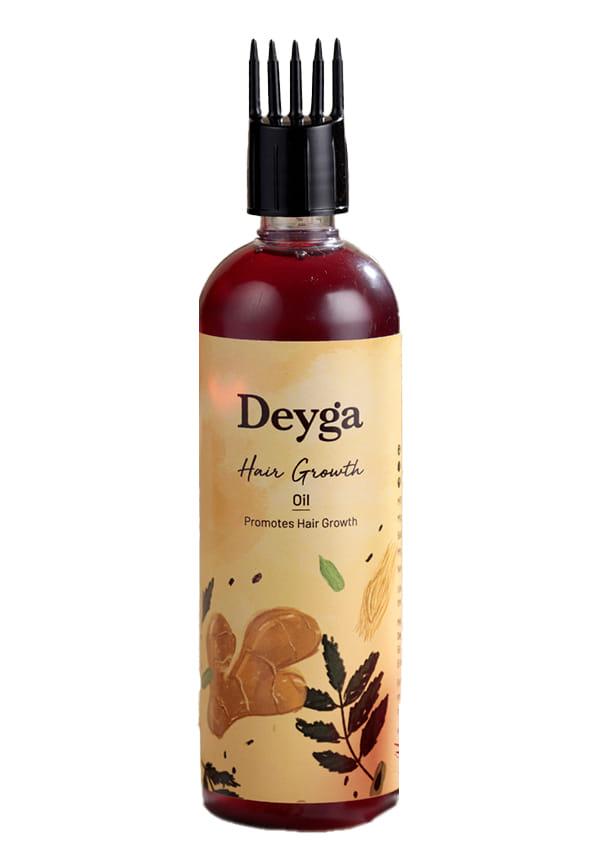
Hair Growth Oil ,Infused With Hibiscus, Rosemary & Grapeseed Oil
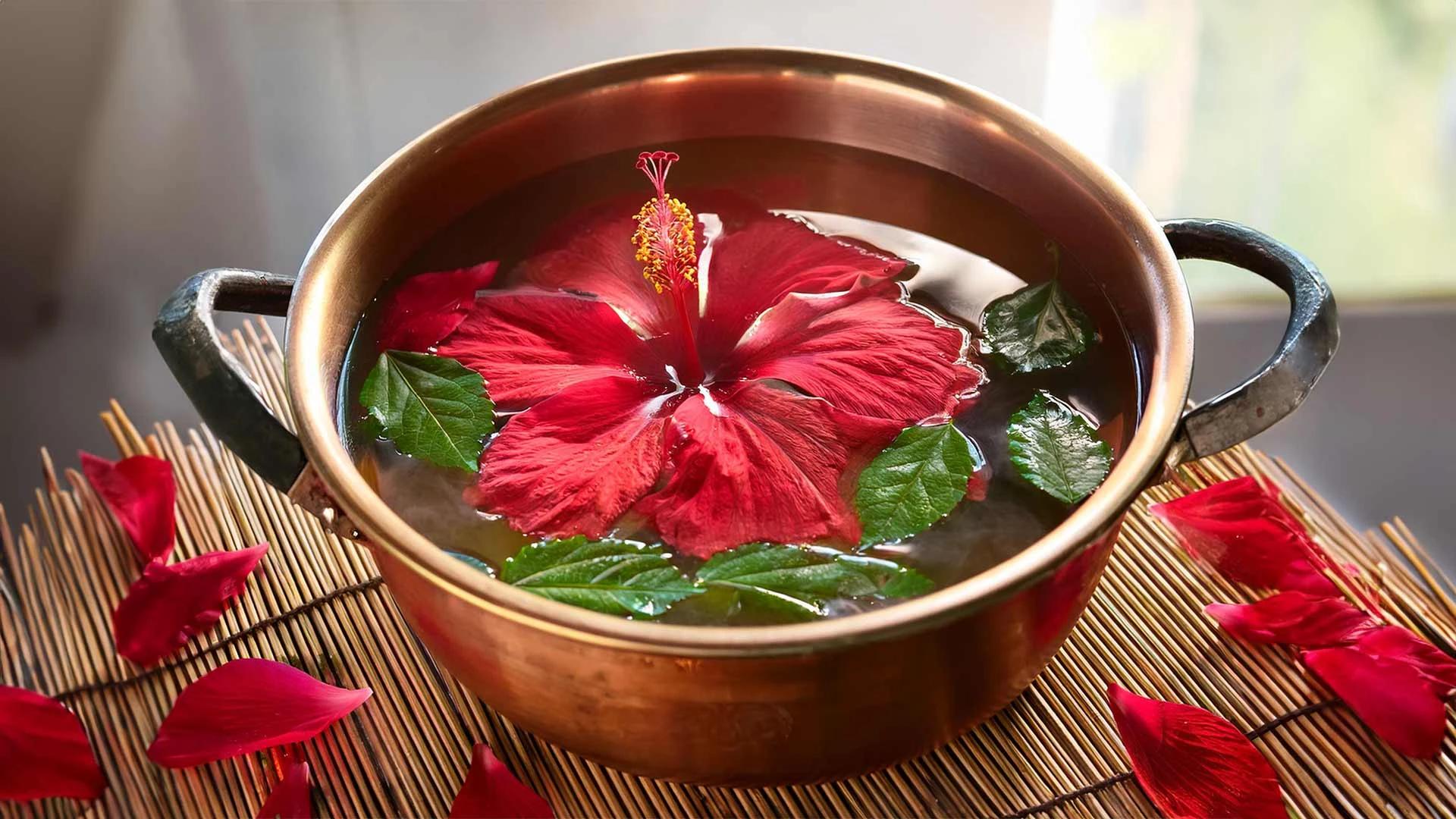
Let's be real—your hair deserves better than the endless cycle of expensive treatments that promise the world but deliver meh results. Enter hibiscus, the vibrant flower that's been quietly revolutionising haircare routines across the globe. This isn't just another trending ingredient; it's a powerhouse packed with vitamins, amino acids, and natural compounds that actually work. From promoting hair growth to reducing breakage, hibiscus for hair offers benefits that'll make you wonder why you waited so long to try it. Ready to discover what this gorgeous flower can do for your locks?
Hibiscus isn't just pretty to look at—it's basically nature's multivitamin for your hair. This tropical flower contains vitamin C (more than oranges, actually), amino acids, and mucilage that work together to nourish your scalp and strengthen every strand.
The science behind hibiscus hair benefits is pretty impressive. Research shows that hibiscus contains natural alpha-hydroxy acids that help remove dead skin cells from your scalp, creating the perfect environment for healthy hair growth. Plus, its high antioxidant content fights free radical damage that can make your hair look dull and lifeless.
Unlike synthetic treatments that strip your hair of natural oils, hibiscus works with your hair's natural structure. The flower's mucilage content acts like a natural conditioner, whilst its vitamins A and C boost collagen production in your scalp. This combination creates stronger, shinier hair that's less prone to breakage.
Here's where things get exciting. Hibiscus for hair growth isn't just wishful thinking—it's backed by real results that you can see and feel.
The amino acids in hibiscus help produce keratin, the protein that makes up your hair. Regular use can stimulate dormant hair follicles and encourage new growth, especially when combined with scalp massage.
Hibiscus for hair loss works by strengthening the hair shaft from root to tip. The natural conditioning properties reduce friction and tangling, which are major causes of breakage.
A healthy scalp equals healthy hair. Hibiscus has natural antimicrobial properties that help combat dandruff and scalp irritation whilst maintaining the right pH balance.
The mucilage in hibiscus acts like a natural serum, smoothing down hair cuticles and reflecting light beautifully. Your hair will look glossier without feeling heavy or greasy.
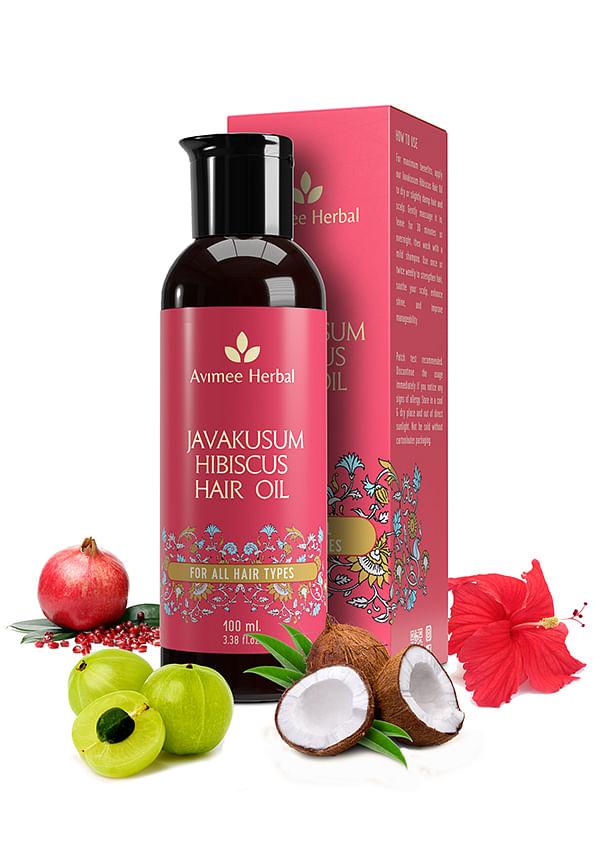
Javakusum Hibiscus Hair Oil
Great Smell, Soothes Skin
 5
5“great smell really loved using it. sooothes skim”
Hair Shine & Strength
5“helped my hair shine and strengthens my strands”
Rich in antioxidants and vitamins, hibiscus can help maintain your hair's natural pigmentation and delay the onset of grey hair. It's not magic, but it's definitely worth a try.
Ready to get your hands dirty? These hibiscus hair treatment recipes are game-changers, and the best part is you probably have most ingredients at home already.
This hibiscus hair mask is perfect for deep conditioning and promoting growth:
10-12 fresh hibiscus petals (or 2 tbsp dried)
2 tbsp coconut oil
1 tbsp honey
Grind the petals into a paste, mix with oil and honey, apply to damp hair for 30 minutes, then rinse thoroughly. Your hair will feel incredibly soft.
This hibiscus hair oil infusion works brilliantly for overnight treatments:
15-20 hibiscus flowers
200ml coconut or sesame oil
Heat the oil gently, add flowers, and simmer for 10 minutes. Strain and store. Massage into your scalp twice weekly for best results.
A hibiscus hair rinse is brilliant for adding shine and managing pH:
10 hibiscus petals
500ml water
1 tbsp apple cider vinegar
Boil petals in water for 15 minutes, strain, add vinegar when cool. Use as a final rinse after shampooing.
This hibiscus hair conditioner alternative is perfect for weekly pampering:
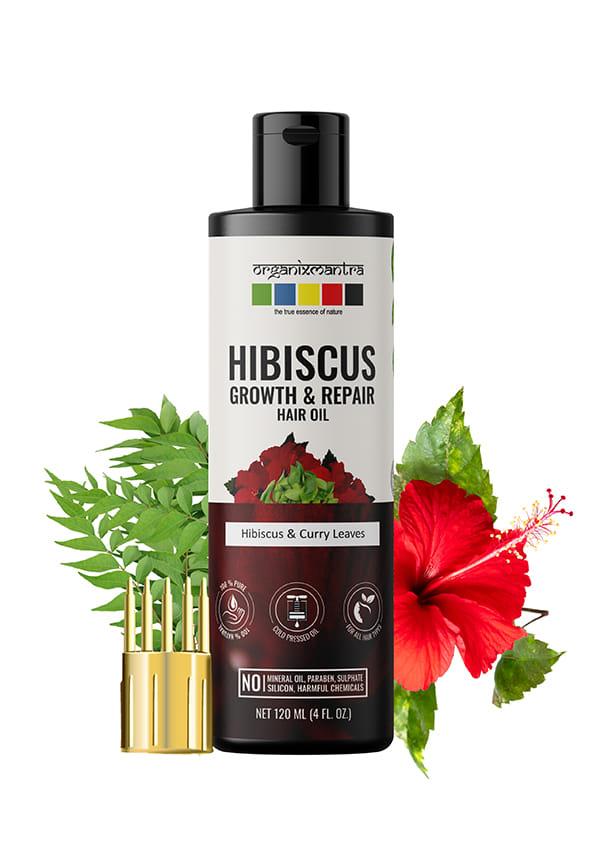
Hibiscus & Curry Leaves Hair Oil | Advanced Follicle Activation
8 hibiscus petals
1 egg yolk
2 tbsp yoghurt
Blend into a smooth paste, apply to mid-lengths and ends, leave for 20 minutes, then wash out with cool water.
Not all hair is created equal, and your hibiscus hair care routine should reflect that. Here's how to tailor hibiscus treatments to your specific needs.
If your scalp gets greasy quickly, focus on hibiscus rinses rather than oil-based treatments. The natural astringent properties help control excess sebum production without over-drying.
Combine hibiscus with moisturising ingredients like avocado or aloe vera. The protein content helps repair damage whilst the mucilage provides deep hydration.
Hibiscus's antimicrobial properties make it excellent for treating flaky, itchy scalps. Use as a weekly hair mask combined with tea tree oil for extra antifungal benefits.
The strengthening proteins in hibiscus can help fine hair appear fuller. Focus on scalp treatments rather than heavy masks that might weigh your hair down.
Whilst hibiscus is generally safe for most people, it's always smart to be cautious when trying new ingredients. Some folks might experience allergic reactions, especially those sensitive to other flowering plants.
Always do a patch test first—apply a small amount of your hibiscus mixture to your inner elbow and wait 24 hours to check for reactions. If you notice any redness, itching, or irritation, skip the hibiscus and try something else.
Start slowly with hibiscus treatments. Once or twice weekly is plenty for most people. Overuse can sometimes lead to protein overload, which makes hair feel stiff and brittle rather than soft and manageable.
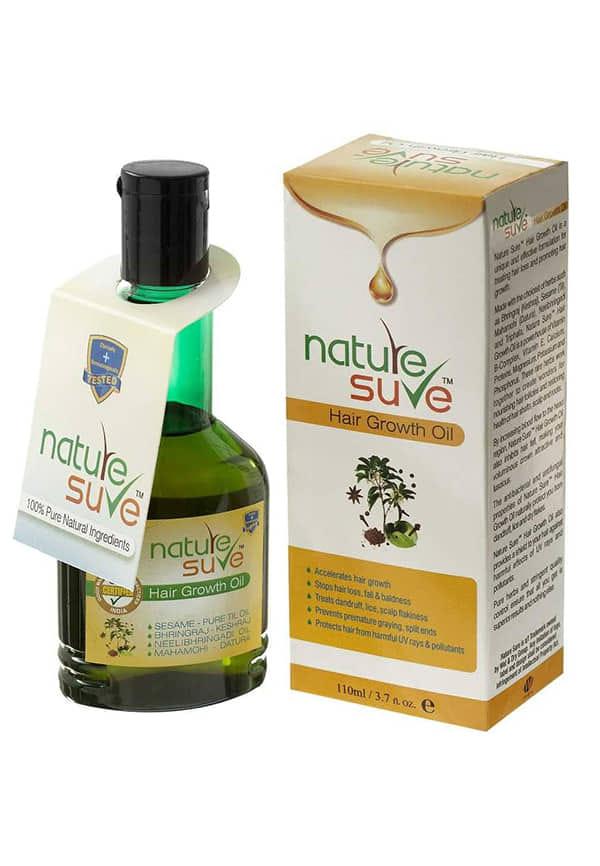
Hair Growth Oil for Darker and Stronger Hair in Men and Women
If DIY isn't your thing, there are plenty of ready-made options featuring hibiscus. From hibiscus hair shampoo formulations to leave-in treatments, the beauty industry has definitely caught on to this flower's potential.
When exploring different hibiscus-infused products, Smytten makes it incredibly easy to discover what works for your hair without the commitment of full-size purchases. With over 1,500 trusted brands including haircare specialists like Love, Beauty & Planet and Bella Vita, you can try various hibiscus formulations through curated trial packs. Getting up to 8 minis for just ₹249 means you can experiment with different hibiscus hair treatments risk-free, plus enjoy 100% cashback that's redeemable for future orders.
Start with once or twice weekly. Monitor how your hair responds—if it feels stronger and shinier, you're on the right track. If it feels stiff or dry, reduce frequency or add more moisturising ingredients to your mix.
Absolutely. Fresh petals are more potent, so you'll need fewer of them. Dried hibiscus is more convenient and has a longer shelf life. Both work brilliantly for hair treatments.
Generally yes, but hibiscus can have mild colour-depositing properties, especially on lighter hair. It might enhance red tones slightly. Always test on a hidden section first if you're concerned about colour changes.
You'll notice immediate benefits like softer, shinier hair after your first treatment. For growth and strengthening benefits, give it at least 6-8 weeks of consistent use.
Definitely! Hibiscus pairs beautifully with coconut oil, honey, aloe vera, and egg. Just avoid mixing it with lemon juice or other acidic ingredients that might cause irritation.
Hibiscus really is one of those ingredients that lives up to the hype. Whether you're dealing with hair loss, dryness, or just want to boost your hair's natural shine, this flower offers a gentle yet effective solution that won't break the bank.
The beauty of hibiscus hair care is its versatility—you can customise treatments based on your specific needs and hair type. Plus, with so many ways to incorporate it into your routine, from DIY masks to ready-made products, there's no excuse not to give it a try.
Remember, consistency is key with any natural treatment. Your hair didn't get damaged overnight, and it won't transform overnight either. But stick with it, and you'll likely find that hibiscus becomes a staple in your haircare routine. After all, why settle for synthetic when nature offers something this good?
